

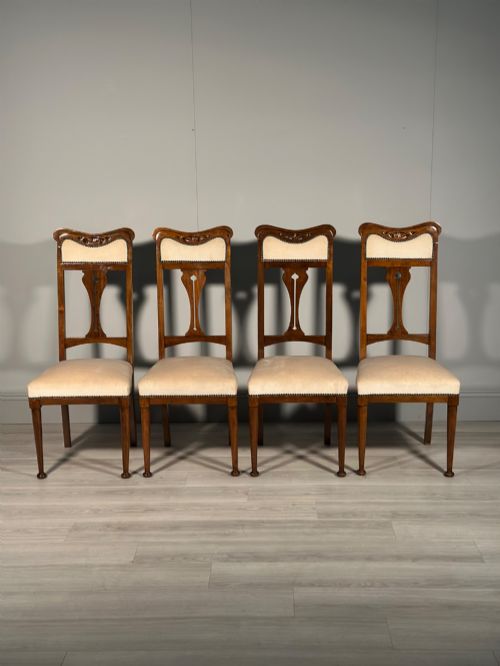
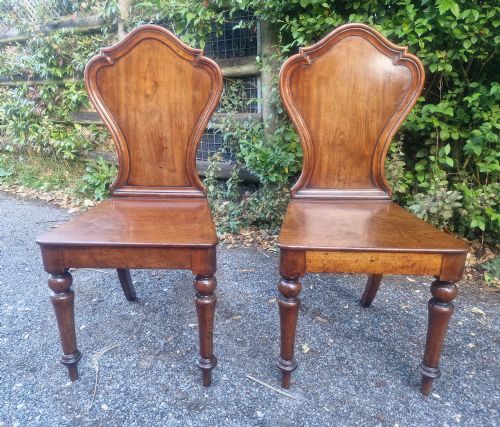
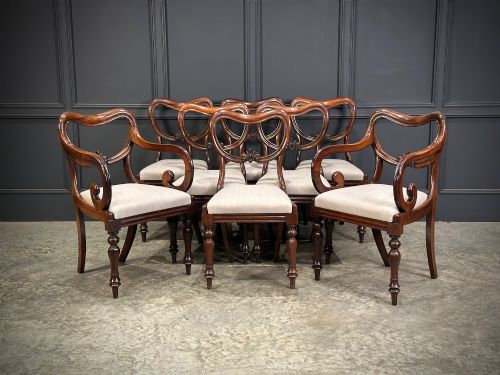
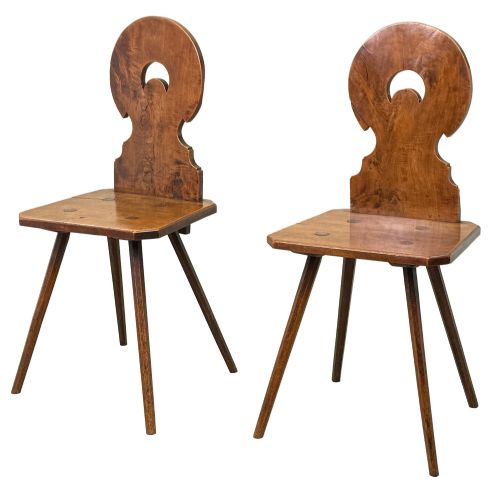
Brown Timber Carved Chairs
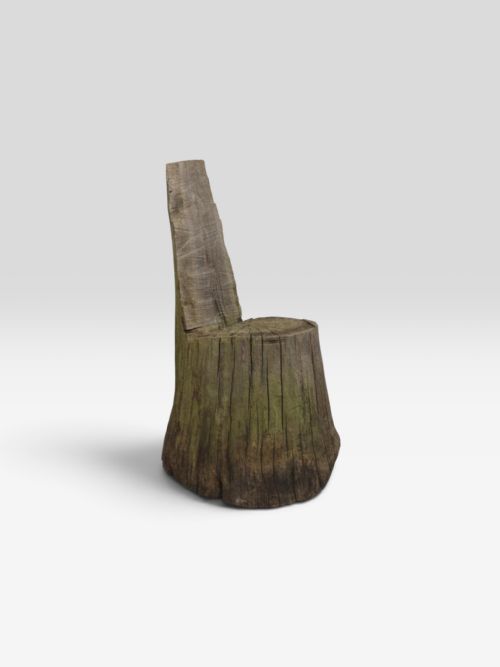
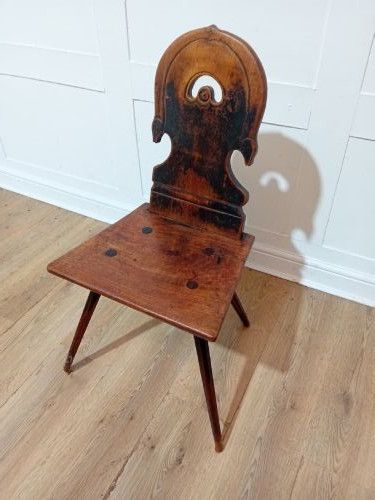
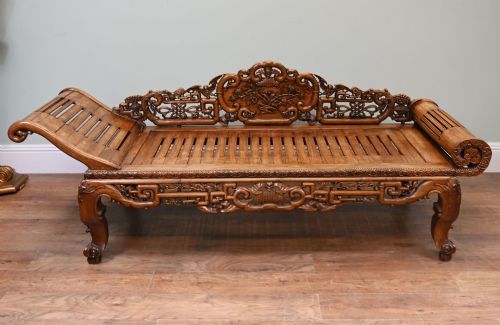
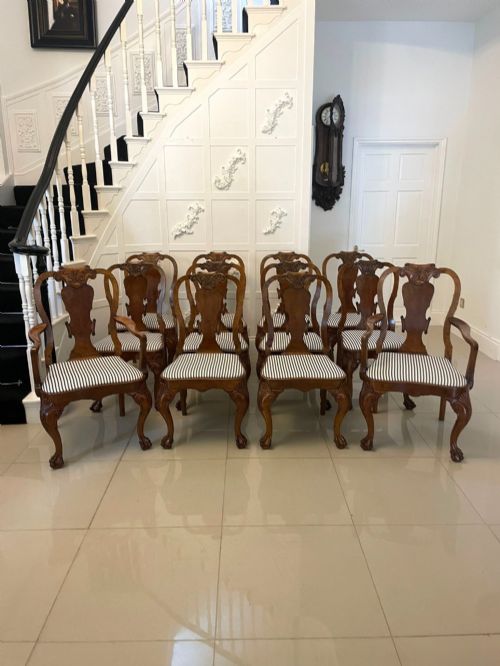
These brown timber carved chairs bring heavy timber and deep relief into a room, and you are most likely to meet mahogany or oak examples here.
Brown Timber Carved Chairs
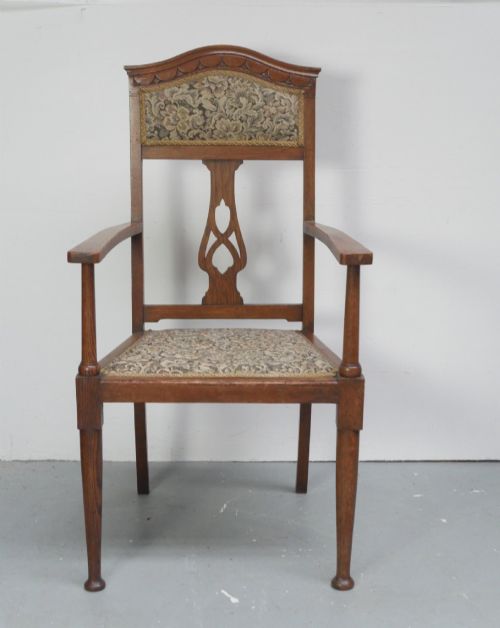
When you search for brown timber carved chairs, you encounter seating constructed from darker woods shaped with chisel and gouge. The form is dominated by hall chairs, armchairs, and dining chairs originating from periods such as the Georgian era, the Regency period, and the vast Victorian epoch.
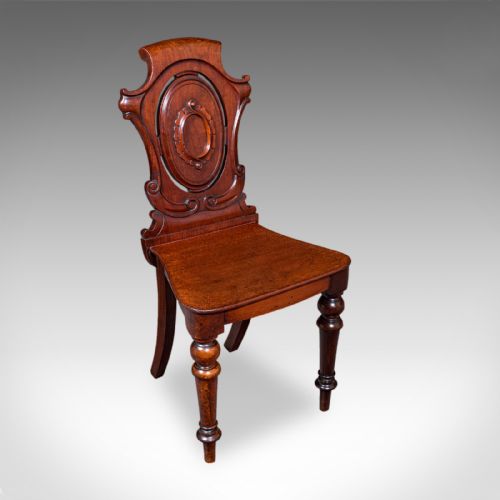
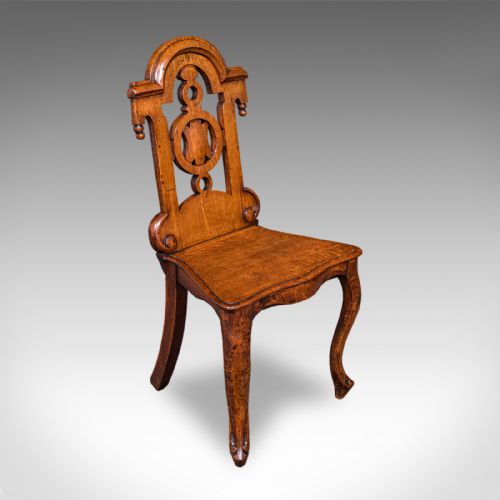
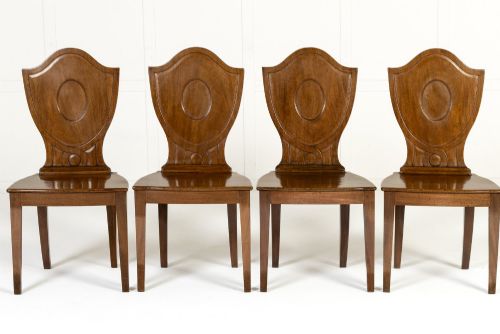
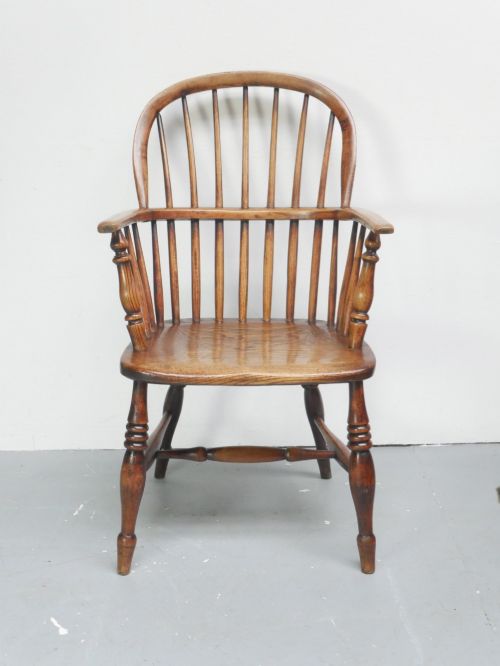
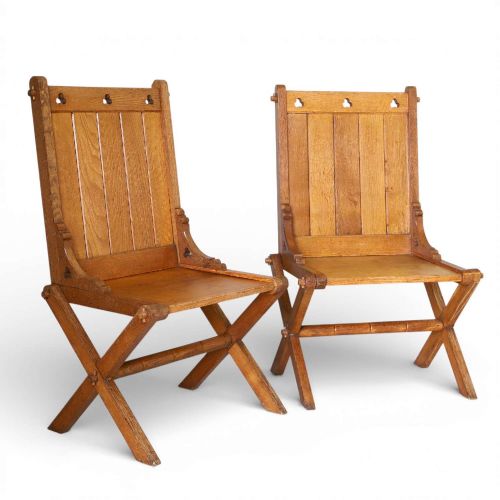
The version you are most likely to meet on this page is the Victorian or 19th century hall chair shaped from mahogany or oak. These pieces range from rigid timber reception seats to robust Windsor armchairs and Gothic Revival designs.
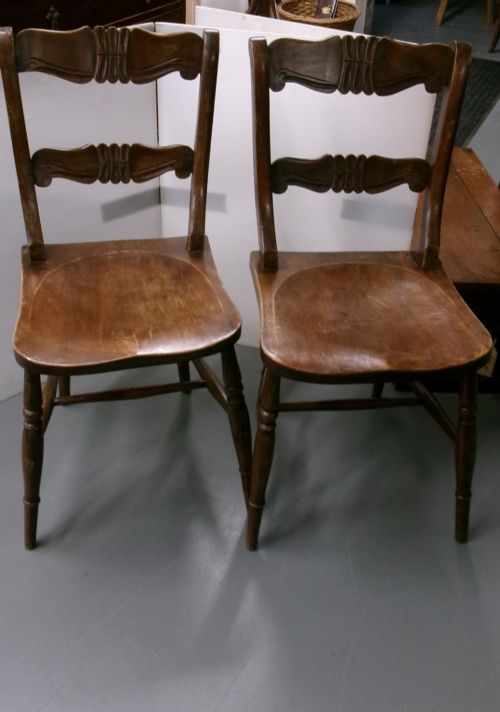
Makers and regional workshops produced diverse seating forms, spanning Scottish armchairs, English country house hall chairs, and occasional side seats. The selection captures both formal dining arrangements and utilitarian kitchen or provincial seating.
Materials and construction methods
Makers relied on dense hardwoods such as mahogany, walnut, oak, and elm to provide the structural integrity required for heavy carving. These timbers were selected for grain pattern and strength, allowing joiners to shape rigid frames, hoop backs, and solid seats.
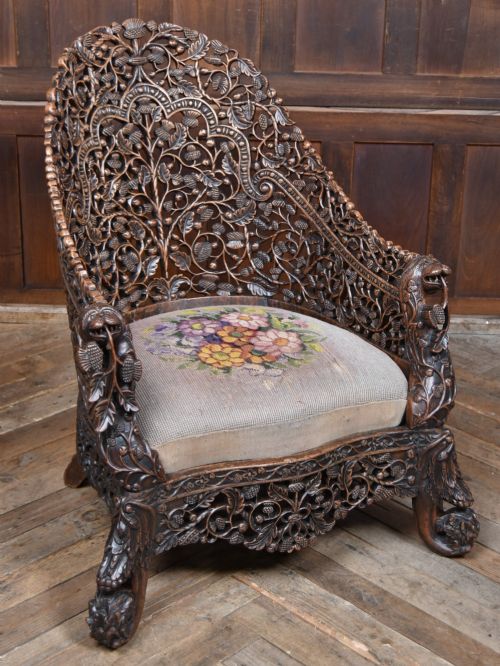
Carving was executed by hand using chisels and gouges directly onto the solid timber structure. Details such as shields, armorial crests, trefoil motifs, and thistle patterns emerged straight from the wood rather than through applied composition ornament.
Brown Timber Carved Chairs Retail Price Guide 2026
Typical asking prices for brown timber carved chairs among the pieces listed under this phrase on Sellingantiques today, from the lower quarter to the upper quarter. They describe what is for sale here now, not the wider market.
A giant throne chair from the Philippines stands ready for anyone needing an oversized seat.
Distinctions in quality
Quality rests upon the crispness of the hand carving and the selection of the timber. Finer examples display deep, sharp relief work where foliage, heraldry, or geometric tracery remain crisp and deliberate.
Construction methods also separate standard utility furniture from finer commissions. Solid timber boards, tight joinery, and well-balanced proportions distinguish superior seating from ordinary workshop production.
Gillows·Wheeler Of Arncroach
The Brown Timber Carved Chairs Glossary
- Hall chair
- A rigid wooden seat traditionally placed in a grand entrance hall, often featuring a solid carved back displaying family crests or shields.
- Windsor chair
- A wooden seating form constructed with turned legs and spindles slotted into a solid thick seat, frequently featuring a bowed backrest.
- Gothic Revival
- A design style drawing on medieval architectural motifs, displaying pointed arches, trefoil details, and heavy structural timber.
- Shield back
- A chair back shaped in the outline of a heraldic shield, popular during the late Georgian and Regency periods.
- Padouk
- A heavy, dense tropical timber with a deep reddish-brown tone utilised for carved furniture and seating.
Brown Timber Carved Chairs: Frequently Asked Questions
What is a brown timber carved chair?
These items are wooden seats shaped with carved relief work, encompassing dining chairs, hall chairs, and armchairs.
They utilise materials such as mahogany, oak, walnut, and elm across various historical periods.
How were brown timber carved chairs used?
Many examples served as formal reception or hall seating in large houses, displaying family crests or heraldic shields.
Other forms function as everyday dining chairs, library armchairs, or occasional side seating.
How do I identify a Victorian chair?
Victorian examples often feature dark mahogany or walnut timber with substantial proportions and deep, confident carving.
They frequently incorporate revival styles such as Gothic details, shield backs, or heavy turned supports.
What wood types should I expect?
The listings consist primarily of dark hardwoods including mahogany, oak, walnut, and elm.
Regional pieces may employ fruitwoods or native hardwoods suited to local workshop traditions.