





Folk Art Wooden Armchairs
Folk art wooden armchairs bring genuine vernacular character into a room through honest craftsmanship and time-worn surfaces.
Folk Art Wooden Armchairs
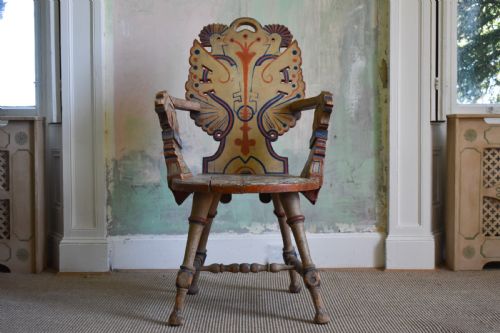
On this page, buyers frequently encounter Scandinavian country examples alongside Irish and Welsh vernacular seating. Forms range from low child's chairs and rocking chairs to monumental bobbin country throne armchairs and comb back armchairs.
Makers drew on available local resources, producing solid wood seating that often carries original paint surfaces or the deep patina of bare pine, elm, ash, and oak. Each armchair reflects the specific functional demands and aesthetic preferences of its rural origin.
How they were made
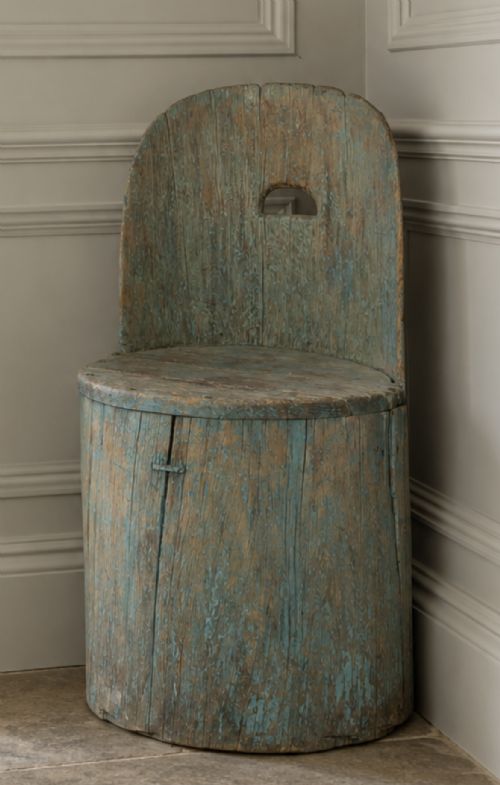
Makers constructed these armchairs primarily from solid native timbers such as pine, elm, ash, and oak, selecting woods suited for bending, carving, or hollowing. Dug-out chairs required removing the core of a single log, while stick-back and comb-back designs relied on turned spindles fitted into heavy plank seats.
Surfaces frequently received layers of paint, with many surviving pieces retaining their original pigment or historic colour schemes. Joinery was straightforward and utilitarian, utilising pegged joints and wedged tenons to withstand generations of heavy farm or cottage use.
Folk Art Wooden Armchairs Retail Price Guide 2026
Typical asking prices for folk art wooden armchairs among the pieces listed under this phrase on Sellingantiques today, from the lower quarter to the upper quarter. They describe what is for sale here now, not the wider market.
Listings feature pine, elm, ash, and oak across nineteenth-century and earlier periods.
What varies in quality
Quality in folk art wooden armchairs rests in the integrity of the original form and the survival of untouched surfaces. Pieces retaining genuine early paint show a depth of character that heavily stripped or later refinished examples simply cannot match.
Proportion and sculptural presence distinguish standard utilitarian seating from exceptional vernacular works. A well-balanced comb-back or an unusual dug-out shape demonstrates a maker's innate eye for line and comfort within strict regional traditions.
The Folk Art Wooden Armchairs Glossary
- Vernacular
- Things made by local craftspeople for everyday use rather than high-style workshops. These objects follow traditional regional patterns.
- Dug out
- A seating form hollowed directly from a single solid log or tree trunk. This ancient method creates a heavy and robust monolithic chair.
- Stick back
- A chair construction where turned spindles or plain sticks are tenoned directly into a solid wooden seat. It is a defining feature of Windsor and country vernacular seating.
- Comb back
- A Windsor chair variation where the top rail resembles the teeth of a comb. Vertical spindles rise through the arm rail to meet this upper crest.
Folk Art Wooden Armchairs: Frequently Asked Questions
What is a vernacular armchair?
A vernacular armchair is a piece of regional seating made by local craftspeople without reference to metropolitan fashion. These chairs prioritize sturdy utility and traditional construction methods.
They reflect the materials and woodworking habits peculiar to their specific rural district, whether in Wales, Ireland, or Scandinavia.
How do I care for original paint?
Original paint surfaces require stable indoor humidity and protection from direct sunlight to prevent flaking or fading. Dust the wood gently with a dry, soft cloth rather than using liquid polishes.
Harsh cleaning agents will strip the historic pigment and destroy the patina accumulated over centuries of use.
Are these chairs comfortable for daily use?
Many folk art wooden armchairs offer surprising ergonomic comfort through deep scooped seats and raked backrests. Their proportions were designed for domestic labour and rest in rural cottages.
However, buyers should check seat heights and arm clearances, as regional chairs were often built smaller than modern standard seating.