



Brown Terracotta Pot
These brown terracotta pot selections range from rustic vernacular planters to ancient vessels, offering earthy tones and tactile surfaces for practical use or display.
Brown Terracotta Pot
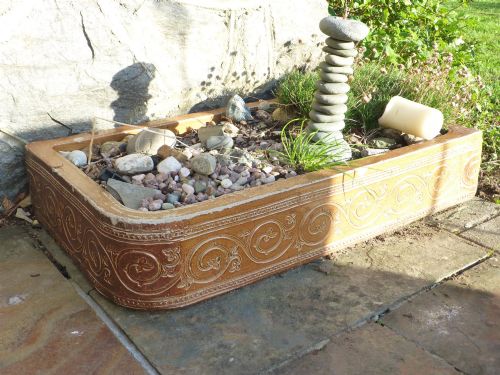
A brown terracotta pot serves as a durable vessel for greenery, storage, or decorative display within homes and gardens. When exploring a brown terracotta pot, buyers encounter diverse forms ranging from nineteenth-century garden planters to ancient vessels and utilitarian kitchenalia.
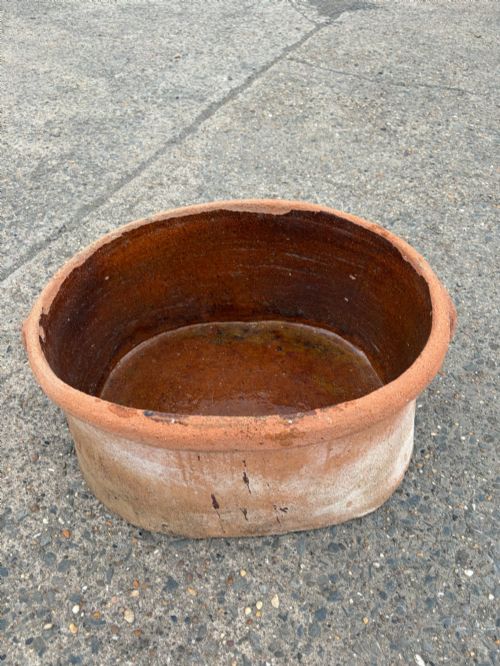
Makers utilised these pieces for functional agricultural and domestic tasks, such as dairy salting or walnut oil storage, before collectors prized them for their patination. The presence of earthenware, salt-glazed stoneware, and slip pigment adds regional character to each individual vessel.
Materials and construction
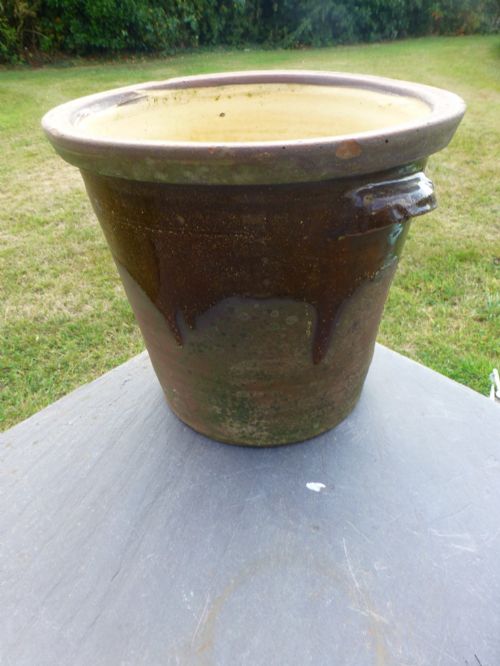
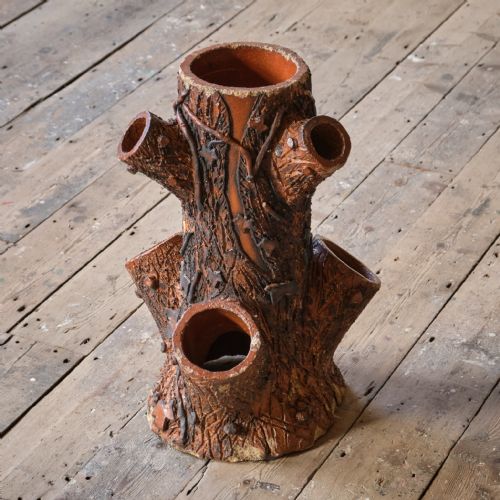
Potters shaped these vessels using natural clay, terracotta, and earthenware, often applying glaze or slip pigment for texture and water resistance. Surface treatments include salt-glazing on stoneware and naturalistic faux bois moulding that mimics the bark of trees.
Firing techniques varied from simple earthenware kilns to higher-temperature salt-glazing methods that produced hard, durable finishes. Hand-thrown and moulded bodies reflect traditional methods utilised across French, British, and Mediterranean workshops.
Brown Terracotta Pot Retail Price Guide 2026
Typical asking prices for brown terracotta pot among the pieces listed under this phrase on Sellingantiques today, from the lower quarter to the upper quarter. They describe what is for sale here now, not the wider market.
Listings feature nineteenth-century items alongside pre-sixteenth century artefacts, using terracotta, earthenware, and salt-glazed stoneware.
Assessing quality and character
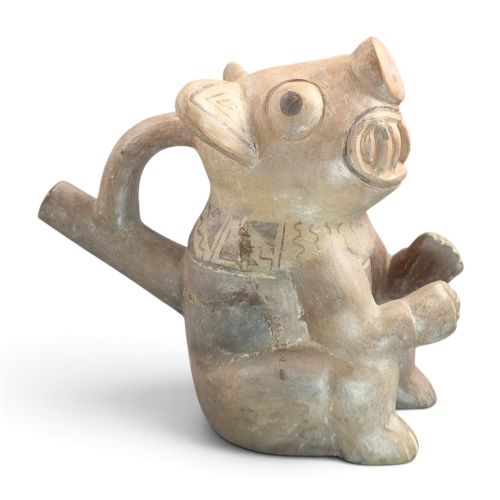
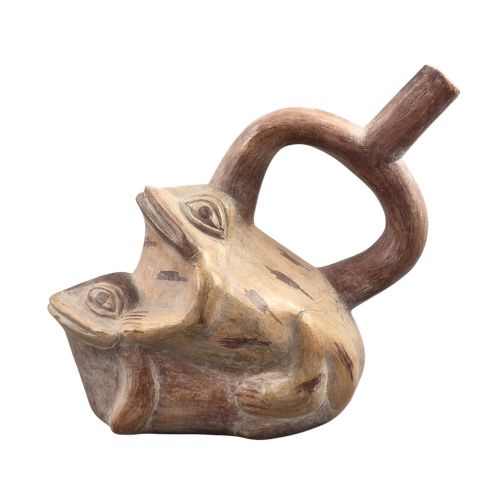
Quality rests in the crispness of moulded details, such as the textured bark on faux bois planters or the definition on zoomorphic vessels. Surface wear, weathering, and mineral patination contribute positively to visual depth without compromising structural integrity.
The sophistication of the glaze and the harmony of form distinguish utilitarian work from decorative studio pieces. Potteries that achieved balanced proportions and even kiln reactions produced items that endure both aesthetically and physically.
Guichard Carriès
The Brown Terracotta Pot Glossary
- Terracotta
- A porous, unglazed or glazed fired clay body typically reddish-brown in colour. It forms the primary substrate for traditional garden planters and vessels.
- Faux bois
- A stylistic technique mimicking wood grain or tree bark in ceramic or concrete. Victorian gardeners favoured this naturalistic style for strawberry planters and rustic troughs.
- Salt-glazed stoneware
- Pottery fired at high temperatures with salt thrown into the kiln to create a glossy, durable finish. This treatment protects the ceramic body from moisture.
- Jardiniere
- An ornamental pot or stand designed to hold growing plants indoors. These ceramic pieces often feature decorative glazes or majolica influences.
- Amphora
- A two-handled jar with a narrow neck used in antiquity for transport and storage. Mediterranean examples frequently display earthy terracotta bodies suited for oil or wine.
Brown Terracotta Pot: Frequently Asked Questions
How do I use an antique planter?
These vessels suit direct planting when lined appropriately or serve well as decorative cachepots for potted greenery.
Their robust clay and stoneware construction also allows placement in sheltered outdoor garden settings.
Can these pots stay outside?
Many nineteenth-century terracotta and stoneware pieces withstand garden environments, provided they avoid severe frost damage.
Unglazed porous earthenware absorbs moisture, so bringing delicate vessels indoors during winter prevents cracking.
How are different periods identified?
Stylistic clues such as Victorian faux bois moulding or pre-Columbian zoomorphic forms help establish chronological origins.
Material composition, including early salt-glazed stoneware and rustic earthenware, further clarifies the era of manufacture.
What is salt-glazed stoneware?
Salt-glazing involves introducing common salt into the kiln during high-temperature firing to produce an orange-peel texture.
This chemical reaction vitrifies the ceramic surface, making the vessel impermeable to liquids without additional glaze.