



Brown Tea Storage
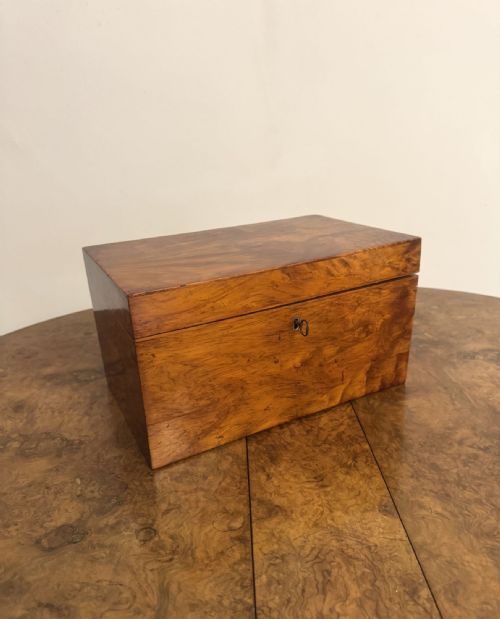
Brown tea storage takes the form of timber caddies, boxes and teapoys that held dry leaves securely in period drawing rooms.
Brown Tea Storage
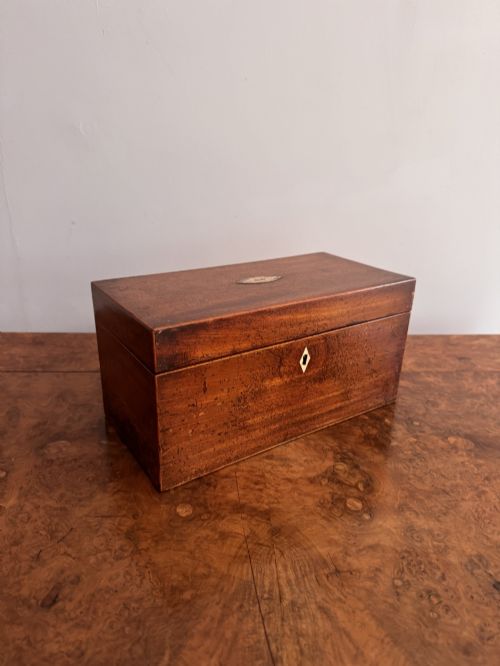
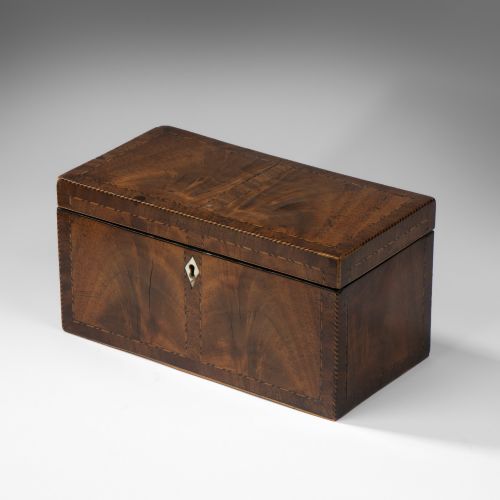
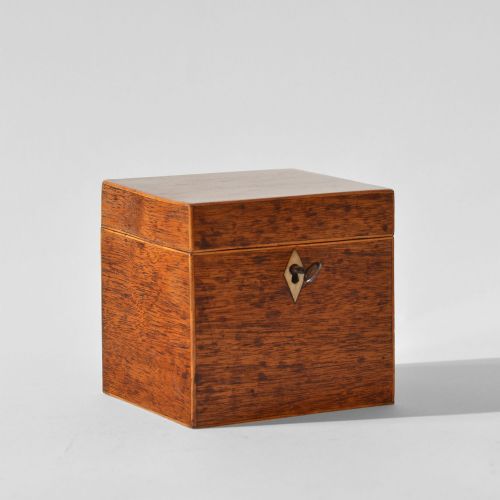
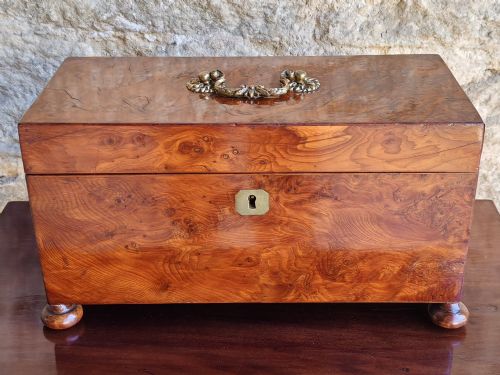
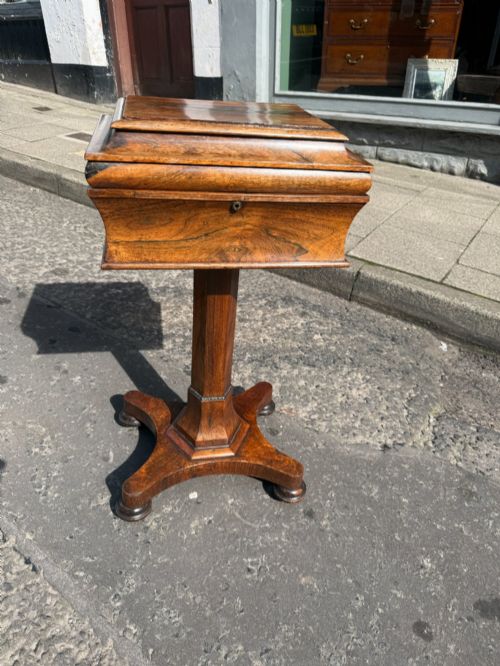
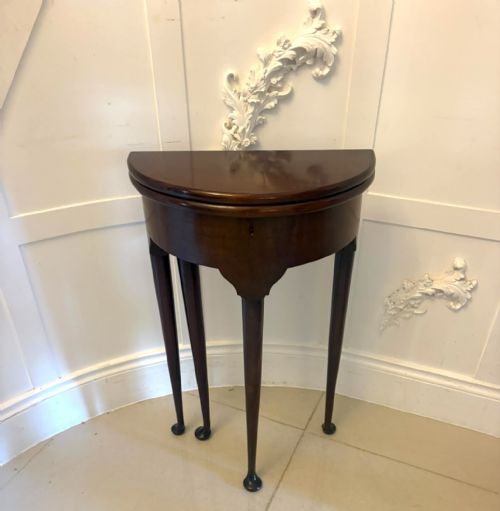
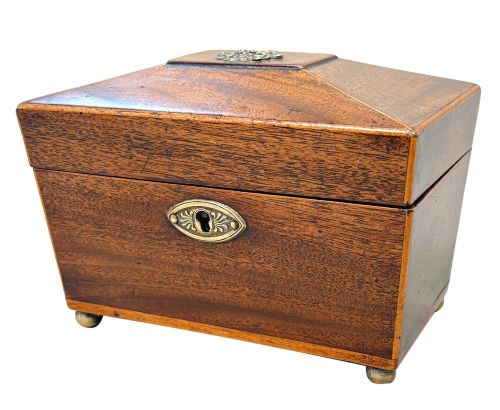
When you search for brown tea storage, you encounter timber vessels designed to preserve expensive imported leaves in the eighteenth and nineteenth centuries. These items range from simple rectangular boxes to sarcophagus-shaped caddies and occasional tables with internal compartments.
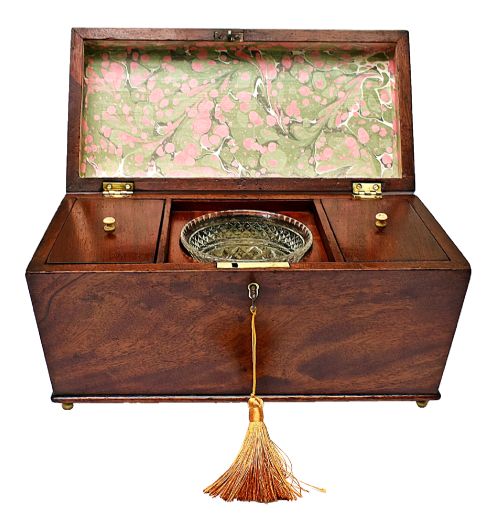
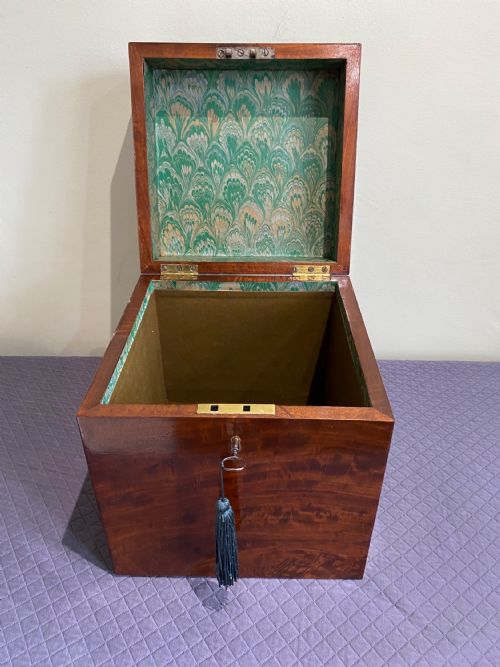
The versions most common on this page date from the Georgian, Regency and Victorian eras, executed in rich hardwoods. They often retain internal fittings such as mixing bowls, glass canisters or lidded compartments for different leaf varieties.
How they were made
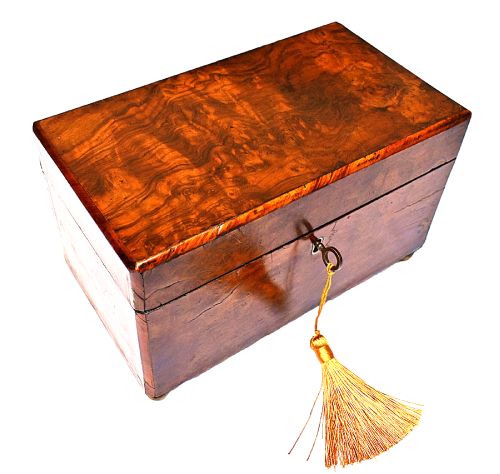
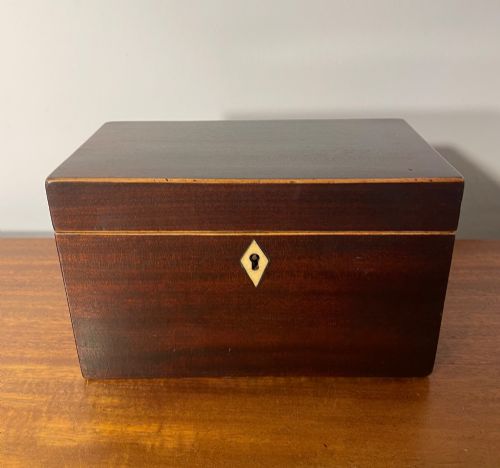
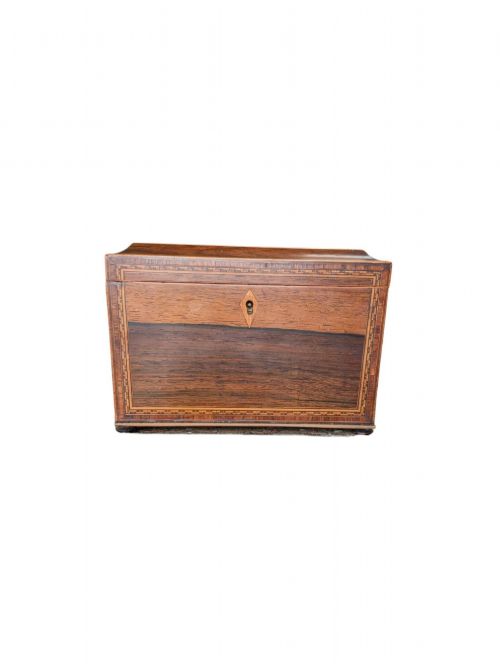
Cabinet makers built these pieces using dense hardwoods such as mahogany, rosewood, walnut and yew, frequently enhanced with burr veneers and contrasting stringing. Boxwood, bone and mother-of-pearl provided fine inlay details on geometric or floral motifs.
Joinery techniques included tight dovetailing for structural longevity and precise joint work to ensure lids sealed tightly against moisture. Metal elements like brass locks, escutcheons and hinges secured the contents.
Brown Tea Storage Retail Price Guide 2026
Typical asking prices for brown tea storage among the pieces listed under this phrase on Sellingantiques today, from the lower quarter to the upper quarter. They describe what is for sale here now, not the wider market.
Listings span the eighteenth, nineteenth and early twentieth centuries, featuring brass, bone, boxwood and rosewood.
What varies in quality
Quality rests in the selection of timber grain, where highly figured burr walnut, flame mahogany or burr yew command attention through dramatic natural patterns. Expert matching of veneers across multiple surfaces demonstrates superior workshop skill.
The inclusion of original fitted interiors, such as cut glass bowls and inner lids with functioning locks and matching keys, elevates an example. Subtle details like Tunbridge ware mosaic or delicate inlay distinguish ambitious pieces from plain utilitarian boxes.
The Brown Tea Storage Glossary
- Tea caddy
- A small box or chest designed to store loose tea leaves securely. Early examples often featured internal partitions and a lock to protect the valuable contents.
- Teapoy
- A small table standing on a central pillar with a storage box mounted on top. These pieces served tea-drinking guests in the drawing room.
- Sarcophagus form
- A box design featuring a steep, flared lid and shaped body resembling a classical stone coffin. This architectural style gained popularity during the Regency and Victorian periods.
- Stringing
- Thin inlay lines of a contrasting wood used to outline panels and drawers. It highlights the geometric lines of Georgian and Regency cabinetry.
- Tunbridge ware
- Small wooden objects decorated with mosaic patterns created from thousands of tiny coloured wood blocks. This specialty technique originated in Kent.
Brown Tea Storage: Frequently Asked Questions
What did they store inside?
These boxes held valuable imported tea leaves, which were kept under lock and key to prevent servants from pilfering them. Different compartments separated black and green teas.
Many examples included a central glass mixing bowl where the host blended leaves before brewing them in the pot.
How do I date a caddy?
Cabinet shapes and timber choices offer clear clues to the period of manufacture. Georgian boxes often display clean rectangular or octagonal lines with mahogany, while Regency pieces favour rosewood and sarcophagus profiles.
Secondary woods inside the box, hinge styles and lock mechanisms also help confirm the era of production.
Where were they placed?
Owners kept these containers in the dining room or drawing room where tea ceremonies took place. Teapoys and occasional tables stood beside seating areas for easy access during social gatherings.
Smaller boxes rested on sideboards or tables until the tea equipage was brought out for guests.
Do they still lock securely?
Many retain their original brass locks, though original keys are less common. Working mechanisms depend on the preservation of the internal bolt and the alignment of the wooden lid over time.
A specialist can often supply a replacement key if the original has been lost during centuries of use.