

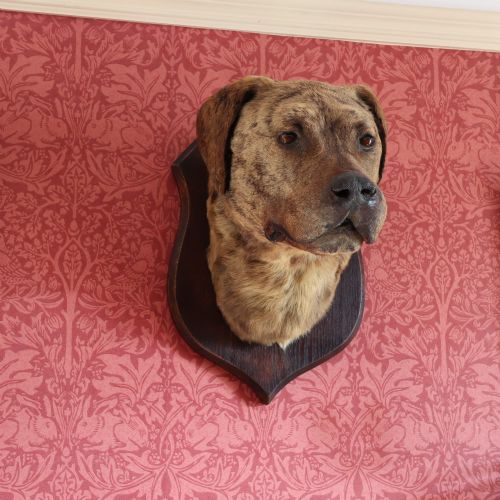
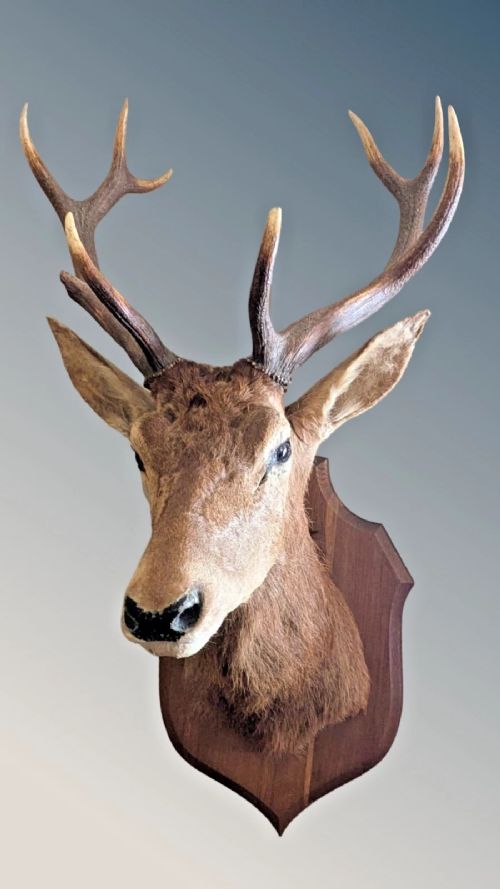
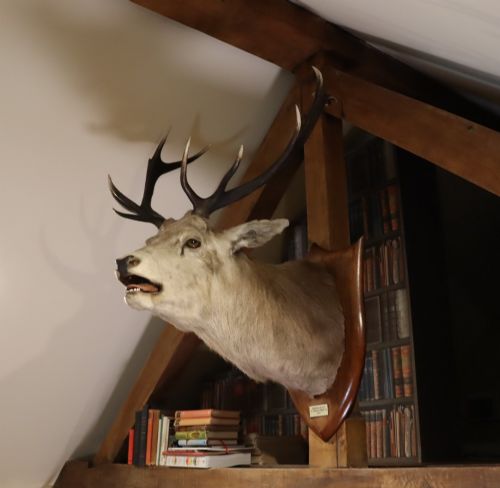
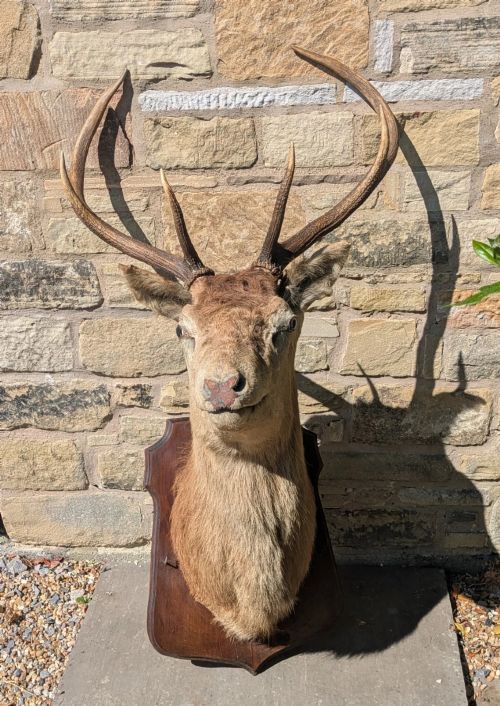



Brown Taxidermy Head
These brown taxidermy head pieces bring historic wildlife into modern interiors as striking wall mounts and sculptural trophies.
Brown Taxidermy Head
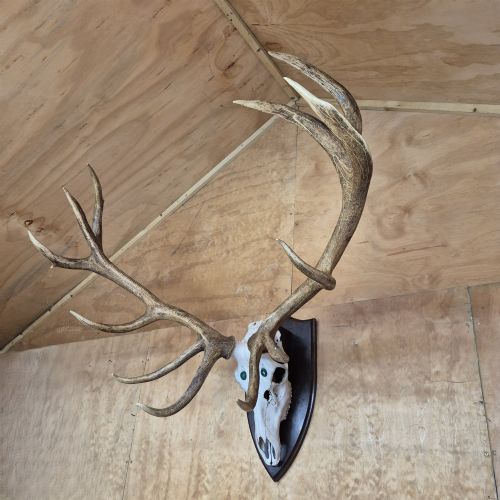
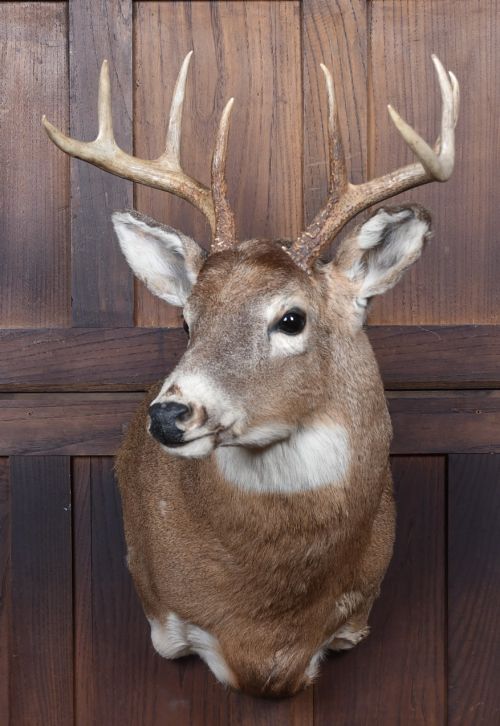
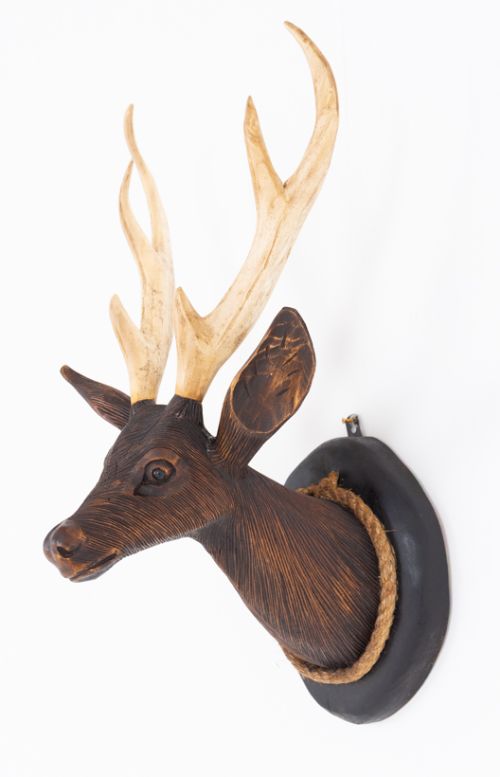
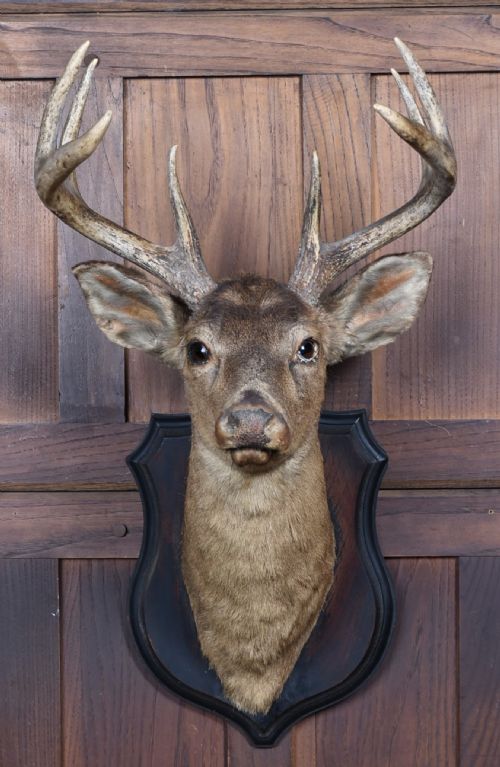
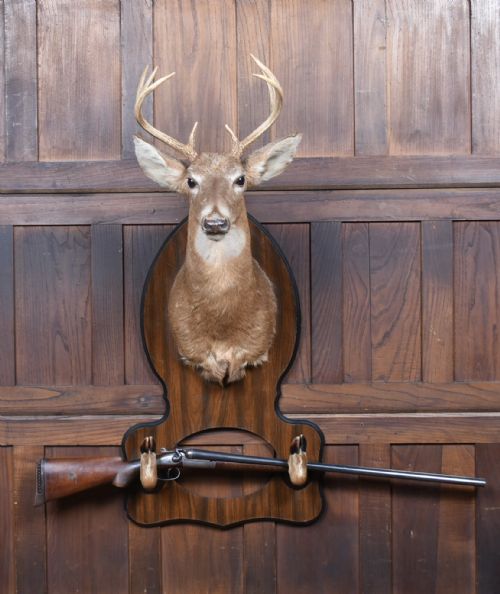
When you search for brown taxidermy head, you encounter a diverse collection of historical animal mounts, carved wooden trophies, and wall sculptures. These pieces range from substantial deer and stag heads to smaller fox and otter masks, capturing the aesthetic of traditional hunting lodges.
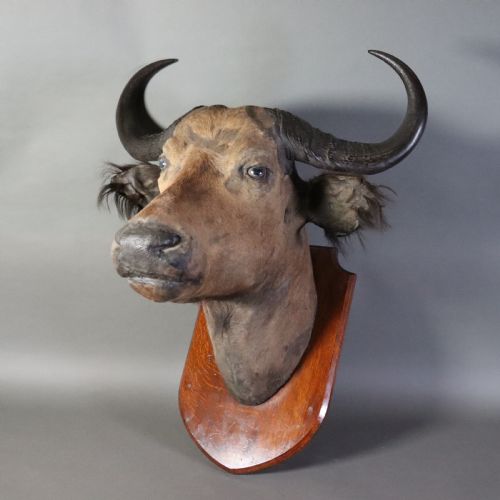
The pieces on this page span several key eras, stretching from the nineteenth century through the Edwardian period and into the twentieth century. You will frequently find red deer, white-tailed deer, and roebuck mounts, often accompanied by exotic specimens such as the Nile buffalo and waterbuck.
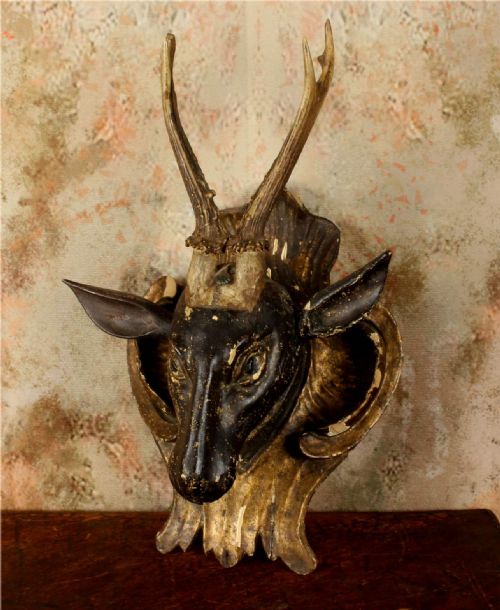
Beyond traditional taxidermy hide and natural horn, the selection includes carved wood interpretations and theatrical props reflecting folk art and Black Forest traditions. These wall decor items serve as historical artefacts of interior design, bridging natural history and craftsmanship.
Materials and Construction
Taxidermy mounts utilise natural hide, taxidermy hide, and glass eyes fitted over anatomical forms, preserving the likeness of the animal. Antlers and horns, including ram's horns and red deer antlers, attach securely to traditional wooden shields made from oak or other native timbers.
Brown Taxidermy Head Retail Price Guide 2026
Typical asking prices for brown taxidermy head among the pieces listed under this phrase on Sellingantiques today, from the lower quarter to the upper quarter. They describe what is for sale here now, not the wider market.
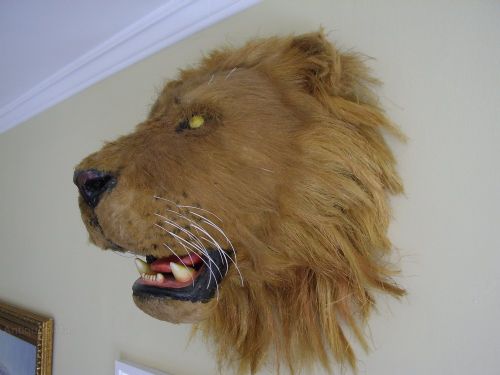
One unexpected film set prop offers a faux lion's head for theatrical drama.
Judging Quality and Execution
The distinction between average and exceptional pieces rests upon the anatomical accuracy and the lifelike expression achieved by the taxidermist or wood carver. Master practitioners captured the alertness and muscle tension of the living animal, whereas lesser examples appear rigid or disproportionate.
The quality of the supporting wooden shield and the symmetry of the antlers or horns significantly influence the overall presence of the mount. Well-preserved hides, secure taxidermy work, and documented provenance from established firms elevate individual pieces above standard decorative items.
Peter Spicer & Sons·Edward Gerrard & Sons·Gerrard & Sons London·P. Spicer & Sons
The Brown Taxidermy Head Glossary
- Taxidermy mount
- The preserved skin of an animal stretched over a manufactured form to create a realistic display. These objects were traditionally hung as wall decor in hunting lodges and domestic rooms.
- Black Forest style
- A decorative carving tradition originating in central Europe known for highly detailed wooden animal sculptures and furniture. Pieces in this style often incorporate realistic foliage and naturalistic animal heads.
- Folk art
- Utilitarian or decorative items created by self-taught or traditional craftsmen using local materials. Painted wooden deer and carved trophies often fall into this expressive category.
- Shield
- The shaped wooden plaque, frequently carved from oak, upon which antlers, horns, or mammalian heads are mounted for wall display. It provides structural support and visual framing for the trophy.
- Mask
- A taxidermy mount depicting only the head and neck of a smaller animal, such as a fox or otter. These compact trophies were mounted on wooden shields to record specific hunts.
Brown Taxidermy Head: Frequently Asked Questions
What periods do these taxidermy mounts come from?
The listings include pieces from the nineteenth century, the Victorian era, and the Edwardian period, alongside items created through the 1920s and 1930s. Some decorative folk art items and theatrical props extend into later twentieth-century production.
Stylistic details and mounting techniques help identify the era of manufacture. Oak shields and taxidermy methods shifted from Victorian grandeur to simpler twentieth-century lodge aesthetics over time.
How do I care for antique taxidermy hide?
Maintain the condition of natural hide and fur by keeping mounts away from direct sunlight and excessive humidity. Gentle dusting with a soft brush prevents the accumulation of particles without damaging the fibres.
Avoid using liquid cleaners or chemical sprays on taxidermy hide or glass eyes. Stable room temperatures protect both the organic skin and the underlying wooden structures from cracking.
What is the difference between taxidermy and carved wooden trophies?
Taxidermy involves the preserved skin and natural hide of an actual animal fitted over a constructed form with glass eyes. These pieces aim for direct biological realism using natural materials.
Carved wooden trophies are sculptural representations shaped entirely from timber by artisans. Folk art and Black Forest pieces utilise woodworking techniques to replicate the appearance of real antlers and heads.