

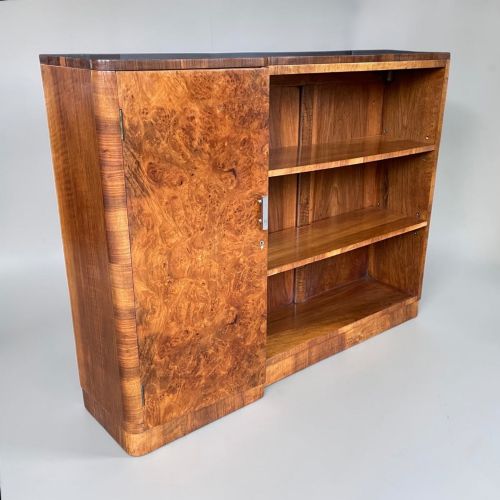
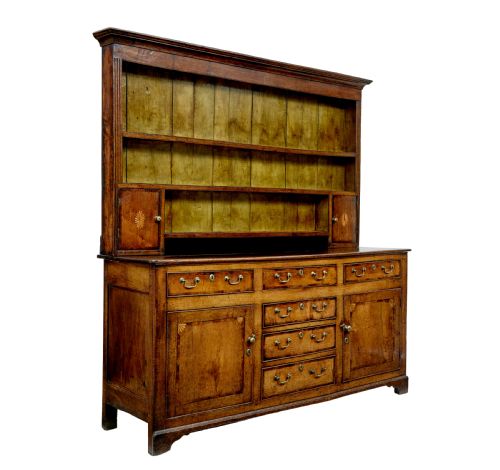
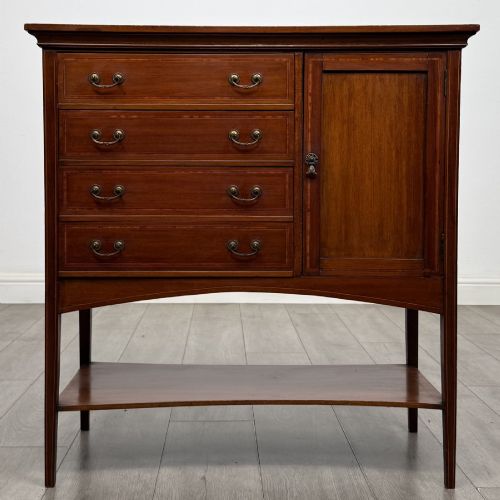
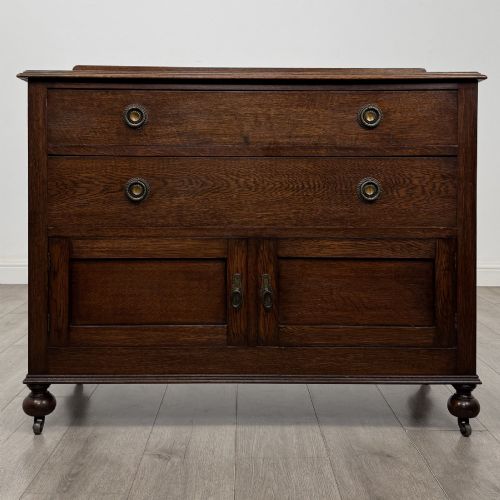
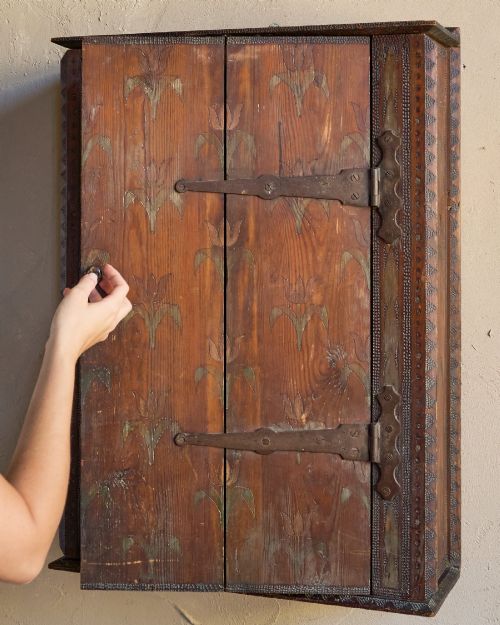
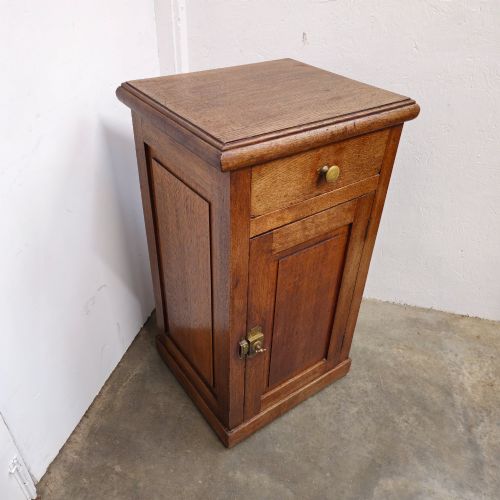
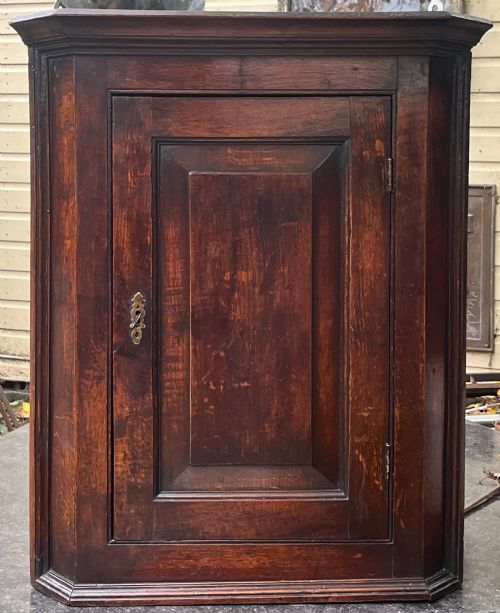
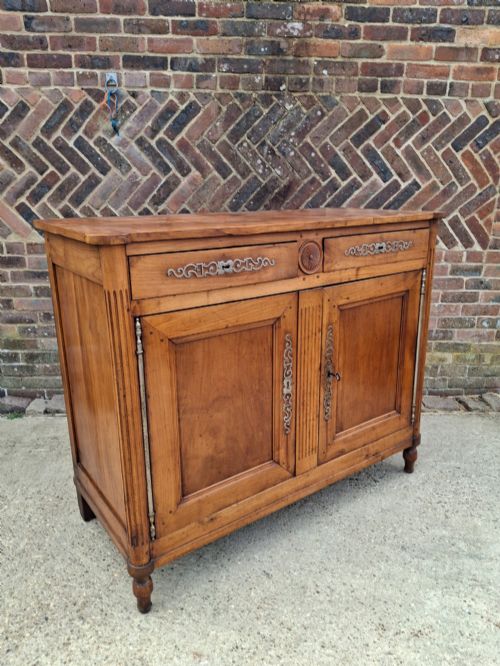
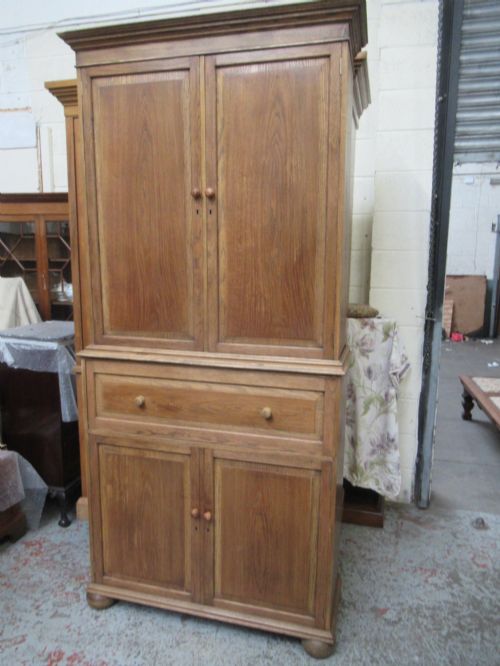
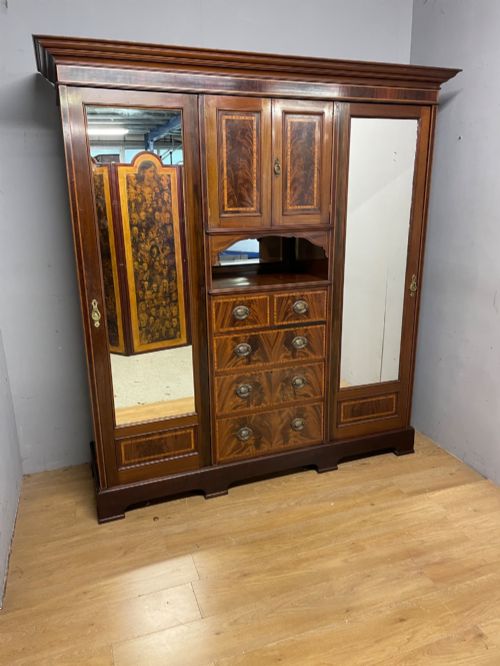
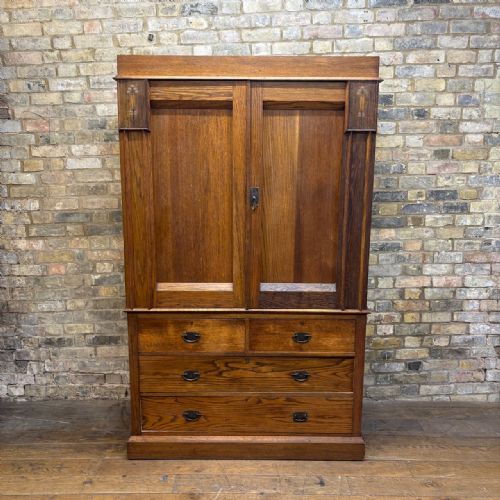
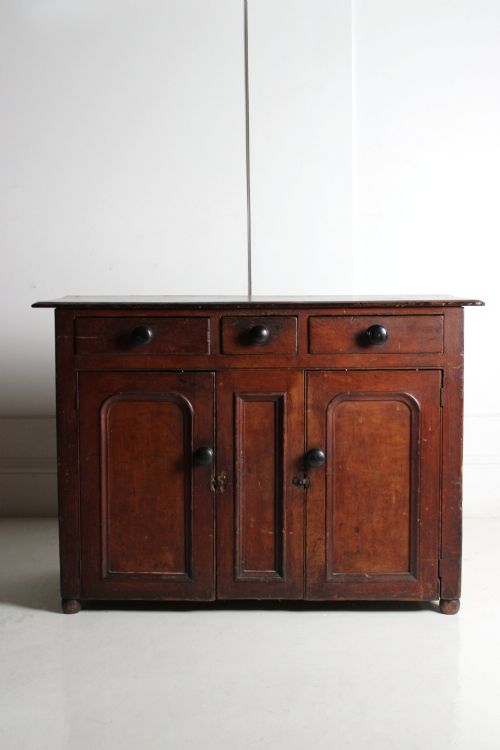
Brown Storage Cupboard
A brown storage cupboard provides practical containment and warmth, spanning oak, mahogany, and walnut across Georgian, Victorian, and Edwardian periods.
Brown Storage Cupboard
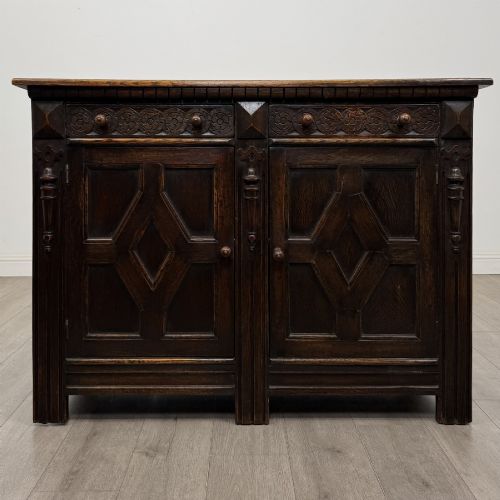
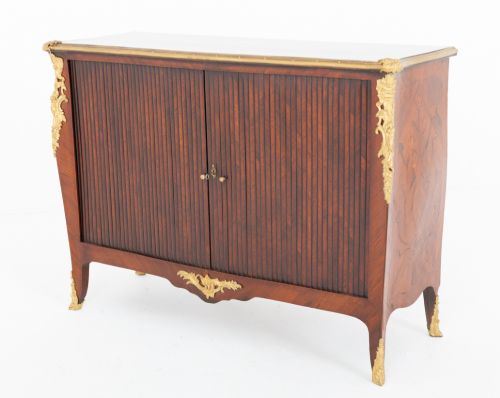
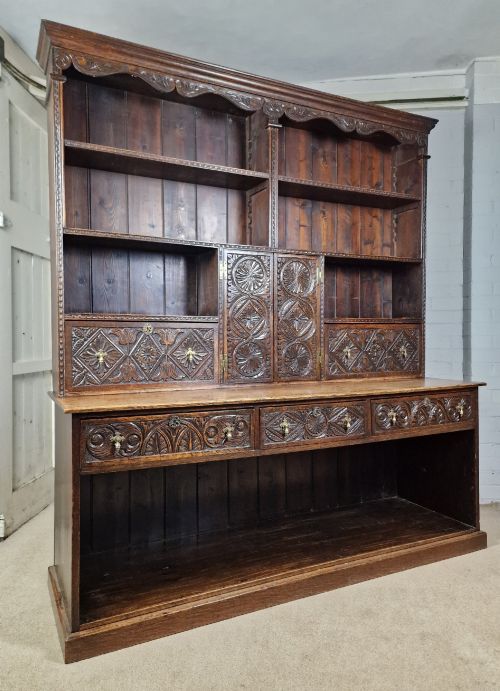
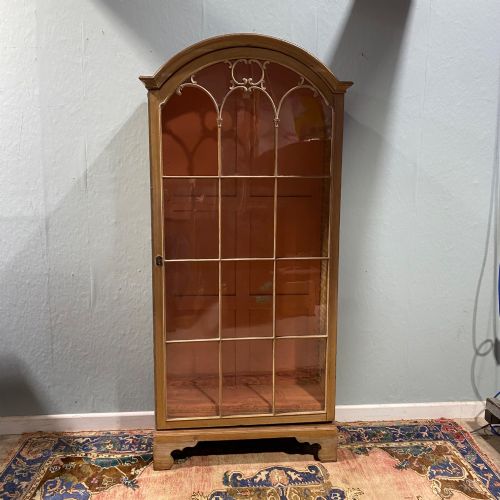
A brown storage cupboard encompasses a diverse group of domestic timber furniture designed for utility and concealment, ranging from small hanging corner cupboards to large wardrobes and sideboards. When searching for a brown storage cupboard, buyers encounter pieces intended for holding provisions, clothing, or tableware, shaped by centuries of changing household needs.
The versions most frequently met on this page span the 18th, 19th, and early 20th centuries, executed predominantly in oak, mahogany, and walnut. These domestic staples emerge from periods such as the Georgian, Victorian, and Edwardian eras, as well as the 1920s, reflecting both utilitarian function and prevailing decorative tastes.
Makers designed these brown storage cupboards for specific domestic spaces, yielding corner cabinets, bedside commodes, chiffoniers, and music cabinets. The selection unites diverse forms through timber construction and enclosed storage, offering functional utility grounded in historical craftsmanship.
Materials and Construction
Cabinet makers built these brown storage cupboards using robust timbers such as oak, mahogany, walnut, and burr walnut, frequently incorporating brass hardware, glass panels, and iron fittings. Carpenters selected woods for their grain and durability, employing solid planks for heavy-use items and decorative veneers for refined parlour furniture.
Construction techniques visible across the pieces include fielded panel doors, baluster turned legs, bracket feet, and satinwood inlay. Workshops utilised traditional joinery to house shelves, drawers, and fitted compartments, ensuring structural integrity alongside decorative surface detail.
Brown Storage Cupboard Retail Price Guide 2026
Typical asking prices for brown storage cupboard among the pieces listed under this phrase on Sellingantiques today, from the lower quarter to the upper quarter. They describe what is for sale here now, not the wider market.
Listings feature woods like oak, mahogany, walnut, and burr walnut, spanning periods from the 18th century through the 1920s.
Assessing Quality and Execution
The distinction between standard utility items and finer examples rests upon the selection of timber figures, such as figured mahogany or burr walnut, and the precision of details like satinwood inlay and carved pillar panels. Superior pieces demonstrate deliberate harmony in proportions, whether executed as a small hanging corner cupboard or a larger wardrobe.
Refinement in execution appears in the handling of panel work, such as cleanly fitted drawers, neatly turned legs, and well-balanced door alignments. Better examples maintain architectural integrity through thoughtful joinery, whereas simpler items rely on plain plank construction to serve straightforward domestic functions.
The Brown Storage Cupboard Glossary
- Chiffonier
- A low sideboard or cabinet featuring shelves and cupboards, popular during the 19th century for storing dining silver and linens.
- Commode
- A low cabinet or chest of drawers, often containing a cupboard space, frequently used beside a bed in Georgian and Victorian interiors.
- Fielded Panel
- A wooden panel with bevelled or recessed edges set within a heavier frame, commonly used on cupboard doors to allow wood movement.
- Bracket Feet
- A simple foot shape formed by two pieces of wood joined at a right angle, supporting the base corners of cabinets and chests.
- Music Cabinet
- A specialised upright cabinet fitted with internal shelves or drawers specifically designed to hold sheet music and scores.
Brown Storage Cupboard: Frequently Asked Questions
What is a brown storage cupboard used for?
These cupboards serve as enclosed storage for household items, clothing, or tableware, keeping spaces tidy while displaying timber grain.
Historically, specific forms were designated for corner placement, bedside use, or drinks storage within the home.
How do I identify a Georgian cupboard?
Georgian pieces often feature dense mahogany or oak, classic proportions, bracket feet, and occasionally bow fronts with subtle inlaid stringing.
They emphasise structural symmetry and understated elegance rather than heavy Victorian carving or Edwardian revival styling.
Where should I place a corner cupboard?
Corner cupboards fit neatly into unused room junctions, transforming dead angles into functional display or storage space.
Wall-hanging versions suit smaller kitchens or dining rooms, while floor-standing variants anchor larger reception rooms.
How do I care for antique timber cupboards?
Maintain stable indoor humidity levels and avoid placing wooden cupboards in direct sunlight or near direct heat sources.
Apply traditional wax polish occasionally to nourish the wood and preserve the natural patina of the antique surface.