

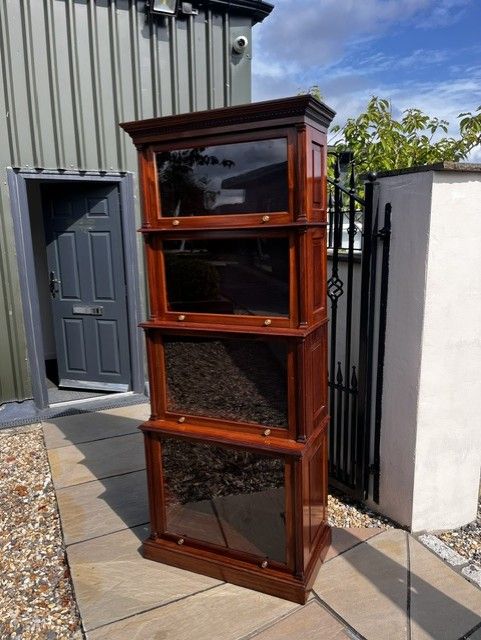
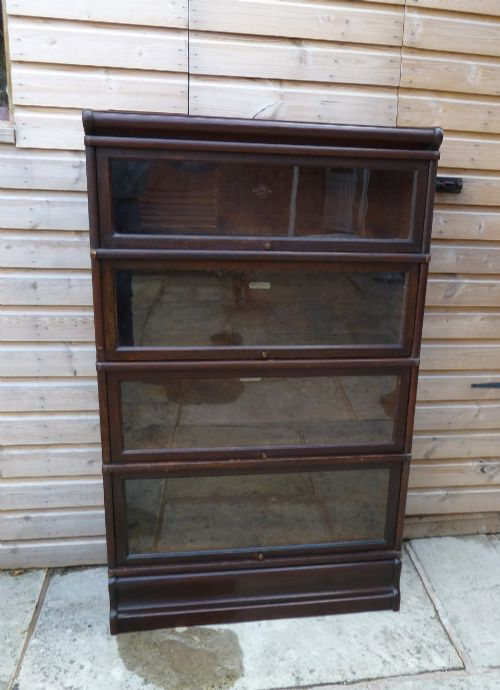
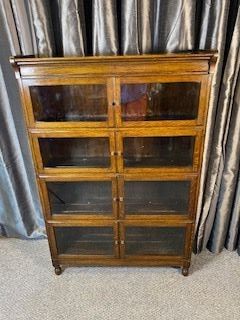

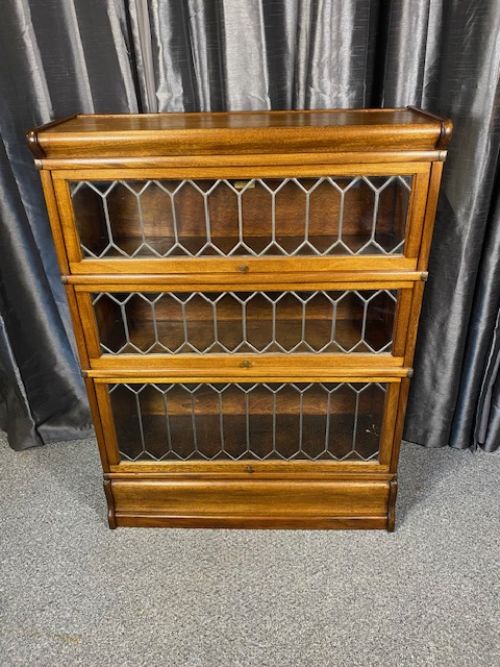


Brown Stacking Bookcase
These brown stacking bookcase designs offer modular practicality in oak, mahogany, and walnut, bringing adaptable display space to any room.
Brown Stacking Bookcase
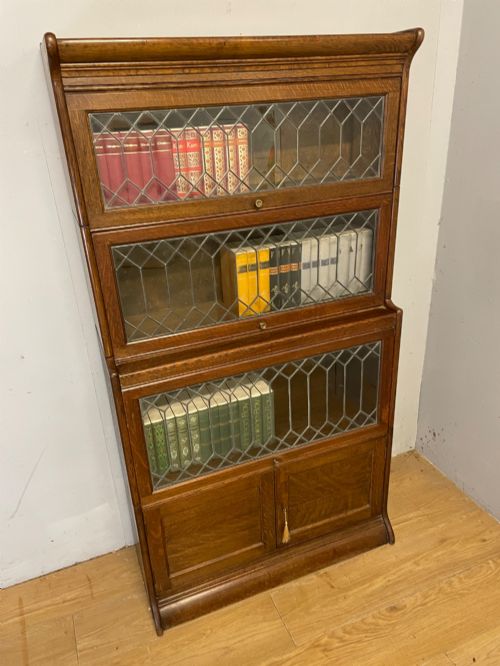
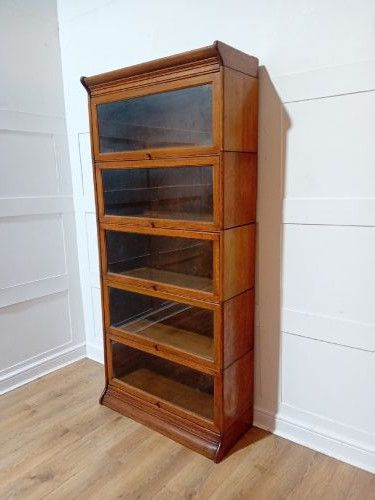
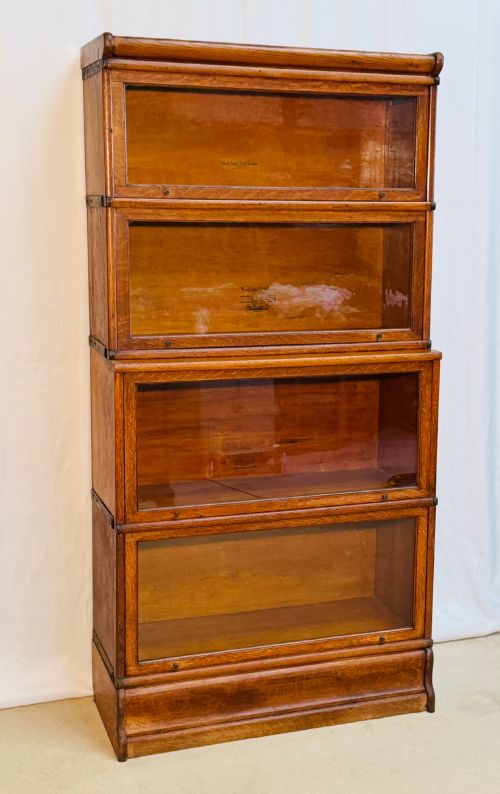
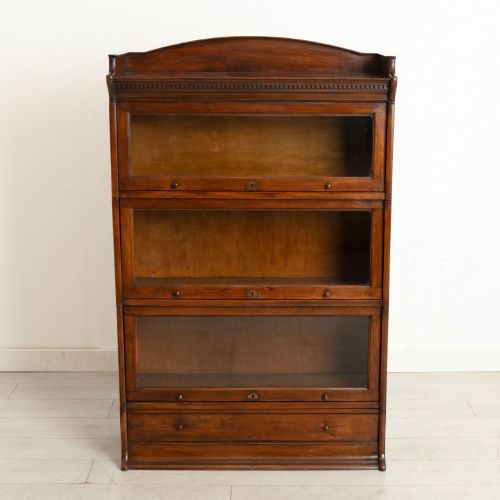
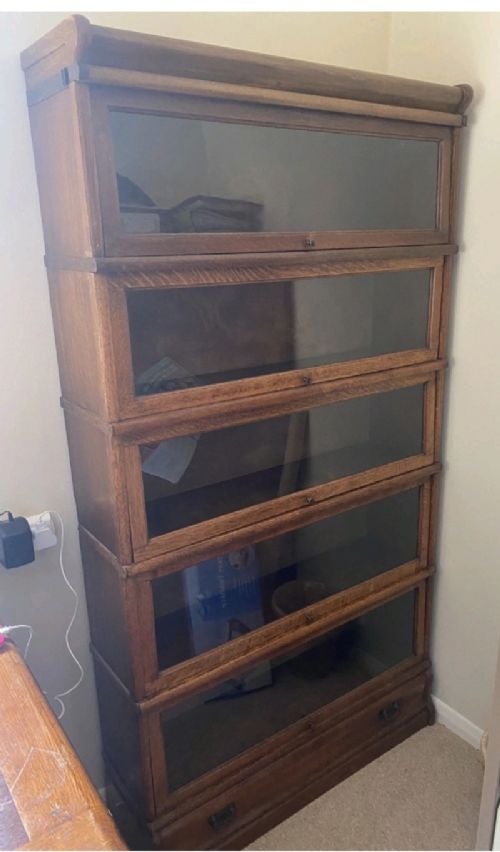
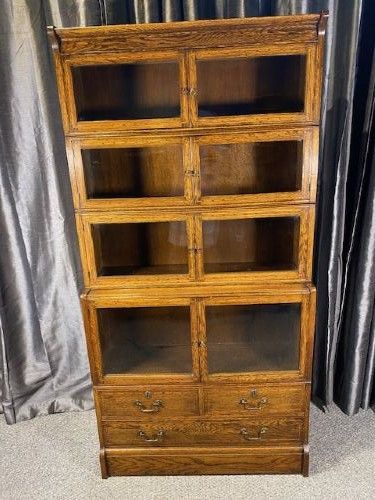
A brown stacking bookcase consists of multiple modular sections that sit one upon the other, creating a tall cabinet for organising volumes. These pieces appear primarily in oak, mahogany, and walnut from the early twentieth century, spanning Edwardian, Arts and Crafts, and Art Deco styles.
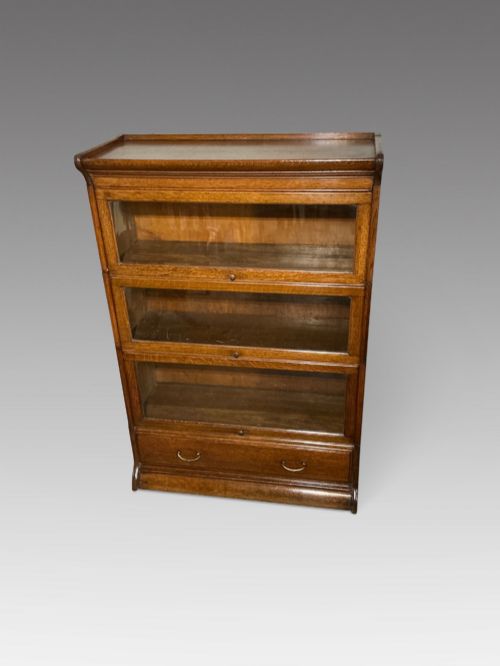
The most common version met on this page is the oak Globe-Wernicke or Lebus sectional bookcase, featuring glazed lifting doors. Such items often include a drawer at the base, combining flexible tier heights with enclosed storage.
Buyers seek these modular brown stacking bookcase formats to house libraries while maintaining the ability to separate the tiers for transport or reconfiguration. The design reflects an era of efficient office and domestic furnishing.
Materials and construction
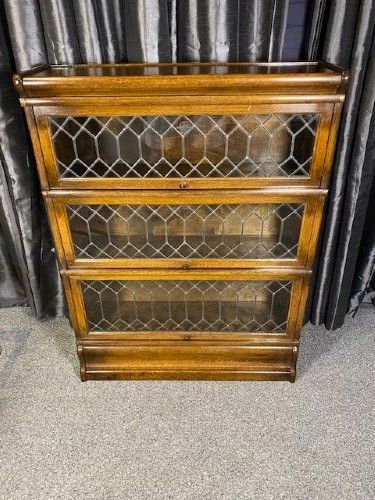
Makers utilised solid timber and veneers, predominantly oak, mahogany, and walnut, paired with glass panes secured by brass or metal fittings. Lead is also found framing the glass in specific sectional configurations.
The sectional engineering relies on interlocking carcases that stack securely without permanent fixings, housing horizontal pins or metal arms to allow the glazed doors to lift and slide inside.
Brown Stacking Bookcase Retail Price Guide 2026
Typical asking prices for brown stacking bookcase among the pieces listed under this phrase on Sellingantiques today, from the lower quarter to the upper quarter. They describe what is for sale here now, not the wider market.
Listings feature pieces spanning from 1900 through the Edwardian era and the 1930s Art Deco period.
Judging the quality
Superior examples of a brown stacking bookcase display refined timber selection, such as figured mahogany or quarter-sawn oak with distinct grain patterns. Cabinetmaker execution appears in the smooth operation of the lifting mechanism and closely fitted joints between tiers.
Globe Wernicke·Lebus·Minty
The Brown Stacking Bookcase Glossary
- Sectional bookcase
- A piece built from individual modular tiers stacked vertically. This modular construction allows the cabinet to be dismantled easily.
- Globe-Wernicke system
- A patented stacking bookcase design utilising a mechanism that guides the glazed door upward into the cabinet. It became the industry standard for sectional library furniture.
- Barrister bookcase
- A portable stacking bookcase traditionally used by travelling lawyers. The enclosed glazed tiers protected legal volumes during transport.
- Leaded glass
- Small panes of glass joined together by lead cames. This technique creates decorative geometric patterns across the bookcase doors.
Brown Stacking Bookcase: Frequently Asked Questions
How do the stacking sections separate?
Each tier lifts away from the one beneath it once the top cornice and upper sections are removed. The modular design relies on gravity and simple interlocking lips rather than screws.
This construction allows owners to reconfigure the height of the bookcase or move the cabinet in manageable parts.
Can these hold heavy books?
The solid oak and mahogany carcases provide robust support for standard volumes and heavy reference books. The internal wooden bases of each section are built to bear significant weight.
Heavier folios sit best in the deeper bottom tiers where the base drawer often provides additional structural stability.
How do I date a sectional bookcase?
Dating relies on stylistic clues, materials, and maker marks stamped inside the sections. Edwardian and early twentieth-century models frequently feature oak construction with brass hardware.
Later iterations from the Art Deco period display more streamlined geometry and distinct wood grain selections.
How do the glass doors operate?
The glazed doors lift outward and slide into the recess above the books on a metal or pin mechanism. This motion keeps the door out of the way while accessing the shelf.
Smooth operation depends on the alignment of the stacking tiers remaining level on the floor.