





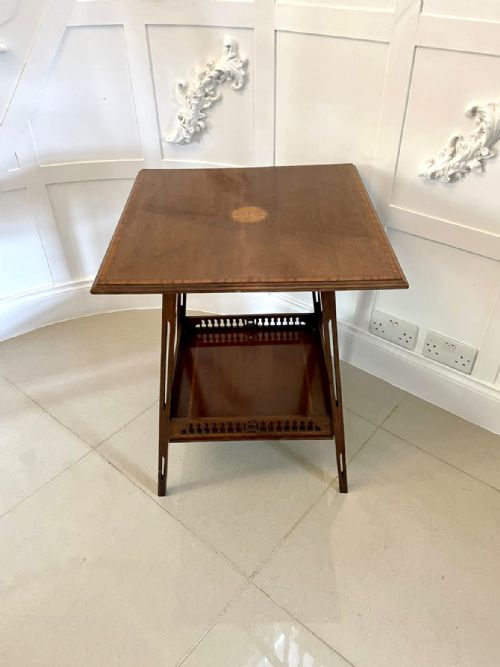


Brown Square Coffee Table
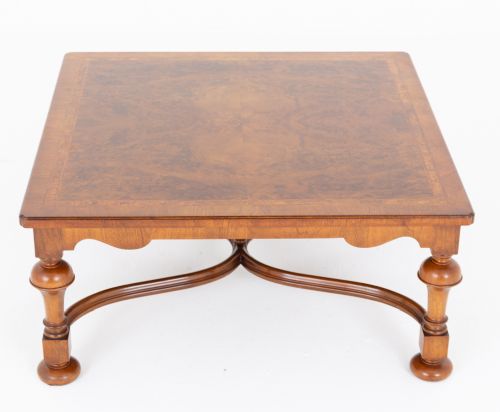
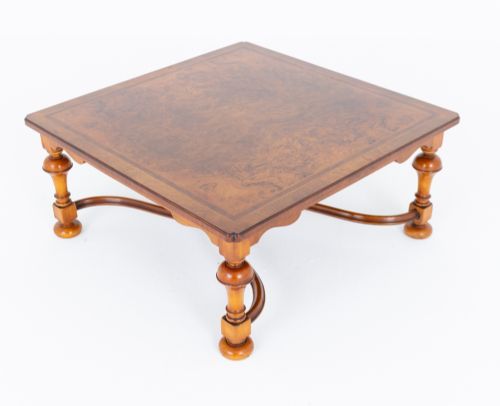
A brown square coffee table grounds a room with geometric balance and warm timber tones, offering practical surface space rooted in historic craft.
Brown Square Coffee Table
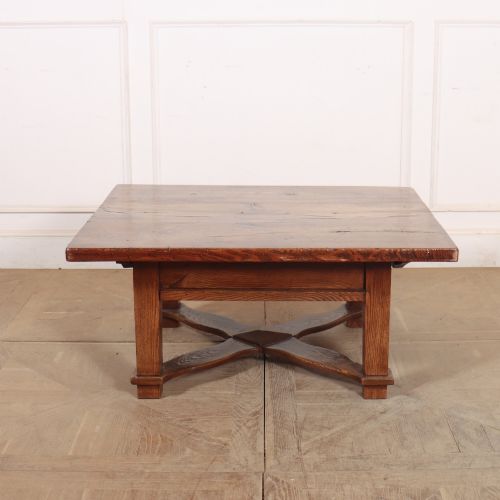
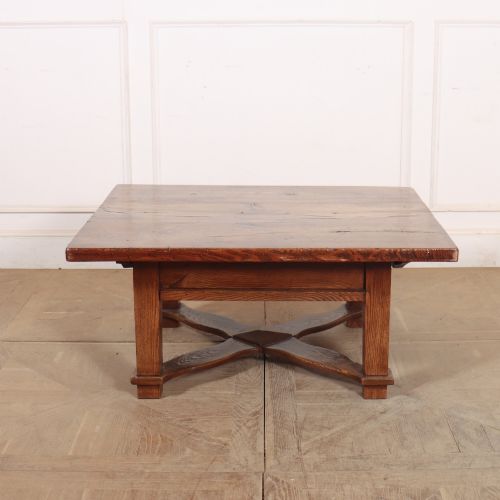
A brown square coffee table bridges the gap between historical craftsmanship and everyday modern utility, drawing from diverse periods such as the eighteenth, nineteenth, and early twentieth centuries. These pieces encompass various forms including low occasional tables, adapted side tables, and sturdy country iterations built to anchor a seating arrangement.
Buyers browsing this selection will encounter walnut, mahogany, elm, and oak examples reflecting design movements from Art Deco and Arts and Crafts to Carolean revival and rustic country traditions. Proportions vary from compact pedestal designs to expansive low tables featuring caned tops, parquetry, or highly figured veneers.
The materials and styles span centuries of domestic furniture production, showing how formal dining and parlour pieces adapt into functional low tables for contemporary living spaces. Each item carries the distinct patina of its primary timber, whether finished with rich burr walnut or robust fruit wood.
Materials and construction methods
Cabinetmakers utilised dense hardwoods like mahogany and walnut, frequently applying intricate veneers such as burr walnut or decorative parquetry to flat surfaces to create striking visual depth. Solid timbers like elm, oak, and fruit wood provided structural integrity for country and rustic pieces designed for heavy daily use.
Surface treatments and secondary elements incorporated brass hardware, stitched leather upholstery for ottoman hybrids, and intricate cane work woven into wooden frames. Joinery relied on traditional framing and pegging techniques suited to the particular working properties of each hardwood.
Brown Square Coffee Table Retail Price Guide 2026
Typical asking prices for brown square coffee table among the pieces listed under this phrase on Sellingantiques today, from the lower quarter to the upper quarter. They describe what is for sale here now, not the wider market.
Materials span walnut, mahogany, elm, oak, fruit wood, leather, and brass across eight distinct periods from the eighteenth to the twentieth century.
Distinguishing quality and execution
The standard of a brown square coffee table rests upon the selection of timber figure, the precision of the veneer work, and the integrity of the underlying joinery. Highly figured grain patterns and careful parquetry demonstrate superior material choice by the original maker.
Proportional harmony and the retention of original surface patination distinguish finer examples from standard utility pieces. Structural soundness in the legs and frame ensures the table handles weight evenly across its square top.
The Brown Square Coffee Table Glossary
- Parquetry
- A geometric mosaic of wood pieces used for decorative surfaces on tables and floors. It creates intricate patterns across the top using contrasting timber tones.
- Burr Walnut
- A prized wood veneer harvested from the wart-like growths on walnut trees. This material yields swirling, highly decorative grain patterns.
- Caned Top
- A seating or table surface woven from split rattan or cane in a mesh pattern. This technique adds textural lightness to sturdy wooden frames.
- Occasional Table
- A small, movable table designed for specific, intermittent use within a room. These pieces provide convenient surface space without dominating the floor plan.
Brown Square Coffee Table: Frequently Asked Questions
How do I style a square coffee table?
Balance the sharp geometry of the table by arranging objects in asymmetric groupings, such as a stack of books alongside a ceramic bowl. Leave sufficient clear surface area to maintain the utility of the timber top.
Integrate varied heights and textures using materials like brass, glass, or leather to complement the rich tones of walnut, mahogany, or oak beneath.
Are these tables originally low?
Many older pieces began life as taller occasional tables, side tables, or stools before being professionally adapted to standard coffee table height. This conversion process preserves historic craftsmanship while meeting modern seating layouts.
Purpose-built low tables from later periods like the Art Deco era were designed specifically for low seating arrangements from the outset.
How do I care for antique timber?
Protect the wood from direct sunlight and extreme temperature fluctuations to prevent the timber and delicate veneers from drying out or splitting. Dust regularly with a soft, dry cloth and apply a quality wax periodically to nourish the surface.
Avoid placing damp items directly onto the wood by using coasters, which preserves the original polish and patina of walnut and mahogany.