



Brown Rosewood Writing Desk
A brown rosewood writing desk brings rich grain and practical surface area into a study, most commonly seen in Victorian and Regency forms.
Brown Rosewood Writing Desk
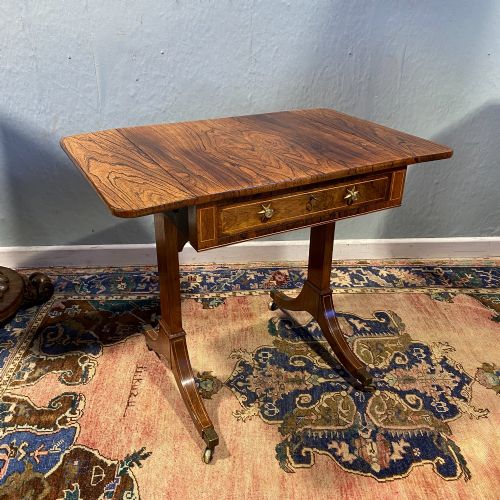
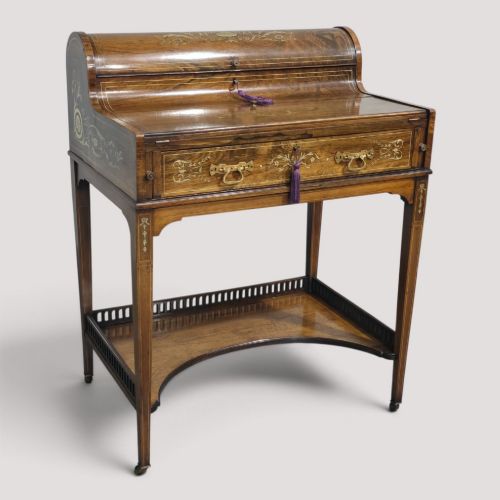
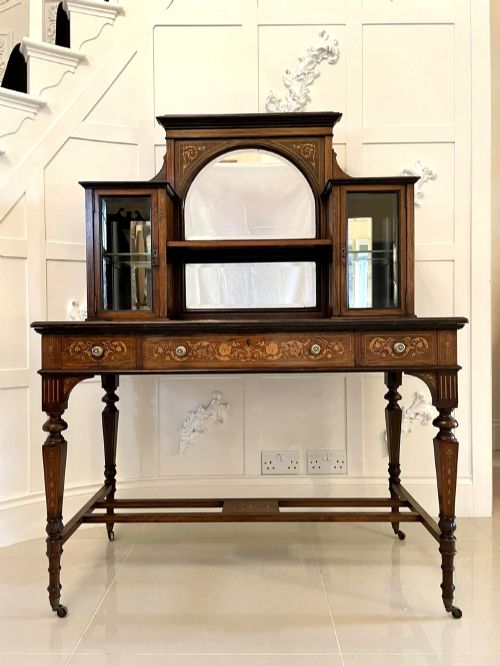
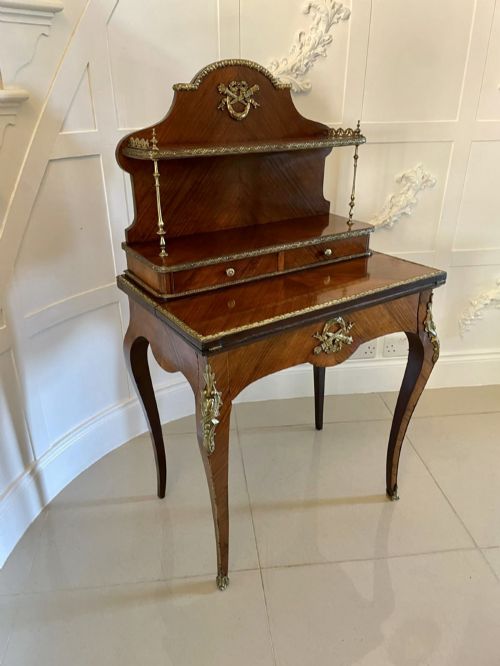
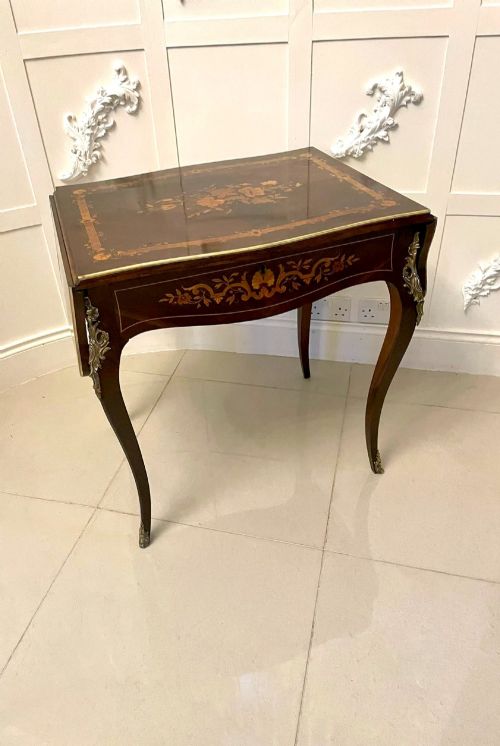
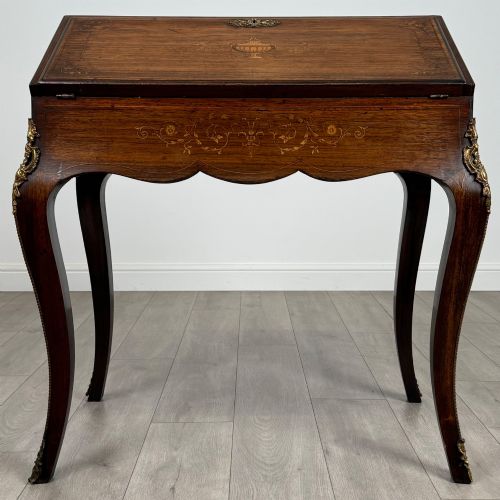
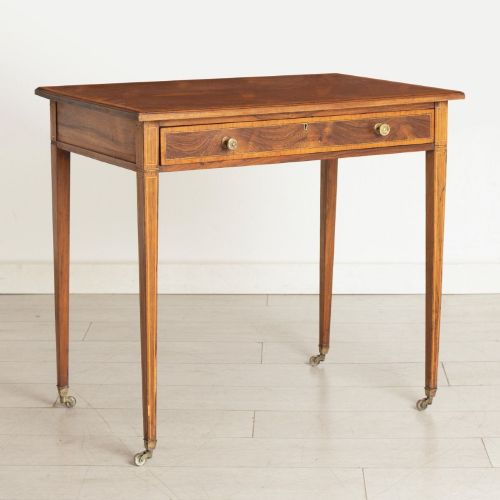
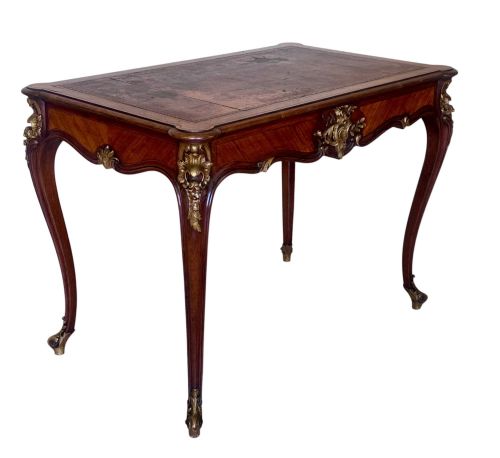
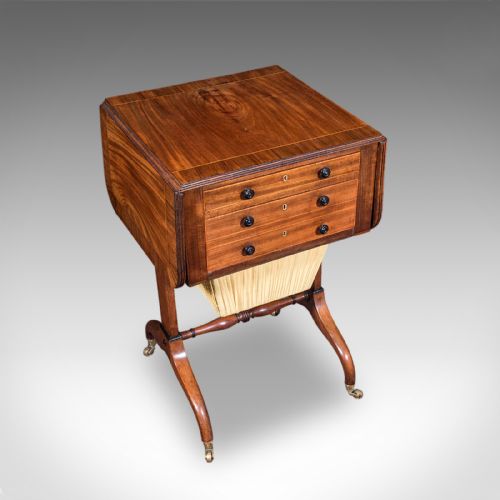
A brown rosewood writing desk is a dedicated piece for correspondence and paperwork, appearing primarily in Victorian and Regency iterations across these listings. Forms range from compact Davenport desks and bureau de dame examples to larger freestanding writing tables and sofa tables.
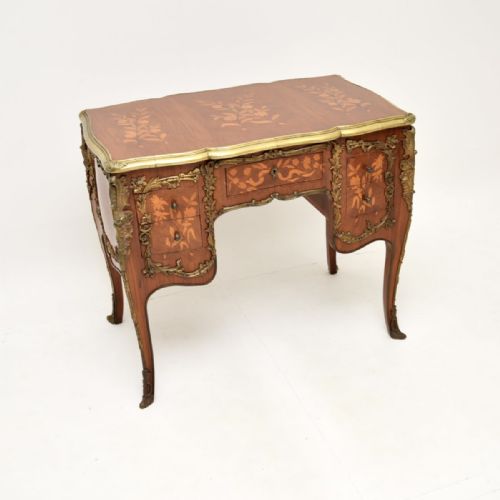
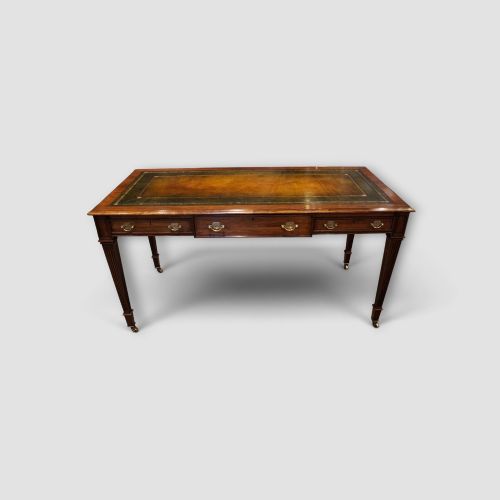
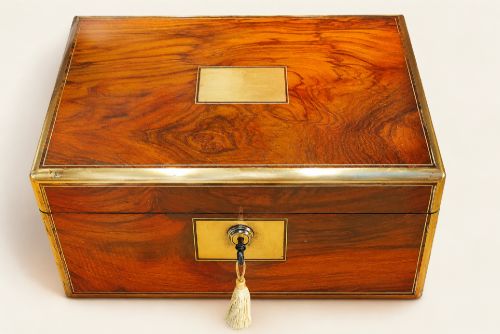
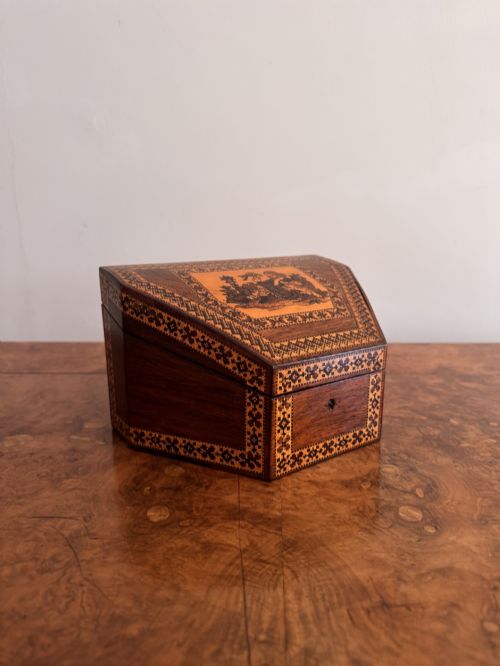
Buyers will frequently encounter pieces incorporating brass mounts, marquetry inlay, and fitted leather writing surfaces. The selection spans the eighteenth century through to the early twentieth century, with nineteenth-century examples dominating the available choices.
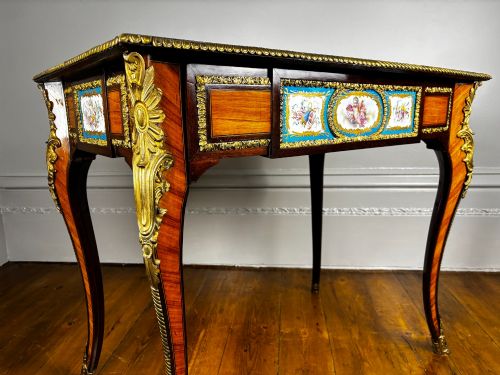
Origin points include English workshops alongside continental French makers, showing diverse regional interpretations of the writing desk form. Pieces often double as library tables or side tables, adapting to various domestic interiors.
How they were made
Makers utilised solid rosewood and applied veneers over secondary timbers to achieve deep, figured grain patterns on flat and curved surfaces. Brass inlay and ormolu mounts were integrated into the woodwork to accent structural lines and drawer fronts.
Marquetry decoration involved meticulous cutting of contrasting woods and fruitwood to create floral and geometric motifs across the desktop and panels. Leather inserts were tooled and fitted directly into the writing surfaces of tables and davenports.
Brown Rosewood Writing Desk Retail Price Guide 2026
Typical asking prices for brown rosewood writing desk among the pieces listed under this phrase on Sellingantiques today, from the lower quarter to the upper quarter. They describe what is for sale here now, not the wider market.
Listings feature rosewood, mahogany, fruitwood, and kingwood alongside brass, glass, and leather elements.
What varies in quality
The refinement of the rosewood grain and the crispness of the marquetry inlay set superior examples apart from simpler utilitarian pieces. Finely cast ormolu mounts and precise brass stringing demonstrate greater workshop skill than stamped or poorly fitted metalwork.
Structural integrity relies on the quality of the internal drawer construction and the stability of the writing surface. Well-preserved original leather panels and smooth mechanical actions for pop-up compartments indicate careful historical maintenance.
CH. Jeanselme and Co·Maurice Dufrêne·Gillows
The Brown Rosewood Writing Desk Glossary
- Rosewood
- A dense, heavily figured timber valued for its deep dark brown colour and distinct grain. It takes a high polish and forms the primary exterior material for these desks.
- Bureau de Dame
- A ladies writing desk, often featuring a sloping lid or a superstructure with small drawers and pigeonholes. These pieces frequently display detailed marquetry inlay.
- Davenport
- A compact desk featuring a sloping, leather-lined writing top above a pedestal of drawers. Many variants include side drawers and stationery compartments.
- Ormolu
- Gilded bronze used for decorative mounts, feet, and gallery rails. It adds metallic contrast to the dark rosewood surfaces.
- Marquetry
- The art of applying pieces of veneer to a structure to form decorative patterns and pictures. It appears frequently on Victorian and French revival pieces.
Brown Rosewood Writing Desk: Frequently Asked Questions
What is a bureau de dame?
A bureau de dame is a small ladies writing desk designed for personal correspondence and light paperwork. These pieces often feature fitted interior compartments and delicate marquetry decoration.
They emerged as fashionable domestic furniture during the nineteenth century, combining utility with decorative presence in a parlour or bedroom setting.
How do I identify a Regency desk?
Regency desks typically display classical proportions, dark rosewood timbers, and precise brass inlay or stringing. They often incorporate sabre legs or pillar supports reflecting early nineteenth-century design.
These pieces prioritise clean architectural lines and refined brass mounts over the heavy carving seen in later periods.
Where were davenport desks used?
Davenport desks served as space-saving writing stations in domestic libraries, drawing rooms, and bedrooms. Their compact footprint provided a dedicated writing surface without dominating a room.
The stacked drawer pedestal and sloping top offered built-in storage for stationery and correspondence.
What is ormolu?
Ormolu refers to gilded bronze mounts applied to furniture for decorative effect. It frames corners, drawer fronts, and legs on fine French and English tables.
The golden metallic finish contrasts against the dark brown tones of the rosewood and kingwood veneers.