

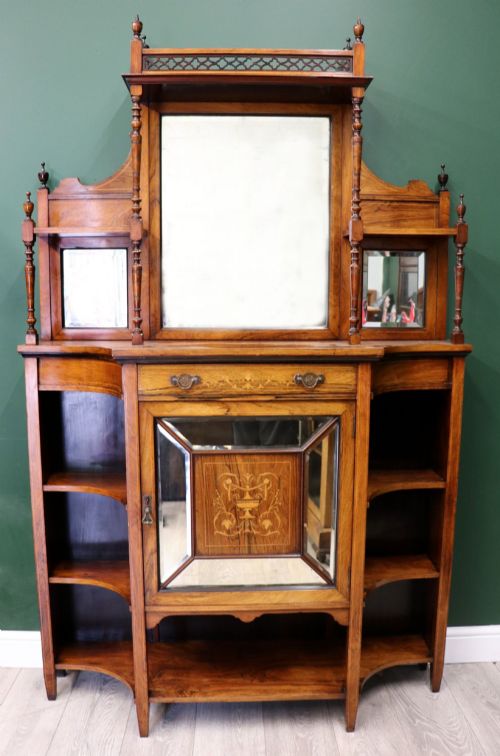
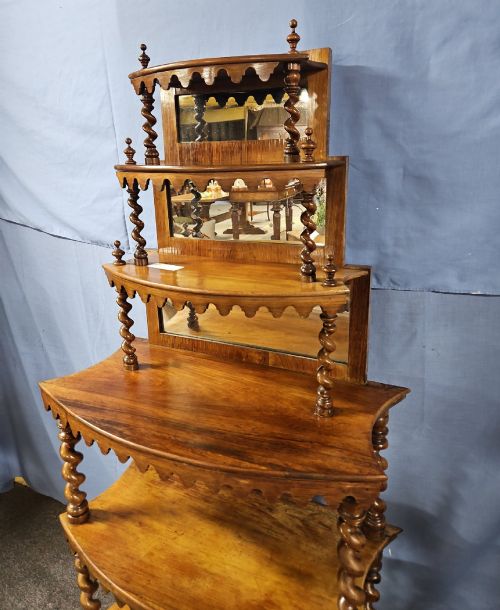


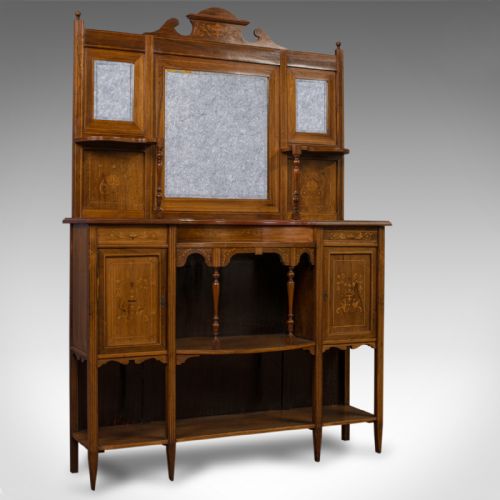


Brown Rosewood Mirror
These brown rosewood mirror pieces offer deep figuring and rich timber tones, making them a striking focal point for any traditional interior.
Brown Rosewood Mirror
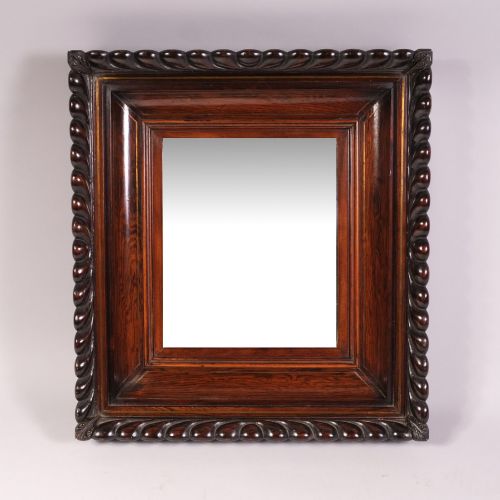
A brown rosewood mirror brings dense tropical grain and warm dark hues to domestic spaces, drawing the eye with natural lustre. When you search for a brown rosewood mirror, you encounter wall-hanging and overmantel formats spanning the Regency, Victorian, and Edwardian eras.
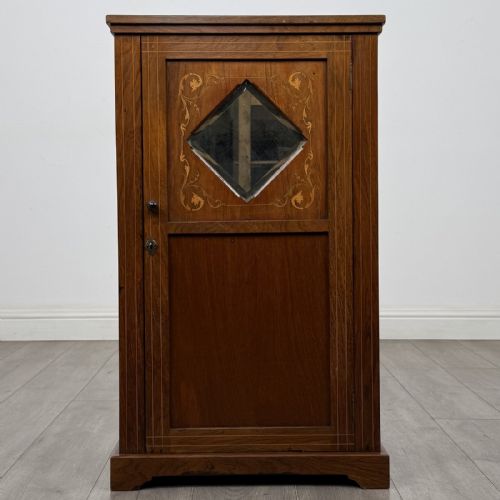
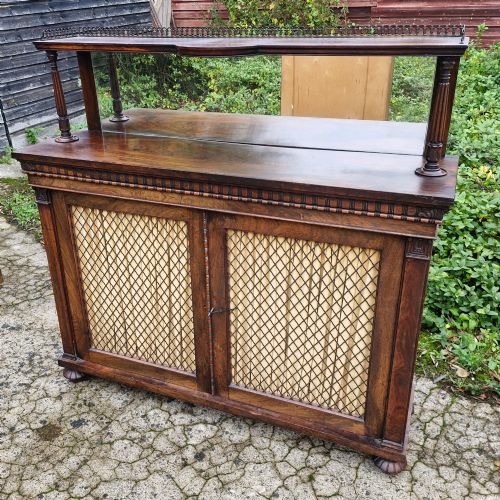
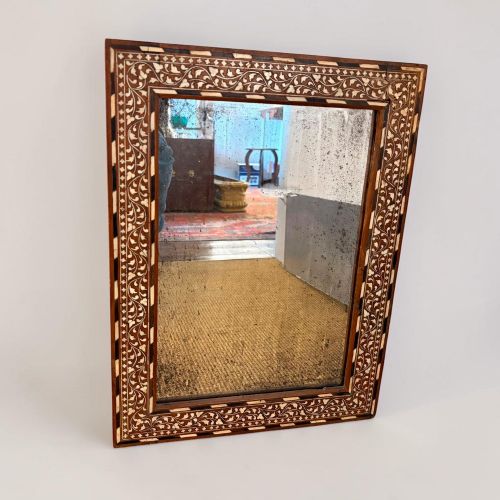
The pieces on this page range from compact hanging frames to grand Victorian overmantels, sometimes accompanied by related furniture such as writing desks, credenzas, and cabinets. Regional variants like Anglo-Indian items also appear among the selection.
Victorian and nineteenth-century examples dominate the offerings, showcasing dark timber frames that often incorporate contrasting stringing or marquetry inlay. These objects serve both functional reflection and decorative enrichment in a room.
How these items were constructed
Craftsmen utilised dense rosewood veneers applied to secondary timbers, building sturdy carcass and frame structures that endure across centuries. The natural oil content of the wood allows for a high-polished finish that highlights the characteristic dark brown grain.
Makers integrated decorative elements such as boxwood stringing, brass fittings, and intricate marquetry inlay into the timber surface. Silvered glass plates, occasionally showing age-related foxing, were then secured within the finished wooden surrounds.
Brown Rosewood Mirror Retail Price Guide 2026
Typical asking prices for brown rosewood mirror among the pieces listed under this phrase on Sellingantiques today, from the lower quarter to the upper quarter. They describe what is for sale here now, not the wider market.
Listings feature items spanning the Regency, Victorian, and Edwardian periods, constructed primarily from rosewood, mahogany, and walnut with glass and brass elements.
What separates the finest examples
Quality rests upon the depth of the rosewood figuring and the precision of any inlaid boxwood or marquetry details. Finer pieces demonstrate careful timber selection, where the grain pattern flows harmoniously across the frame without clumsy joins.
The sophistication of the timber preparation and the retention of original glass plates influence the standing of an object. Superior examples maintain crisp mouldings and structural integrity, reflecting the skill of the nineteenth-century workshop.
Jenkins Of Old Swindon·Jas Shoolbred
The Brown Rosewood Mirror Glossary
- Marquetry
- The art of applying decorative pieces of veneer to a structure to form intricate pictorial designs. Craftsmen utilised various contrasting woods to achieve geometric or floral patterns.
- Overmantel
- A large mirror designed specifically to hang on the wall above a fireplace mantelpiece. These grand items were often proportioned to match the scale of nineteenth-century reception rooms.
- Stringing
- Thin lines of contrasting wood inlay used to outline panels, drawers, or mirror frames. Boxwood was frequently chosen for this purpose to create a sharp visual border.
- Regency
- An architectural and decorative style spanning the early nineteenth century, noted for classical restraint and elegance. Pieces from this era often display clean lines alongside rich dark timbers.
Brown Rosewood Mirror: Frequently Asked Questions
How do I date a rosewood mirror?
Dating relies on observing construction methods, timber thickness, and framing styles associated with periods like the Regency or Victorian era. Examining the backboards and fixings often reveals clues about the manufacturing decade.
Changes in glass silvering techniques and framing aesthetics also help distinguish an eighteen-hundreds piece from later nineteenth-century adaptations.
Are these mirrors suitable for daily use?
Most antique wall mirrors function perfectly well for everyday reflection in hallways, living rooms, or bedrooms. Their sturdy wooden frames remain robust when hung with appropriate fixings.
Care should be taken to avoid placing them in damp environments to protect the antique wood and silvered glass.
What is Anglo-Indian rosewood?
Anglo-Indian pieces refer to items made in India by local artisans using native timbers for the British colonial market. They frequently combine traditional European furniture forms with intricate indigenous carving and inlay techniques.
This cross-cultural exchange produced distinctive rosewood items that stand apart from standard domestic British production.
How should I clean a rosewood frame?
Dust the timber gently with a soft, dry cloth to prevent grit accumulation on the polished surface. Avoid using modern silicone sprays or harsh chemical cleaners that can damage the antique finish.
Application of traditional beeswax can help nourish the rosewood and maintain its deep brown lustre over time.