

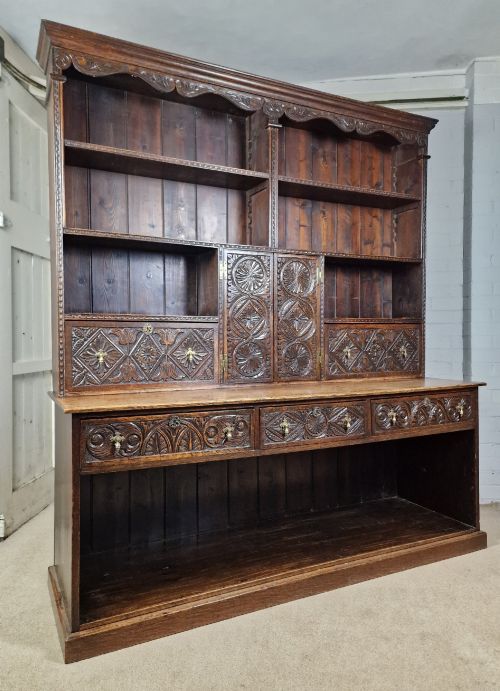
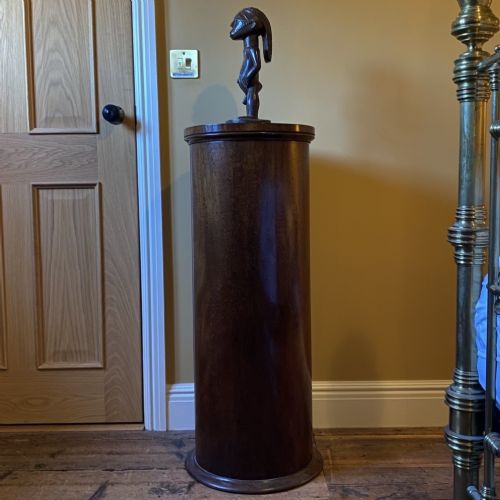
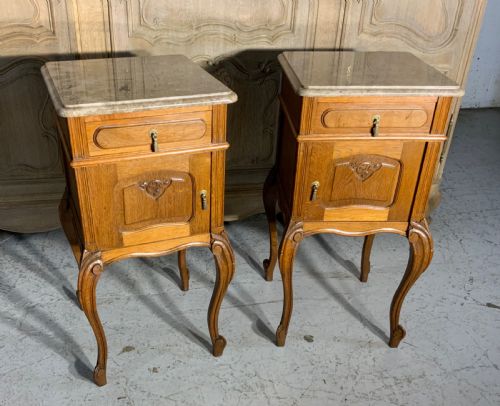
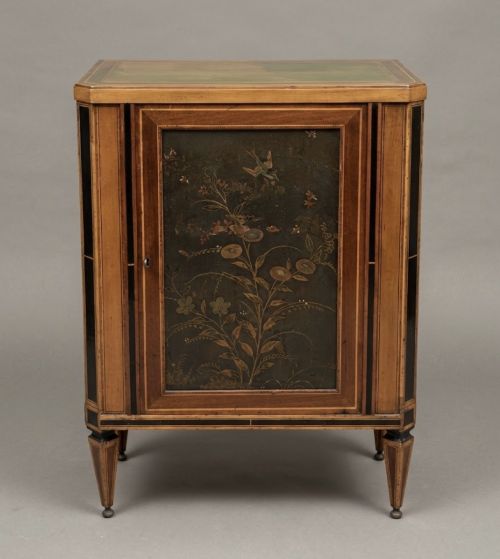
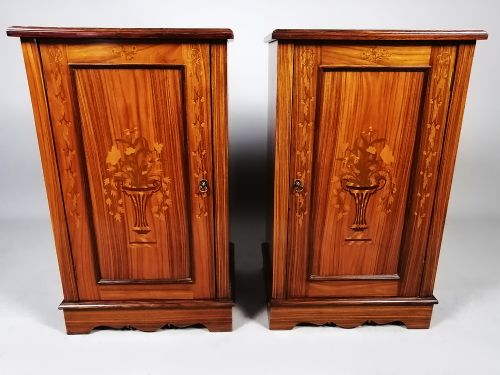
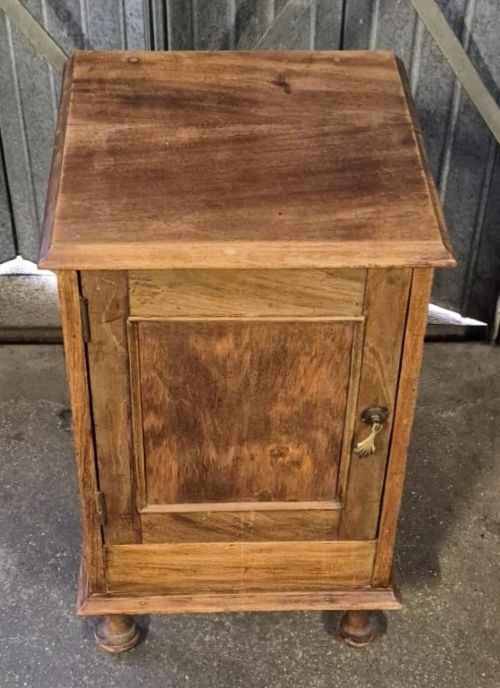
Brown Pot Cupboard
A brown pot cupboard is a practical piece of bedroom history, offering concealed storage alongside the bed.
Brown Pot Cupboard
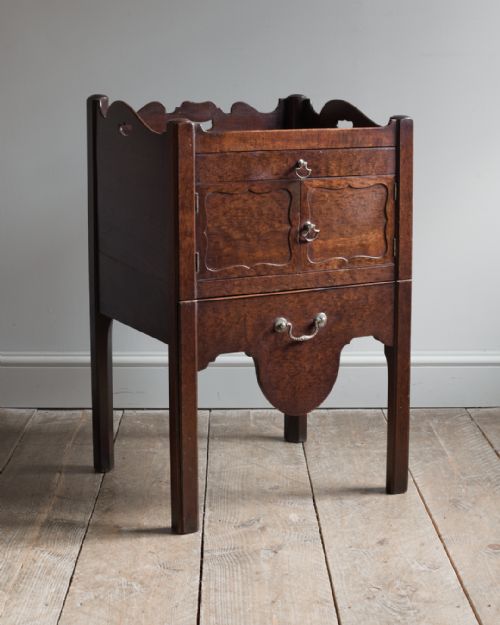
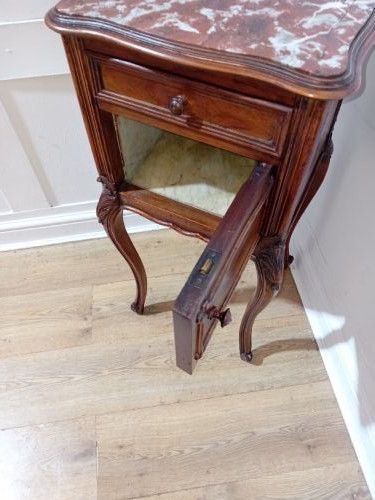
A brown pot cupboard serves as a bedside companion, originally designed to house a chamber pot behind a small door or within a drawer. These items appear across multiple periods, including the Georgian, Victorian, and Edwardian eras, reflecting changing domestic habits.
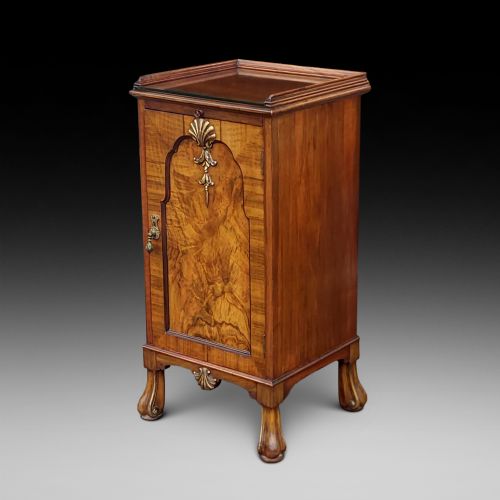
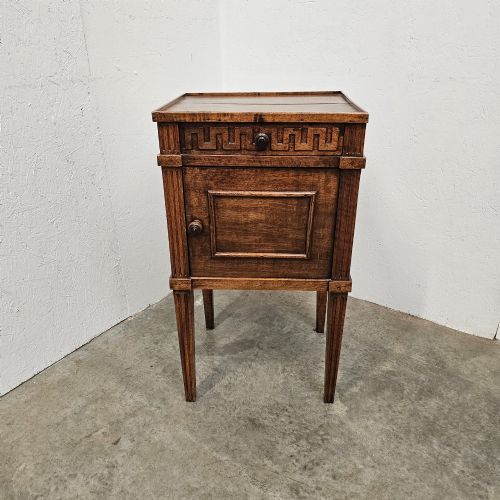
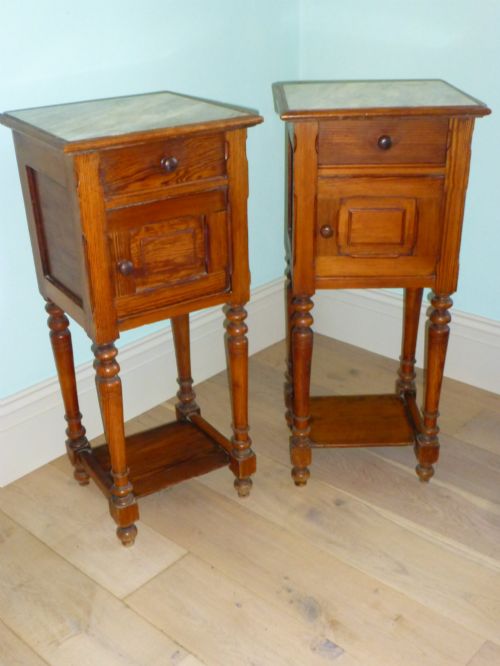
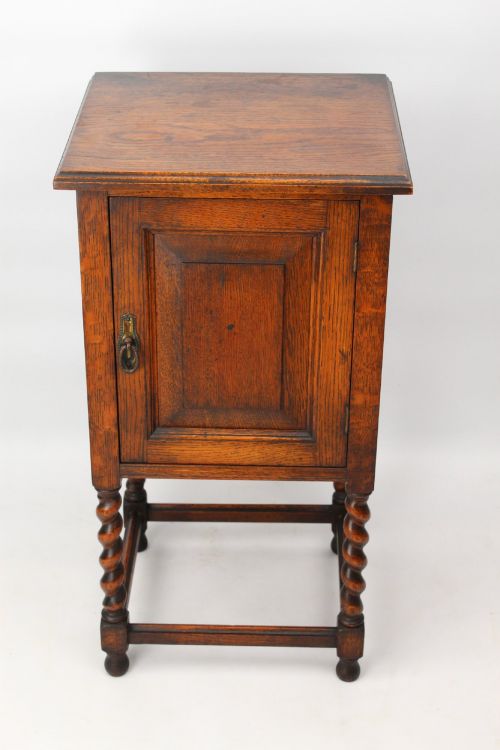
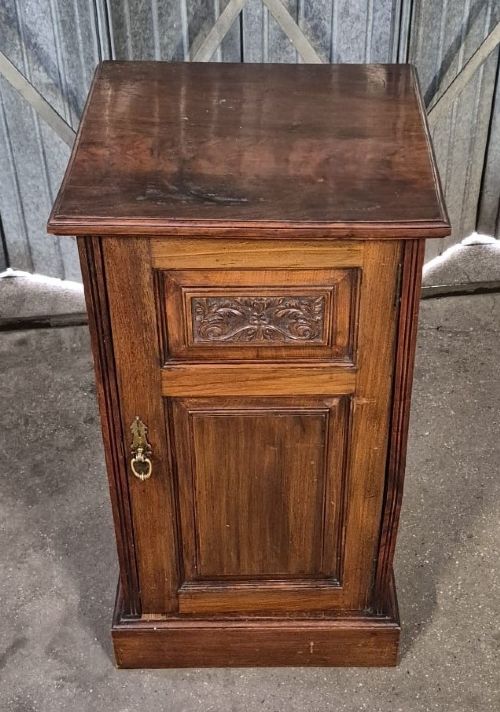
The most common version met on this page is a mahogany or walnut bedside cabinet, often standing on slender legs or enclosed by a single panelled door. Many examples survive as pairs, having flanked a double bed in period bedchambers.
Makers utilised various timber types to match fashionable interiors, moving from rich figuring to simpler painted or polished surfaces. The form evolved from a close stool or night commode into the standard bedside cabinet recognised today.
Materials and construction
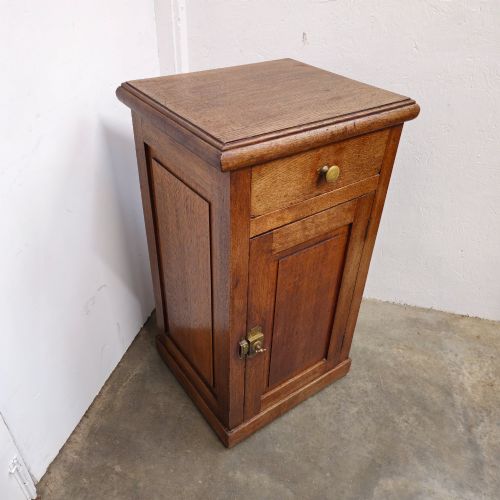
Cabinet makers relied heavily on solid mahogany, walnut, and oak, frequently applying flame mahogany veneer or burr walnut to visible door panels and tops. This selection of dense hardwoods provided the structural stability needed for daily domestic use.
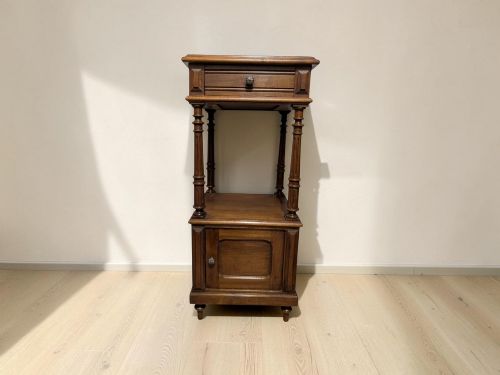
Surface decoration often included marquetry inlay, brass handles, and occasionally inset marble slabs for practical wash surfaces. Joints were typically hand-cut using dovetails and mortise techniques appropriate to the period of manufacture.
Brown Pot Cupboard Retail Price Guide 2026
Typical asking prices for brown pot cupboard among the pieces listed under this phrase on Sellingantiques today, from the lower quarter to the upper quarter. They describe what is for sale here now, not the wider market.
Listings span multiple eras from the 18th century through to Art Deco designs, utilising mahogany, walnut, oak, and marble.
Assessing quality
The standard of a brown pot cupboard rests on the choice of timber and the crispness of its joinery. Superior examples display carefully matched veneer grains across the door fronts and sound, heavy drawer linings.
Proportion and decorative restraint separate standard workshop pieces from finer outputs. Pieces with subtle marquetry, original brass fittings, or integrated gallery trays demonstrate greater artisan attention.
Gillows
The Brown Pot Cupboard Glossary
- Pot cupboard
- A small bedside cabinet designed to enclose a chamber pot. These practical items often feature an internal shelf and a panelled door.
- Night commode
- An alternative term for a bedside cabinet or close stool. Such pieces frequently incorporate a pull-out section or cupboard space.
- Tray top
- A raised rim around the top surface of a cabinet. This feature prevented water jugs or small items from sliding off.
- Marquetry
- Decorative woodwork where thin slices of various woods are fitted into a veneer design. It adds pictorial detail to drawer fronts and doors.
- Close stool
- An early form of enclosed seat or cabinet concealing a receptacle. They preceded the standard bedside cabinet found in later bedrooms.
Brown Pot Cupboard: Frequently Asked Questions
What is a brown pot cupboard?
A brown pot cupboard is a small antique cabinet designed to sit beside a bed. It historically concealed a chamber pot behind its door.
These pieces provide compact storage for modern bedrooms while retaining traditional timber finishes.
How do I date a bedside cabinet?
Dating relies on observing the timber species, construction methods, and prevailing style of the piece. Georgian examples often feature mahogany and tray tops, while Edwardian versions show lighter inlaid decoration.
Secondary woods inside drawers and the style of handles also help determine the period of manufacture.
Are these cupboards found in pairs?
Many bedside cabinets survive as matching pairs intended to flank a bed. Surviving pairs often display identical timber grain patterns and hardware.
Single examples are equally common, having served in smaller rooms or guest chambers.
How do I care for antique mahogany?
Antique mahogany requires gentle dusting with a soft cloth and protection from direct sunlight and moisture. Applying appropriate wax periodically maintains the polish and nourishes the timber.
Avoiding extreme temperature fluctuations keeps the wood stable and prevents veneer lifting.