



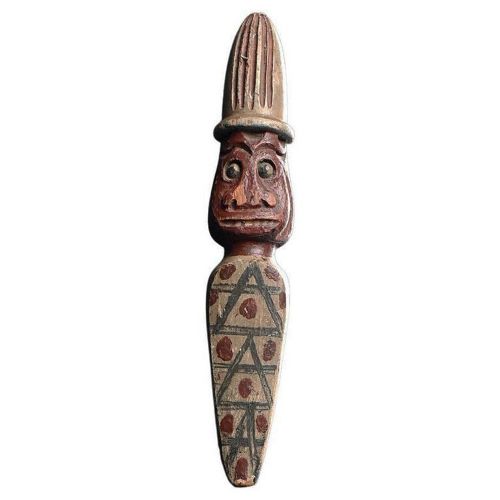

Brown Polychrome Wooden Sculpture
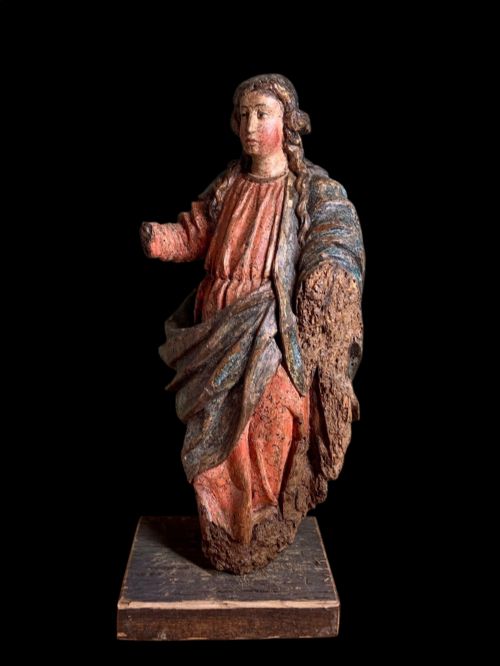
A brown polychrome wooden sculpture brings hand-carved depth and layered pigment straight into a room, offering centuries of devotional and decorative history.
Brown Polychrome Wooden Sculpture
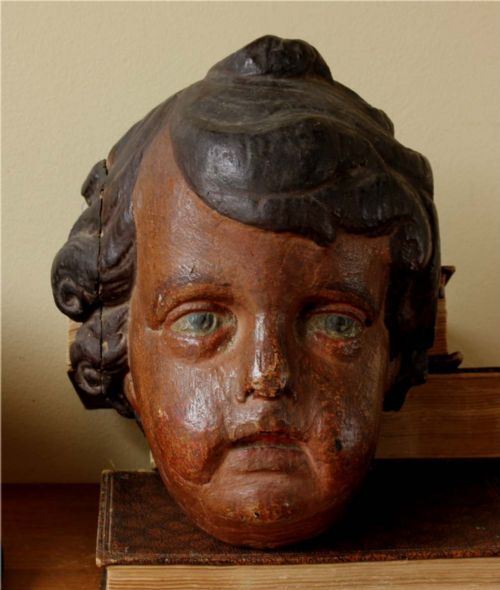
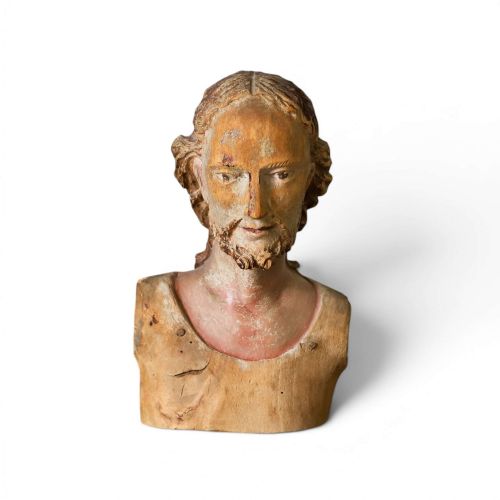
A brown polychrome wooden sculpture encompasses carved figures, busts, cherubs, and wall plaques created across periods ranging from the late medieval era through the nineteenth century. Buyers searching this phrase meet everything from solemn saints and cherub heads to decorative panels and regional figures originating from European, African, and Asian workshops.
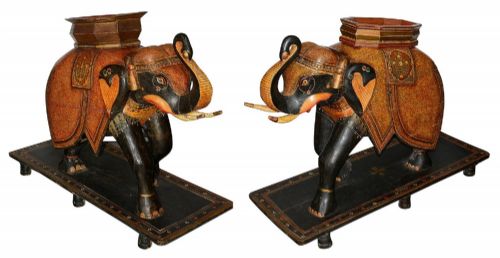
The materials recorded in these listings rely on carved wood finished with gesso, pigment, and polychrome paint, occasionally enhanced with lacquer. Forms span religious statues and church figures alongside secular carvings such as Kashmiri elephants and American whirligigs, reflecting diverse cultural traditions of shaping and painting timber.
Materials and construction
Carvers shaped blocks of timber, including pine, olive wood, and other local hardwoods, using hand tools to establish the primary contours of figures, heads, and panels. These wooden foundations provided the structural stability necessary for intricate detailing in religious and decorative subjects.
Artisans applied layers of gesso directly to the carved timber surface to create a smooth preparation layer before adding polychrome paint, pigment, and lacquer. This combination of carved wood and surface colour secured the pigments while allowing makers to render facial expressions, garments, and textures with striking visual weight.
A nineteenth-century American whirligig sits among centuries of solemn saints and lacquered elephants.
Evaluating the range of quality
Quality rests upon the sculptural confidence of the carving, where fluid chisel work and anatomical precision distinguish master execution from simpler regional output. The handling of expression and proportion in faces, hands, and drapery reveals the competence of the hand behind the piece.
The integrity of the original gesso and polychrome surface layer determines the visual success of the work, as harmonious integration of pigment with the timber grain elevates the piece. Pieces that retain their layered surface depth without heavy modern overpainting demonstrate greater material authenticity.
Bohumil Kafka
The Brown Polychrome Wooden Sculpture Glossary
- Polychrome
- Decorated in multiple colours. This term describes surfaces painted with various pigments, often applied over gesso on wooden sculptures.
- Gesso
- A plaster mix used as a surface preparation. Artisans applied it to carved wood to create a smooth ground for subsequent layers of paint and pigment.
- Putto
- A figure of a small child, frequently winged. These sculptural motifs appear in baroque religious art and decorative carvings.
- Whirligig
- A wind-powered moving wooden figure. These folk art objects utilise breeze to animate mechanical parts attached to carved timber bodies.
Brown Polychrome Wooden Sculpture: Frequently Asked Questions
What periods do these sculptures date from?
The pieces span from the late medieval era and pre-sixteenth century through the seventeenth, eighteenth, and nineteenth centuries, extending into early twentieth-century works.
This broad chronological range includes distinct stylistic movements such as Gothic, French and Italian Baroque, alongside regional folk traditions.
How were these wooden pieces decorated?
Makers combined carved timber with gesso priming layers, applying polychrome paint, pigment, and lacquer directly to the surface.
This technique allowed workshops to achieve detailed skin tones, ornate garment patterns, and rich colour schemes that aged alongside the wood.
Where do these sculptures originate?
Origins recorded across the selection include various European workshops in Italy, Spain, France, Russia, and Central Europe.
Other examples stem from international traditions, including Kashmiri, African, and American regional carving practices.
How should I display a wooden sculpture?
These sculptures suit placement on tables, mantels, or brackets where their carved depth and painted surfaces catch ambient light.
Wall panels and plaques require secure hanging away from direct heat sources to protect the aged timber and pigment layers.