




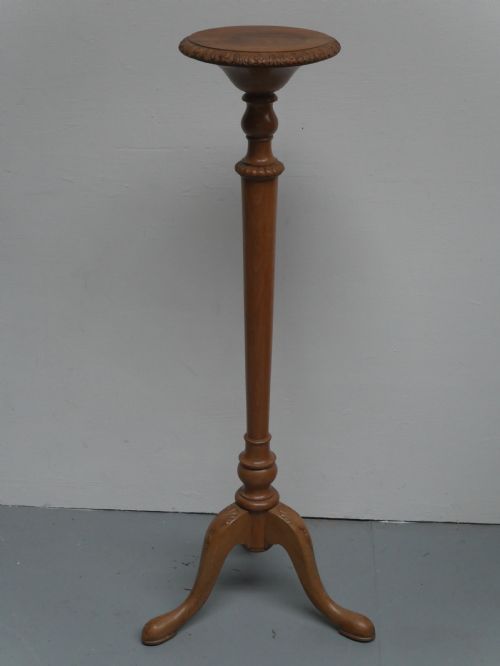


Brown Plant Pot
A brown plant pot grounds indoor foliage with earthy weight, spanning ceramic jardinières and carved hardwood stands from the nineteenth and early twentieth centuries.
Brown Plant Pot
When you search for a brown plant pot, you encounter a varied selection of jardinières, plant stands, and planters spanning the Victorian and Edwardian periods. These objects served both practical and decorative functions in period interiors, housing large palms or elevating smaller botanical specimens.
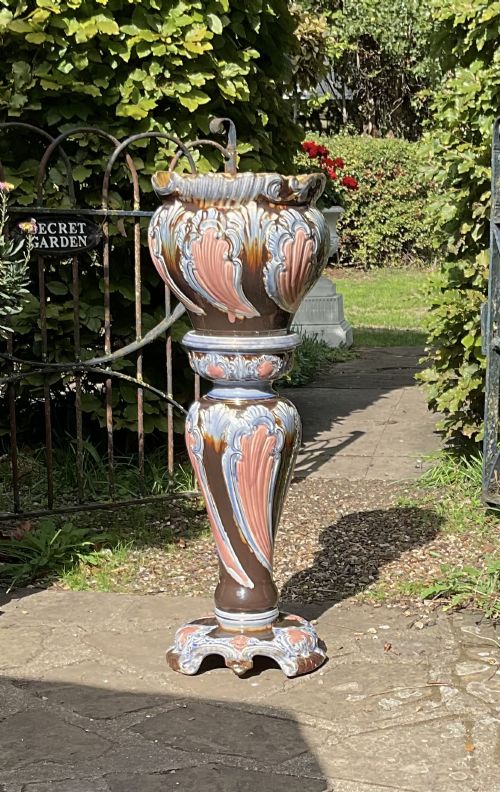
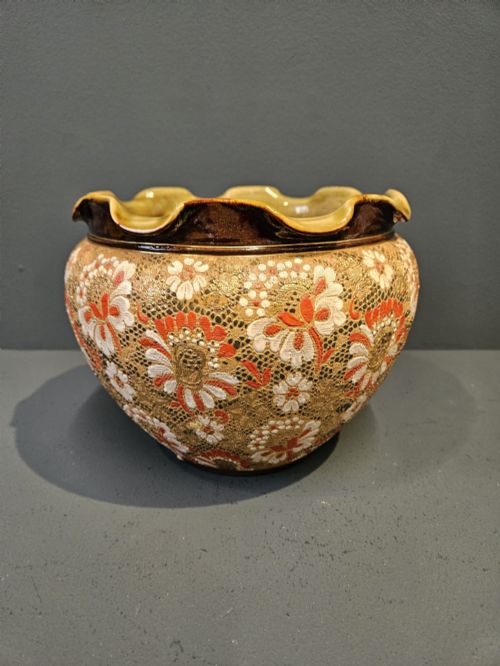
The most common iterations on this page are ceramic vessels glazed in rich earthen tones alongside timber and brass plant stands. Pieces range from British art pottery by makers such as Doulton to carved hardwood stands originating from the Qing Dynasty.
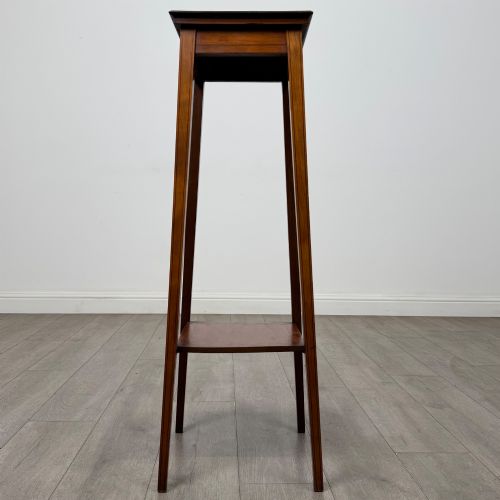
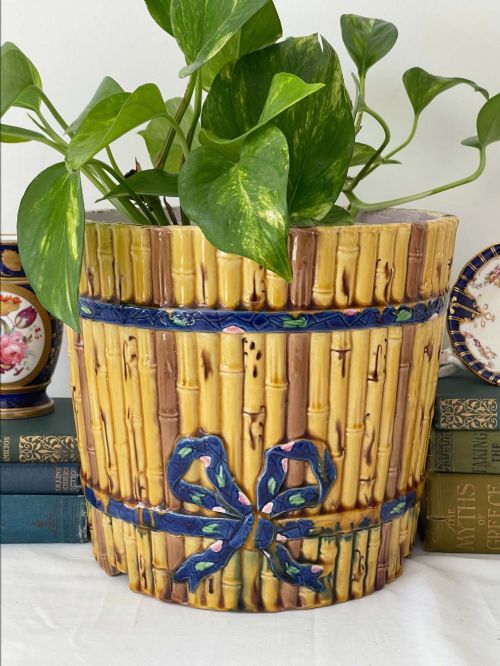
Forms include majolica jardinières with naturalistic motifs, coopered oak barrels with brass bands, and tall pedestals designed to display greenery. Ceramic and wooden examples frequently appear together as matched pairs or integrated stands.
Materials and Construction
Potters utilised earthenware and stoneware to form the bodies of ceramic jardinières, applying glazes that yield deep brown and green hues. Major factories employed moulded techniques and hand-thrown construction, often finishing pieces with majolica or transfer-printed decoration.
Cabinetmakers constructed plant stands from hardwoods such as walnut, mahogany, satinwood, elm, and teak. Joinery techniques include turned legs, coopered barrel staves secured with brass bands, and intricate carving seen in Chinese hardwood and Arts and Crafts examples.
Brown Plant Pot Retail Price Guide 2026
Typical asking prices for brown plant pot among the pieces listed under this phrase on Sellingantiques today, from the lower quarter to the upper quarter. They describe what is for sale here now, not the wider market.
Listings feature ceramics, hardwoods, and bronze originating from the nineteenth and early twentieth centuries, including pieces from the Meiji period and Qing Dynasty.
Distinctions in Quality
Quality rests in the crispness of the modelled clay or the precision of the timber joinery. Factory-marked pottery from established potteries demonstrates superior glaze consistency and detailed relief work compared to unmarked utilitarian wares.
In wooden stands, the choice of timber and the stability of coopered construction or carved detail dictate the grade of the piece. Fine examples exhibit tight grain, robust brass fittings, and harmonious proportions between the stand and its vessel.
Liberty & Co·Minton·Doulton Lambeth·Doulton Burslem·Royal Doulton·Linthorpe Pottery
The Brown Plant Pot Glossary
- Jardiniere
- A large ornamental pot or container for plants, typically ceramic or metal and designed to sit on the floor or a pedestal.
- Majolica
- A type of earthenware glazed with opaque tin glazes, known for vibrant colours and moulded naturalistic designs popular during the Victorian era.
- Coopered
- Made from staves of wood fitted together and bound with metal hoops, a technique commonly used for buckets and plant tubs.
- Stoneware
- A sturdy, vitrified pottery fired at high temperatures, impervious to water and finished with salt or slip glazes.
Brown Plant Pot: Frequently Asked Questions
What is a jardiniere?
A jardiniere is an ornamental pot designed to hold a potted plant, standing independently on the floor or upon a dedicated pedestal.
Unlike standard flowerpots, these vessels were intended as decorative furnishings for Victorian and Edwardian reception rooms and conservatories.
How do I care for antique ceramic planters?
Ceramic and majolica planters should be cleaned gently with a soft, dry cloth to preserve the glaze and avoid moisture damage.
Because antique earthenware is porous, place a modern plastic liner inside the vessel to hold water and soil rather than filling the antique pot directly.
Where were plant stands placed?
Plant stands and pedestals were positioned in bay windows, hallways, and corners where natural light favoured indoor palms and ferns.
They allowed homeowners to elevate greenery, improving air circulation and creating vertical focal points within period domestic interiors.
How do I identify Victorian pottery?
Victorian pottery is identified through impressed factory marks, date ciphers, and characteristic glaze palettes such as rich browns, greens, and blues.
Stylistic cues like naturalistic leaf motifs or bamboo mouldings also point directly to late nineteenth-century production methods.