




Brown Paper Landscape
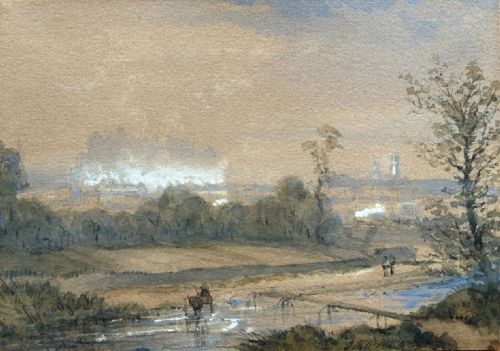
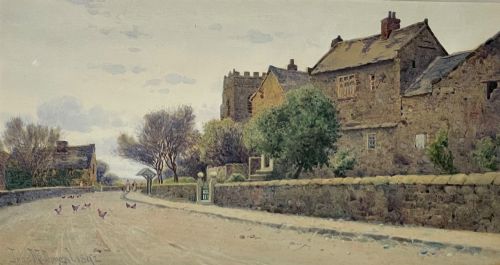
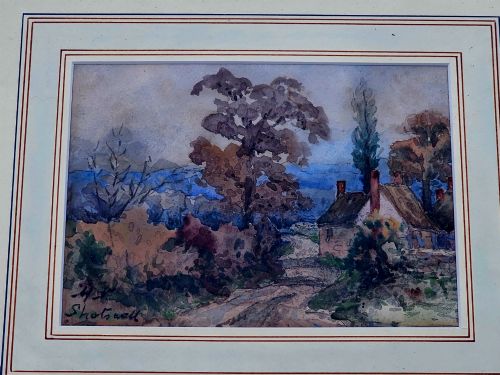
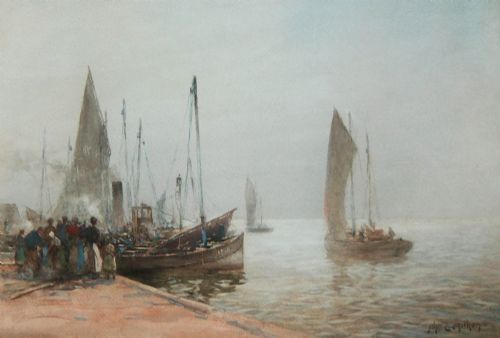
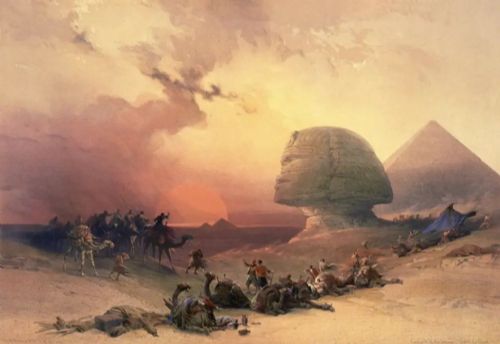
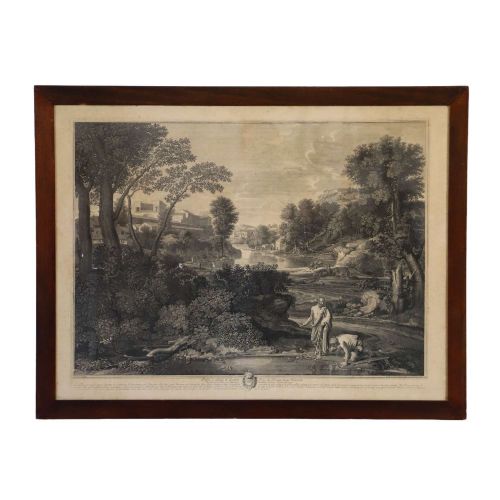
Brown paper landscape works capture rural and coastal vistas directly onto toned sheets, offering a warm tone distinct from standard white paper.
Brown Paper Landscape
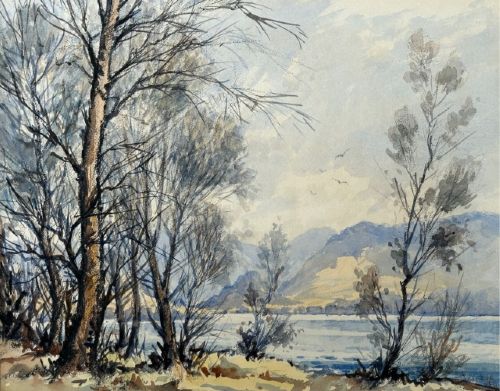
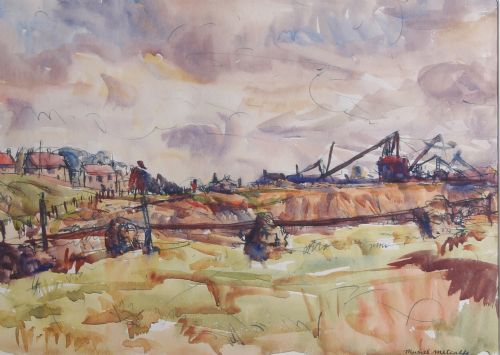
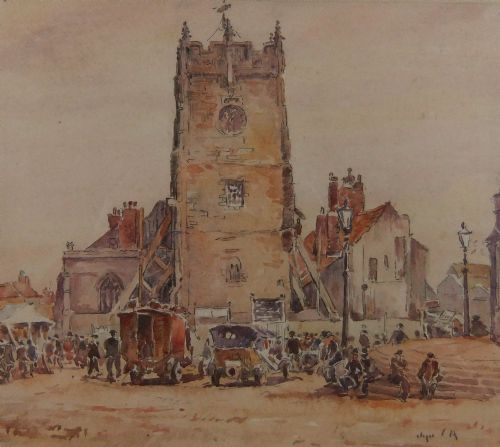
A brown paper landscape typically presents regional views, coastal scenes, and rural cottage studies executed on tinted or neutral paper. These works span from the Victorian period through the mid-twentieth century, capturing British and European countryside traditions.
The selections you encounter include original watercolour and pastel works framed in period wood and glass settings. Artists often utilised the darker ground of the paper to let highlights in gouache or white pigment stand out.
The style ranges from academic nineteenth-century watercolours to early twentieth-century British impressionism and mid-century topographical studies.
Materials and techniques
Artists applied watercolour pigment, ink, and gouache directly onto paper supports, often relying on the inherent tone of the sheet as a mid-tone in the composition. This technique allowed quick outdoor sketching or finished studio pieces with deep atmospheric depth.
Framing frequently involves period gilt wood or simple timber surrounds, protecting the fragile paper medium behind glass.
Several artists preferred sketching coastal weather with tea-stained paper when standard tinted sheets ran out.
Factors determining quality
The strength of the composition and the confidence of the brushwork separate standard topographical records from superior artistic interpretations. Hand-signed works by recorded Victorian and Edwardian painters generally demonstrate finer control of pigment and light.
Condition plays a central role, particularly the preservation of the paper tone and the absence of heavy fading or damp staining from past framing.
James Orrock·John R Prentice·John McDougal·David Roberts·Henry Charles Fox
The Brown Paper Landscape Glossary
- Watercolour pigment
- Finely ground colour particles mixed with a water-soluble binder, applied in washes to paper.
- Gouache
- An opaque watercolour paint containing an added white pigment to create solid, light-reflecting highlights.
- Gilt wood
- Timber framing finished with a thin layer of gold leaf or metallic gilt, common in nineteenth-century presentations.
- Topographical art
- Works depicting specific real-world locations, towns, rivers, or architectural landmarks.
- Pastel
- A medium consisting of powdered pigment and a binder, frequently worked onto tinted paper supports.
Brown Paper Landscape: Frequently Asked Questions
How do I care for a brown paper landscape?
Keep works behind glass away from direct sunlight to prevent the paper support from darkening or the pigments from fading. Maintaining stable indoor humidity prevents foxing and paper degradation.
Ensure the framing remains sealed against dust and atmospheric moisture while utilising acid-free backing boards if conservation framing is required.
Are these works always original?
The pieces listed are original hand-painted or hand-drawn works rather than modern mass reproductions. Artists executed each landscape directly onto the paper support.
Signatures, artist inscriptions, and distinct brushwork help confirm the individual origin of each painting.
What periods do these landscapes cover?
The inventory spans the nineteenth century through the mid-twentieth century, encompassing Victorian, Edwardian, and mid-century aesthetic movements. Earlier examples often reflect traditional British and European school conventions.
Later pieces show the evolution of impressionistic and regional landscape recording.
Why use tinted paper for landscapes?
Brown or neutral paper provides an immediate mid-tone base, saving the artist time when blocking out shadows and earthy terrain. It also allows white highlights to pop with greater visual impact.
This method was particularly popular for en plein air sketching during the nineteenth and early twentieth centuries.