


Brown Panelled Chair
A brown panelled chair offers solid timber construction and architectural dignity, anchoring a room with centuries of historic character.
Brown Panelled Chair
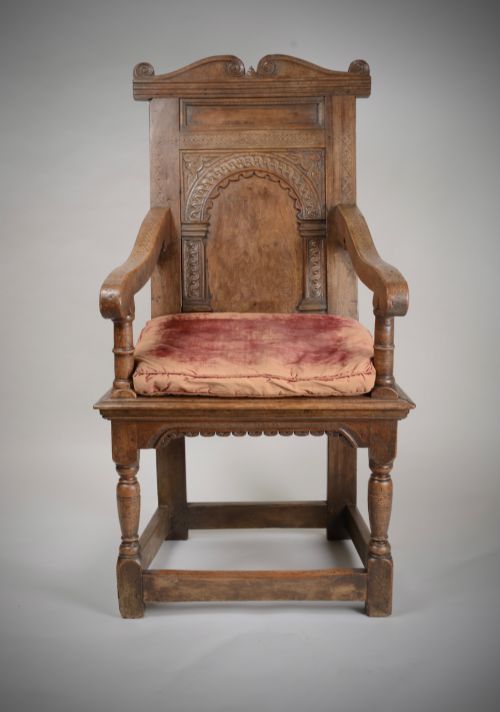
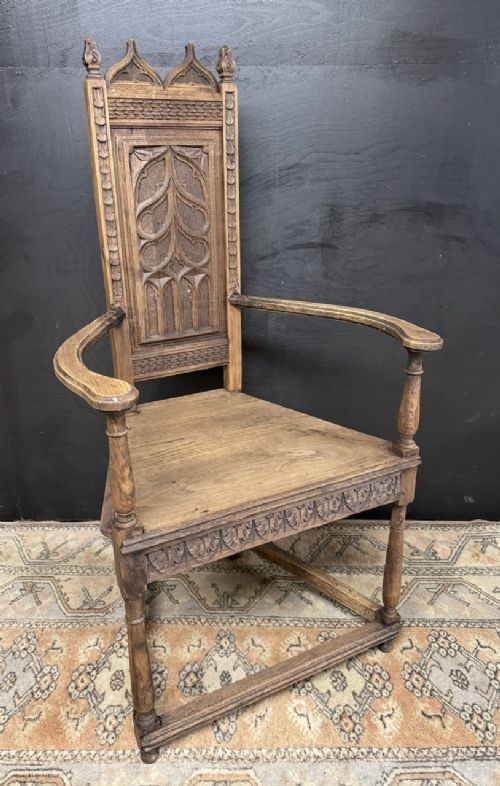
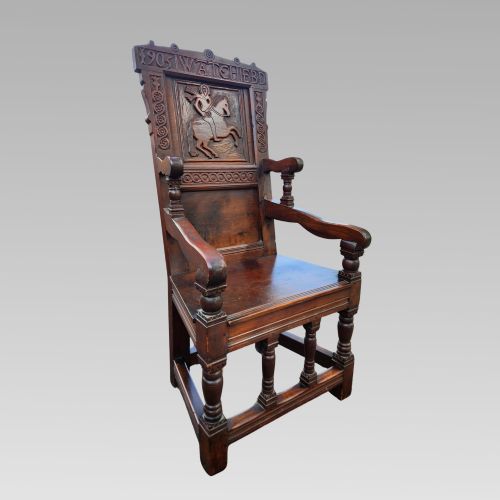
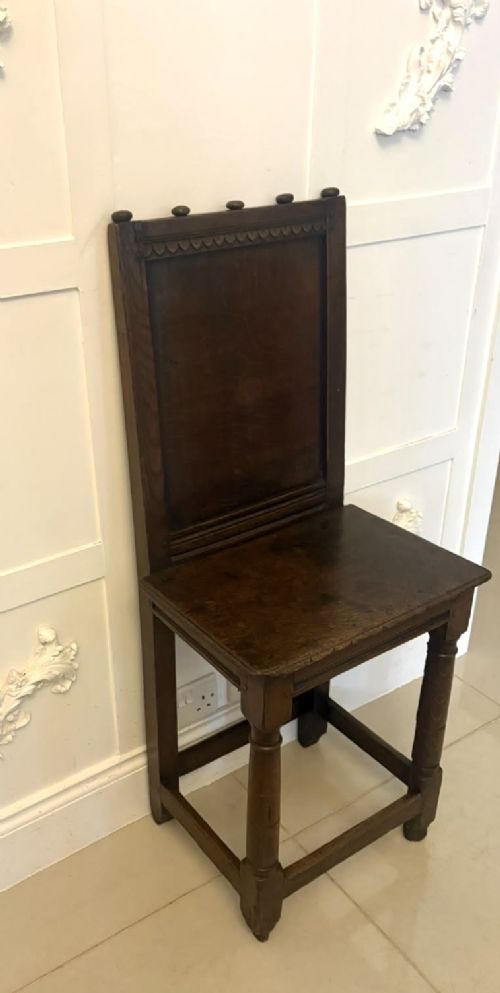
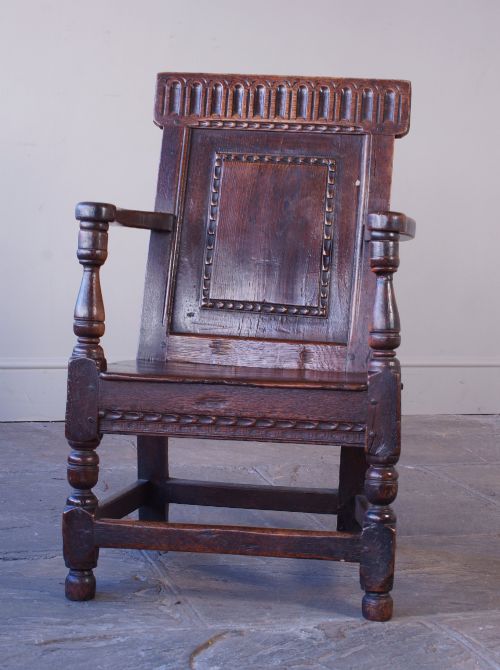
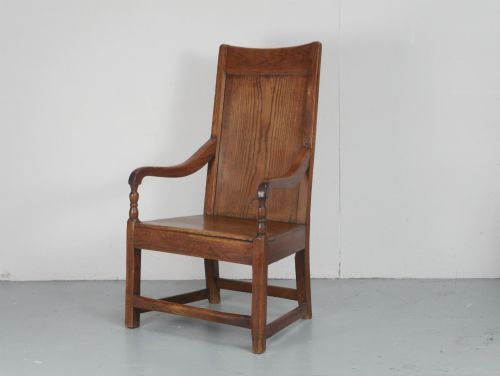
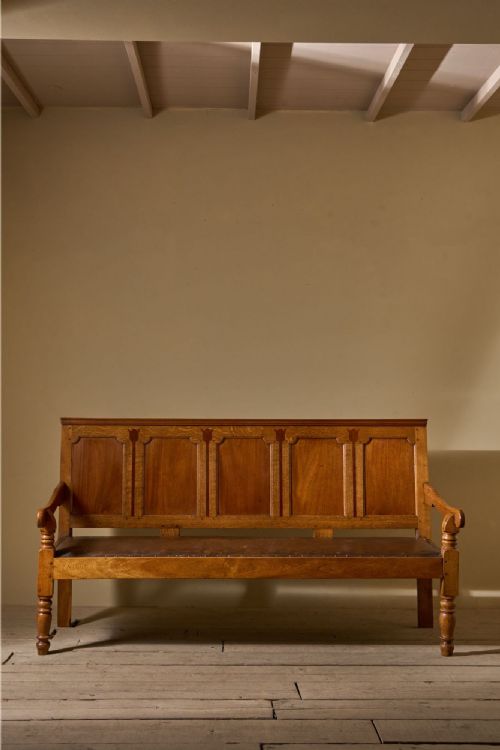
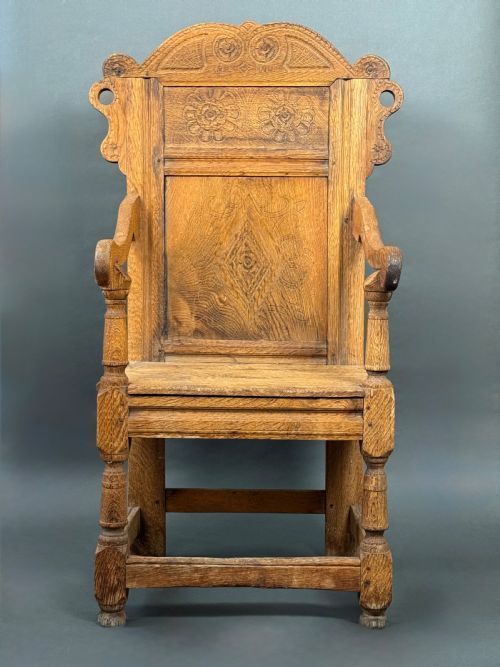
A brown panelled chair represents a solid timber seating tradition spanning multiple centuries, featuring characteristic flat or carved wooden backs that give the form its name. When searching for a brown panelled chair, buyers frequently encounter heavy wainscot and panel-backed designs rooted in early domestic interiors.
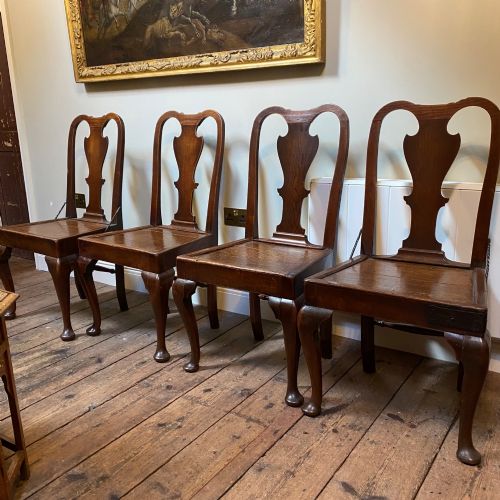
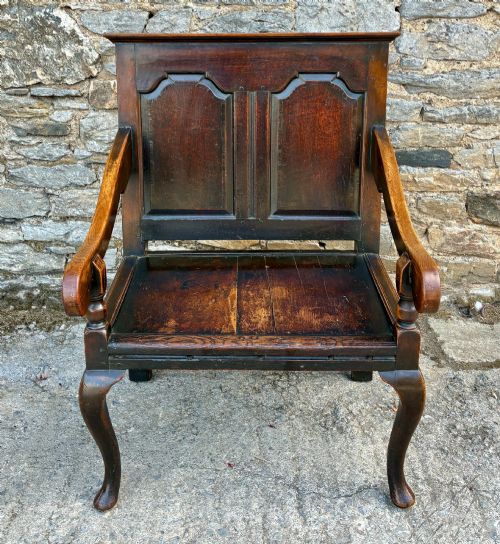
The selections available range from 17th century English, Welsh, and Scottish origins through to later revival interpretations and Georgian vernacular pieces. These brown panelled chair examples predominantly utilise native timbers like oak and elm, often constructed as armchairs or robust side seating.
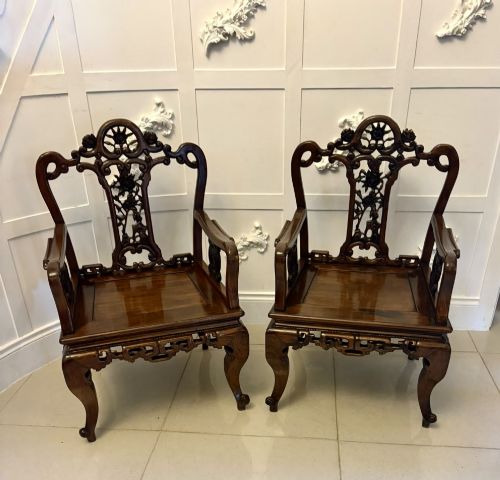
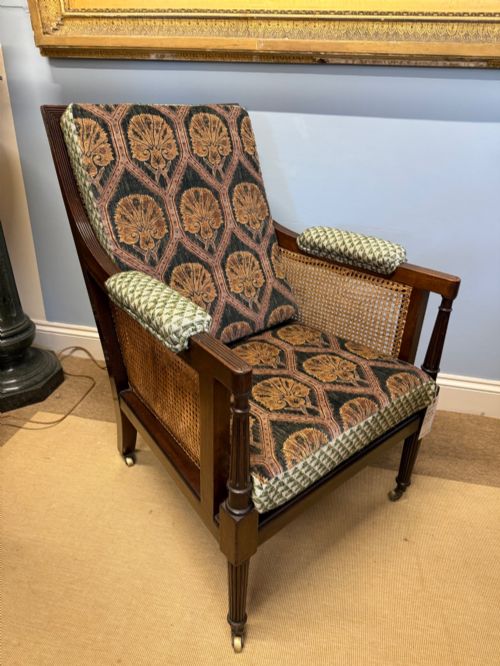
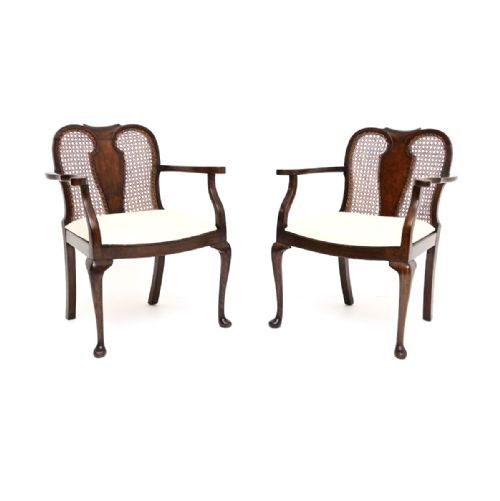
Regional variations appear across British workshops, from Lancashire and Cheshire to Yorkshire and the West Country, displaying distinct carving patterns and proportions. Alongside these early regional pieces, later iterations adopt mahogany, walnut, and caning while retaining the structural emphasis on panelled wooden backs.
Materials and construction methods
Makers built the earliest examples using substantial oak boards for the seat and back panels, joined with pegged mortise and tenon joints rather than metal fixings. Timber selection focused on durable hardwoods capable of supporting heavy framework and deep relief carving.
Surface finishing relied on hand-planing and traditional scraping techniques that left tool marks across the timber, developing a rich patination through decades of wax polishing and daily use. Later periods incorporated turned spindles, cane inserts, and applied brass details alongside the core panelled construction.
Brown Panelled Chair Retail Price Guide 2026
Typical asking prices for brown panelled chair among the pieces listed under this phrase on Sellingantiques today, from the lower quarter to the upper quarter. They describe what is for sale here now, not the wider market.
Listings feature periods spanning from the sixteenth to the twentieth century, with oak remaining the dominant material alongside mahogany and elm.
Distinctions in quality and execution
Quality rests in the crispness of the original timber carving, the integrity of the pegged joints, and the survival of primary surfaces without excessive rebuilding. Early pieces showing regional vernacular traits display varying degrees of sculptural ambition, from plain boarded backs to deeply carved crest rails.
The degree of later alteration or timber replacement separates museum-grade survivors from heavily restored examples. Retaining the original seating boards, arm supports, and structural framing dictates the desirability and historical weight of any given piece.
The Brown Panelled Chair Glossary
- Wainscot chair
- A heavy wooden armchair characterised by a panelled wooden back and solid seat, common in the sixteenth and seventeenth centuries. These chairs derive their name from the high-quality imported oak boards once used for wall panelling.
- Joint stool
- A sturdy wooden stool constructed with pegged joints rather than turned legs secured by glue. These pieces share joinery methods identical to early panelled seating.
- Bergère
- An enclosed upholstered armchair with wooden framing, originating in France during the eighteenth century. Later nineteenth-century versions frequently incorporated cane panels.
- Backstool
- An early form of side chair featuring a tall vertical back and no arms. They served primarily at dining tables or desks in seventeenth-century households.
- Lambing chair
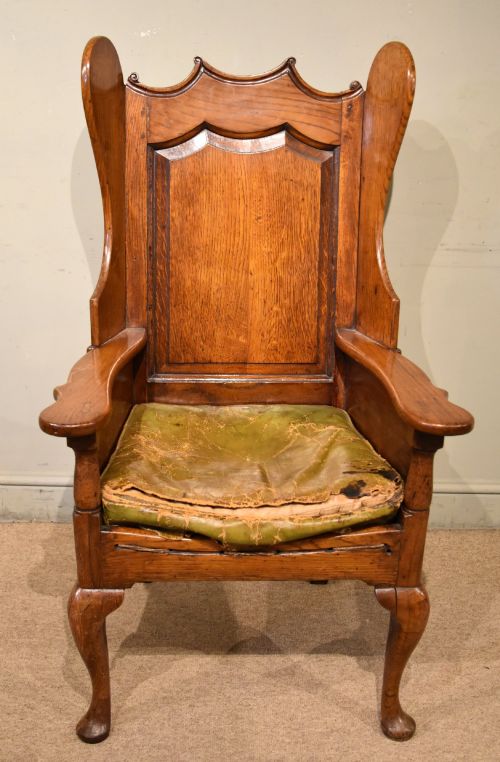
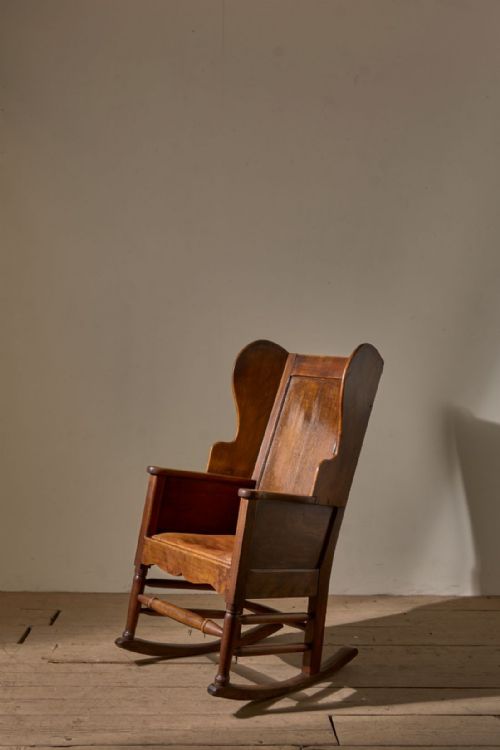
- A high-backed vernacular armchair, often fitted with a drawer beneath the seat and solid wooden wings to block draughts. These pieces frequently turned up in rural farmhouses and cottages.
Brown Panelled Chair: Frequently Asked Questions
What is a wainscot chair?
A wainscot chair is an early wooden armchair built with a flat panelled back and solid timber seat, originating before the widespread use of upholstery.
Craftsmen built them using heavy oak joined with pegged framing, making them substantial fixtures in early domestic interiors.
How do I date an oak panelled chair?
Dating relies on examining the joinery methods, timber preparation marks, and the style of any carved decoration on the crest rail.
Earlier pieces show hand-riven boards and pegged mortise joints, whereas nineteenth-century revivals often utilise machine-sawn timber and different fastening techniques.
Where were these chairs originally made?
These chairs originated across various British regions, including Yorkshire, Lancashire, Wales, and the West Country, each developing local carving traditions.
Regional workshops adapted standard panelled designs using local hardwoods like oak and elm to suit rural and domestic requirements.
How should I care for antique oak furniture?
Maintain antique oak by applying natural beeswax sparingly and buffing with a soft cloth to preserve the historic surface patination.
Keep the timber away from direct heat sources and rapid humidity changes to prevent timber shrinkage and splitting.