




Brown Painted Mirror
A brown painted mirror brings warmth and hand-finished character to a room through traditional timber frames and painted panels.
Brown Painted Mirror
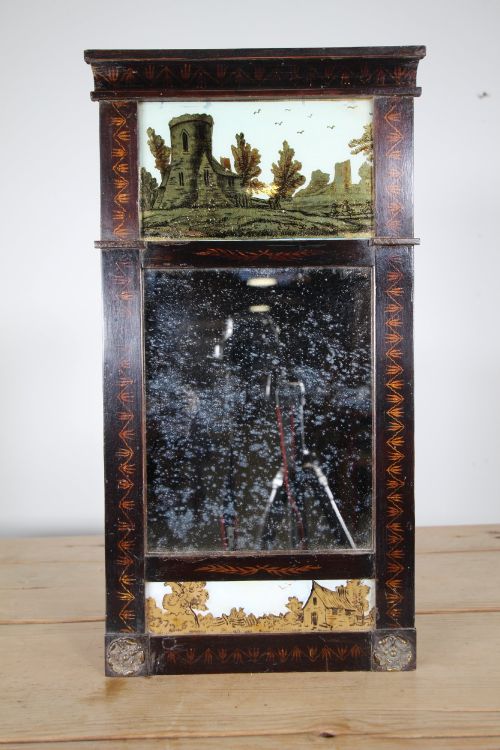
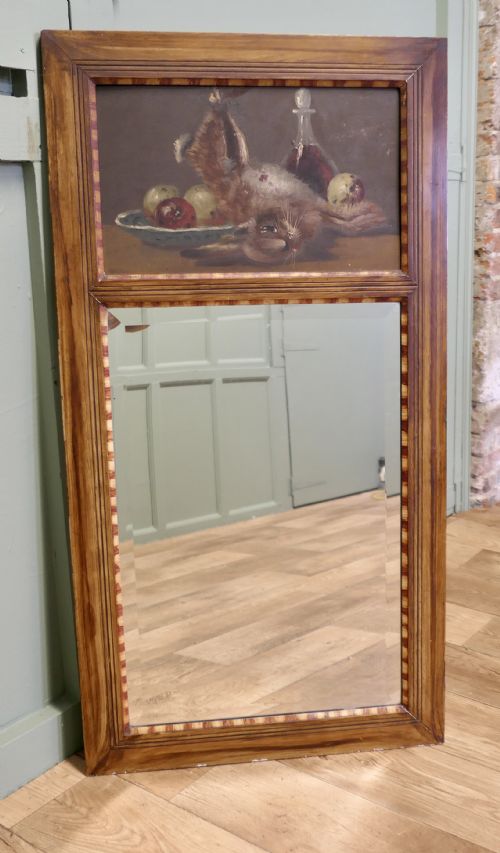
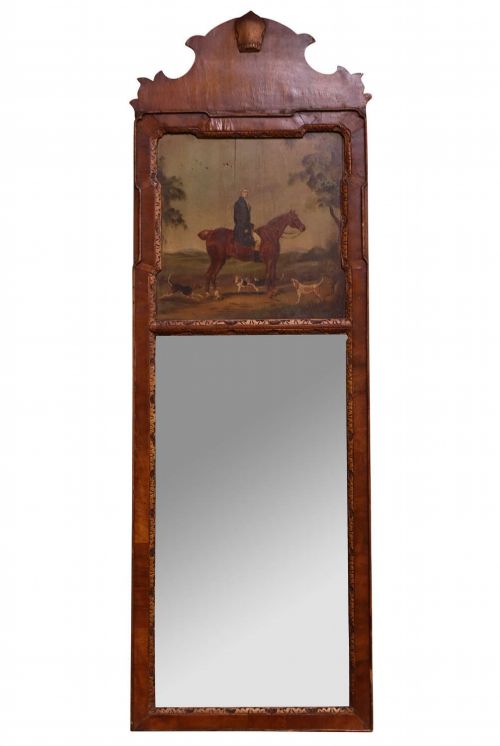
A brown painted mirror spans periods from the nineteenth century to the early twentieth century, taking forms such as wall mirrors, pier mirrors, and overmantel mirrors. These pieces frequently incorporate painted surfaces or inset oil paintings alongside standard glass plates.
The aesthetic draws heavily on revival and regional styles, notably Queen Anne Revival, George styles, and French Provincial or French Country designs. Walnut and mahogany provide the underlying timber frames for many examples found here.
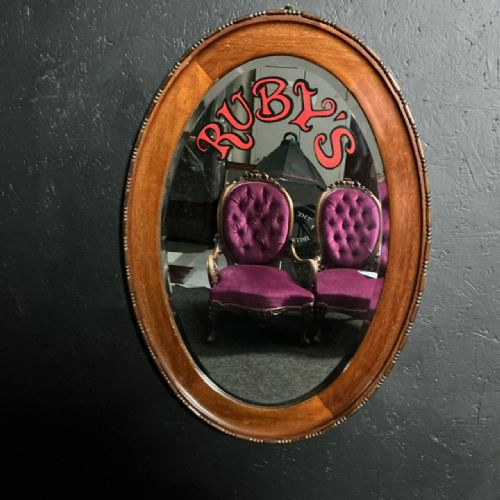
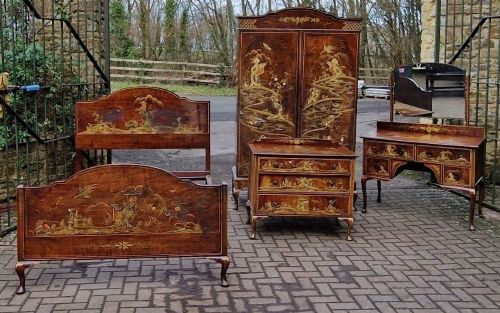
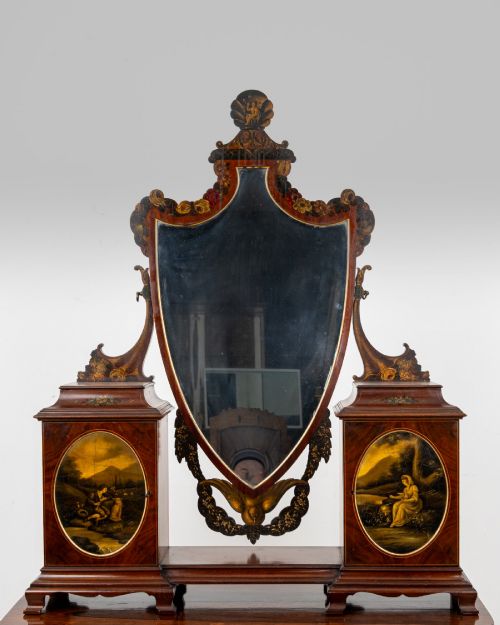
Buyers also encounter related decorative items finished in similar tones, including pedestal stands, dressing table mirrors, and advertising signs with mirror plates. French influences appear strongly through decorated panels and distressed finishes.
How they were made
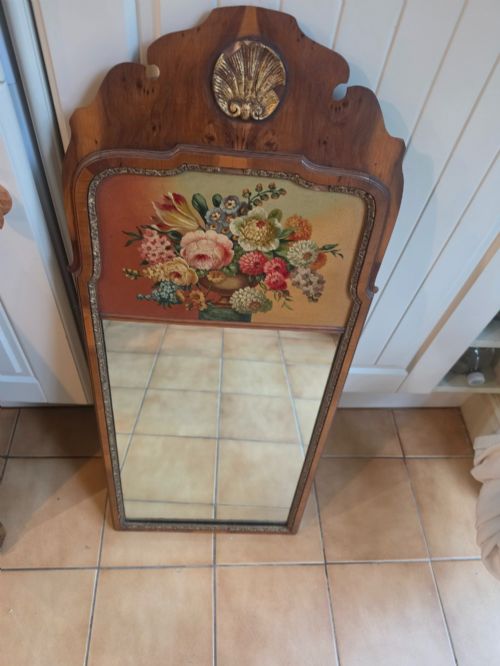
Makers constructed these frames using hardwoods like walnut, mahogany, and kingwood, often applying paint, giltwood, or simulated wood finishes directly to the timber. Inset hand-painted foliate panels and religious scenes required skilled brushwork on wood or canvas.
Glass plates were silvered and set within architectural or revival frames, sometimes accompanied by brass fixings and inlaid details. Distressed mirror plates and aged paint layers reflect the specific decorative preferences of the nineteenth and early twentieth centuries.
Brown Painted Mirror Retail Price Guide 2026
Typical asking prices for brown painted mirror among the pieces listed under this phrase on Sellingantiques today, from the lower quarter to the upper quarter. They describe what is for sale here now, not the wider market.
Listings feature periods from the nineteenth century through the 1920s, utilising materials such as walnut, mahogany, glass, oil paint, and brass.
What varies in quality
The standard of a brown painted mirror rests on the depth of the timber framing, such as burr walnut, and the execution of any painted scenes or giltwood highlights. Hand-painted equestrian or religious panels demonstrate higher artistic investment than plain decorative finishes.
Proportion and scale also define the better pieces, particularly in large overmantel mirrors and tall pier mirrors where structural joinery must support heavy glass plates. The integrity of the original painted surface and the degree of patination guide the character of each piece.
The Brown Painted Mirror Glossary
- Pier mirror
- A tall mirror designed to hang on the wall between windows, frequently seen in nineteenth century and revival interiors.
- Overmantel mirror
- A wide mirror intended for placement above a fireplace mantel, often dominating the wall space in period rooms.
- Vernis Martin
- A simulated Japanese lacquer technique developed in France, utilised on furniture and decorative stands of the period.
- Trumeau
- A decorative wall panel containing a mirror or painting, originating in French interior design traditions.
- Giltwood
- Wood carved and coated with gold leaf or gold paint to highlight architectural mouldings and frame details.
Brown Painted Mirror: Frequently Asked Questions
Where should I hang a large overmantel mirror?
These large mirrors sit naturally above a fireplace mantel, reflecting light and anchoring the proportions of a principal room.
Ensure the wall fixings match the substantial weight of nineteenth-century timber frames and heavy glass plates.
How do I identify a Queen Anne Revival mirror?
Queen Anne Revival mirrors typically feature shaped walnut frames, often with subdued curved outlines drawing on early eighteenth-century vernacular.
They frequently appear alongside inset oil paintings or painted foliate panels characteristic of the early twentieth-century revival.
What is a French Country trumeau mirror?
A trumeau combines a mirror plate with an integrated painted panel, designed to fit specific architectural wall spaces in French interiors.
Tall proportions and distressed painted woodwork distinguish these pieces from standard domestic wall mirrors.
Are painted mirrors difficult to maintain?
Painted and giltwood surfaces require gentle dusting with a dry cloth to preserve the aged finish and delicate brushwork.
Avoid liquid cleaners on painted wood and distressed mirror plates to protect the historic patination.