



Brown Oil on Panel
Brown oil on panel brings together historical painted works on solid wooden supports, where deep tones and aged grounds define the surface.
Brown Oil on Panel
When you search for brown oil on panel, you encounter historical painted works executed directly onto wooden boards rather than stretched canvas. These pictures span several centuries, with particular concentrations from the seventeenth, eighteenth, and nineteenth periods.
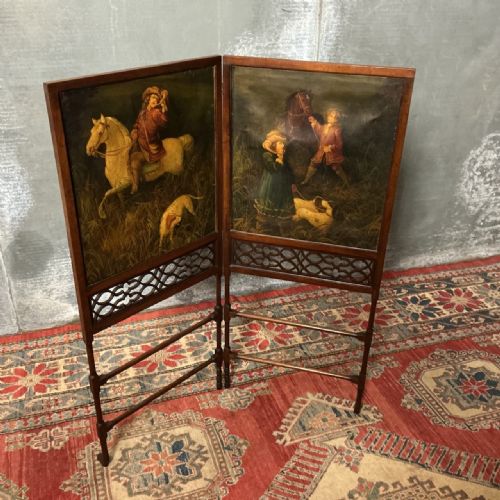
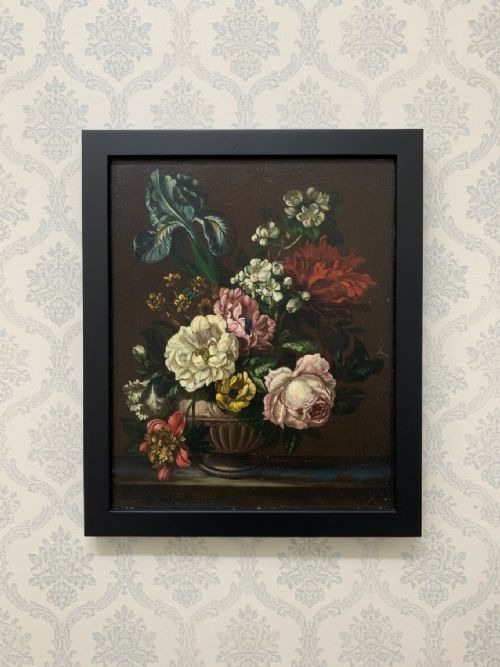
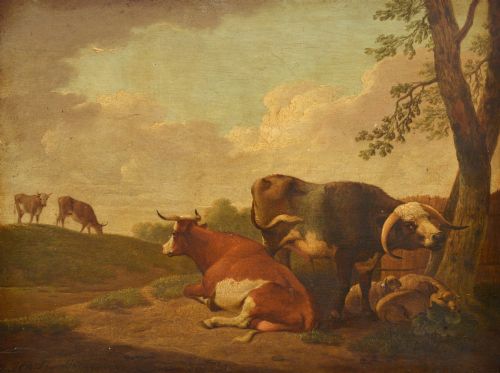
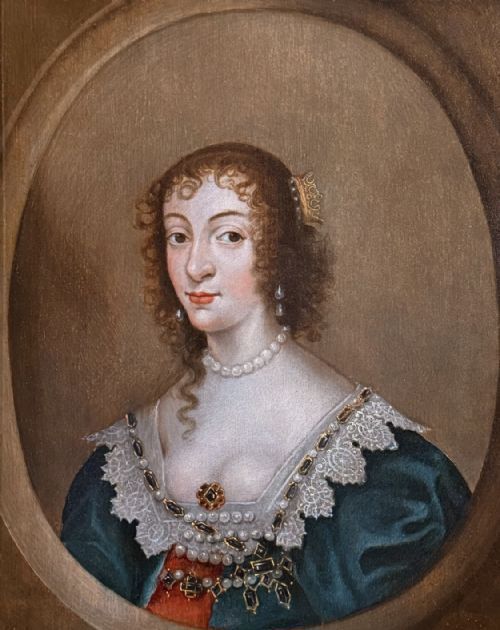
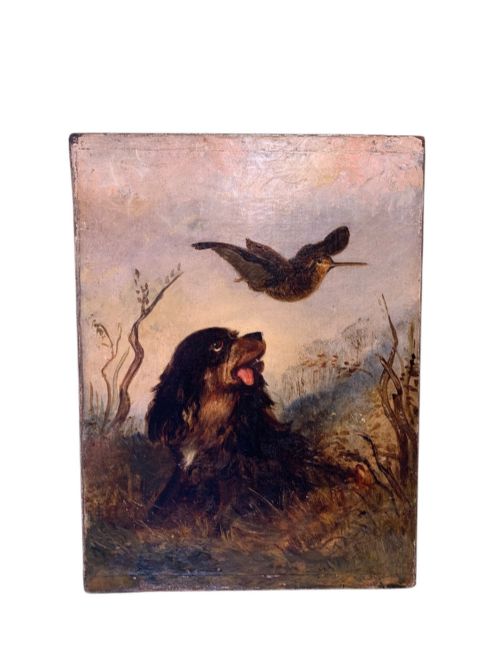
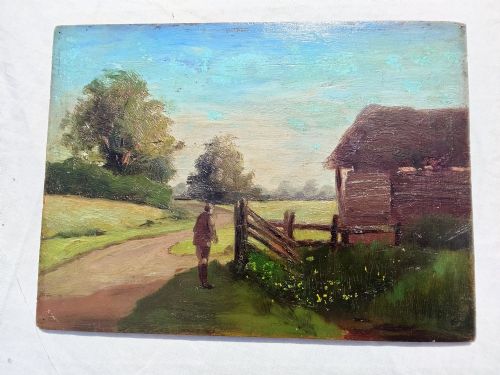
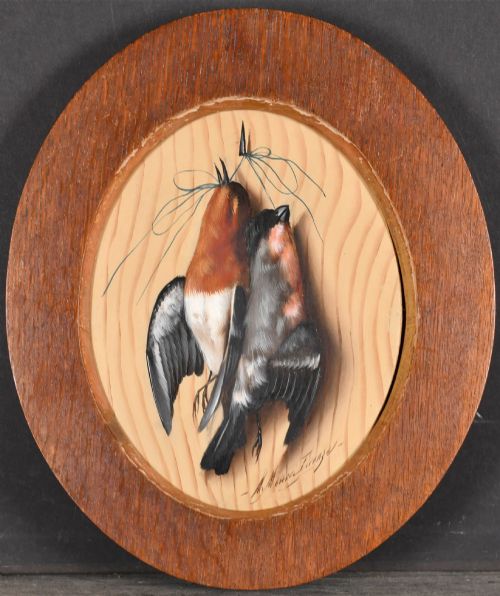
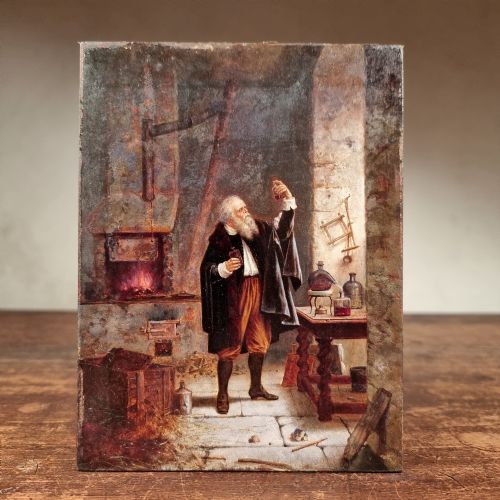
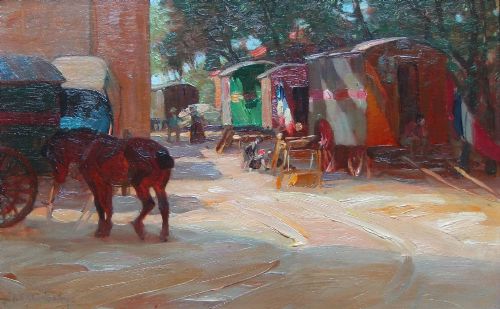
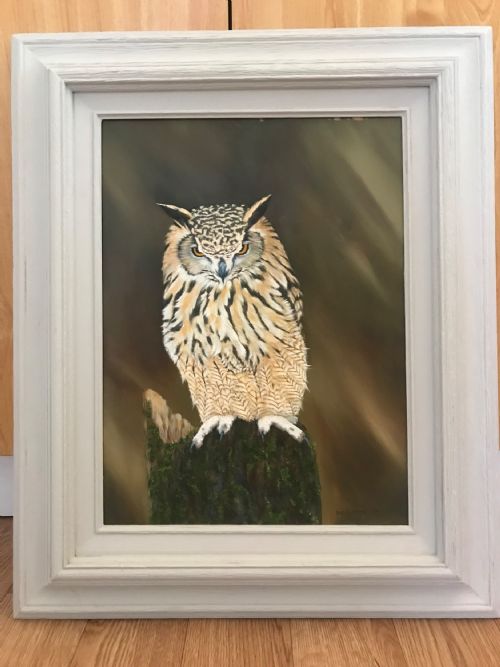
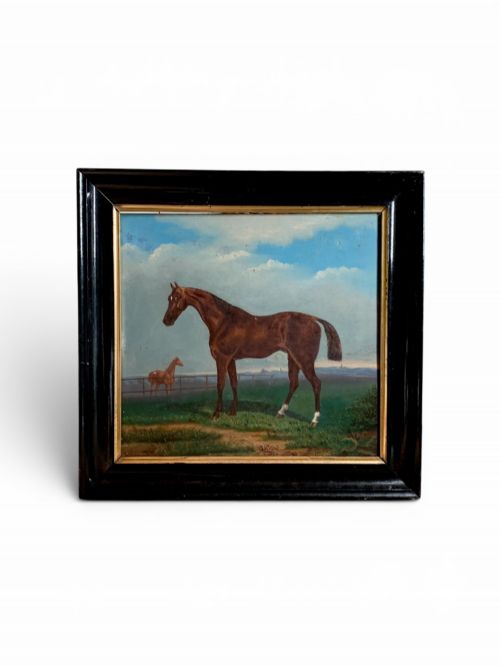
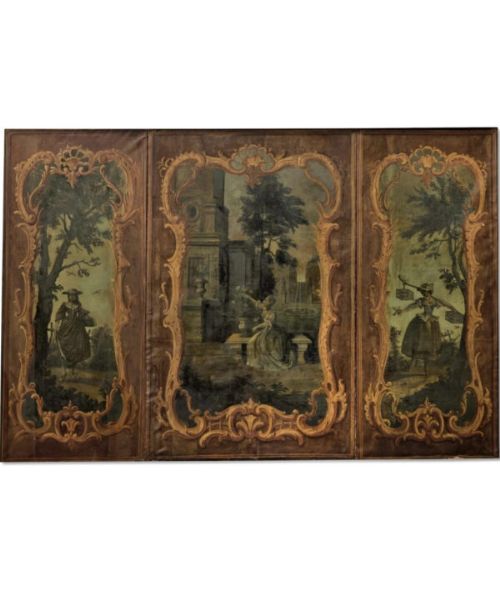
The subjects on this page range from landscape scenes and portraits to still lifes and animal studies. Many works reflect British, Dutch, and French schools, capturing subjects such as Highland landscapes, domestic interiors, and topographical views.
The version you are most likely to meet is a nineteenth-century English or Scottish landscape, often housed in a giltwood frame and executed on a sturdy wood panel or board.
How they were made
Painters applied oil paint directly to prepared wooden supports, such as oak or pine panels, which provided a rigid and durable base. A ground layer was typically laid down first to seal the wood and provide an even tone for the pigments.
The use of wood panels allowed artists to achieve fine detail and smooth gradations of tone, characteristic of traditional techniques seen in Dutch school works and later nineteenth-century painting traditions.
Listings feature oil paint applied to wood panels, oak boards, and canvas supports across various periods.
What varies in quality
The quality of a panel painting depends on the skill of the brushwork and the confidence with which the artist handled the medium. Finer works display deliberate, expressive handling in the details, whereas simpler naive pieces show a more direct, unpolished approach.
The condition of the wooden support and the stability of the paint layer also distinguish different examples. Panels that have remained stable over the centuries preserve the integrity of the original surface better than those affected by warping or historical repairs.
Tom Campbell·Hendrik Willem Schweickhardt·Michelangelo Meucci·Edouard Julien·William Williams·Théophile Emmanuel Duverger·George Lambert·Hans Temple
The Brown Oil on Panel Glossary
- Panel
- A flat piece of wood used as a support for painting instead of canvas. Oak and mahogany were frequently chosen by artists for their stability.
- Oil paint
- A slow-drying paint made with pigments suspended in a drying oil, typically linseed. This medium allows for rich colour blending and deep glazes.
- Giltwood
- Wood that has been covered with a thin layer of gold leaf or gilt finish. Frames of this material often accompany historical oil paintings.
- Board
- A thin wooden sheet or compressed material used as a painting support in place of a thicker timber panel. Nineteenth-century works frequently utilise this format.
- School
- A group of artists sharing a common style, geographic origin, or period. Classifications such as the Dutch school help identify regional traditions.
Brown Oil on Panel: Frequently Asked Questions
What is a panel painting?
A panel painting is a work executed on a flat piece of wood rather than stretched canvas. This rigid support was standard practice before canvas became widespread.
Wooden panels provide a smooth, stable surface that allows for intricate brushwork and rich application of oil pigments.
How do I care for wood panel art?
Keep panel paintings away from direct sunlight, radiators, and damp environments to prevent the wood from warping or cracking. Stable room temperatures preserve both the wooden support and the paint layer.
Dust the surface gently with a soft, dry brush and avoid using liquid cleaners or hanging pieces on damp exterior walls.
Are these paintings signed?
Some historical paintings feature artist signatures, monograms, or dates inscribed directly into the pigment or scratched into the wet paint surface. Others remain unsigned, attributed instead to specific regional schools based on style and technique.
Signatures provide helpful context, but unsigned works often display the same period characteristics and artistic skill.
What subjects appear most often?
Landscapes and portraits form a large portion of the works available, alongside animal studies and still lifes. Artists frequently recorded rural scenes, livestock, and domestic interiors.
Topographical views and coastal scenes also recur, documenting locations across Britain and continental Europe during the eighteenth and nineteenth centuries.