
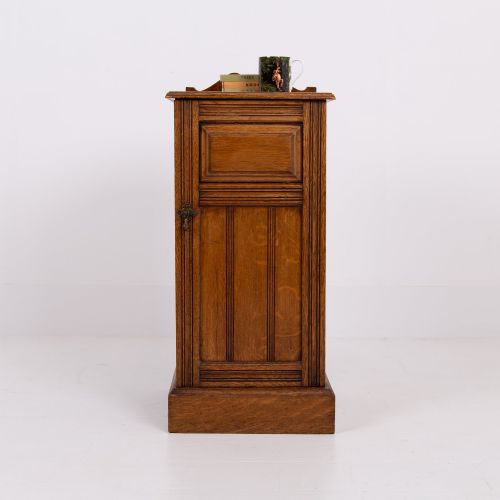
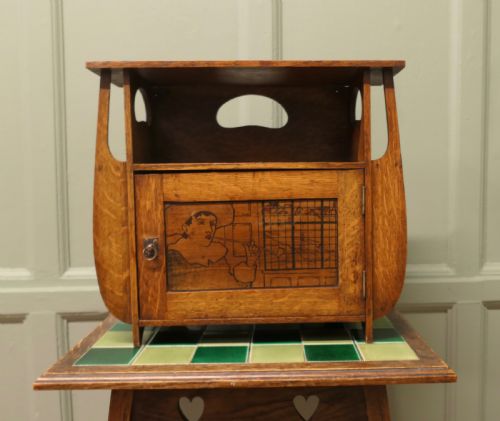
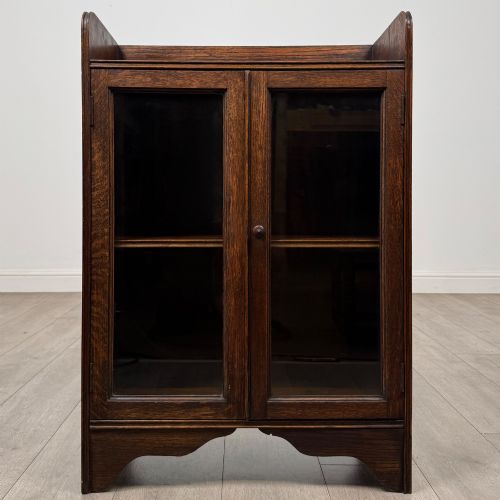
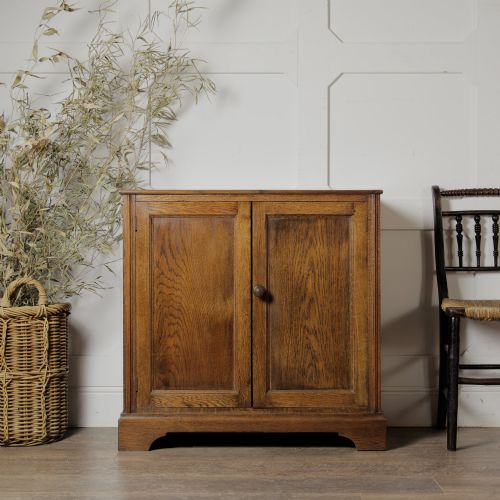


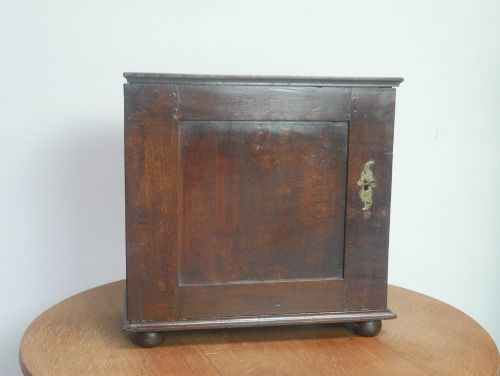
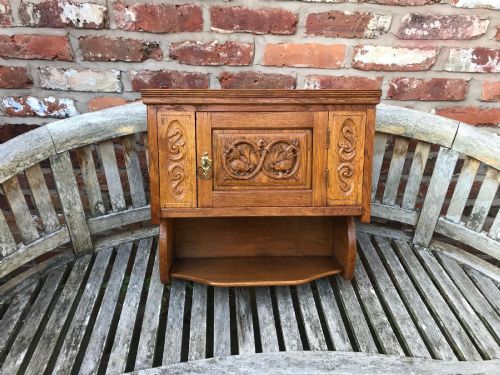
Brown Oak Small Cupboard
These brown oak small cupboards bring rich timber grain and compact proportions to any room, offering versatile storage grounded in centuries of cabinet-making tradition.
Brown Oak Small Cupboard
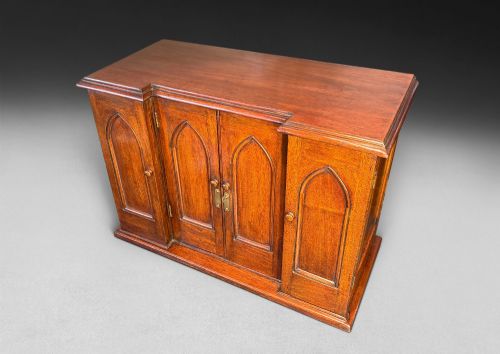
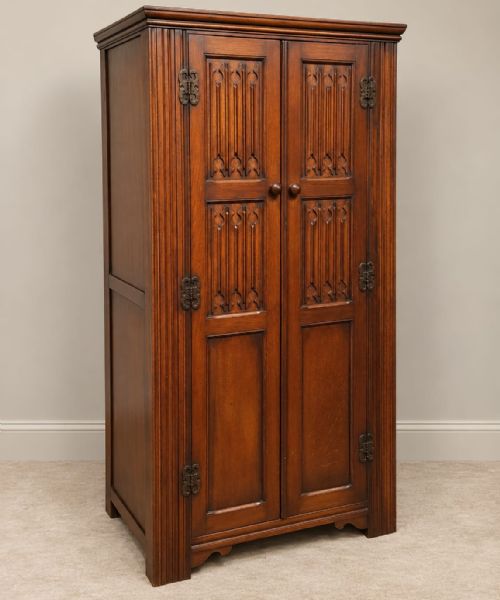
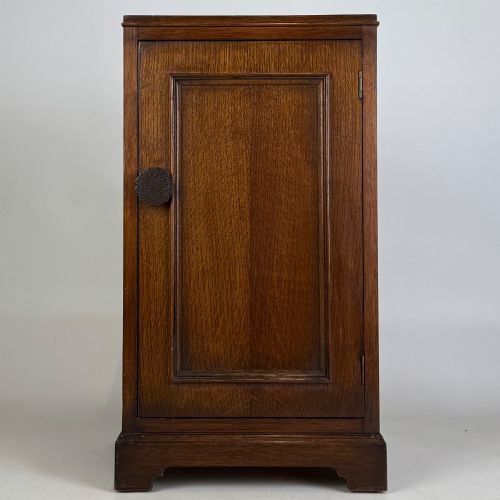
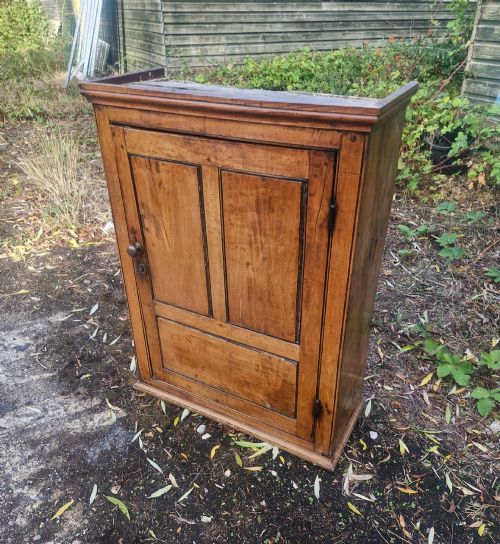
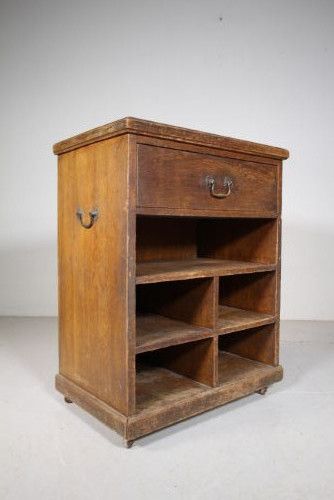
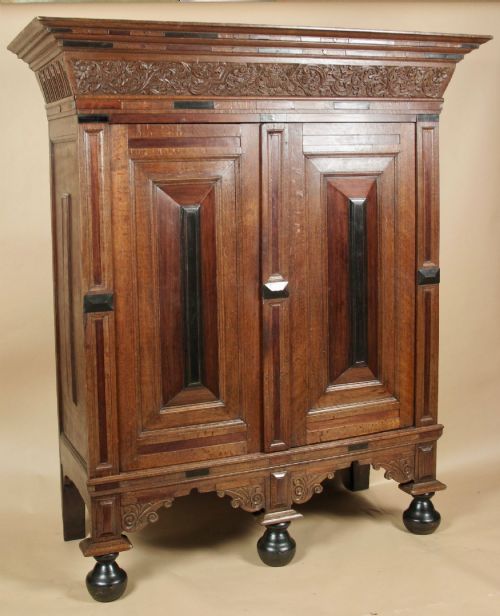
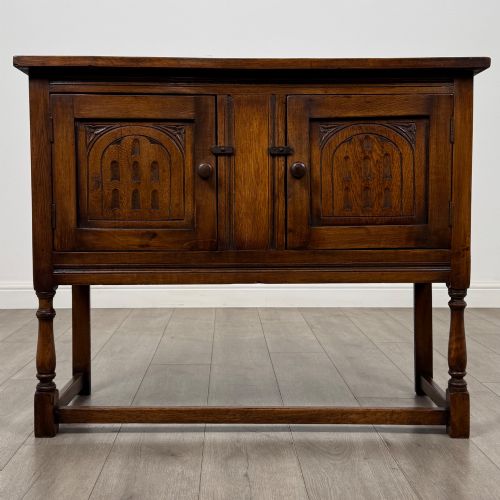
A brown oak small cupboard serves as a compact storage solution, appearing across multiple eras from the eighteenth century through the Edwardian period and the nineteen-thirties. Buyers searching for a brown oak small cupboard encounter forms ranging from wall-hanging spice cabinets and bedside tables to tabletop collectors chests and low floor-standing units.
The selections span domestic functional items like housekeepers cupboards and corner cabinets alongside decorative display pieces and bookcases with integrated cupboards. Regional and stylistic variations include Georgian proportions, Gothic Revival details, Arts and Crafts simplicity, and Jacobean Revival motifs executed in solid oak.
How they were made
Cabinet-makers constructed these pieces primarily using solid oak timber, frequently accented with brass or iron hinges, handles, and locks. Some examples incorporate glass panels for display doors, fabric linings, or contrasting woods such as rosewood and ebony for decorative inlay and moulding details.
Joinery methods relied on traditional framing and panel construction, often featuring hand-carving on doors and friezes, particularly within Gothic Revival and Arts and Crafts pieces. Surfaces were finished to highlight the natural figuring of the oak, sometimes complemented by period metalwork and tile inserts.
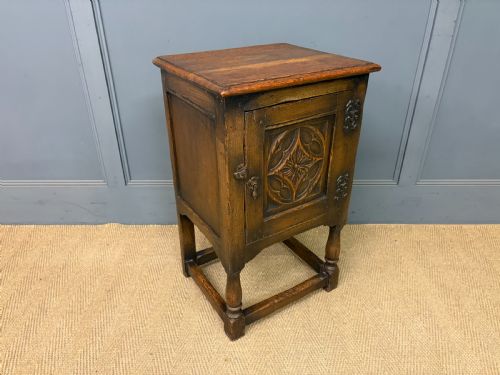
A surprise seventeenth-century close stool masquerades as a charming little bedside chest.
What varies in quality
Quality in these small cupboards rests upon the selection of the timber, the crispness of any hand-carved ornamentation, and the integrity of the original construction. Superior pieces display well-figured brown oak grain that has aged gracefully, coupled with sturdy joints and well-proportioned mouldings.
The retention of original hardware, such as period brass handles and working locks, distinguishes finer examples from those with later replacements. The subtlety of stylistic details, from Jacobean panelling to Arts and Crafts simplicity, further defines the relative standing of individual items.
Gomme·Peter Waals
The Brown Oak Small Cupboard Glossary
- Brown oak
- Timber derived from English oak trees that have contracted a fungus, turning the heartwood a rich, deep brown colour. This natural coloration is prized for its warmth and distinct figuring in cabinet-making.
- Spice cupboard
- A small wall-hanging or tabletop cabinet featuring a panelled door enclosing multiple small interior drawers. These were historically used in country houses for storing valuable spices and medicinal herbs.
- Corner cabinet
- A specialist storage piece designed to fit neatly into the ninety-degree angle of a room. These are often wall-mounted and may feature glazed upper doors for display.
- Jacobean Revival
- A nineteenth-century revival style mimicking the heavy, rectilinear furniture of the early seventeenth century. Pieces in this style typically display strapwork carving, moulded panels, and dark finishes.
- Aesthetic Movement
- A late-nineteenth-century design philosophy prioritising visual beauty over narrative or moral function. Cabinets from this movement often show clean lines and stylised brass mounts.
Brown Oak Small Cupboard: Frequently Asked Questions
What rooms suit a small oak cupboard?
These compact cupboards fit well in bedrooms as bedside storage or in hallways for keys and small items. Their modest proportions also allow them to sit comfortably in smaller living spaces without overwhelming the room.
Wall-hanging versions utilise vertical space effectively in kitchens or studies, providing enclosed storage while keeping floor areas clear.
How do I distinguish eighteenth-century pieces?
Eighteenth-century examples often display hand-cut dovetails, pegged mortise and tenon joints, and timber patination developed over centuries of use. Details like spice drawers inside small cupboards point directly to this earlier domestic function.
Hardware on these pieces typically consists of hand-beaten iron or early brass hinges and escutcheons, differing from the machine-made fittings of later centuries.
Were these cupboards used for food?
Some small cupboards and housekeepers units stored daily provisions, spices, or tableware in period homes. Tabletop spice cabinets kept expensive imported ingredients secure and dry.
Bedside and wall-hanging variants served different household needs, housing personal items, books, or writing materials rather than provisions.
How should I care for brown oak?
Keep oak furniture away from direct heat sources and strong sunlight to prevent the timber from drying out or splitting. Maintaining a stable indoor environment preserves the finish and natural colour of the wood.
Apply traditional beeswax occasionally to nourish the grain and protect the surface without building up synthetic residues.