
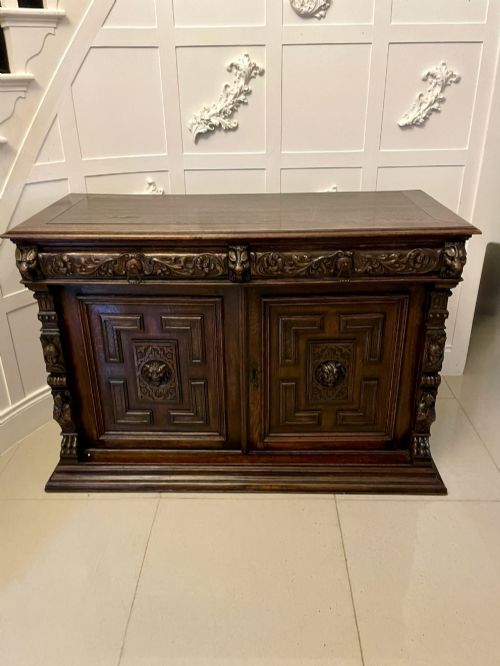
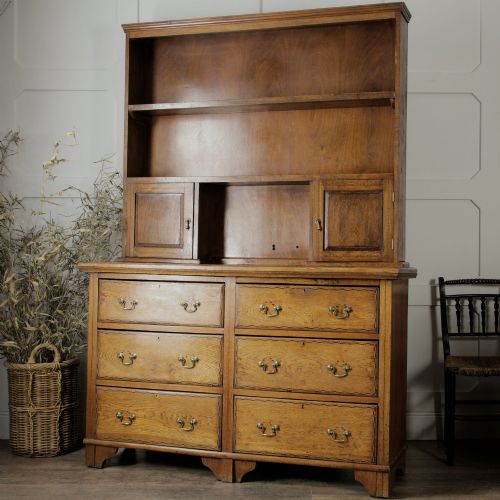
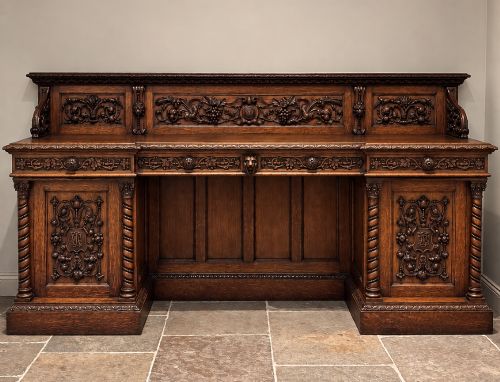
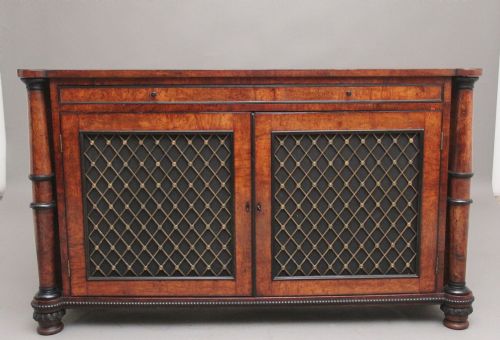
Brown Oak Sideboard Cabinet
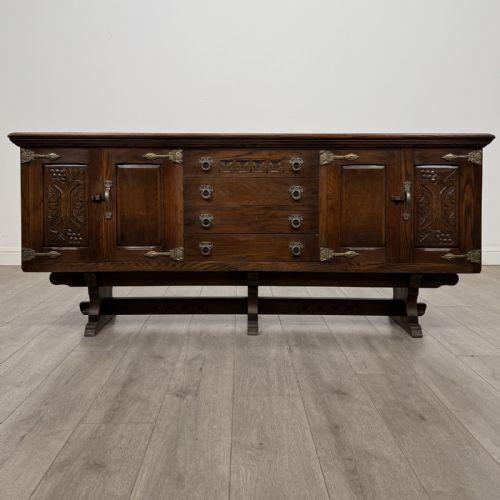
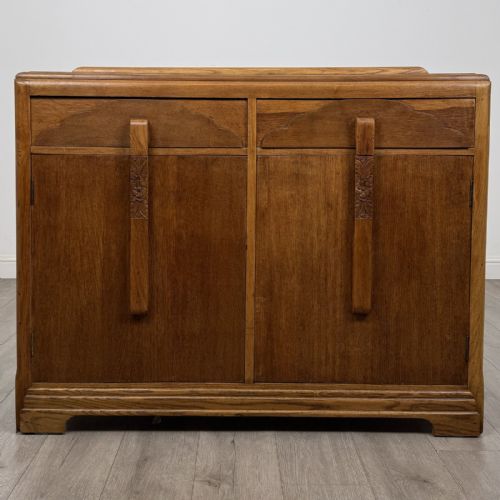
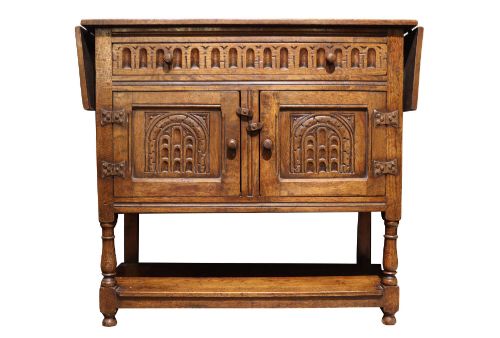
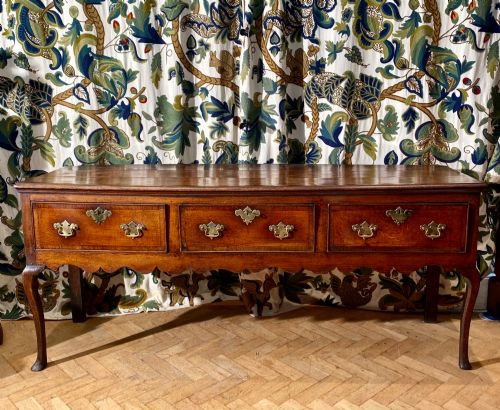
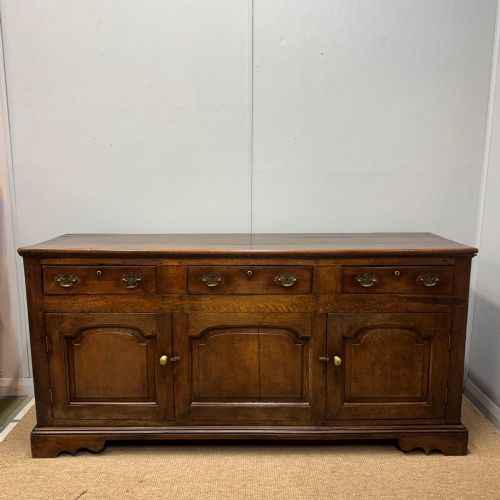
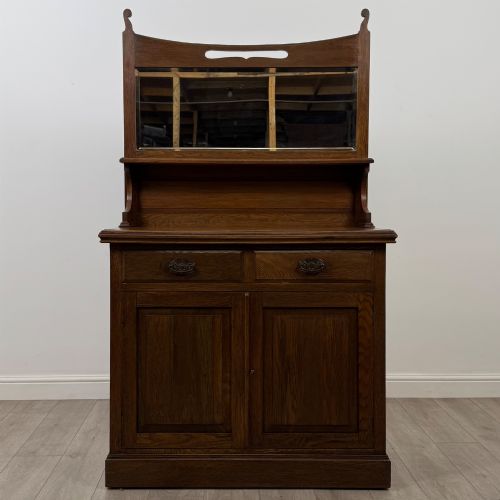
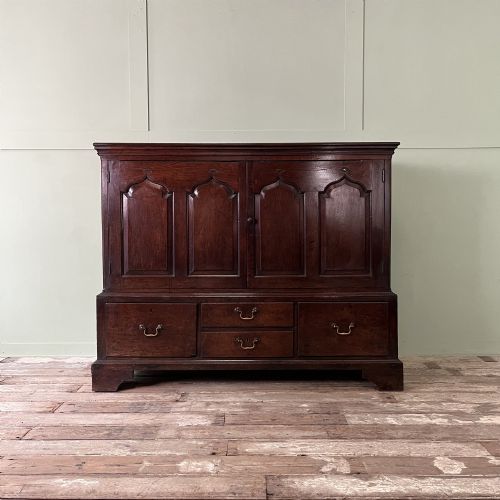
A brown oak sideboard cabinet brings warmth and dependable storage to a room, ranging from robust Georgian court cupboards to elegant Arts and Crafts servers.
Brown Oak Sideboard Cabinet
A brown oak sideboard cabinet encompasses a variety of substantial storage furniture designed for dining spaces and hallways. These pieces appear across several distinct periods, including the Georgian era, the Victorian period, and Edwardian times.
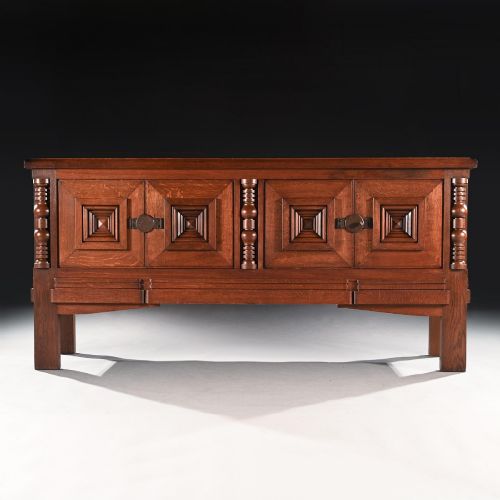
The primary forms found in this search phrase include traditional sideboards, low dressers, cupboards, and glass-fronted display cabinets. Many examples feature robust oak construction, sometimes utilising honey oak or darker tones developed over centuries.
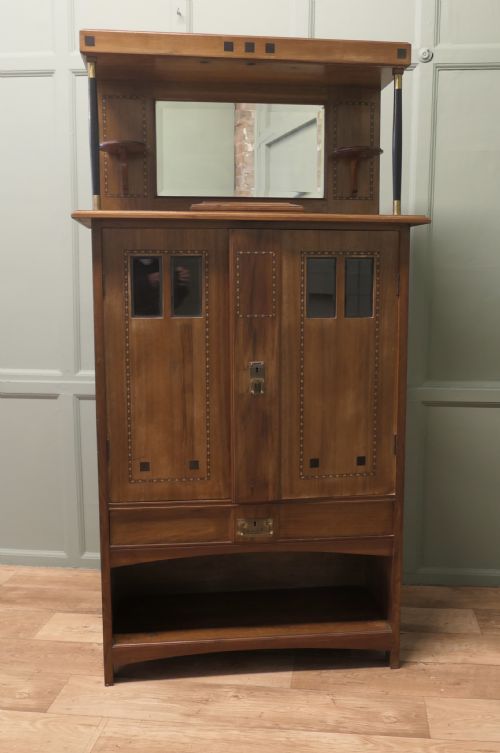
Makers and designers from specific movements like Arts and Crafts also produced significant storage cabinets in oak. Buyers will encounter both fitted cupboards and open dresser bases suited to daily interior use.
Materials and Construction Methods
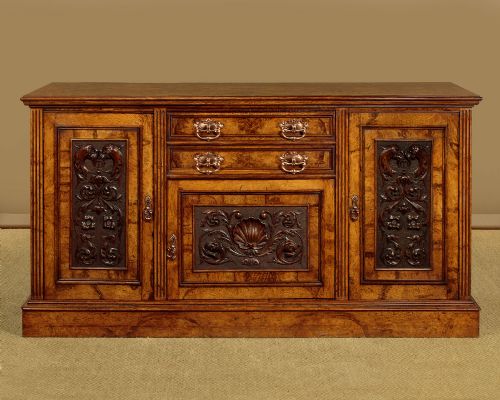
Makers relied principally on solid oak, frequently paired with secondary timbers like fruitwood or mahogany depending on regional traditions. Pollard oak veneers appear on mid-nineteenth-century pieces to create rich, mottled figuring across the timber surface.
Traditional joinery defines these cabinets, utilising pegged mortise and tenon joints for structural endurance. Iron and brass hardware, including drop handles and butterfly hinges, fasten doors and drawers built to withstand heavy domestic use.
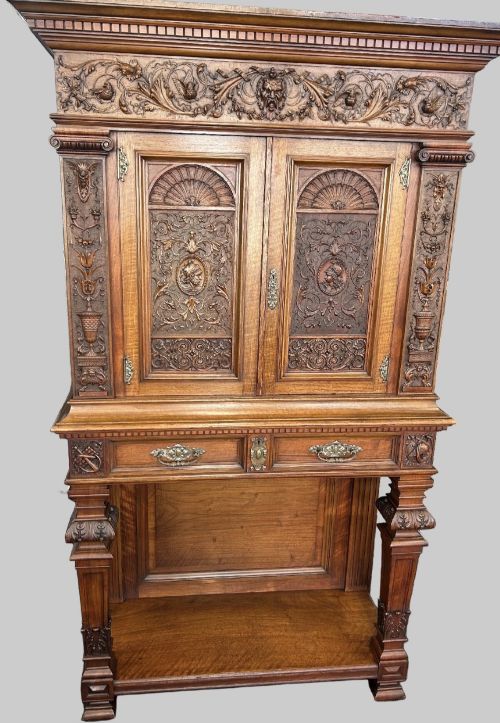
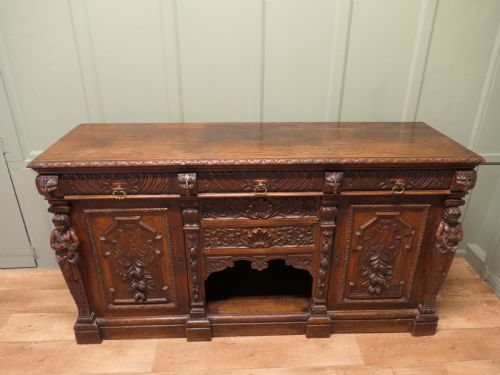
Carving and linenfold panels show the hand of the craftsman, particularly on pieces influenced by Gothic Revival or Jacobean styles. Surface finishes rely on traditional wax polishes that develop a deep patina over generations.
Housemaid cupboards once stored brooms and linens, while hunting cabinets displayed game.
Distinguishing Quality in Oak Cabinetry
The choice of timber grain sets finer examples apart, particularly the rich figuring found in selected pollard oak or tiger oak surfaces. Superior pieces display carefully matched panels where the grain flows logically across doors and drawer fronts.
Carved detail indicates the hand of a skilled artisan rather than mechanical production, seen in the depth and crispness of foliage or linenfold motifs. Original hardware and untouched surface patination contribute significantly to the standing of an antique cabinet.
Ambrose Heal for Heal & Son·Arthur Simpson of Kendal·Peter Waals·Leonard Wyburd
The Brown Oak Sideboard Cabinet Glossary
- Pollard Oak
- Timber taken from trees that were pollarded, producing a dense, highly figured grain pattern often used for decorative veneers on Victorian cabinets.
- Court Cupboard
- A traditional form of enclosed storage furniture, usually featuring upper and lower tiers with carved supports, common in earlier periods.
- Linenfold
- A style of wood carving that imitates folded parchment or linen, frequently seen on Tudor and revival cupboard doors.
- Dresser Base
- The lower section of a Welsh dresser, comprising drawers and cupboards without the upper plate racks.
- Enfilade
- A suite of rooms or a long piece of furniture with a continuous line of multiple doors, typically three, seen in French provincial design.
Brown Oak Sideboard Cabinet: Frequently Asked Questions
What is a brown oak sideboard cabinet?
A brown oak sideboard cabinet is a sturdy storage piece designed for dining rooms and hallways, utilising durable oak timber in styles ranging from Georgian plainness to Arts and Crafts carving.
These items serve to store tableware, linen, and household goods while adding natural warmth and texture to interior spaces through rich wood grains and traditional joinery.
How do I date an antique oak cabinet?
Dating relies on observing construction methods, handle types, and decorative motifs that align with specific periods like the Georgian era, Victorian times, or Edwardian revivals.
Hand-cut dovetails, original brass hardware, and regional carving styles provide clear indicators of when a particular piece was constructed.
Where were these cabinets placed in a home?
Historically, these storage pieces stood in dining rooms, kitchens, and grand halls to hold serving dishes, cutlery, and provisions close to where meals were prepared and eaten.
Today, buyers use them in living areas and hallways as focal storage points that accommodate modern media equipment or everyday household items.
How do I care for antique oak furniture?
Maintaining an oak cabinet involves regular dusting with a soft cloth and the occasional application of traditional beeswax to nourish the timber and preserve its natural sheen.
Keep wooden furniture away from direct heat sources and strong sunlight to prevent the timber from drying out or splitting over time.