

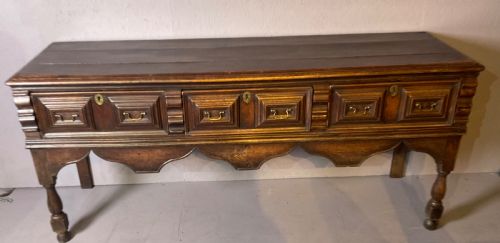


Brown Oak Serving Dresser
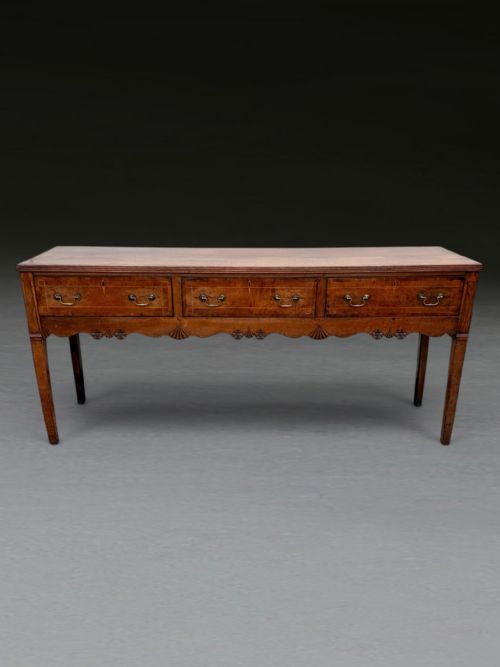
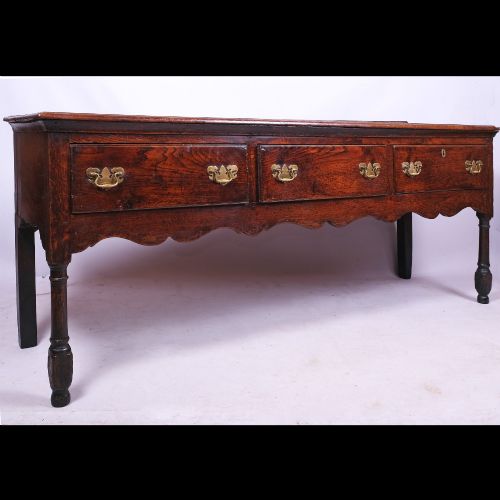
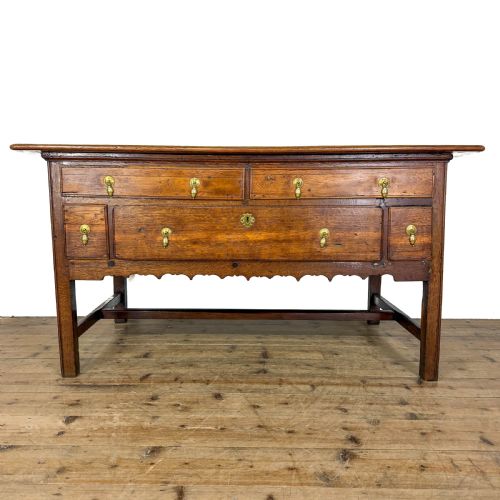
A brown oak serving dresser combines sturdy utility with rich natural timber, offering practical surface space and storage for any room.
Brown Oak Serving Dresser
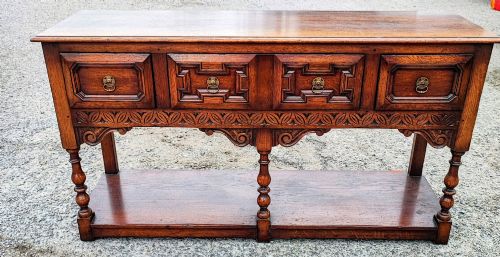
A brown oak serving dresser represents a robust category of traditional furniture designed for domestic storage and display, appearing in forms such as dresser bases, sideboards, and serving tables. When searching for a brown oak serving dresser, buyers encounter various historical iterations spanning from the late seventeenth century through the Edwardian era.
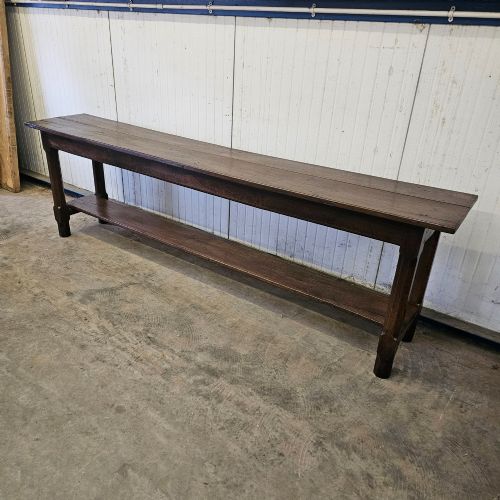
The pieces on this page encompass traditional regional aesthetics including English Country, Jacobean, and French Provincial, alongside formal Georgian and George III designs. Most examples take the form of dresser bases and serving tables, frequently featuring practical drawer configurations and substantial timber construction.
Origins vary across the listed items, ranging from seventeenth-century joinery to nineteenth-century harvest tables and nineteen-hundred revival pieces. Each version maintains a focus on serving functions, whether utilised in a dining room or as a console table in a hallway.
Materials and construction
Construction relies heavily on solid oak timber, prized for its durability and distinctive grain patterns, occasionally complemented by fruitwood accents. Artisans shaped these pieces using traditional joinery methods appropriate to their respective periods, from seventeenth-century framing to later Edwardian cabinetmaking.
Hardware and decorative elements incorporate brass fittings and occasional inlaid detail to enhance the visual appeal of the oak surfaces. These materials work together to create heavy, stable furniture designed for generations of daily use.
Brown Oak Serving Dresser Retail Price Guide 2026
Typical asking prices for brown oak serving dresser among the pieces listed under this phrase on Sellingantiques today, from the lower quarter to the upper quarter. They describe what is for sale here now, not the wider market.
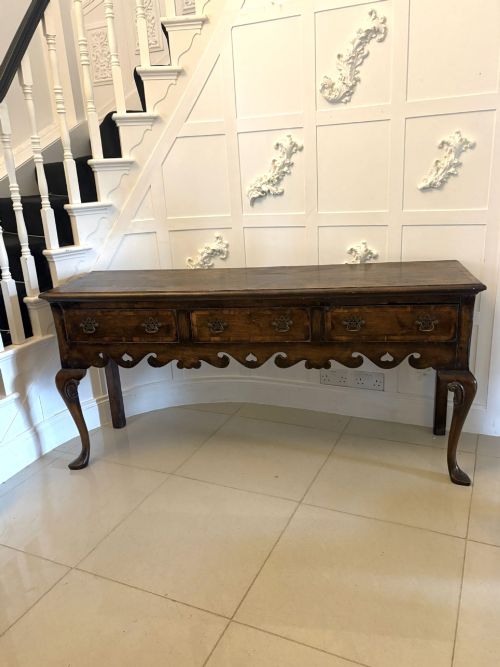
One eighteenth-century piece arrives with three drawers, proving that even centuries ago, people had too many stray keys to manage.
Assessing quality and character
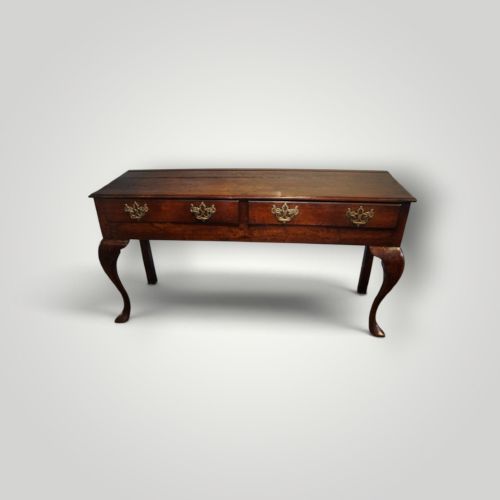
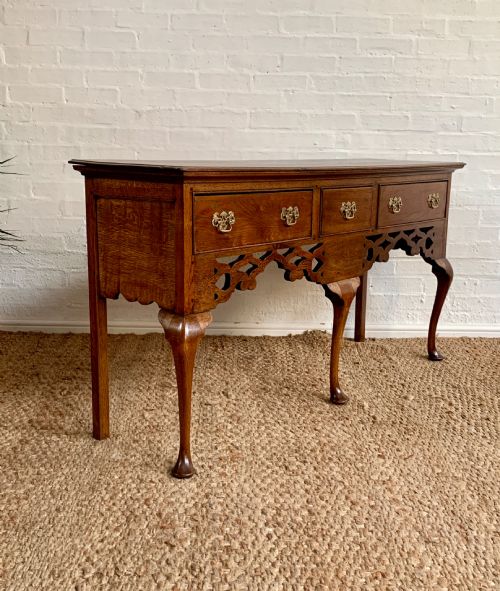
Quality in these brown oak serving dressers rests upon the depth of the timber's grain, the crispness of any period carving, and the integrity of the original construction. Pieces exhibiting finer proportion, such as well-balanced cabriole legs or subtle inlaid detail, demonstrate a higher degree of craftsmanship.
Age and regional origin also influence the character of each piece, distinguishing utilitarian country furniture from formal urban commissions of the eighteenth century. The handling of the oak surface, whether left rustic or finished with refined polish, dictates the overall tactile experience.
The Brown Oak Serving Dresser Glossary
- Dresser base
- A low wooden sideboard or storage unit featuring drawers and sometimes cupboards, historically used for food preparation and serving.
- Cabriole leg
- A furniture leg that curves out and then narrows down to a foot, popular in eighteenth-century design.
- Fruitwood
- Dense timber harvested from fruit-bearing trees, utilised by historical cabinetmakers for contrasting inlay or smaller components.
- Inlaid detail
- Ornamental patterns created by embedding contrasting materials into the surface of the primary oak timber.
Brown Oak Serving Dresser: Frequently Asked Questions
What is a brown oak serving dresser used for?
These pieces function primarily as serving tables or sideboards in dining spaces, offering generous top surfaces for food presentation and drawer storage for cutlery and linen.
They also adapt well to hallways and living areas as console tables, providing a solid surface for lamps and decorative objects.
How do I date a brown oak serving dresser?
Dating relies on observing structural characteristics, hardware styles, and the specific proportions associated with periods like the seventeenth century, Georgian era, or Edwardian times.
Details such as cabriole legs, drawer construction methods, and the presence of inlay offer clear indicators of the period in which the piece was made.
Are these dressers solid oak?
The listings on this page consist of oak as the primary timber, often supplemented by fruitwood and brass elements depending on the specific style and origin.
Cabinetmakers utilised the strength of oak to build heavy, durable furniture capable of withstanding centuries of domestic use.
How do I care for antique oak furniture?
Maintenance involves keeping the timber away from direct heat sources and sudden humidity changes to prevent the wood from splitting or warping.
Applying a suitable wax polish periodically helps nourish the grain and protects the natural finish of the oak.