




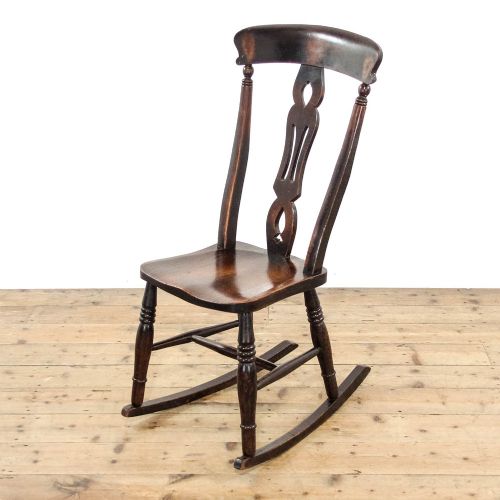
Brown Oak Rocker
A brown oak rocker brings sturdy vernacular comfort to a room, offering centuries of regional woodworking skill in a single seat.
Brown Oak Rocker
When you search for a brown oak rocker, you encounter practical seating and nursery pieces spanning from the seventeenth century through to the 1930s. These items range from farmhouse armchairs and windsor forms to infant cribs and lambing chairs.
The versions most frequently met on this page belong to the Victorian period and the nineteenth century, often reflecting regional English, Scottish, and Welsh vernacular traditions. They combine functional timber frames with specific rocking mechanisms or curved base rails.
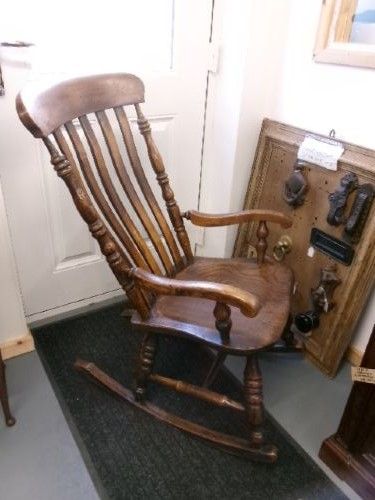
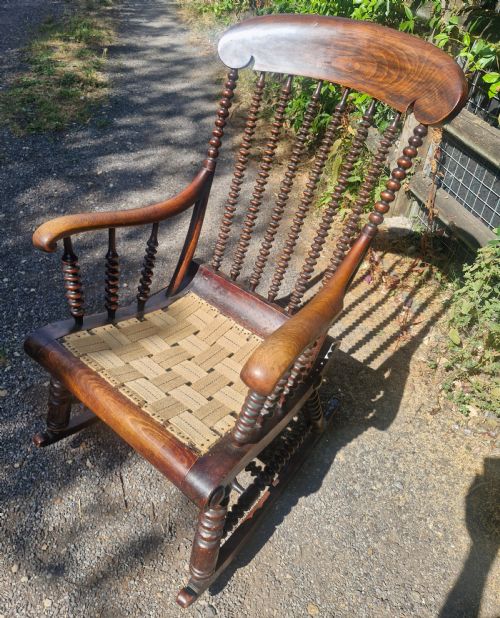
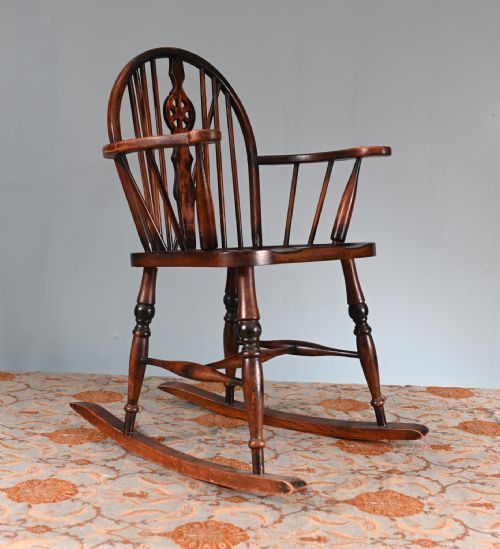
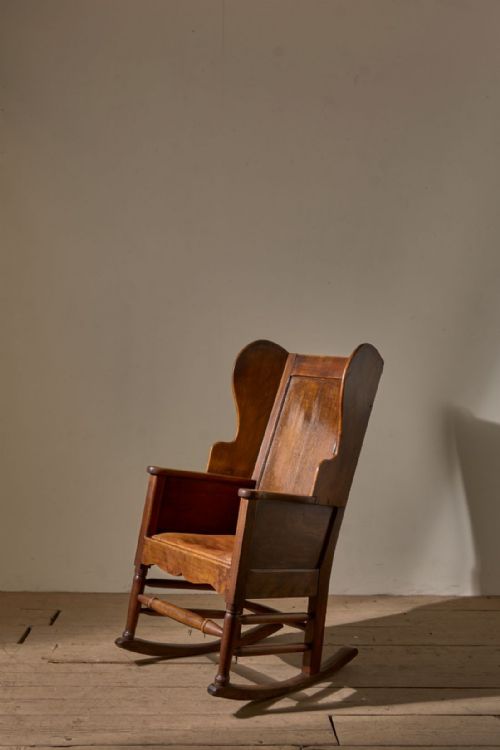
Forms include spindle backs, wheelbacks, bobbin frames, and panelled seats designed for fireside or domestic utility. Each piece demonstrates how traditional makers adapted domestic seating for motion using locally available hardwoods.
How they were made
Makers utilised oak alongside complementary timbers such as elm, beech, and ash to construct these chairs and cradles. Frames often combine solid wood panels, turned spindles, or bobbin framing to balance structural strength with rhythmic movement.
Seating areas feature solid moulded timber, woven webbing, cane, or leather inserts attached to the wooden frameworks. Component parts rely on traditional joinery techniques suited to country workshops and vernacular furniture production.
Brown Oak Rocker Retail Price Guide 2026
Typical asking prices for brown oak rocker among the pieces listed under this phrase on Sellingantiques today, from the lower quarter to the upper quarter. They describe what is for sale here now, not the wider market.
Listings feature items spanning from the 17th century to 1930, utilising oak, elm, beech, ash, cane, and leather.
What varies in quality
Quality differences depend upon the integrity of the timber framing and the preservation of original structural components like spindles, arms, and rocking rails. Pieces displaying crisp turnings and solid joinery stand apart from those with heavy replacements.
The sophistication of regional vernacular design also sets examples apart, from simple nineteenth-century workshop output to earlier seventeenth-century and eighteenth-century forms. The balance between the primary oak structure and secondary woods dictates the visual cohesion of the piece.
The Brown Oak Rocker Glossary
- Windsor
- A chair style featuring a solid wooden seat into which the legs, back sticks, and arms are separately jointed. This form appears frequently in nineteenth-century country seating.
- Vernacular
- Everyday furniture built by local craftsmen following regional traditions rather than high-style metropolitan fashions. Scottish and Welsh examples illustrate this approach.
- Bobbin
- A turned furniture member shaped to resemble wooden spools or bobbins threaded onto a string. This decorative turning defines specific Victorian framing styles.
- Lambing chair
- A high-backed enclosed seat traditionally designed to protect the occupant from draughts near a hearth. Early examples sometimes sit upon curved wooden rockers.
- Spindle back
- A chair back constructed from numerous thin turned rods or uprights. This construction lightens the visual weight of heavy timber seating.
Brown Oak Rocker: Frequently Asked Questions
Are these rockers comfortable for daily use?
Most pieces were built for functional domestic tasks or fireside rest rather than deep modern lounging. Their upright backs and solid seats offer firm support.
Adding a loose cushion can adapt the seating for contemporary living rooms while preserving the original wooden frame.
How do I identify a Victorian rocker?
Victorian examples often display characteristic turned spindles, bobbin frames, or wheelbacks combined with oak, beech, or elm construction. They frequently reflect regional farmhouse or Windsor styles.
Comparing the turning style and timber patination helps distinguish these nineteenth-century pieces from earlier vernacular items.
Can I use an antique oak cradle safely?
Historic cradles and cribs are primarily collected as decorative objects or display pieces rather than for modern infant sleeping. Safety standards for children's furniture have evolved significantly.
Evaluating the structural stability of the base rails and side panels is essential if the piece remains in a domestic setting.