




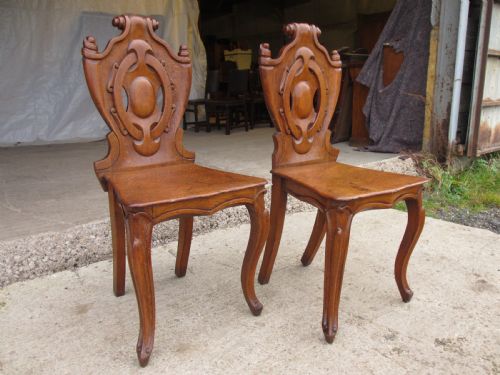
Brown Oak Entry Chairs
Brown oak entry chairs bring striking historic presence to a hallway, offering solid timber construction and distinct period character.
Brown Oak Entry Chairs
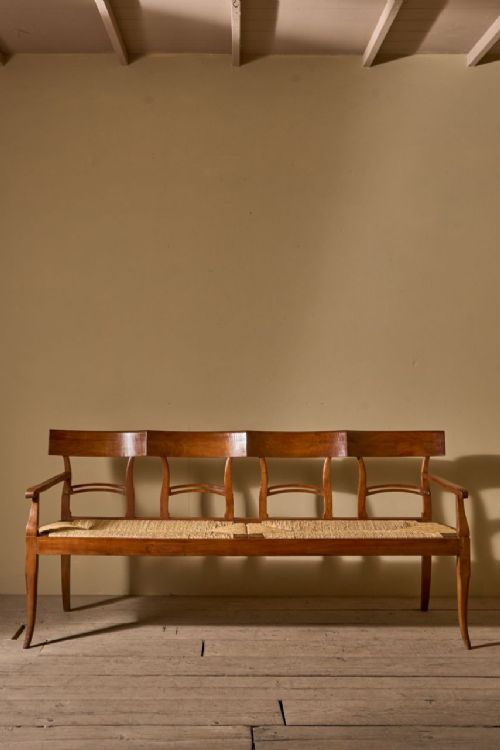
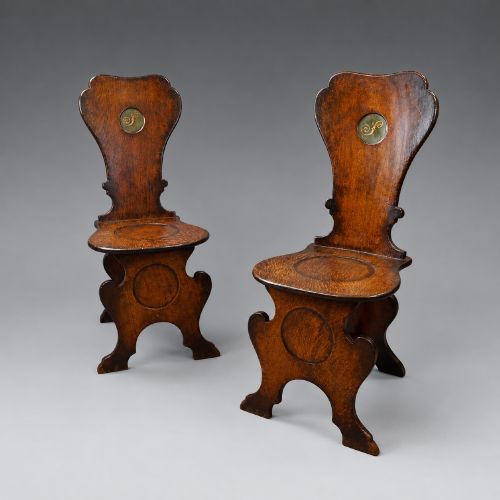
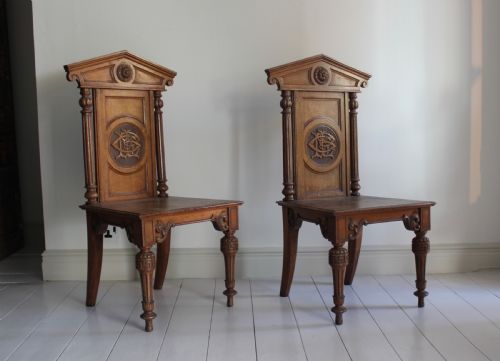
When you search for brown oak entry chairs, you are looking at sturdy seating designed for hallways, receptions, and entry spaces, spanning periods from the mid-eighteenth century through the early twentieth century. The selection on this page leans heavily toward nineteenth-century Victorian pieces, alongside Regency and earlier eighteenth-century examples.
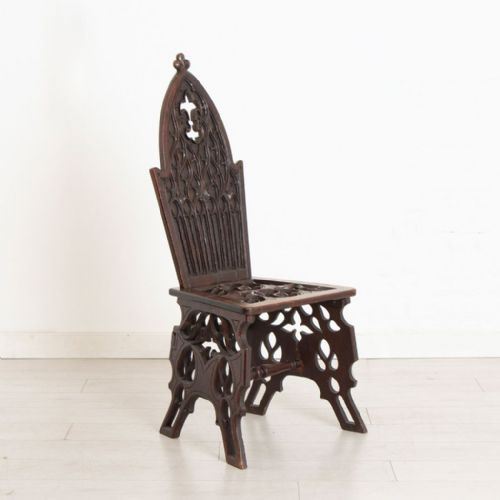
The forms vary from single hall chairs and matched pairs to benches and versatile monks benches that double as tables. You will encounter distinct revival styles, including Jacobean, Gothic, and French Provincial, reflecting the Victorian enthusiasm for historical design.
Origins span English workshops to Scottish and French makers, utilising robust timbers suited to high-traffic entrance areas. These pieces function both as practical seating and architectural statements in a home.
Materials and construction
The primary material across these listings is solid oak, complemented by occasional variations in cherrywood, alongside supporting elements in leather, rush, and ceramic Minton tiles. Workshops relied on traditional joinery methods to build rigid, durable frames capable of enduring regular hallway use.
Carving plays a central role in the ornamentation, featuring detailed relief work on shield backs and panels. Surface treatments range from polished natural timber finishes to painted highlights that emphasise the grain and carved motifs.
Object types on this page include single hall chairs, matched pairs, multi-piece sets, benches, and convertibly hinged monks benches.
Judging quality in historic seating
Quality in these entry chairs rests on the depth and crispness of the timber carving, where hand-tooled details distinguish ambitious workshop production from simpler output. The choice of stock timber also matters, with richly figured brown oak commanding greater visual weight than plain planks.
Integrity of construction defines the upper tier, where joints remain tight and original timber surfaces show honest patination rather than over-restoration. Matched pairs and sets maintain higher coherence in proportion and decorative program than assembled groups.
Gillows of Lancaster
The Brown Oak Entry Chairs Glossary
- Hall chair
- A rigid wooden seat intended for an entrance hall or passage, usually featuring a high carved back and a solid timber seat without upholstery.
- Sgabello
- A Renaissance-style chair form featuring a narrow wooden seat supported by trestle-like slab legs and an upright back.
- Monks bench
- A multifunctional piece of furniture with a hinged top that folds down to convert the chair back into a table surface.
- Shield back
- A chair back shaped in the outline of a heraldic shield, popular in eighteenth and nineteenth-century formal seating.
- Gothic Revival
- An architectural and decorative style drawing inspiration from medieval Gothic forms, marked by pointed arches, tracery, and quatrefoils.
Brown Oak Entry Chairs: Frequently Asked Questions
What is a brown oak entry chair?
A brown oak entry chair is a sturdy wooden seat designed for hallways and reception spaces, typically featuring a high decorative back and solid timber construction.
These pieces were historically placed in entrances to provide brief seating for visitors or family members before entering the main rooms of a house.
How were hall chairs used historically?
Hall chairs served primarily as functional furniture in grand entryways and corridors, often displaying family crests or elaborate carving to impress guests.
Because they were meant for short-term waiting rather than long lounging, their wooden seats and upright backs encouraged proper posture.
How do I live with antique entry chairs?
You can use these chairs as practical seating in a narrow hallway, or place them against a living room wall as sculptural accent pieces.
Protect the timber from direct heat sources and sudden humidity changes to keep the dry oak stable and preserve the original finish.
How do I tell Victorian hall chairs apart from earlier styles?
Victorian examples often display heavy revival influences such as Gothic tracery, shield backs, or inset ceramic tiles, reflecting nineteenth-century historicism.
Earlier pieces from the eighteenth century typically exhibit cleaner, more restrained proportions and simpler joinery techniques characteristic of their period.