
Brown Oak Display Unit
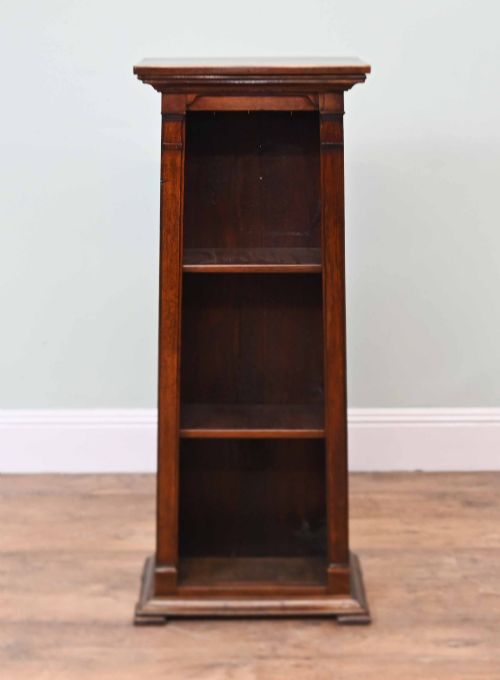
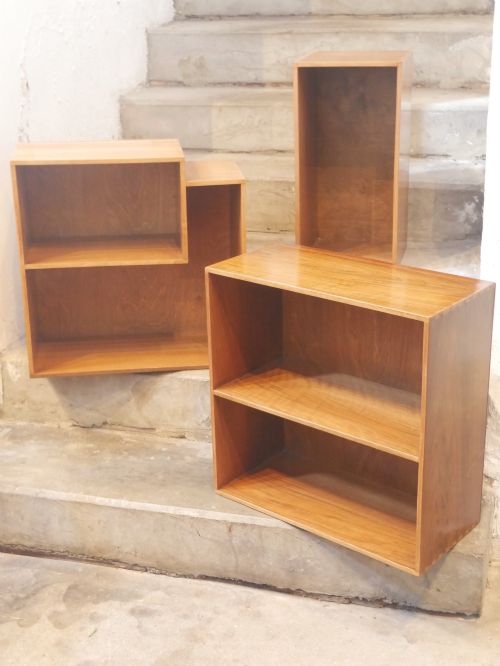
A brown oak display unit brings warmth and architectural grain to a room while keeping books and objects safe behind glass or on open shelves.
Brown Oak Display Unit
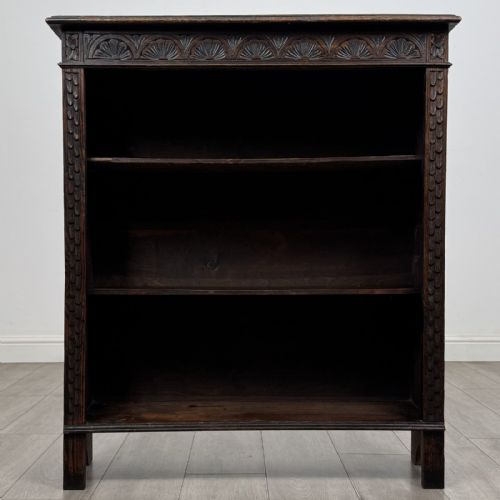
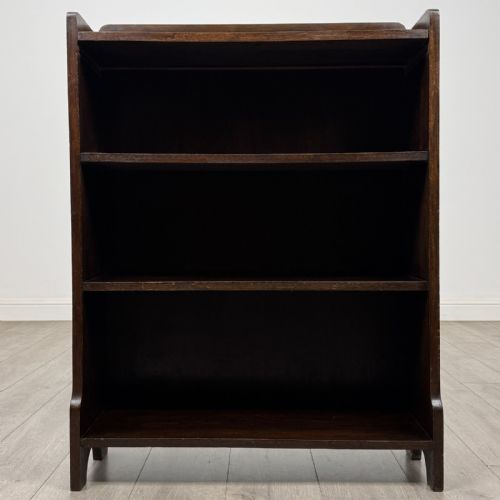
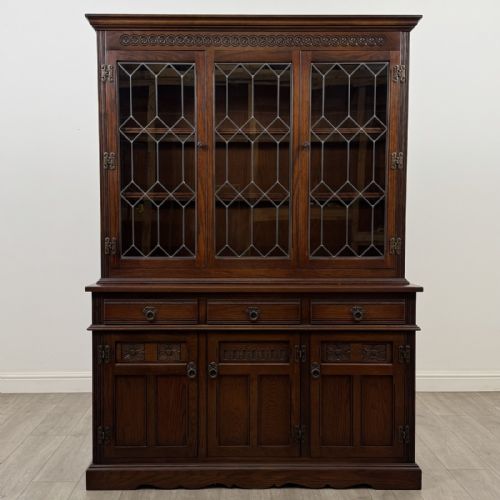
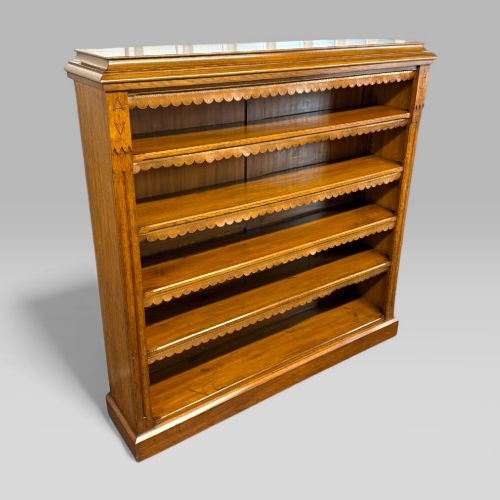
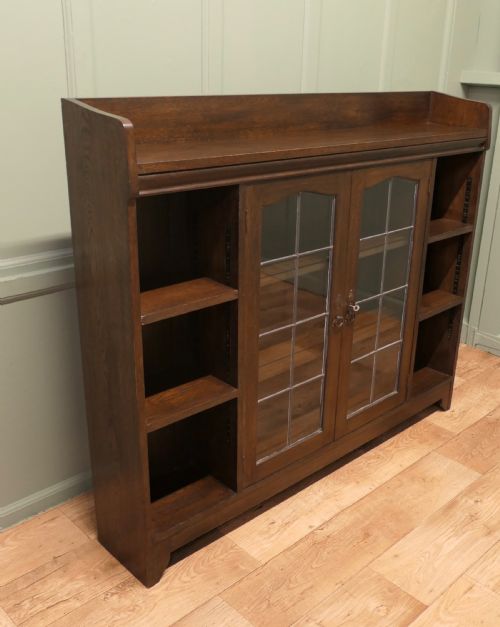
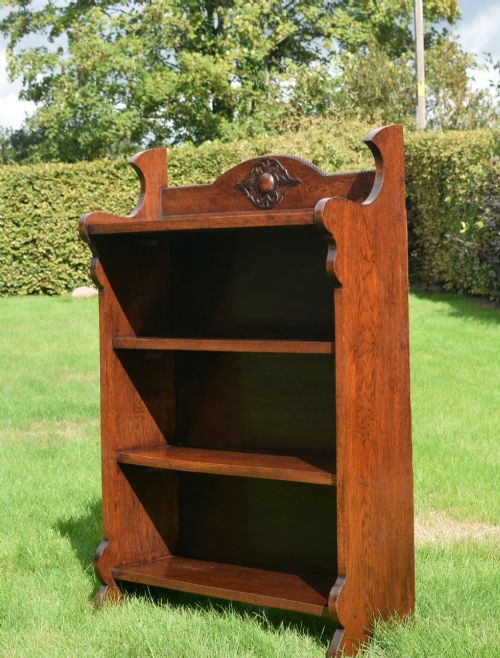
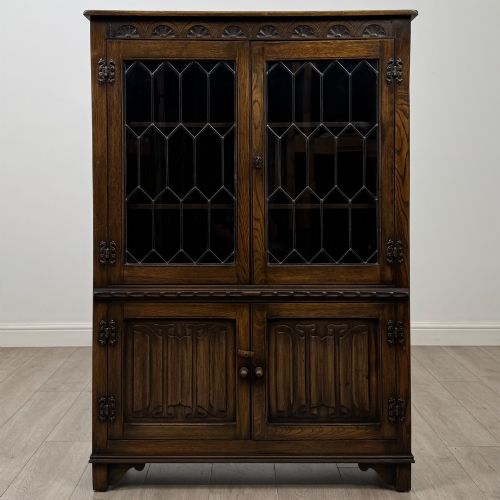
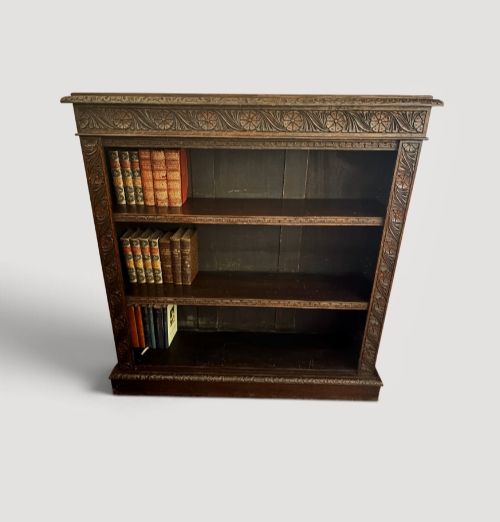
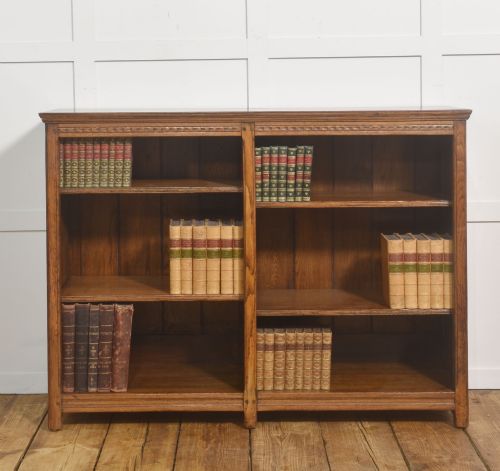
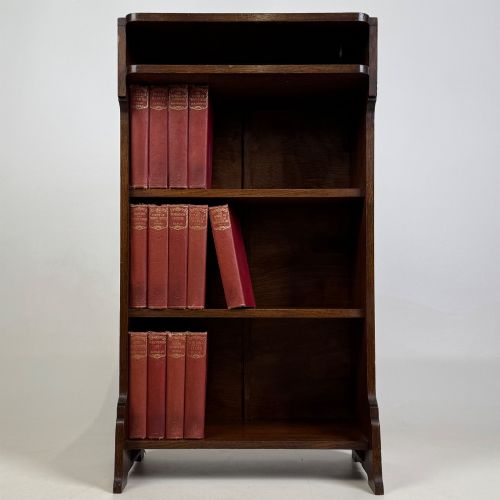
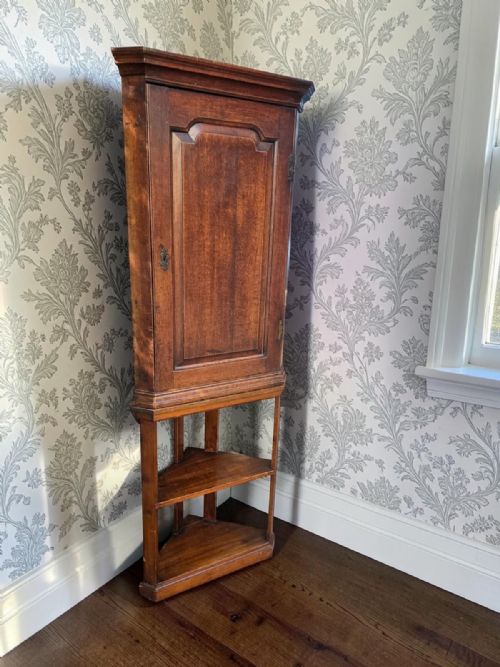
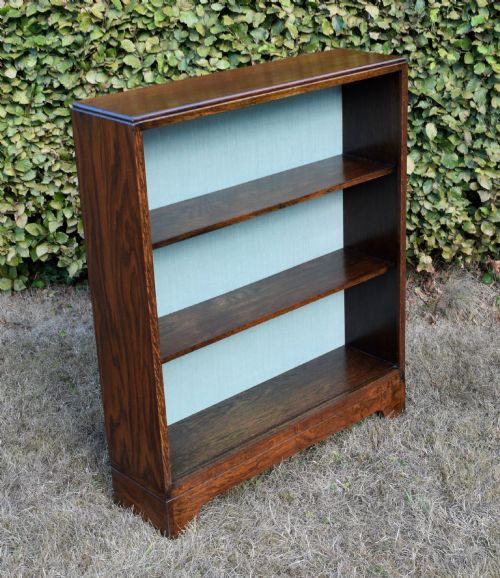
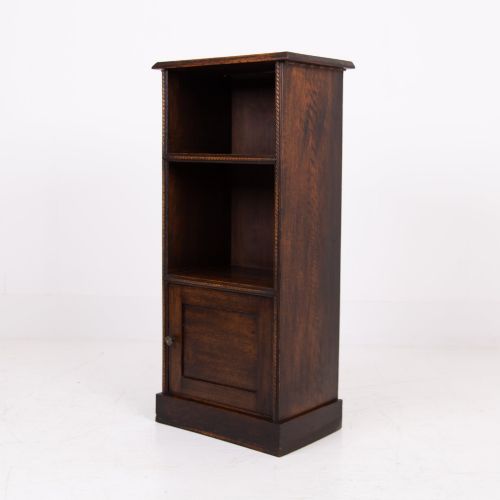
A brown oak display unit encompasses bookcases, corner cabinets, wall shelves, and dressers built primarily from oak across the eighteenth, nineteenth, and early twentieth centuries. Buyers searching this phrase most frequently encounter Edwardian and Victorian glazed cabinets or open bookcases with adjustable shelving.
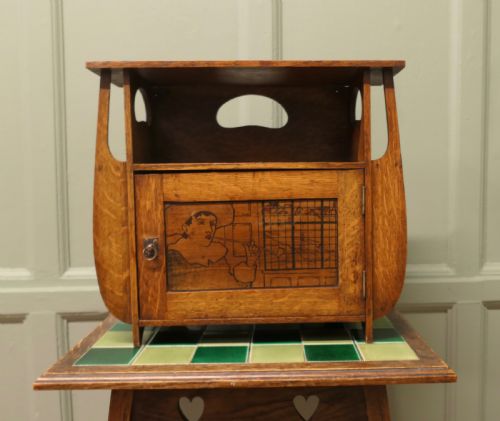
The forms range from compact corner cupboards on stands to tall freestanding bookcases and low wall-mounted cabinets. Makers built these pieces in styles spanning Jacobean Revival, Arts and Crafts, Art Deco, and Georgian traditions, often incorporating brass handles and leaded glass doors.
Originating largely from British workshops and domestic houses, these units served practical storage functions in libraries, parlours, and dining rooms. The timber displays the distinct brown tones and prominent grain characteristic of mature oak timber utilised by period joiners.
How they were made
Makers constructed these units using solid oak boards, frequently complemented by pollard oak veneers for decorative effect on prominent surfaces. Carved edges, decorative cut-outs, and beaded detailing demonstrate traditional hand-joinery techniques applied to framing and panel construction.
Fittings such as brass hinges, handles, and iron brackets secured doors and supported internal shelving. Glazed sections utilised plain, sliding, or leaded glass panes held securely within rebated wooden frames.
Plywood and walnut appear occasionally in specific secondary components or later twentieth-century iterations. Structural integrity relied upon mortise and tenon joints alongside straightforward tongue and groove backing.
The furniture styles represented across current inventory include Victorian, Edwardian, Art Deco, and Arts and Crafts traditions.
What varies in quality
The standard of timber selection and grain figuring dictates much of the visual appeal, where rich pollard oak or deeply patinated brown oak commands greater presence than plain stock. Joinery precision, seen in the neatness of carved borders and the smooth operation of sliding doors or adjustable shelving mechanisms, separates utilitarian pieces from finer workshop productions.
Hardware choices reflect the original tier of the piece, with substantial brass handles and leaded glass indicating more ambitious commissions. Structural preservation, including the retention of original backboards and stable timber movement, governs the long-term integrity of each cabinet.
Heals
The Brown Oak Display Unit Glossary
- Pollard oak
- Timber taken from trees that were pollarded, resulting in highly decorative, clustered grain patterns. This sought-after figuring appears on select Victorian and Edwardian furniture panels.
- Adjustable shelves
- Shelving supported by moveable pins or ratchets allowing variable vertical spacing. This practical interior feature appears across nineteenth and twentieth-century bookcases.
- Corner cabinet
- A storage unit specifically shaped to fit flush into the corner of a room. These pieces utilise awkward spaces efficiently and occur in both floor-standing and wall-mounted formats.
- Arts and Crafts
- A design movement prioritising traditional craftsmanship, visible construction, and simple forms. Pieces from this style often feature decorative cut-outs and unpretentious oak surfaces.
Brown Oak Display Unit: Frequently Asked Questions
How do I style a brown oak display unit?
Integrating one of these units into a room relies on balancing the warm, heavy tones of the oak timber with lighter surrounding walls and textiles.
Utilise open shelving for frequently accessed books and reserve glazed sections for delicate objects to maintain a tidy, curated appearance.
How do I date an oak display unit?
Dating relies on examining construction methods, hardware styles, and the overarching design movement of the piece. Victorian examples often feature deeper carved ornamentation, while Arts and Crafts pieces showcase simpler structural lines from the early twentieth century.
Were these units used in kitchens?
Some forms, such as dressers and lower corner cupboards, served practical food and tableware storage in domestic kitchens and dining spaces.
Tall bookcases and display cabinets were more commonly placed in libraries, studies, and formal parlours for holding literature and ornaments.