

Brown Oak Display Stand
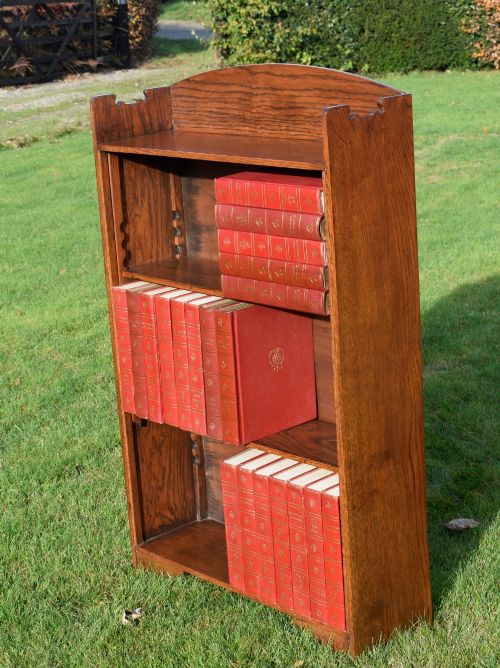
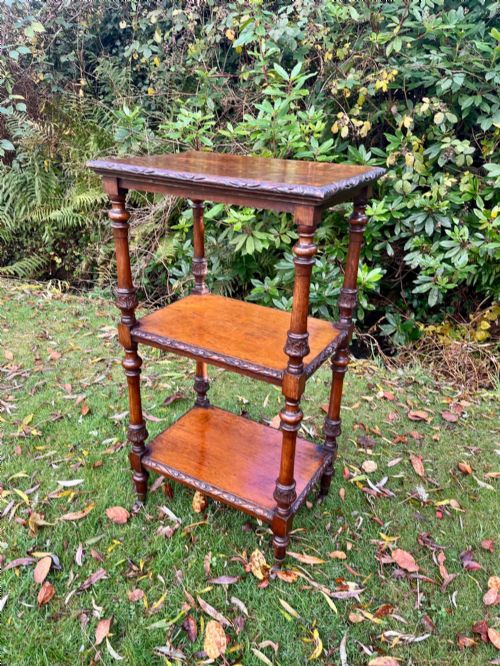
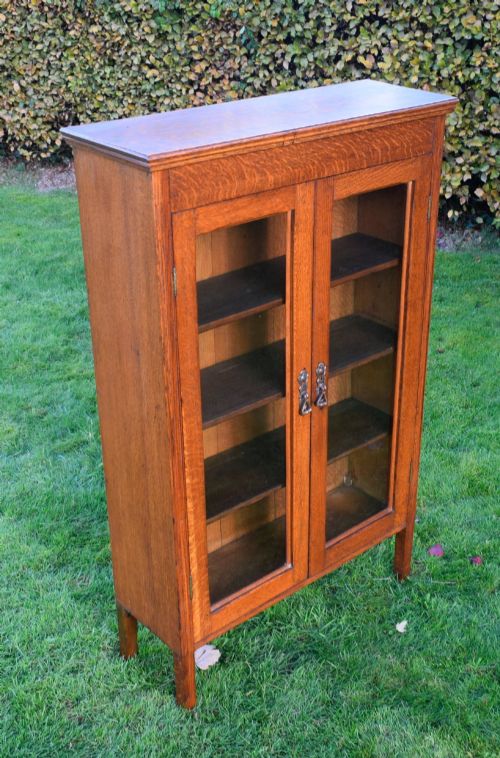
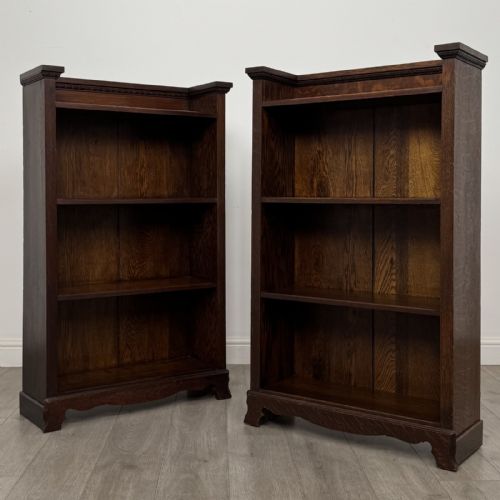
A brown oak display stand brings rich grain and solid timber into a room to hold books, china or prized objects.
Brown Oak Display Stand
A brown oak display stand covers a diverse range of furniture designed to elevate, support or showcase items within a room. When searching for a brown oak display stand, buyers encounter pieces spanning from the Victorian and Edwardian eras through to the 1920s and 1930s.
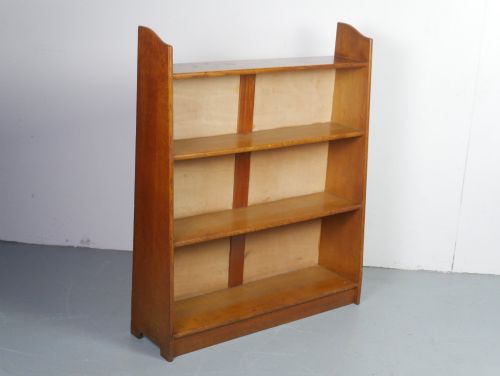
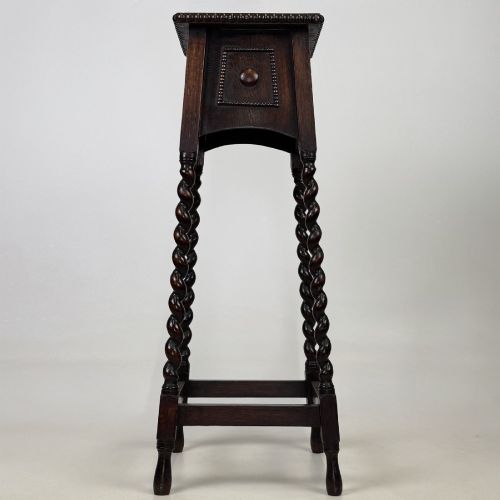
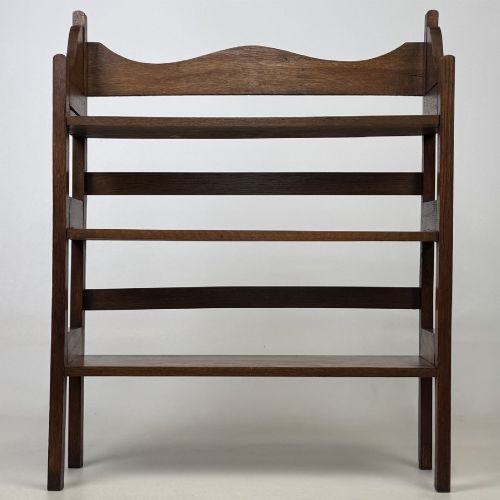
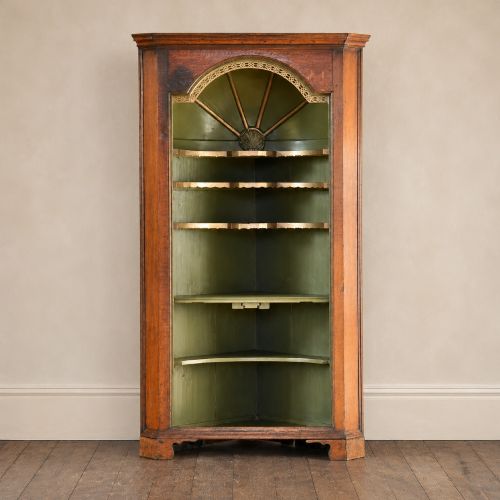
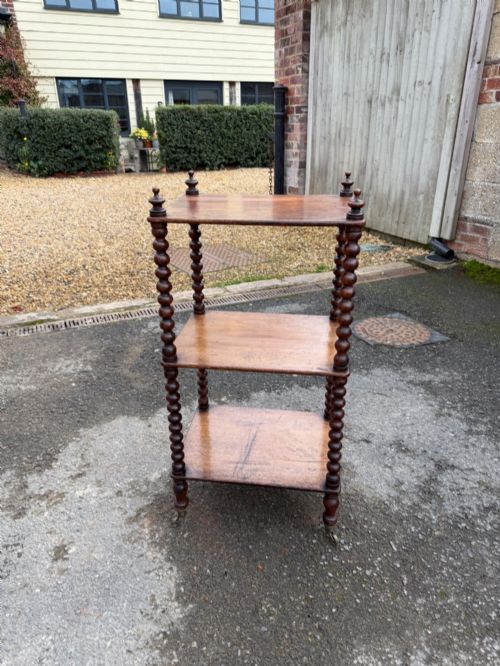
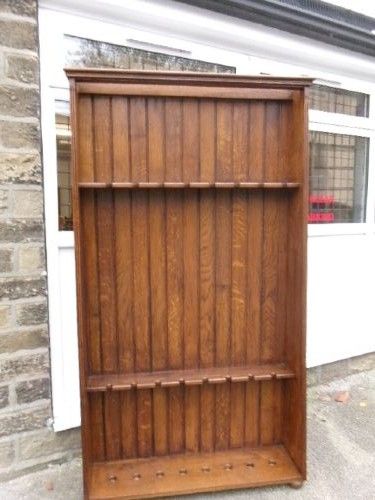
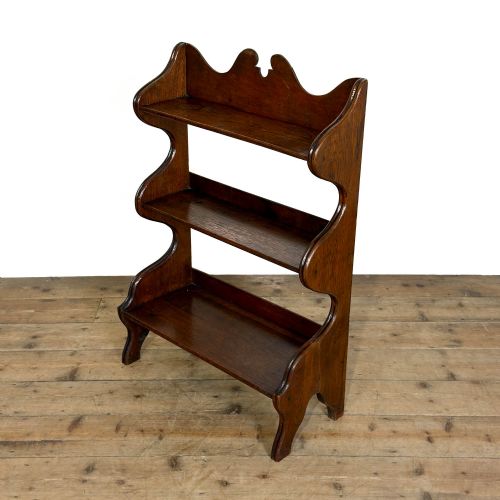
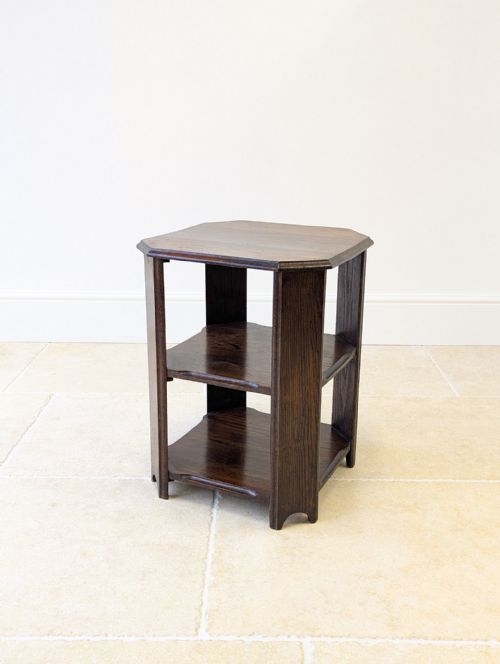
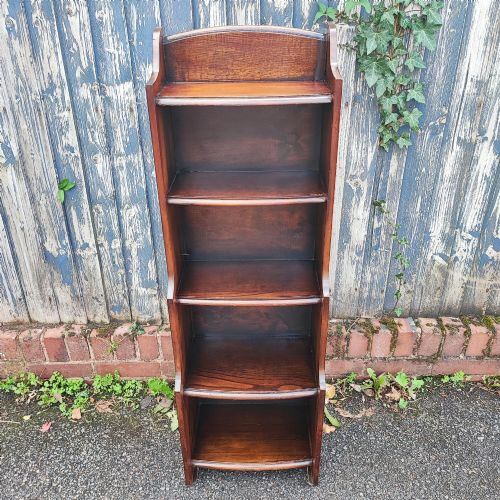
The selection on this page leans heavily towards open bookcases, corner cabinets, side tables, plant stands and occasional tables. Makers of these pieces utilised oak timber alongside brass, glass and occasional panels of mahogany or walnut to create practical household furnishings.
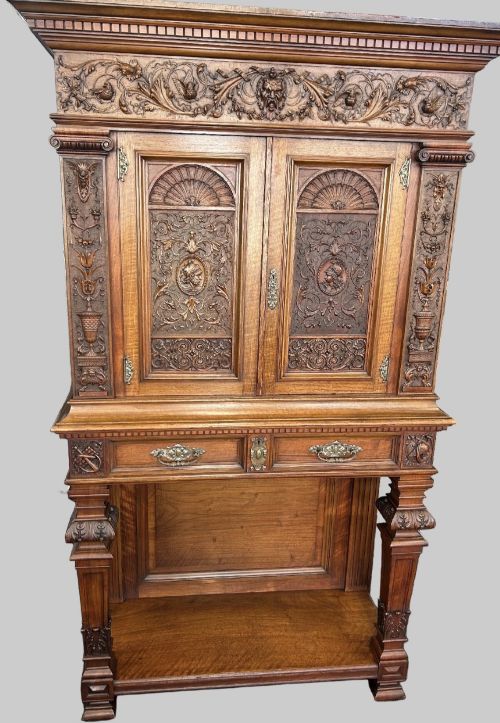
Stylistic influences vary widely across the inventory, drawing on Arts and Crafts, Jacobean Revival, Renaissance Revival and Georgian traditions. Pieces range from simple pegged construction to heavily carved architectural forms such as columns and pedestals.
Separating ordinary items from superior examples
Quality in these pieces rests upon the selection of timber and the integrity of the joinery. Superior examples display dense, figured grain patterns and tight, hand-cut joints rather than mechanical fasteners.
Proportion and decorative restraint distinguish better items from heavier, less successful revivals. Well-executed carving, balanced shelving proportions and original hardware elevate a standard utility piece into a notable example of period craftsmanship.
Brown Oak Display Stand Retail Price Guide 2026
Typical asking prices for brown oak display stand among the pieces listed under this phrase on Sellingantiques today, from the lower quarter to the upper quarter. They describe what is for sale here now, not the wider market.
Gillows·Bowman Brothers
The Brown Oak Display Stand Glossary
- Brown oak
- Timber taken from oak trees that have developed a rich, deep brown natural heartwood colour through fungal action while growing. It is prized for its warmth and strong figurative grain.
- Pegged construction
- A method of joining wooden elements using solid wooden dowels or pins instead of metal nails. This technique allows the wood to move naturally with seasonal humidity changes.
- Raised gallery
- A low decorative railing or rim running along the top edge of a table or bookcase shelf. It prevents items from sliding off the surface.
- Solomonic
- A type of helical or twisted column shape popular in Renaissance Revival and Baroque furniture. It gives a vertical wooden support a dynamic, spiralling appearance.
Brown Oak Display Stand: Frequently Asked Questions
What periods do these stands come from?
The pieces span from the late nineteenth century through the Edwardian period and into the 1920s and 1930s. Earlier examples draw upon eighteenth-century Georgian and revivalist styles.
Craftsmen during these eras produced both utilitarian furniture and decorative statement pieces utilising traditional oak timber.
How do I identify an Arts and Crafts piece?
Arts and Crafts pieces emphasise visible construction methods such as pegged joints, hand-cut dovetails and decorative cut-outs. They avoid excessive ornamentation in favour of honest materials and structural clarity.
These items often date from the late Victorian era up to the 1910s.
Are the shelves adjustable?
Many of the bookcases and display cabinets feature adjustable shelving systems to accommodate varying heights of books or china. Metal tracks or traditional wooden ratchets allow owners to reposition shelves easily.
Check individual item descriptions to confirm whether the shelving is fixed or movable.
Where should I place a display stand?
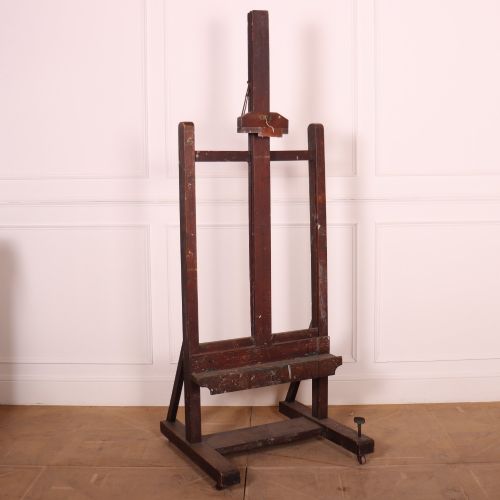
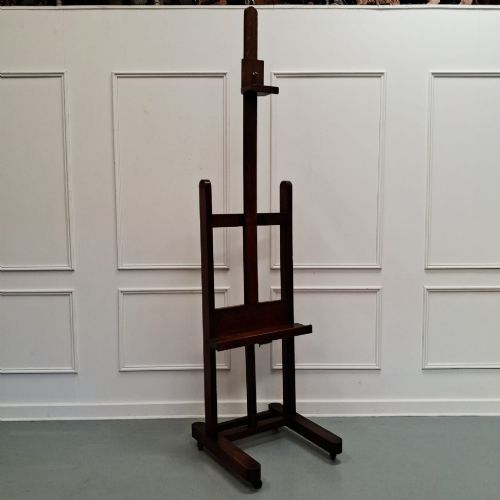
Corner cabinets and floor-standing bookcases suit empty wall junctions or room perimeters, while smaller side tables and plant stands function well beside seating. Easels and pedestals work best in open spaces to highlight single items.
Ensure the piece matches the scale of the surrounding furniture.