



Brown Metal Lamp
These brown metal lamp pieces bring functional illumination and robust period character to an interior.
Brown Metal Lamp
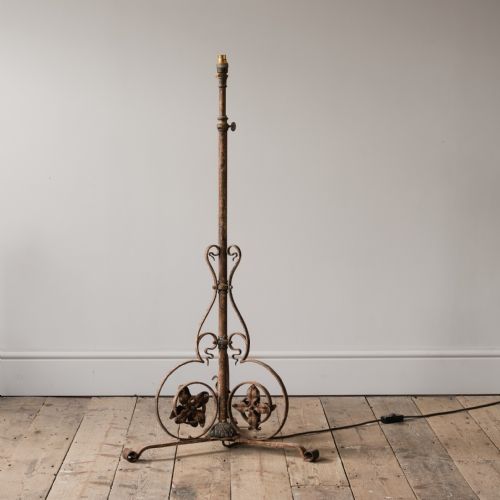
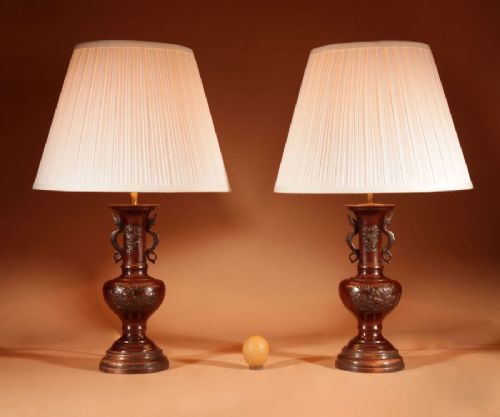
A brown metal lamp encompasses table lamps, desk lamps, floor lamps, and lanterns produced across the nineteenth and twentieth centuries. These pieces utilise metals such as bronze, copper, iron, brass, and spelter to deliver both utility and decorative presence.
Origin and period styles vary widely, drawing on Regency, Gothic Revival, Japanese Meiji, Louis XV, and Neo-Classical aesthetics. Buyers encounter everything from heavy blacksmith-made floor pieces to refined French gilt-metal mounts.
How they were made
Construction relies heavily on metalworking techniques such as casting, forging, and hand-beating. Artisans utilised bronze, brass, iron, and copper, often combining them with glass, fabric, and wood elements like macassar.
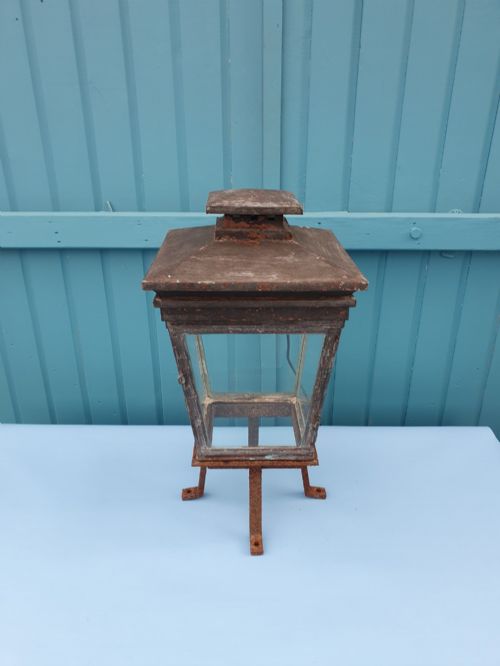
Many items originated as functional utility objects, such as gas lights, lanterns, or tea canisters, before conversion to electric lighting. Surface finishes include patinated bronze, gilt-metal mounts, and painted toleware.
Brown Metal Lamp Retail Price Guide 2026
Typical asking prices for brown metal lamp among the pieces listed under this phrase on Sellingantiques today, from the lower quarter to the upper quarter. They describe what is for sale here now, not the wider market.
Listings feature works from the 19th Century, Victorian period, and 1930, utilising bronze, copper, iron, and brass.
What varies in quality
Quality rests in the precision of the metal casting and the integrity of the original construction, whether hand-forged by a blacksmith or cast in a foundry. Finer examples display crisp detail in sculptural elements and balanced proportions.
The choice and combination of materials also dictate standing, with high-end pieces integrating specialised components like bakelite switches, quality glass shades, or intricate marquetry and kingwood cabinetry.
Adrien Gaudez·Jumo
The Brown Metal Lamp Glossary
- Spelter
- An alloy of zinc and lead, frequently utilised as a cost-effective substitute for bronze in decorative metalwork and lamp figures during the late nineteenth and early twentieth centuries.
- Toleware
- Metalware painted and enamelled in imitation of Japanese and Chinese lacquer, commonly found on desk lamps and canisters from the Art Deco period.
- Meiji Period
- The era in Japanese history spanning from 1868 to 1912, noted for exceptional bronze casting and intricate metalwork exported to the West.
- Gilt-metal
- Base metal treated with a thin layer of gold or gold-coloured wash to simulate solid ormolu mounts, popular in French furniture and lighting decoration.
Brown Metal Lamp: Frequently Asked Questions
What periods do these lamps cover?
The inventory spans the nineteenth and twentieth centuries, taking in Regency, Victorian, and Art Deco eras.
Peculiarities of design reflect the prevalent aesthetic movements of each decade, from Gothic Revival to Japanese Meiji influences.
Were all these items originally electric?
Many items began life as gas lights, oil burners, or utility containers before conversion to modern electrical standards.
Lanterns and tea canisters, for instance, frequently underwent adaptation to serve as domestic lamps.
How do I identify an Art Deco piece?
Art Deco lighting often incorporates synthetic materials like bakelite alongside painted toleware and distinct geometric forms.
Desk lamps from this period emphasise streamlined functionality and contrasting textures.
What metals are most common?
Bronze, copper, iron, and brass dominate the construction of these lamps, alongside occasional use of spelter.
Blacksmith-made examples utilise wrought iron, while decorative table pieces favour cast bronze and copper.