


Brown Library Shelves
Brown library shelves are functional timber storage pieces that organise heavy volumes and bring traditional warmth to a room.
Brown Library Shelves
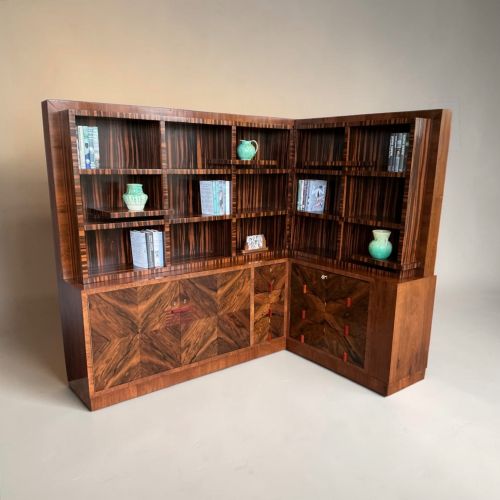
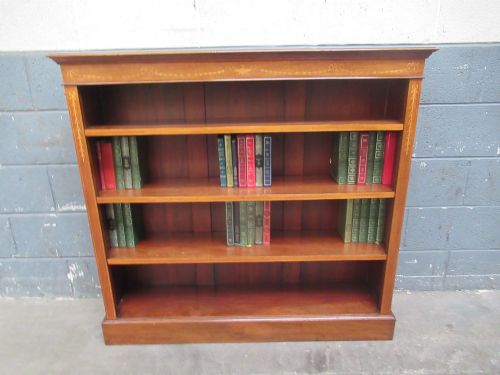
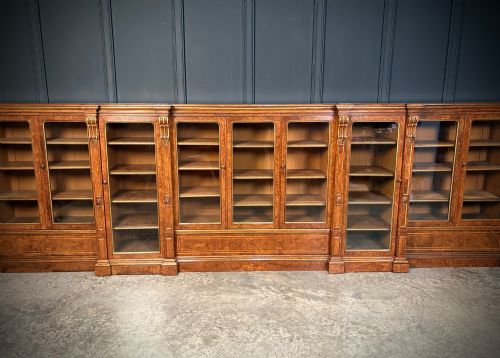
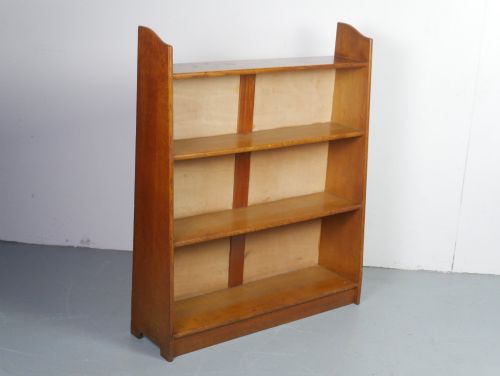
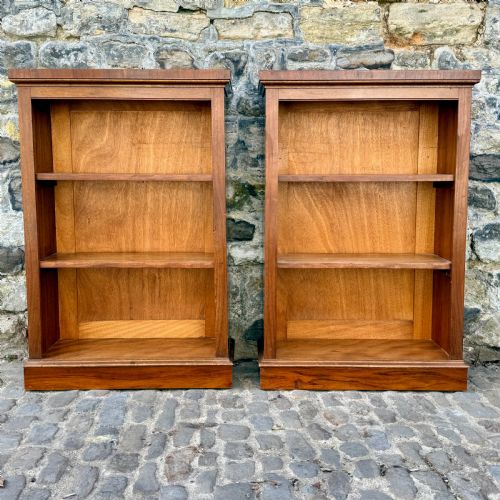
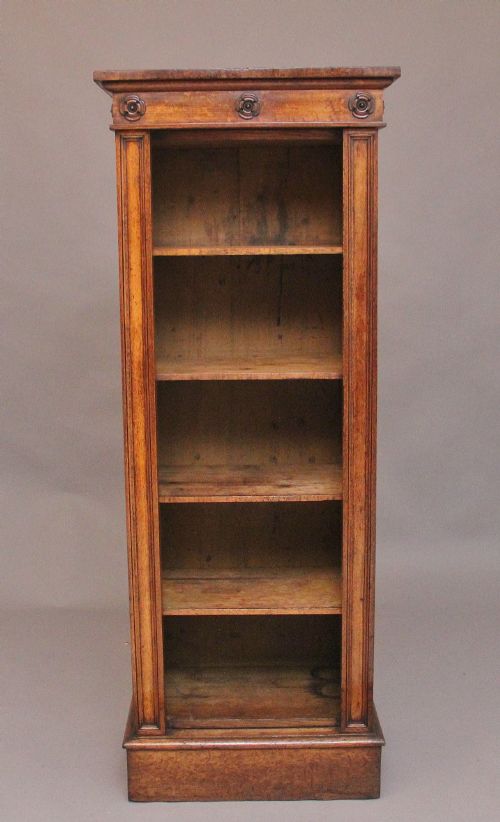
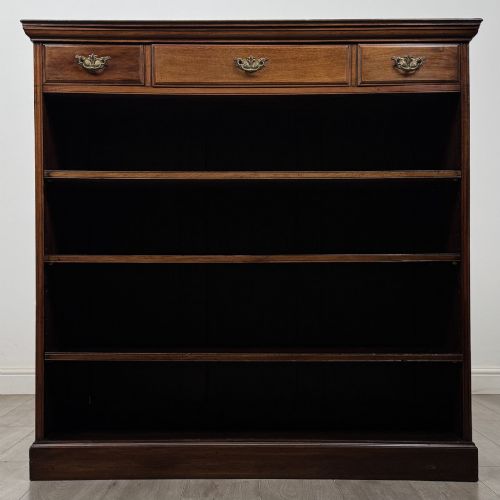
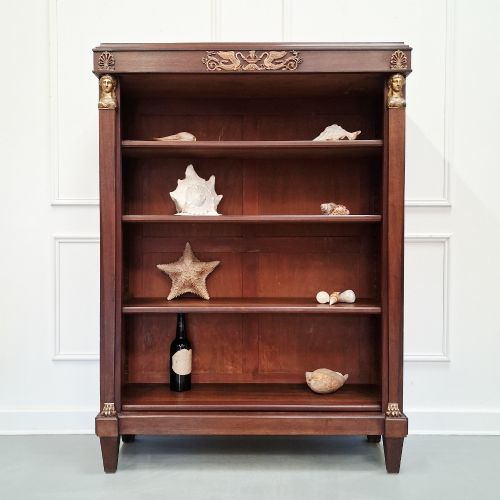
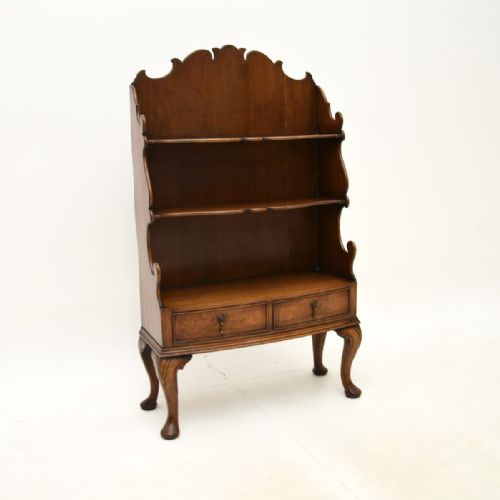
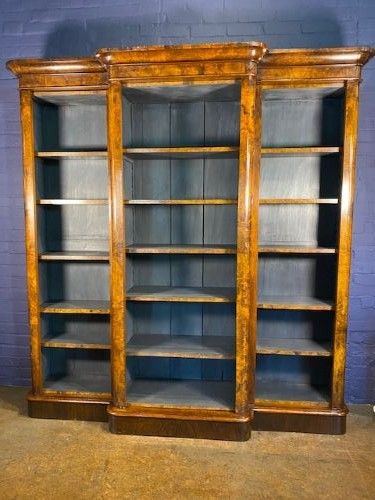
Brown library shelves encompass open bookcases, breakfront cabinets, revolving tiers and library trolleys designed to house collections of books. When searching for brown library shelves, buyers encounter numerous variations spanning the nineteenth and early twentieth centuries. These pieces serve as practical household furniture while displaying the rich tones of period timber.
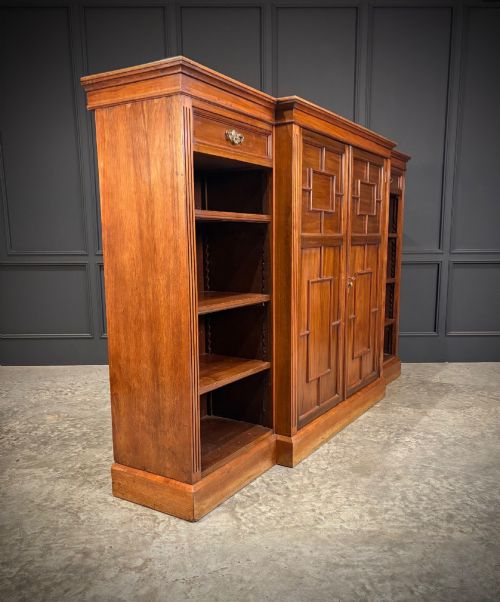
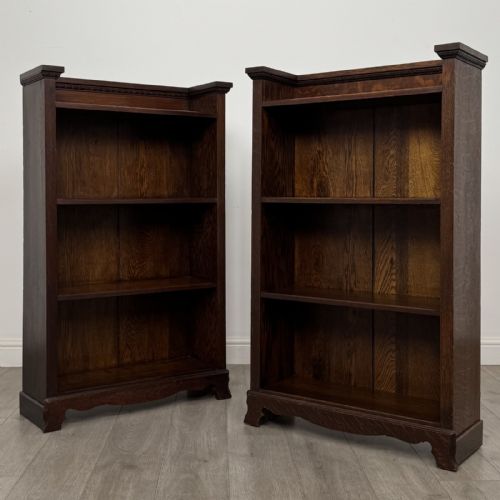
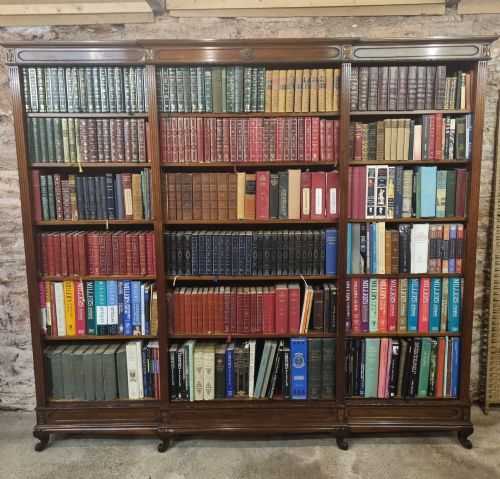
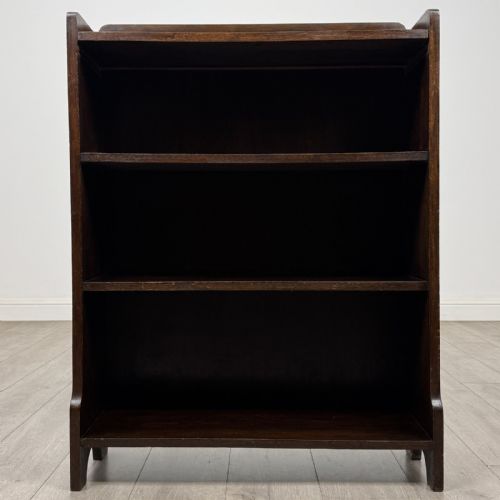
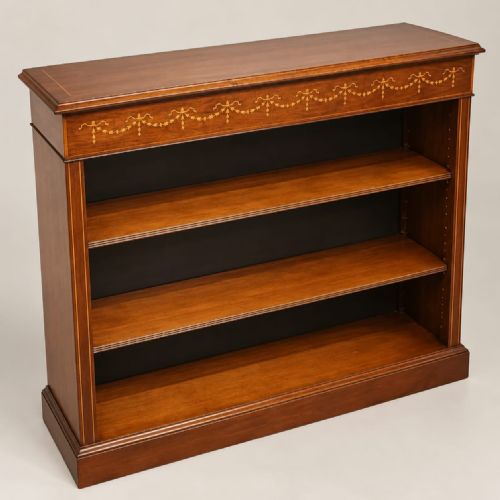
Open bookcases form the most common format on this page, often featuring adjustable wooden shelving to accommodate different volumes. Many examples present clean structural lines typical of Victorian and Edwardian joinery, while others incorporate raised galleries or carved edges. Larger breakfront configurations and low bookcases also appear frequently among the listings.
Origins stretch across British and continental workshops, reflecting regional cabinet-making traditions from the 1850s onward. Makers utilised durable hardwoods to construct sturdy uprights and stout cornices capable of supporting heavy loads of literature. The resulting assortment ranges from slender inlaid mahogany units to robust oak storage furniture.
Materials and construction methods
Cabinet makers built brown library shelves primarily using dense timbers such as mahogany, oak and walnut, often selecting burr walnut veneers for decorative grain patterns. These woods provided the structural integrity required to support heavy rows of books without warping under pressure. Brass fixtures and iron supports occasionally reinforced joints or added mechanical function to adjustable elements.
Joinery techniques focused on longevity, employing solid timber panels alongside traditional framing methods to build stable upright cases. Many pieces integrated movable shelf supports, allowing owners to customise tier heights inside the bookcase carcase. Decorative flourishes such as dentil cornices, inlaid borders and carved oak edges were hand-finished by period artisans.
Brown Library Shelves Retail Price Guide 2026
Typical asking prices for brown library shelves among the pieces listed under this phrase on Sellingantiques today, from the lower quarter to the upper quarter. They describe what is for sale here now, not the wider market.
Listings feature items built from mahogany, oak, walnut and burr walnut across the Victorian and Edwardian eras.
Assessing quality in period shelving
The distinction between standard utility shelving and finer library pieces rests on timber selection and cabinet-making depth. Superior examples display carefully matched grain across breakfront facades and utilise solid hardwoods rather than secondary laminates. Refined proportions and crisply carved details elevate certain Edwardian and Victorian items above plain commercial variants.
Bowman Brothers London
The Brown Library Shelves Glossary
- Breakfront
- A large cabinet or bookcase where the central section projects forward from the flanking outer sections. This configuration creates architectural depth in formal library rooms.
- Dentil cornice
- A decorative moulding featuring a series of small, evenly spaced rectangular blocks that resemble teeth. It typically runs along the uppermost edge of a bookcase.
- Revolving bookcase
- A compact shelving unit mounted on a rotating pivot base to allow easy access from multiple seating angles. These typically feature multiple tiers for maximum storage capacity.
- Burr walnut
- Timber cut from walnut tree growths that produces intricate, swirling grain patterns. Cabinet makers prized this material for veneering prominent display surfaces.
- Raised gallery
- A low decorative railing or rim fitted to the top surface of a piece of furniture. It prevents items placed on top from sliding off.
Brown Library Shelves: Frequently Asked Questions
How do I adjust the shelves?
Most period library shelves utilise wooden supporting pegs resting inside vertical rows of holes drilled into the interior sides of the carcass. Users simply lift the shelf slightly, reposition the supporting pegs at the desired height, and lower the board back into place.
Older mechanisms may rely on brass ratchet strips or sliding metal brackets set into the cabinet walls. These allow fine incremental adjustments to accommodate books of varying heights.
Are these shelves suitable for heavy books?
Period library shelves were constructed from dense hardwoods like oak, mahogany and walnut specifically to bear the weight of heavy leather-bound volumes. Solid timber construction provides the necessary load-bearing strength for extensive book collections.
For very heavy sets, checking the condition of the shelf supports and ensuring the wooden boards show no central bowing is recommended before loading.
How do I date a brown library shelf?
Dating relies on observing construction characteristics, wood types and stylistic influences such as Victorian proportions or Edwardian inlay work. Plain mahogany and walnut units often point to the mid-nineteenth century, while lighter oak formats frequently align with the early twentieth century.
Cabinet hardware, timber finishing methods and maker labels further help narrow down the manufacturing decade.
How should I care for antique wood?
Maintain antique timber furniture by keeping it away from direct heat sources and strong sunlight, which can dry out and fade the wood finish. Dust regularly with a soft, dry cloth and apply occasional treatments of appropriate beeswax to nourish the surface.
Avoid using silicone-based polishes or excessive moisture, as these can damage period polishes and veneers over time.