

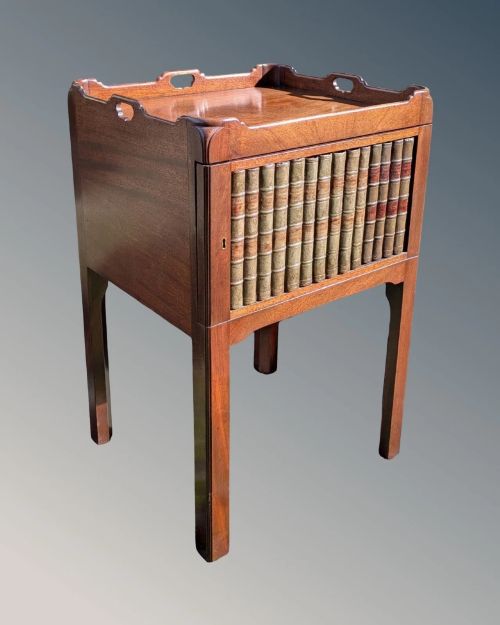
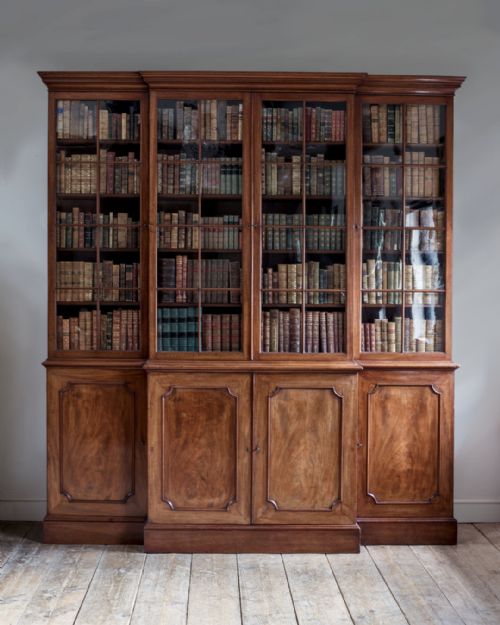
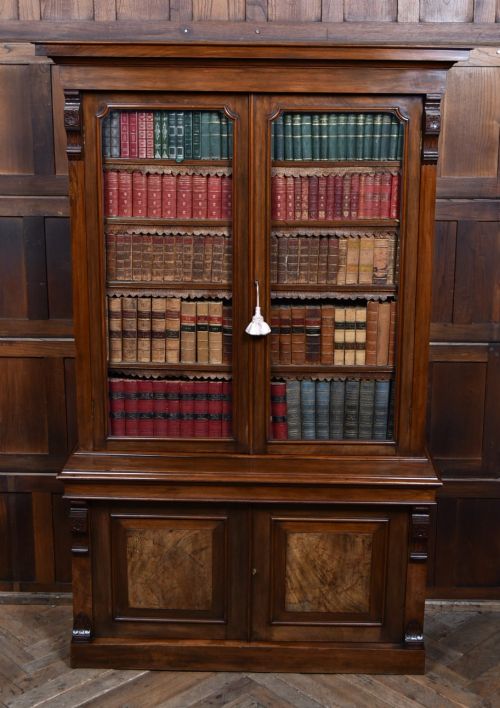
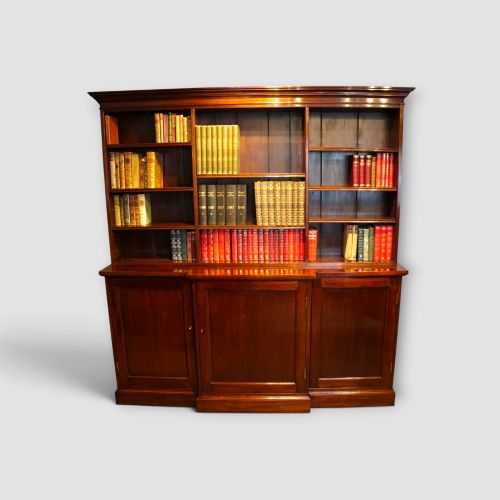
Brown Library Cabinet
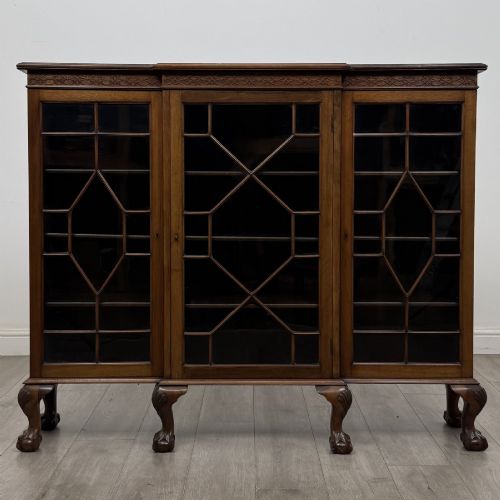
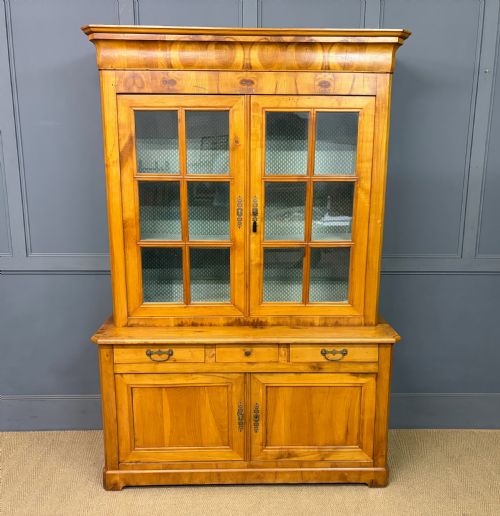
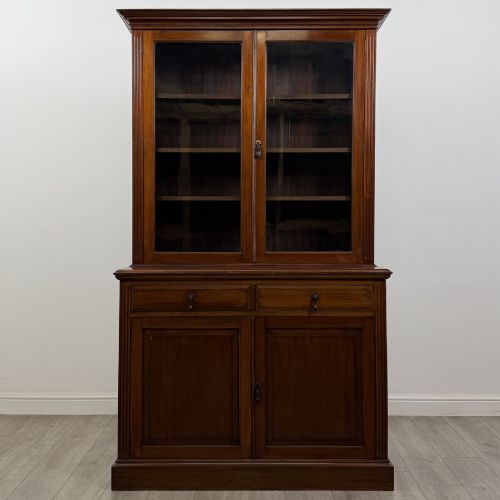
A brown library cabinet brings serious presence to a room, offering generous timber housing for volumes and display pieces across Victorian and Edwardian iterations.
Brown Library Cabinet
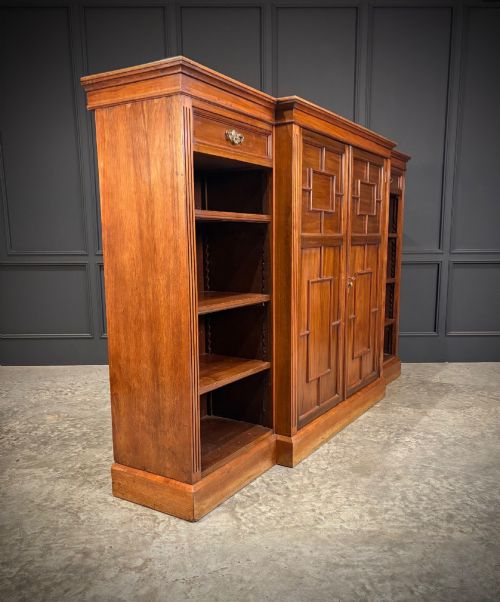
A brown library cabinet encompasses tall bookcases, breakfront display units, and secretaire cabinets originating mainly from the nineteenth century and the early twentieth century. Buyers encounter substantial mahogany, oak, and walnut configurations designed originally for serious book storage and scholarly display.
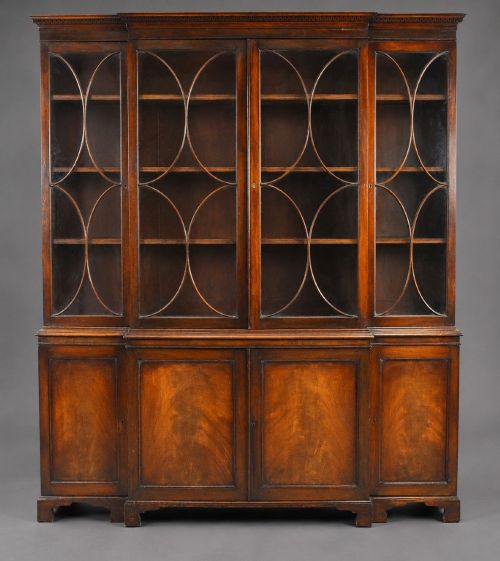
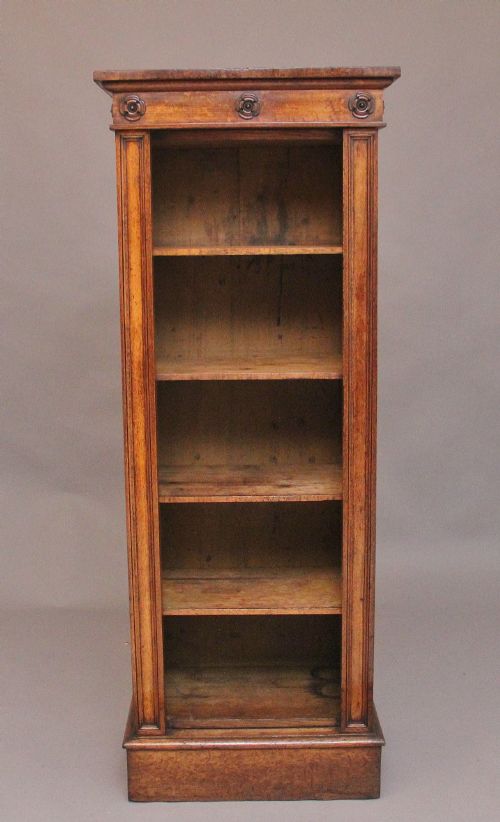
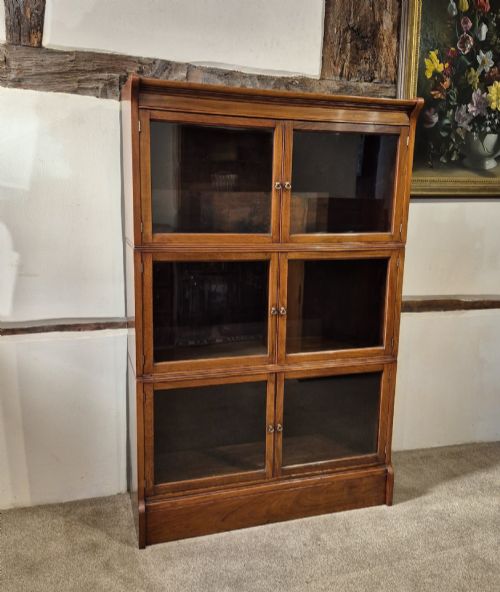
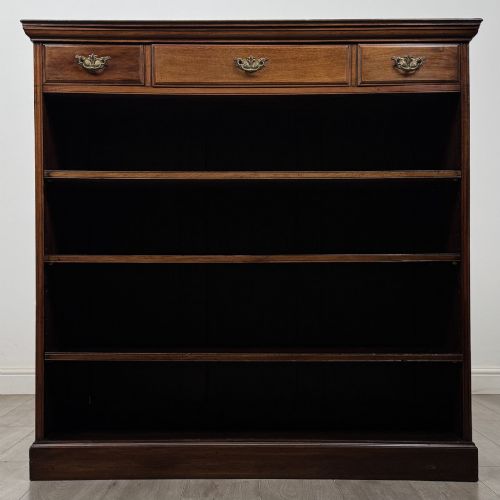
The prevailing examples on this page lean heavily toward Victorian and Edwardian workmanship, alongside Regency and George III revivals. These pieces range from grand breakfront glazed cabinets to compact open shelving and sectional barrister designs.
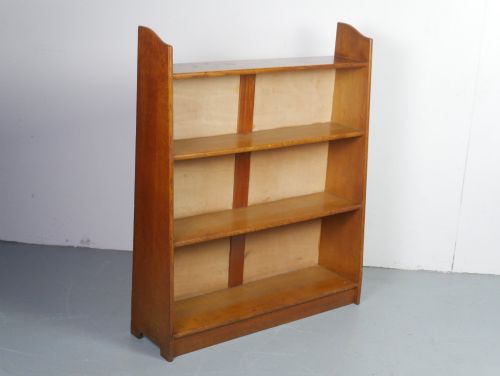
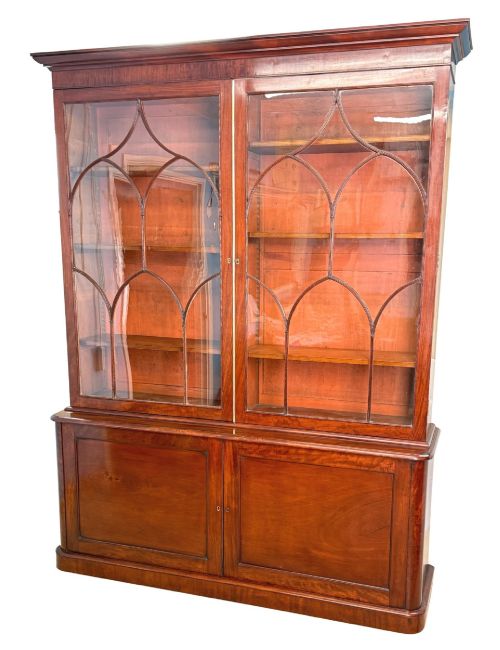
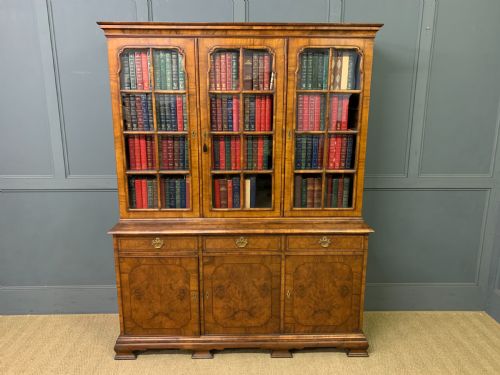
Functional variety is a defining trait, with many pieces combining glazed upper doors for reading material with lower solid doors or fitted desks. Oak school library models and French Empire or Louis Philippe variations also surface frequently.
What varies in quality
The grade of timber selection dictates much of the visual weight, particularly where dramatic flame mahogany or highly figured burr walnut veneers cover large breakfront surfaces. Superior examples demonstrate meticulous grain matching and finely executed inlay work.
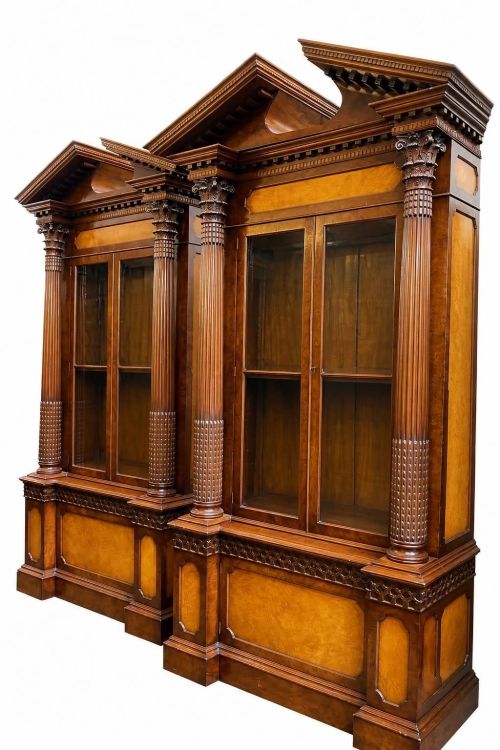
Structural complexity also separates standard utility pieces from exhibition grade examples, visible in carved architectural details, functional secretaire drawers, and robust breakfront proportions.
Brown Library Cabinet Retail Price Guide 2026
Typical asking prices for brown library cabinet among the pieces listed under this phrase on Sellingantiques today, from the lower quarter to the upper quarter. They describe what is for sale here now, not the wider market.
Listings feature woods spanning mahogany, oak, walnut, and burr walnut, alongside brass and ormolu hardware.
Lebus·Bowman Brothers·Gillows
The Brown Library Cabinet Glossary
- Breakfront
- A cabinet design where the central section projects forward from the flanking wings. This architectural layout creates depth and shadow across large library furniture.
- Secretaire
- A desk form featuring a pull-down writing flap that conceals small drawers and pigeonholes. It integrates a writing surface within the upper or middle section of a bookcase.
- Glazed
- Fitted with glass panels in the doors. This treatment protects valuable volumes from dust whilst maintaining visibility.
- Ormolu
- Gilded bronze applied as decorative mounts on furniture. It provides metallic contrast against dark timbers like walnut and mahogany.
- Sectional
- Built in stacked modular tiers that can be separated. This construction method allows easier transport and assembly of tall stacking barrister bookcases.
Brown Library Cabinet: Frequently Asked Questions
How do I date a brown library cabinet?
Dating relies on identifying period characteristics such as Victorian burr walnut veneers, Edwardian proportions, or earlier George III architectural styling. Hardware styles and construction methods like dovetailing also offer clear chronological clues.
Examining the internal shelving adjustments and backboards further helps confirm whether a piece belongs to the nineteenth century or later revival periods.
Are the shelves usually adjustable?
Many library cabinets feature adjustable wooden shelving supported by rackwork or brass strip systems. This flexibility accommodates books of varying heights.
Fixed shelving is more commonly found in simpler utility or school bookcases rather than high-end breakfront cabinets.
What is the difference between open and glazed cabinets?
Open bookcases provide direct, doorless access to volumes and function primarily for everyday reading collections. Glazed cabinets feature glass doors that protect delicate or leather-bound folios from dust and environmental wear.
Glazed versions often incorporate lockable doors and more formal architectural detailing suited to grander reception rooms.
How do I care for mahogany and walnut timber?
Maintenance involves keeping wooden surfaces away from direct heat sources and strong sunlight to prevent the timber and veneers from drying out. Regular dusting with a soft, dry cloth preserves the finish.
Applying appropriate wax polishes periodically helps nourish the wood and maintain the natural lustre of mahogany and walnut.