



Brown Leather Vanity Stool
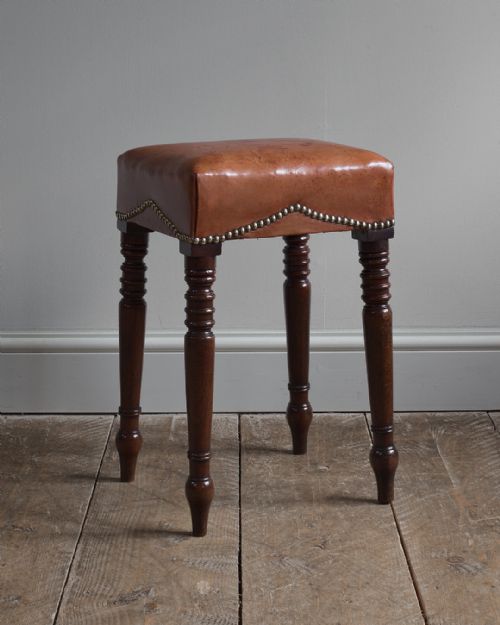
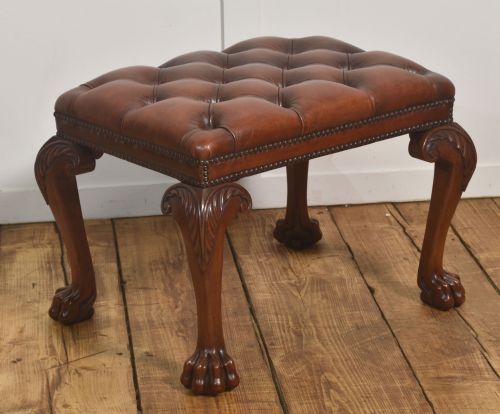
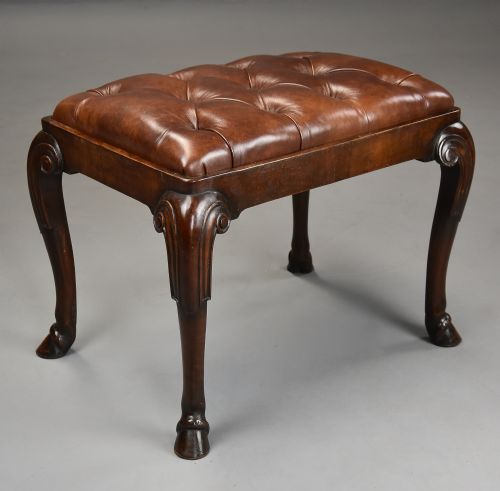
A brown leather vanity stool brings tactile warmth and period character to a dressing space, blending supportive seating with rich hide and timber.
Brown Leather Vanity Stool
When you search for a brown leather vanity stool, you encounter a selection of historic seating pieces primarily originating from the nineteenth and early twentieth centuries. These encompass styles from the Regency, Victorian, and Edwardian eras, alongside later Art Deco examples and revivals such as Chippendale and Queen Anne.
The most common forms you meet on this page are compact stools, adjustable dressing table chairs, and revolving piano stools. Makers constructed these pieces in timbers including mahogany, walnut, burr walnut, and yew wood, paired with leather upholstery.
These items were originally designed for dressing rooms, parlours, and music rooms, offering functional seating that complemented sophisticated interior schemes. Today, they serve equally well as dressing table seats or versatile accent pieces in sitting rooms.
How they were made
Cabinet makers utilised dense hardwoods such as mahogany, walnut, and yew wood to build the frames, often employing traditional joinery techniques. Surfaces were carved, polished, or turned to achieve styles ranging from simple cabriole legs to elaborate X-frame supports.
Upholsterers fitted brown leather hides over padded seats, sometimes incorporating brass hardware for adjustable mechanisms or decorative detailing. The combination of durable timber frames and hard-wearing leather ensured these functional items withstood daily use.
Brown Leather Vanity Stool Retail Price Guide 2026
Typical asking prices for brown leather vanity stool among the pieces listed under this phrase on Sellingantiques today, from the lower quarter to the upper quarter. They describe what is for sale here now, not the wider market.
Early pianists undoubtedly appreciated a stool that could be spun rapidly to the correct height before a demanding recital piece.
What varies in quality
The distinction between standard and superior examples lies in the selection of timber and the execution of carved details. Finer pieces display carefully figured grain, such as burr walnut, and hand-carved elements that reflect the prevailing historic style.
Mechanisms also determine quality, particularly in adjustable dressing chairs and revolving piano stools where smooth operation indicates superior engineering. The quality of the leather upholstery and the integrity of the underlying frame further separate everyday utilitarian items from finer examples.
The Brown Leather Vanity Stool Glossary
- X-framed stool
- A seating form supported by intersecting diagonal members that create an X shape when viewed from the side. This architectural structure provides both rigidity and decorative presence.
- Revolving piano stool
- A seat featuring a threaded spindle or mechanical screw that permits height adjustment by turning the top. These pieces were standard in nineteenth-century music rooms.
- Chippendale style
- A decorative aesthetic drawing upon eighteenth-century designs characterised by polished mahogany and intricate fretwork. Revival pieces from later periods emulate these classic proportions.
Brown Leather Vanity Stool: Frequently Asked Questions
What is a brown leather vanity stool used for?
These pieces function primarily as seating at a dressing table or vanity, providing a comfortable perch for personal grooming routines.
Beyond the dressing room, their compact proportions make them suitable as piano seats or small occasional stools in hallways and living spaces.
How do I date a brown leather vanity stool?
Dating relies on observing the timber species, construction methods, and stylistic cues present in the frame. Nineteenth-century examples often feature solid mahogany or walnut, while revival pieces exhibit specific historical motifs from eras like the Regency or Edwardian period.
Hardware such as brass adjustments or fixings can also offer clues regarding the manufacturing era.
Are these stools comfortable for daily use?
Most pieces provide firm support suited to short periods of sitting at a dressing table or piano. The combination of padded upholstery and sturdy timber construction ensures they remain practical for everyday tasks.
Adjustable variants allow users to alter the height for personal comfort during extended use.
How should I care for the leather and wood?
Maintain the timber by keeping it away from direct heat sources and applying occasional appropriate furniture wax to nourish the grain. Leather upholstery benefits from gentle dusting and conditioning products formulated to prevent the hide from drying out over time.