





Brown Leather Steps
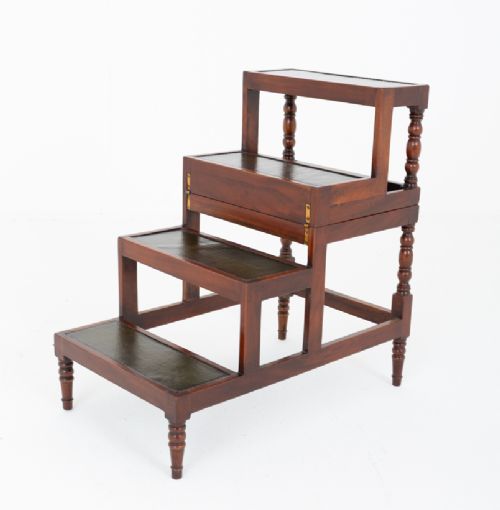
Brown leather steps are practical and clever nineteenth and twentieth century library furnishings designed for reaching high shelves.
Brown Leather Steps
When you search for brown leather steps, you encounter functional timber structures fitted with leather tread inserts designed for libraries and studies. These pieces bridge the gap between ordinary domestic furniture and specialised utility items from past centuries.
The selections on this page span several distinct periods including the Regency era, Victorian times, and the nineteen thirties. You will find standard staircase forms alongside ingenious metamorphic pieces that transform from armchairs into sets of steps.
Mahogany and oak dominate the construction materials, whilst brass fittings and gold filled details appear occasionally on specific items. Styles range from classical Regency lines through heavy Gothic Revival and clean Art Deco expressions.
Construction and materials
Cabinetmakers utilised dense hardwoods like mahogany and oak to build sturdy frames capable of supporting regular weight. These timbers received hand polished finishes that highlighted natural grain patterns and provided durable surfaces for daily use.
Treads were routinely inset with panels of dyed leather, often tooled with gold leaf borders to complement the surrounding woodwork. Brass hinges, pivots, and locking mechanisms enabled the smooth conversion of metamorphic library chairs into functional staircases.
Brown Leather Steps Retail Price Guide 2026
Typical asking prices for brown leather steps among the pieces listed under this phrase on Sellingantiques today, from the lower quarter to the upper quarter. They describe what is for sale here now, not the wider market.
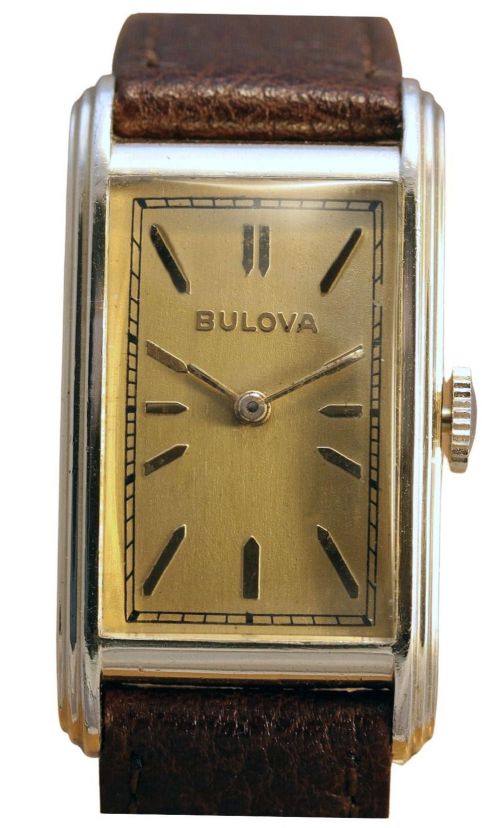
Object types catalogued here include library steps, library chairs, armchairs, and wristwatches across various historical styles.
Judging quality and craftsmanship
Superior examples display precise joinery and thoughtful proportions that balance stability with elegance. The integration of leather inserts and brass hardware reveals the skill applied by the original maker.
Metamorphic designs rely heavily on the mechanical precision of their folding actions. Pieces that operate smoothly without binding or requiring excessive force represent higher standards of period workmanship.
J.Jarvis·Morgan and Sanders·Richard Hicks Bridgens·Bulova
The Brown Leather Steps Glossary
- Metamorphic furniture
- Pieces designed to transform from one furniture type into another, such as an armchair converting into a set of library steps. This clever engineering saved space in private studies.
- Tread
- The horizontal surface of a step upon which a person places their foot. On these pieces, treads are frequently inset with leather to prevent slipping.
- Regency
- An architectural and design period spanning the early nineteenth century in Britain. It is characterised by classical restraint and refined proportions.
- Gothic Revival
- An architectural and decorative style drawing inspiration from medieval forms. Pieces in this manner often feature pointed arches and heavy timber framing.
Brown Leather Steps: Frequently Asked Questions
What are brown leather steps used for?
These items provide physical access to high bookshelves in traditional libraries and studies. The leather treads offer a secure footing whilst matching the refined interior decor of the room.
Beyond their utilitarian purpose, many examples double as decorative seating or architectural focal points within a traditional interior space.
How do metamorphic library chairs work?
Metamorphic pieces utilise hidden hinges, pivots, and sliding tracks embedded within the wooden frame. By manipulating the backrest or seat sections, the furniture unfolds into a stable flight of steps.
This ingenious dual purpose design allowed historical homeowners to maximise limited floor space without sacrificing essential library utility.
How do I date a set of steps?
Dating relies upon identifying the prevailing architectural styles, timber choices, and hardware types used in the construction. Regency pieces exhibit classical lines, whereas Victorian examples often present heavier proportions.
Makers' stamps and specific mechanical patents can also narrow down the manufacturing era to a particular decade or workshop.
Are these steps suitable for daily use?
Solid timber construction and sturdy joinery make these pieces remarkably robust for everyday climbing and reaching. However, antique metamorphic examples require careful handling of their mechanical joints to prevent undue wear.
Regular maintenance of the timber and leather surfaces ensures these functional antiques remain practical additions to a modern home.