

Brown Leather Furniture
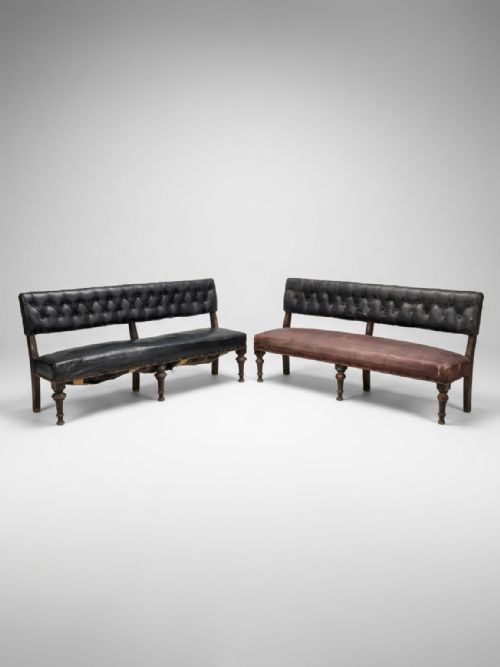
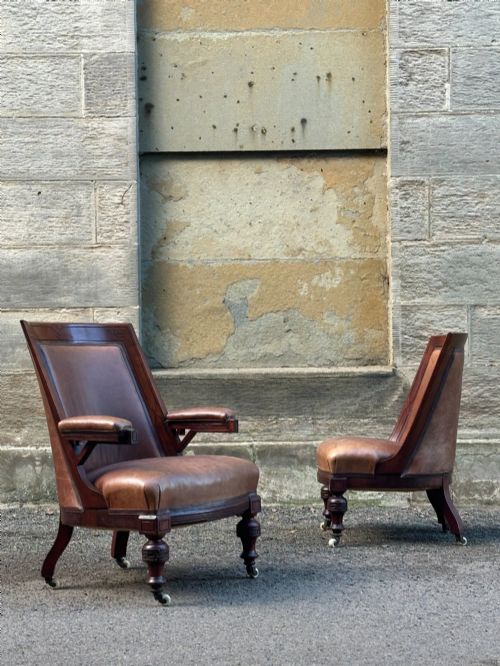
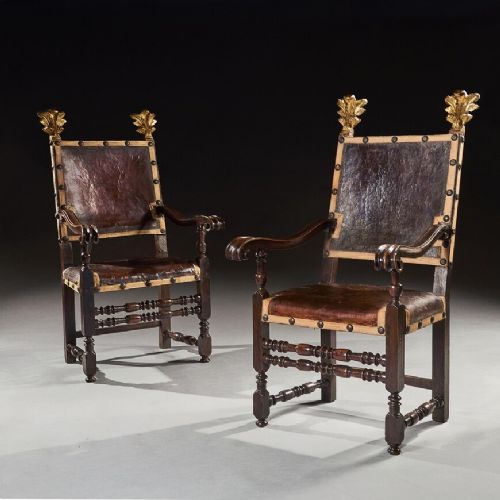
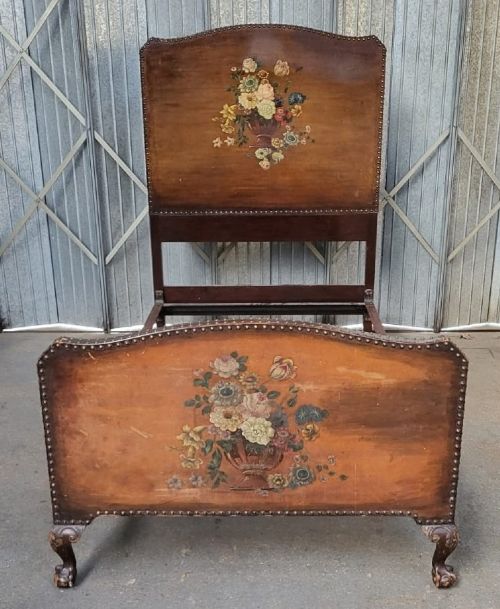
Brown leather furniture gathers the heavy writing desks, library armchairs and low stools built across the nineteenth and twentieth centuries.
Brown Leather Furniture
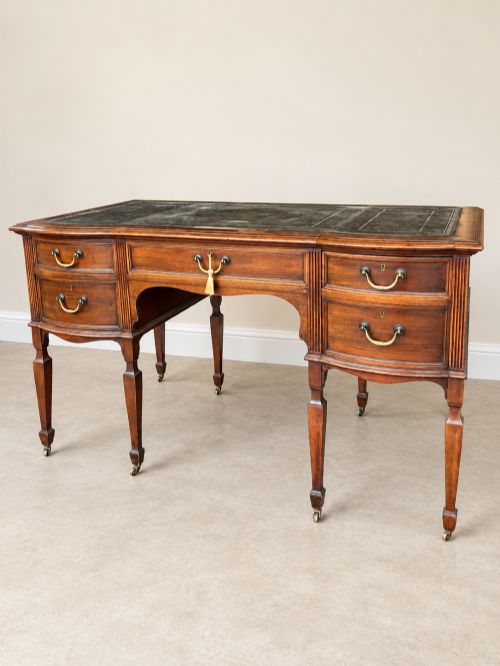
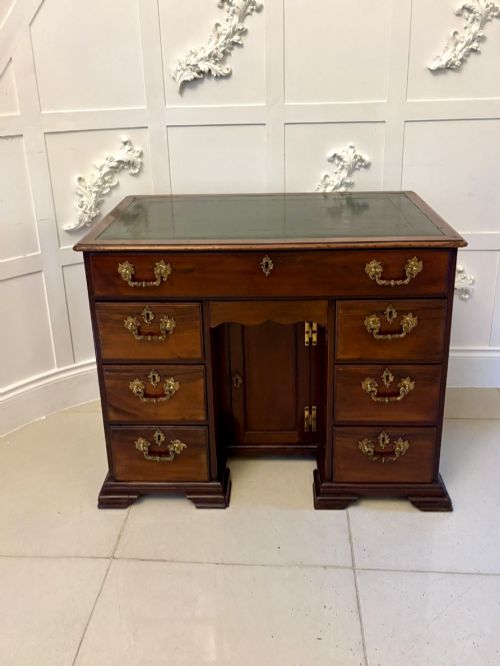
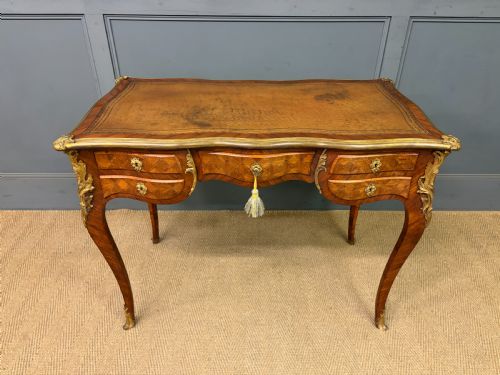
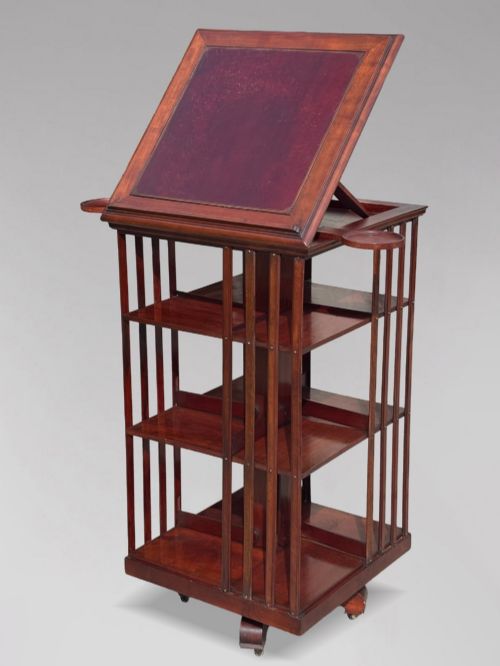
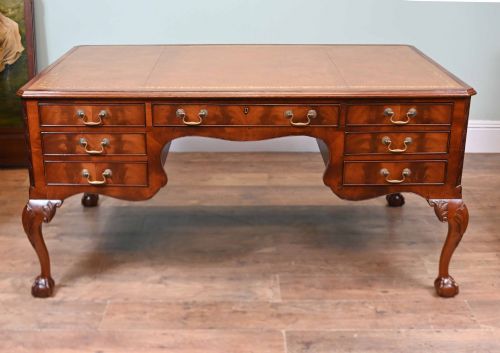
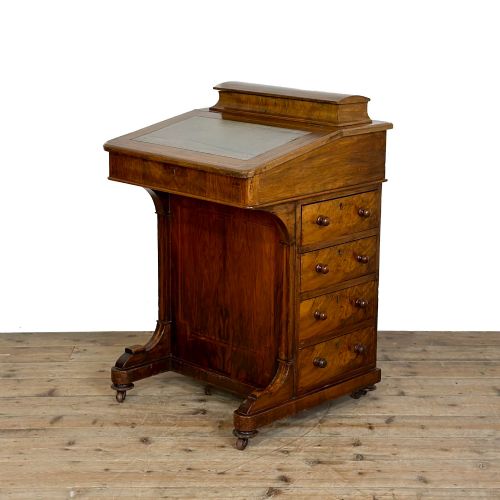
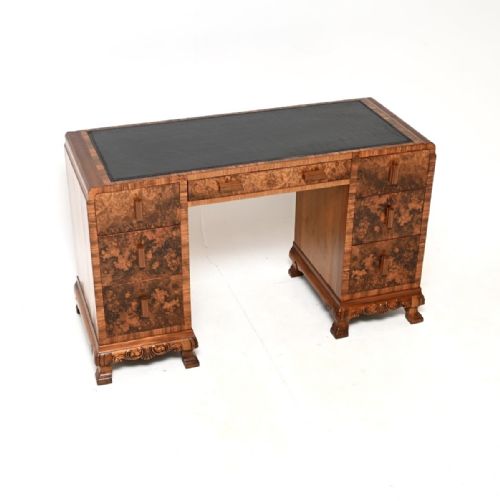
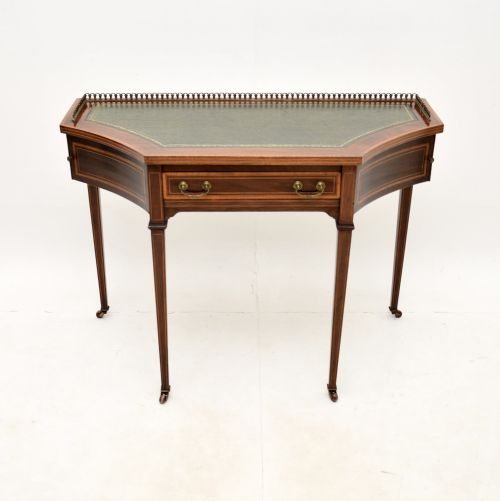
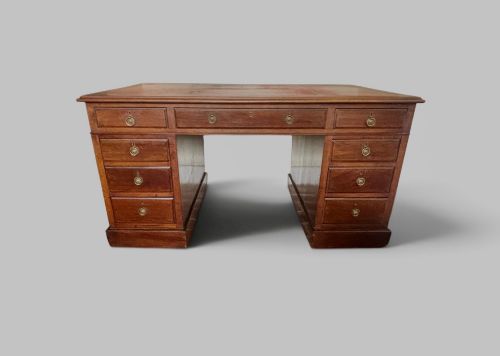
Brown leather furniture brings together utilitarian study pieces and library seating designed for sustained work. Desks and writing tables dominate the selection, spanning pedestal forms and compact Davenport shapes.
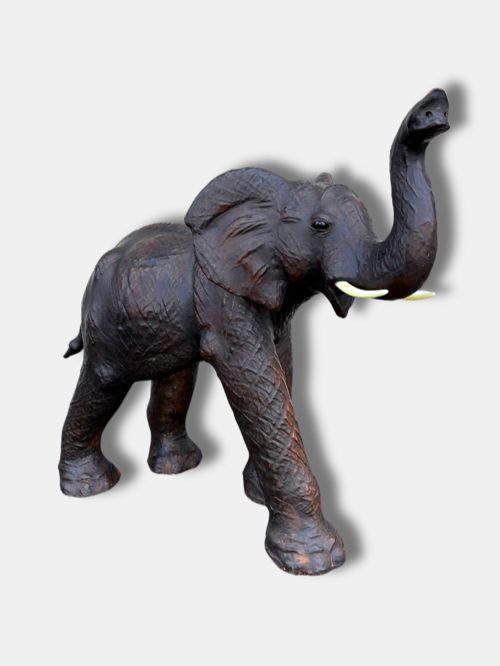
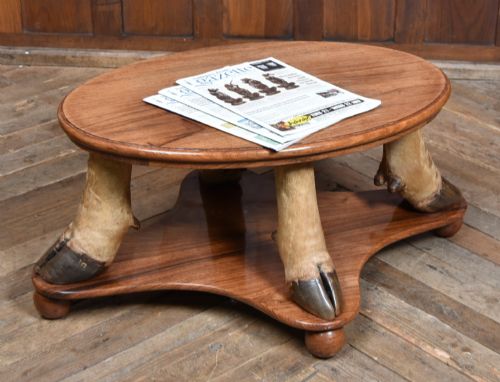
The periods stretch from the early nineteenth century through Victorian workshops and Edwardian offices into Art Deco design. Seating ranges from buttoned library armchairs to whimsical footstools shaped as elephants.
Mahogany, walnut and oak form the structural foundations for the hide surfaces. These woods provide the rigid framework required for heavy writing surfaces and seating frames.
How they were made
Makers combined solid timbers like mahogany, walnut and oak with vegetable-tanned leather inserts. These hides were often tooled with gold leaf around the perimeter to frame the writing surface.
Joinery relied on traditional methods suited to heavy use, including dovetailing in desk drawers and sturdy mortise and tenon joints in chair frames. Ormolu mounts, brass handles and brass castors finished the functional pieces.
The listings span the nineteenth and twentieth centuries, utilising materials including mahogany, walnut, oak, brass, and gold leaf across desks, bookcases, and tables.
What varies in quality
Quality rests upon the selection of timber and the depth of the carving. Dense mahogany and figured burr walnut elevate a desk far above plain pine or secondary softwoods.
The thickness and grain of the leather surface dictate the tactile success of the piece. Crisp hand-tooling and substantial brass hardware separate standard commercial output from workshop masterworks.
Trollope and Sons·Charles Andrea Nosotti·Jackson and Graham·Whytock and Reid of Edinburgh
The Brown Leather Furniture Glossary
- Pedestal desk
- A writing table supported by two banks of small drawers instead of legs. This form provides substantial storage beneath the leather-lined top.
- Davenport desk
- A compact nineteenth-century writing box featuring a sloping leather top and drawers opening to the side. It was designed for modest domestic spaces.
- Bergère armchair
- An enclosed upholstered wooden armchair often fitted with caning and a loose leather seat cushion. These chairs originated in France.
- Ormolu
- Gilded bronze used for decorative mounts on nineteenth-century desks and tables. It adds metallic contrast to dark woods.
- Campaign chest
- A split-carcass chest designed for military transport, constructed from mahogany with brass corners and flush handles.
Brown Leather Furniture: Frequently Asked Questions
How do I clean brown leather?
Wipe the surface gently with a damp cloth to remove dust and grit. Avoid harsh detergents that dry out the hide.
Apply a suitable leather balm periodically to maintain suppleness and prevent cracking. Buff softly with a dry cloth after treatment.
Were all these desks used for writing?
Most pedestal and writing tables served administrative or literary purposes in Victorian libraries and offices. The leather inserts provided a smooth, non-reflective surface for quill and pen work.
Some variants, such as partner desks, allowed two people to work simultaneously opposite one another. Others functioned as compact Davenport writing boxes for personal correspondence.
How do I distinguish Victorian from Edwardian desks?
Victorian pieces tend to employ heavier timbers like dense mahogany and feature deeper, more ornate carving. Walnut veneers and elaborate brass hardware also mark this period.
Edwardian furniture often exhibits lighter construction in oak or inlaid mahogany. The decorative vocabulary leans towards restrained neoclassical or simpler revival styles.
Can I use a library chair for daily sitting?
Library armchairs and bergères were constructed for durability in working environments. Their solid hardwood frames remain robust for modern daily use.
Check that the internal webbing and padding offer adequate support before regular placement in a room. Many survive precisely because their original joinery was exceptionally strong.