


Brown Leather Club
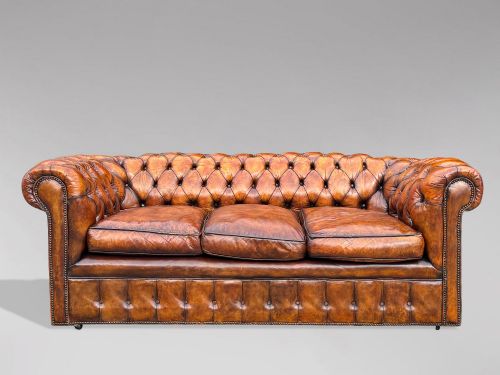
These brown leather club pieces bring enduring comfort and rich character to a room, spanning deep chesterfields and sturdy armchairs.
Brown Leather Club
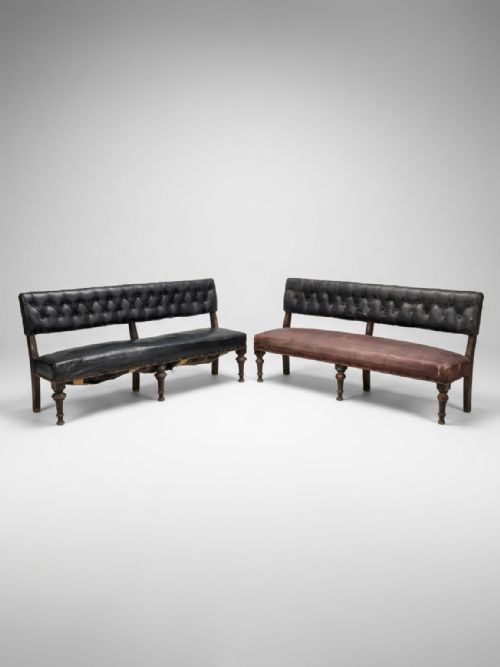
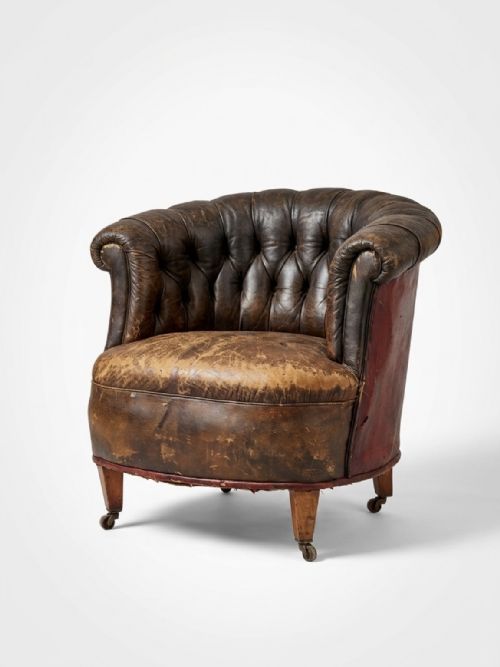
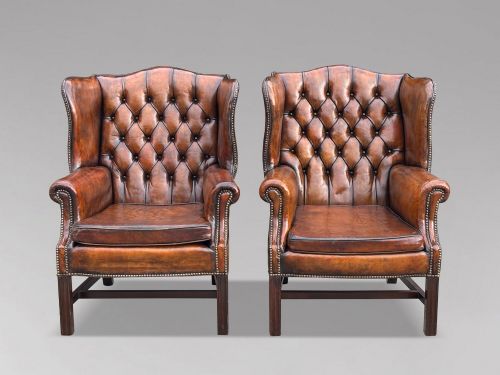
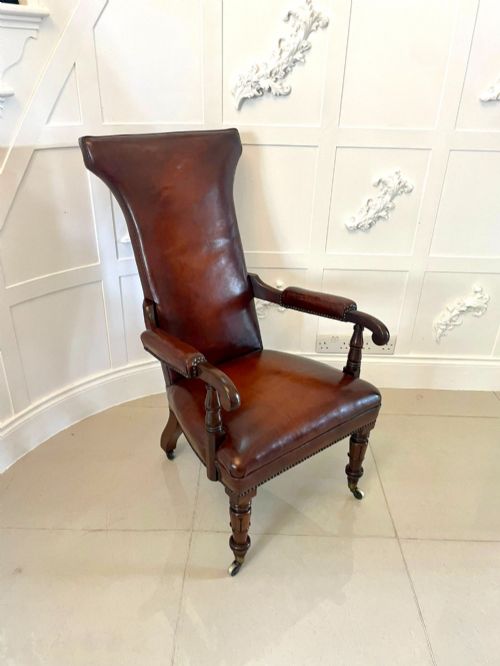
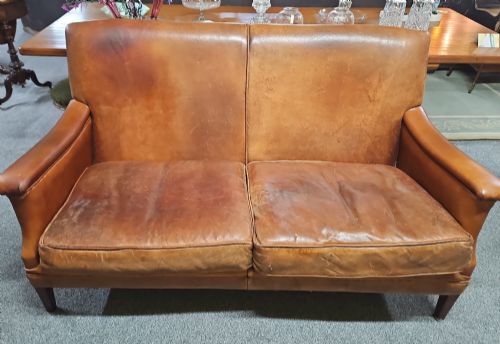
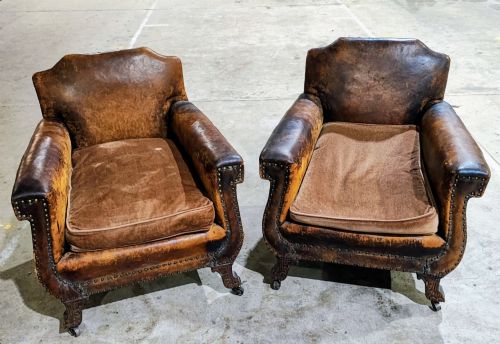
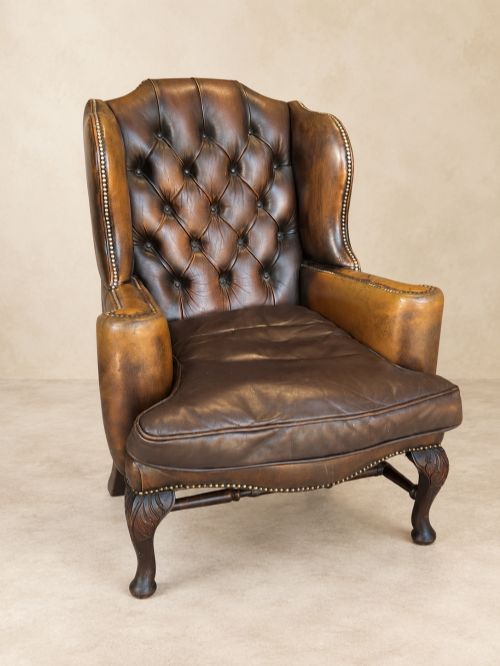
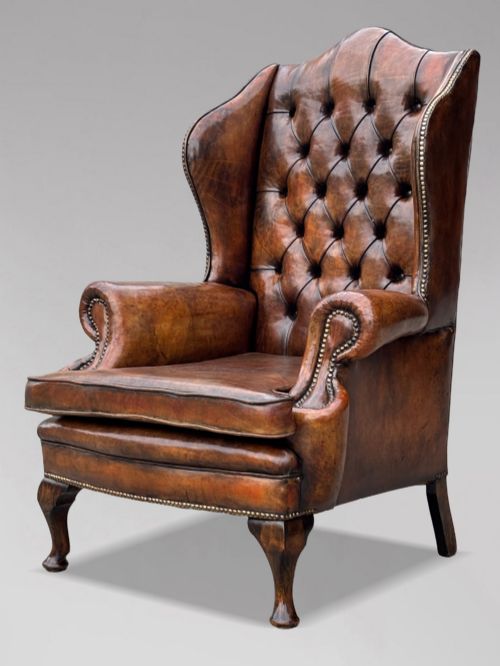
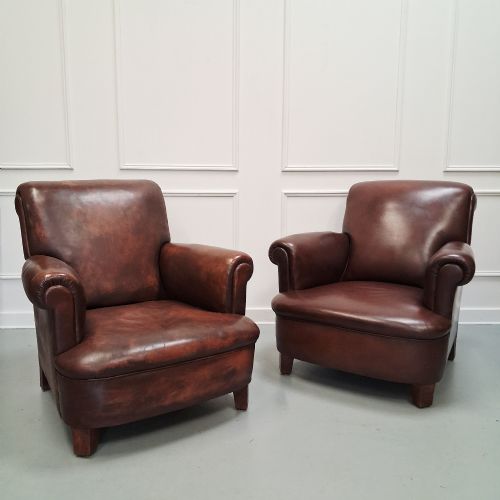
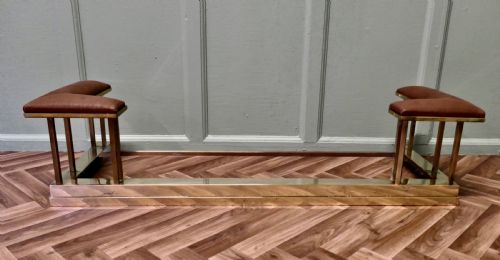
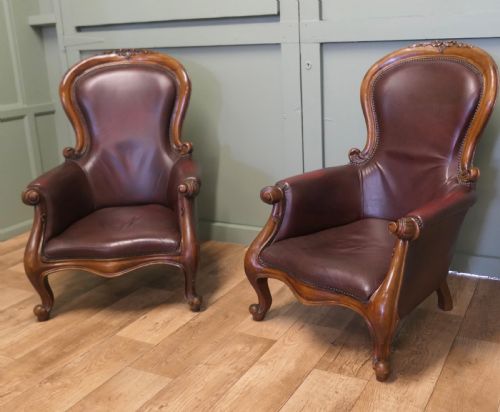
When you search for brown leather club, you are looking at substantial seating designed for heavy daily use, ranging from armchairs to sofas and club fenders. The pieces on this page are dominated by nineteenth-century library and wing-back chairs alongside twentieth-century French and Art Deco club armchairs.
The forms vary from buttoned chesterfields to low fireside seats and library armchairs. Victorian and Edwardian examples sit alongside pieces from the nineteen-thirties, reflecting diverse domestic and institutional origins.
Armchairs and sofas form the core of what is available, supported by occasional seating and brass-mounted club fenders. These items share a heavy build and a distinct reliance on timber framing and leather upholstery.
Materials and Construction
The foundation of these pieces relies on solid timber frames fashioned from mahogany, oak, walnut, and satin birch. These woods provide the structural strength needed to support deep cushioning and heavy use over generations.
Several armchairs come from a Scottish school, proving that cold northern hearths demanded serious seating long before modern comfort.
Assessing Quality and Build
Quality rests upon the integrity of the wooden frame and the depth of the timber used, such as figured mahogany or solid oak. Frames that remain tight at the joints without movement indicate superior construction.
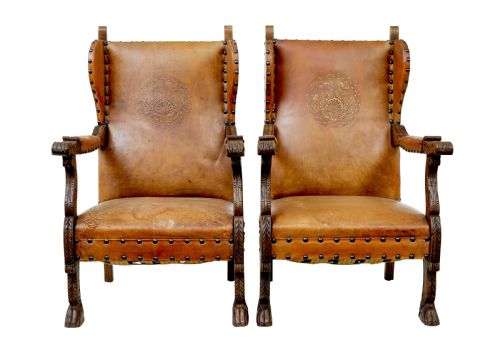
The treatment of the leather and the execution of buttoning or embossing separate standard examples from finer works. Hand-finished details and the natural ageing of the hide contribute to the presence of the piece.
Harry and Lou Epstein
The Brown Leather Club Glossary
- Chesterfield
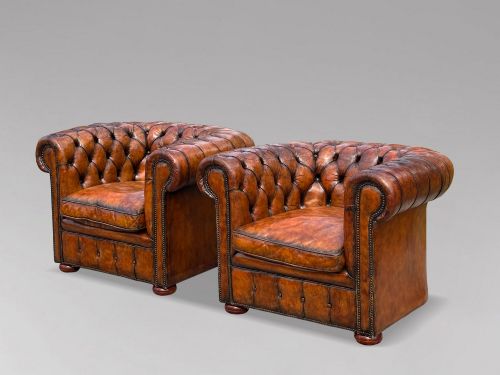
- A large sofa or armchair characterised by deep buttoned upholstery and rolled arms of equal height to the back. This form dates back to the nineteenth century.
- Club Fender
- A low-seated hearth surround featuring upholstered pads on top of a metal and brass frame. These pieces provide fireside seating.
- Wing Back
- An armchair featuring side panels attached to the back and designed to shield the sitter from drafts. Nineteenth-century examples often use leather upholstery.
- Tub Chair
- A deep-seated chair with a curved back that flows directly into the arms. The continuous line creates a compact profile.
- Button-Back
- An upholstery technique where depressions are formed in the padding by stitching through to the frame. This secures the filling and creates a patterned surface.
Brown Leather Club: Frequently Asked Questions
How do I care for antique leather?
Antique leather benefits from regular dusting and occasional treatment with appropriate leather creams to maintain suppleness. Keeping these pieces away from direct heat sources prevents the hide from drying out.
Avoid harsh modern cleaning chemicals that can strip the original finish. Gentle maintenance preserves the natural patina built up over decades of use.
What is a club fender?
A club fender is a metal structure placed around a fireplace hearth featuring padded seats on top. They originated in gentlemen's clubs and libraries to provide close fireside seating.
These pieces combine brass and iron frameworks with leather upholstery. They serve both a practical seating function and a decorative role in a room.
How do I distinguish Victorian from Art Deco chairs?
Victorian chairs typically feature carved mahogany or oak frames, deep buttoning, and traditional wing or library chair silhouettes. They lean towards ornate woodwork and heavy proportions.
Art Deco chairs from the nineteen-thirties display smoother curves, polished walnut or satin birch, and a streamlined French influence. Their design focuses on geometric simplicity rather than historic revival.
Are these chairs suitable for daily use?
These pieces were built for heavy use in libraries and drawing rooms, utilising sturdy timber frames and thick leather. Their robust construction suits them well for contemporary living.
Checking the internal webbing and spring support ensures the seating remains comfortable for everyday relaxation. Many buyers use them as primary armchairs in living spaces.