

Brown Kitchen Chairs
Brown kitchen chairs bring warmth and honest construction to a room, offering sturdy seating built to handle daily family life.
Brown Kitchen Chairs
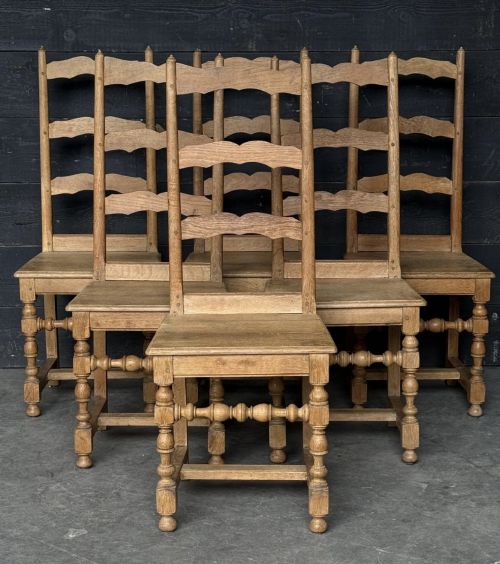
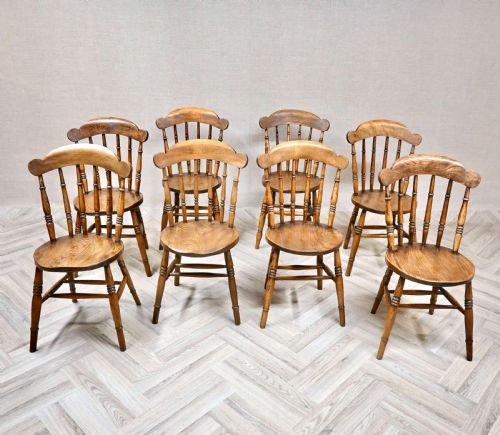
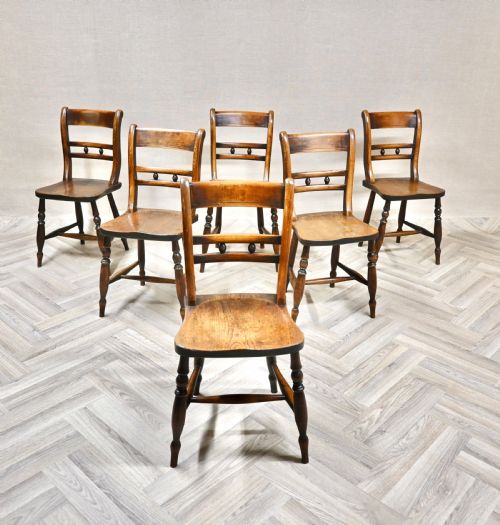
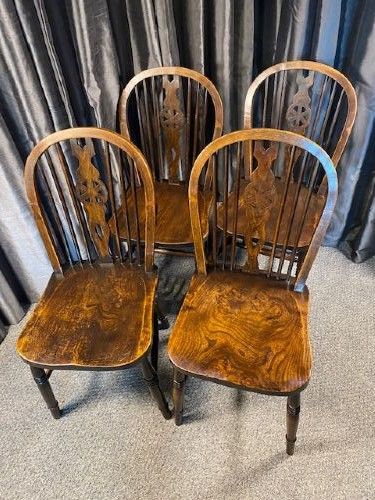
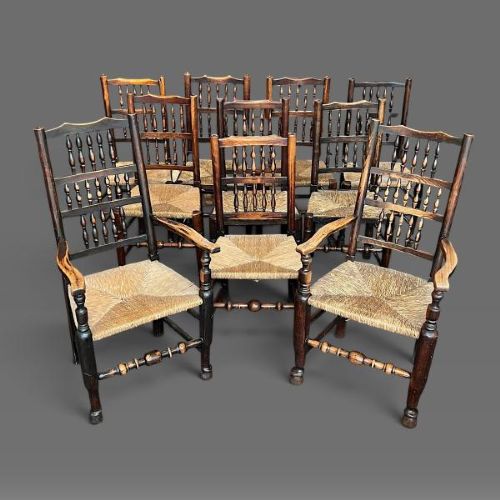
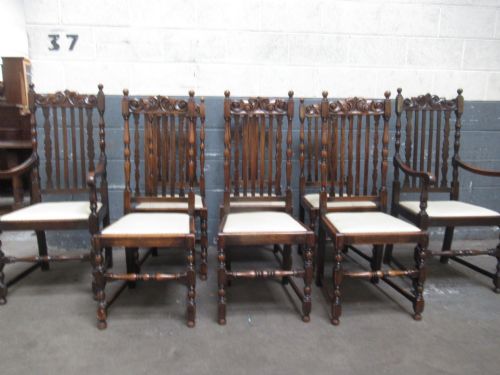
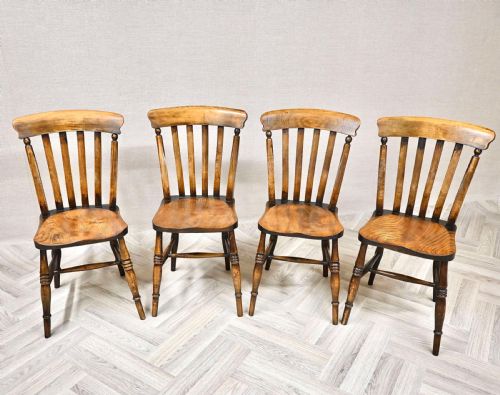
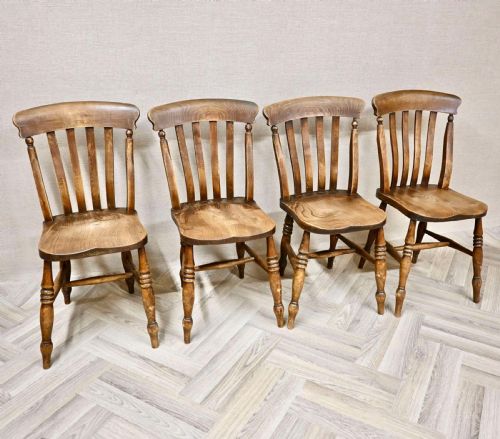
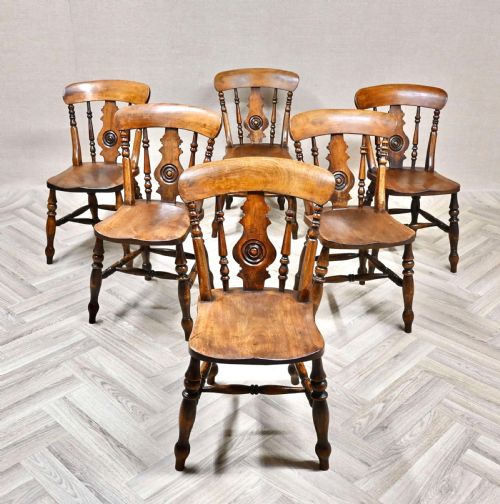
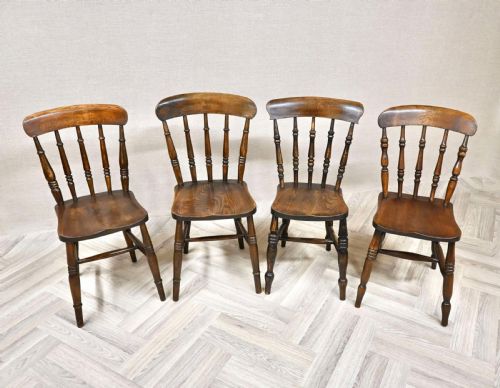
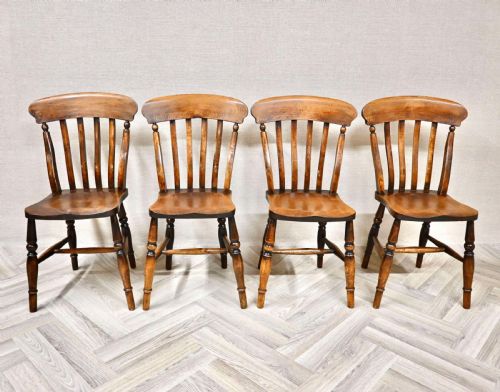
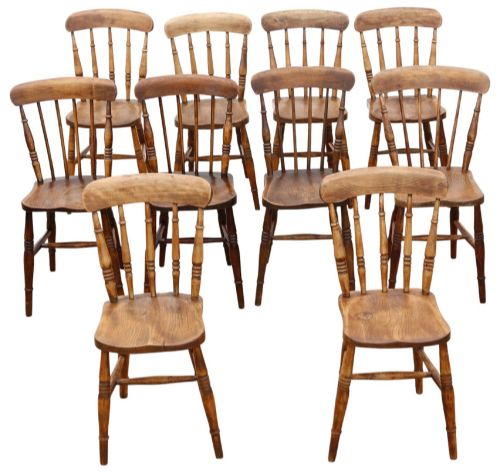
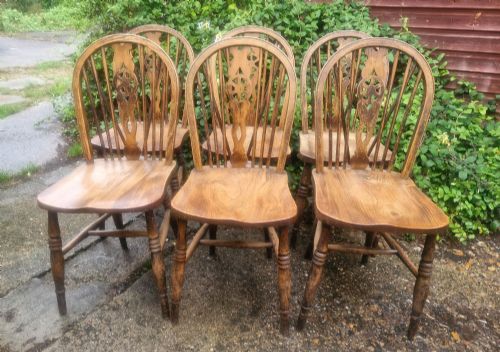
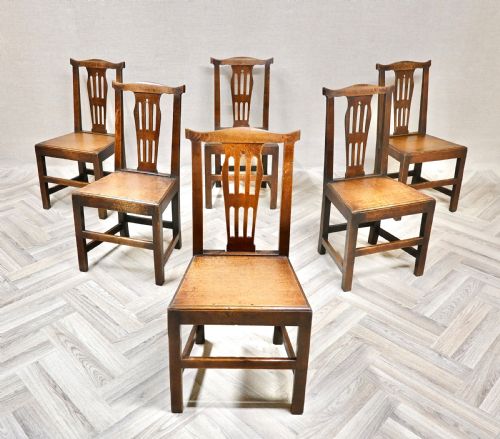
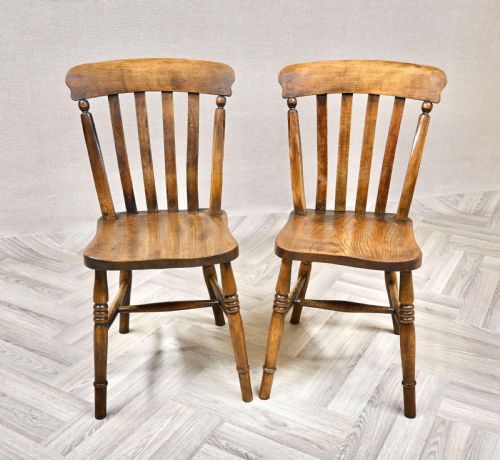
Brown kitchen chairs are practical seats designed for utility, spanning vernacular styles like English Country, Victorian Country, and Rustic Farmhouse. When searching for brown kitchen chairs, buyers frequently encounter Windsor forms, spindle backs, and ladder backs shaped from native woods.
The selection ranges from single armchairs to matched sets of dining chairs originating from the nineteenth century up to the early twentieth century. These pieces reflect the functional needs of farmhouse and provincial interiors, where solid timber and straightforward design mattered most.
How they were made
Cabinet makers and bodgers constructed these chairs using native British hardwoods such as elm for solid seats, ash for bent parts, and beech or oak for turned legs and spindles. Rush was also utilised for woven seating surfaces in specific regional traditions.
Traditional joinery techniques involved steam bending wooden components into hoops and bows, securing spindles into bored seats, and reinforcing frames with crinoline or H-stretchers to ensure lasting rigidity.
Many an elm seat still bears the quiet indentations left by generations who sat long hours shelling peas.
What varies in quality
Quality depends on the integrity of the timber selection and the retention of original components across a set. Chairs retaining deep, honest patination from decades of use display superior visual depth compared to stripped or heavily restored surfaces.
The finesse of the turning on spindles and legs, alongside the comfort and thickness of the sculpted elm seat, separates standard utility seating from finer regional craftsmanship.
The Brown Kitchen Chairs Glossary
- Windsor chair
- A chair built with a solid wooden seat into which the back and legs are dowelled directly. These forms often incorporate steam-bent hoops and central splats.
- Penny seat
- A saddle-shaped wooden seat with a central depression resembling a large coin, designed for sitting comfort. This term describes the scooped profile found on traditional kitchen seating.
- Spindle back
- A chair back constructed from a series of thin, turned vertical wooden rods. These slender members provide sturdy support without adding heavy visual bulk.
- Crinoline stretcher
- An arched or curved wooden brace connecting the legs of a Windsor chair to provide extra stability. This component often takes a horseshoe shape beneath the seat.
- Harlequin set
- A collection of chairs that match in general style and period but vary slightly in minor details or proportions. Such sets were often assembled over time rather than purchased together.
Brown Kitchen Chairs: Frequently Asked Questions
What defines a traditional Windsor kitchen chair?
A Windsor chair relies on a thick solid seat where the undercarriage legs and upper back spindles fit into bored holes. This method creates a rigid, unified wooden structure without requiring a traditional frame.
Such chairs often feature steam-bent components like bow backs or wheel backs, making them resilient seating options for heavy domestic use.
How do I care for antique elm and ash chairs?
Maintain wooden kitchen chairs by applying occasional natural beeswax to nourish the timber and preserve the historic surface finish. Avoid placing them near direct heat sources that can dry out the wood and cause joints to loosen.
Keep humidity levels stable in the room to prevent the timbers from contracting and shifting over seasonal changes.
What is the difference between a side chair and an armchair?
Side chairs are built without armrests, allowing them to tuck neatly beneath a dining table to save space. They form the backbone of larger matched or harlequin seating sets.
Armchairs feature integrated arm supports and wider seats, often serving as heavier captain chairs placed at the heads of a table or beside a hearth.
How can I tell the period of a kitchen chair?
Dating relies on observing construction marks, turning styles, and wood types such as early ash, elm, and oak combinations. Nineteenth-century examples often display hand-turned spindles and deep seat adzing.
Later pieces from the twentieth century tend to show more standardised machine turning and simpler joinery methods while retaining traditional vernacular silhouettes.