


Brown Hound Artwork
Brown hound artwork captures the spirit of the hunt and the loyalty of the canine companion across centuries of painting.
Brown Hound Artwork
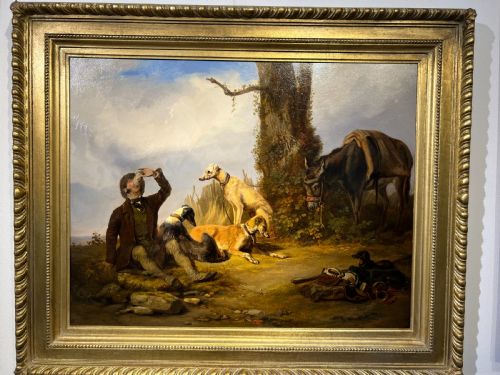
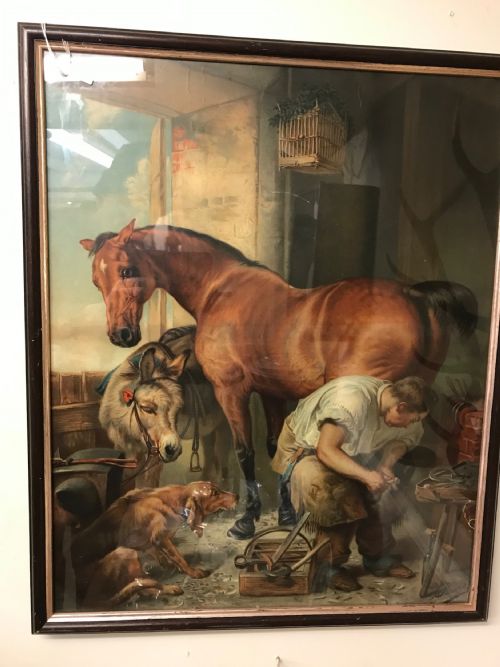
Brown hound artwork encompasses oil paintings, watercolours, and prints focusing on dogs and hunting scenes. Buyers searching this phrase meet framed artworks originating from the Georgian and Victorian periods, often depicting retrievers, spaniels, and hunting hounds in landscapes.
The subjects range from solitary portraits of individual dogs like retrievers and foxhounds to action-packed hunting scenes featuring packs in winter snow or woodland settings. Many pieces reflect British sporting art traditions, showing animals either at rest by the fire or actively engaged in the field.
Framed paintings and wall art dominate the selection, utilising oil on canvas, wood, or paper supports. These works bridge domestic animal portraiture and grand sporting narratives, appealing to collectors of canine subjects and historical field sports alike.
How they were made
Artists built these images using oil paint applied to canvas, wood panels, or paper, occasionally employing watercolour for lighter illustrative works. Canvases provided a durable ground for rich oil paint layers, while wood panels offered a rigid surface suited to early nineteenth-century scenes.
Giltwood frames frequently enclose the canvases and watercolours, adding ornamental weight to the presentation of sporting subjects. Glass serves to protect delicate paper watercolours and prints from atmospheric damage over time.
Pigments were worked with brushes to capture the texture of a hound's coat and the play of light in landscapes or tavern interiors. Technique varied from careful academic portraiture of specific dogs to looser brushwork conveying movement in full cry.
One hound is immortalised keeping watch over a litter named Lady, ensuring nobody questions the domestic side of the hunt.
What varies in quality
Quality rests in the anatomical accuracy of the animals and the vitality of their depiction. Skilled artists capture the intelligent expression of a retriever or the tension in a hound on the scent, whereas weaker hands produce stiff, static representations of dogs and horses.
The treatment of the surrounding landscape and interior setting separates accomplished sporting art from standard decorative pictures. Superior works integrate the hound naturally into its environment, whether a snowy hunt or a warm fireside, with harmonious handling of light and shadow.
Attribution and provenance elevate certain works, particularly those linked directly to notable animal and sporting artists of the nineteenth century. The integration of the subject within its original period frame also contributes to the overall integrity of the piece.
Sir Edwin Henry Landseer·Samuel Raven·Fannie Moody·Henri Schouten·Thomas Blinks·Philip Eustace Stretton·Henry Frederick Lucas-Lucas·Edward B Herberte
The Brown Hound Artwork Glossary
- Sporting art
- Art depicting field sports, hunting, horses, and dogs. This genre flourished in Britain during the Georgian and Victorian eras.
- Oil on canvas
- Pigment suspended in drying oil applied to a stretched woven fabric support. It remains the standard medium for durable historical paintings.
- Giltwood
- Wood carved and covered with a thin layer of gold leaf. It forms the traditional decorative framing for fine nineteenth-century paintings.
- Watercolour
- Paint consisting of colour pigments suspended in a water-based solution applied to paper. It allows for transparent washes and delicate detail.
- Full cry
- The collective baying of a pack of hounds when actively pursuing quarry. It represents a dramatic peak in hunting scenes.
Brown Hound Artwork: Frequently Asked Questions
What periods do these paintings come from?
The available pieces span the Georgian and Victorian eras, stretching from around eighteen hundred through the nineteenth century into the mid-twentieth century.
Most examples cluster in the eighteen-hundreds, reflecting the height of British sporting art production.
How were these hound artworks originally displayed?
They were typically hung in country houses, libraries, and sporting lodges as celebrations of prized hunting dogs and successful field sports.
Many retain their period giltwood frames, designed to complement the domestic interiors of the nineteenth century.
Are these works painted by known artists?
Several pieces are attributed to recognised Victorian and Georgian animal painters, while others are period copies after masters like Landseer or traditional prints.
Signatures or contemporary inscriptions on the reverse often help identify the hand behind the work.
What mediums are most common in this category?
Oil paint on canvas is the predominant medium, capturing deep tones and textured coats in fine detail.
Watercolours on paper and occasional works on wood panels also appear among the nineteenth-century selections.