



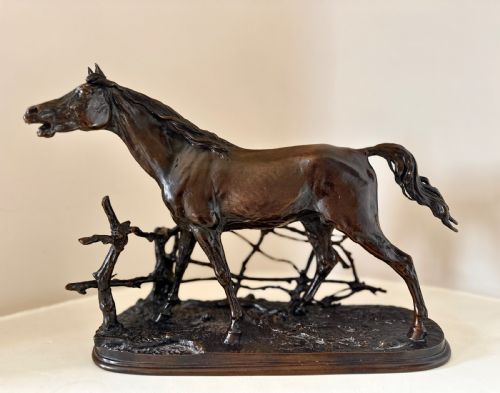
Brown Horse Statue
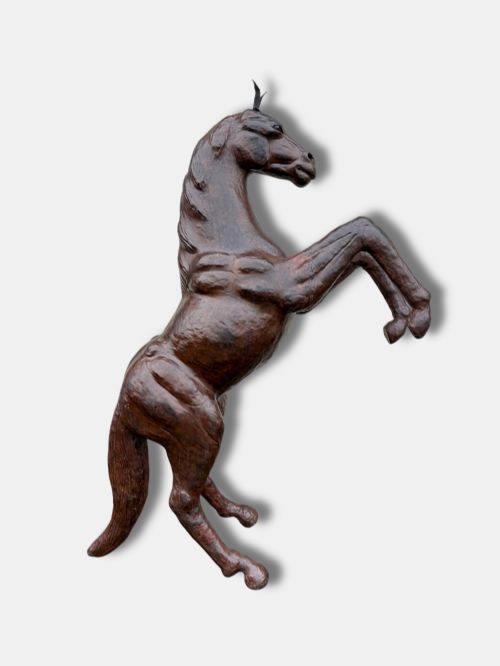
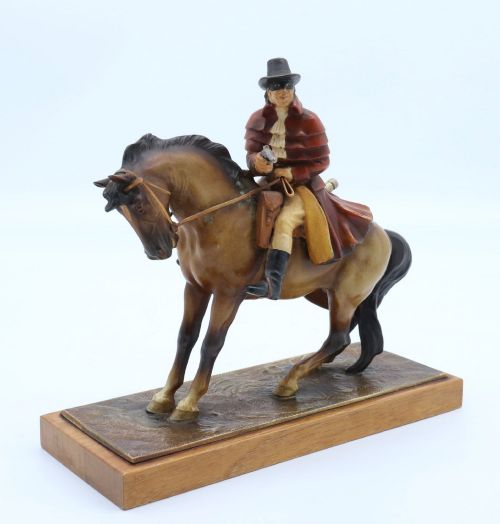
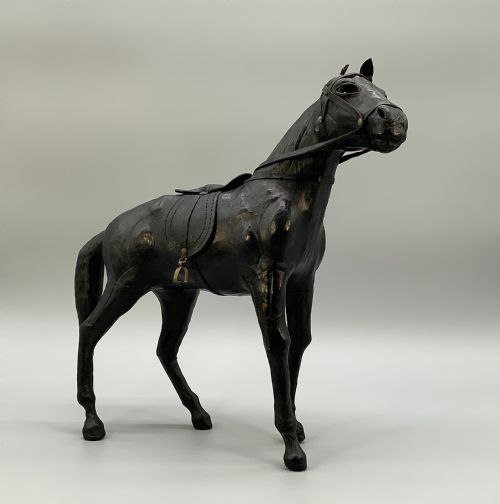
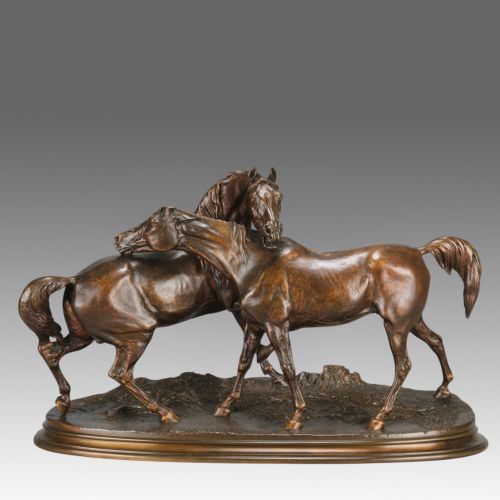
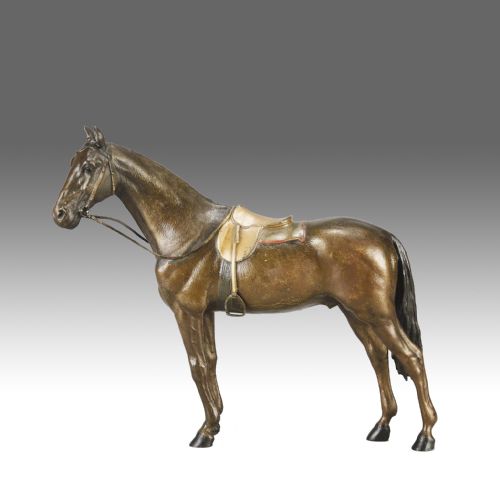
A brown horse statue captures the power and elegance of the animal in materials ranging from warm patinated bronze to hand-tooled leather.
Brown Horse Statue
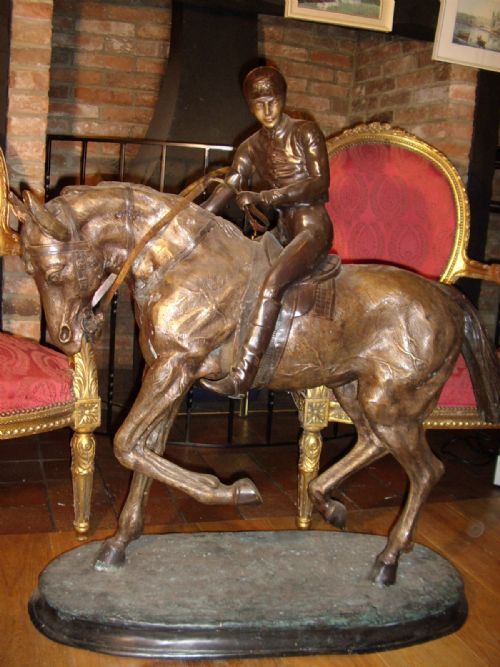
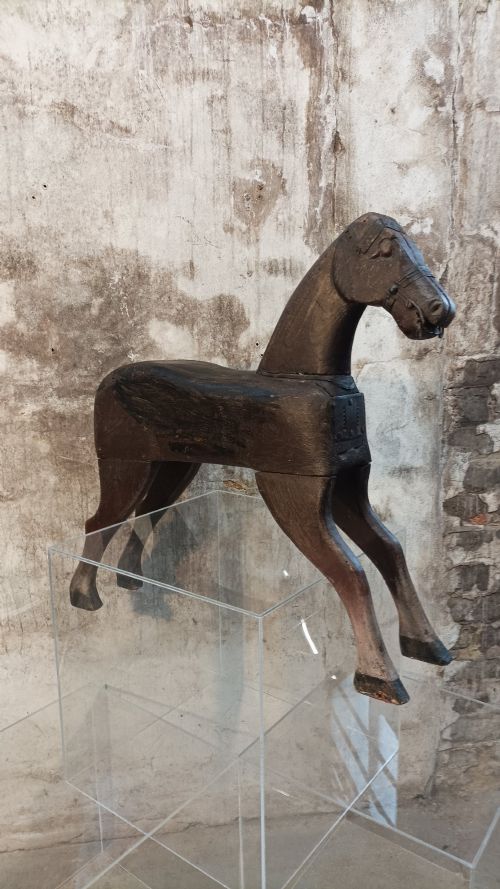
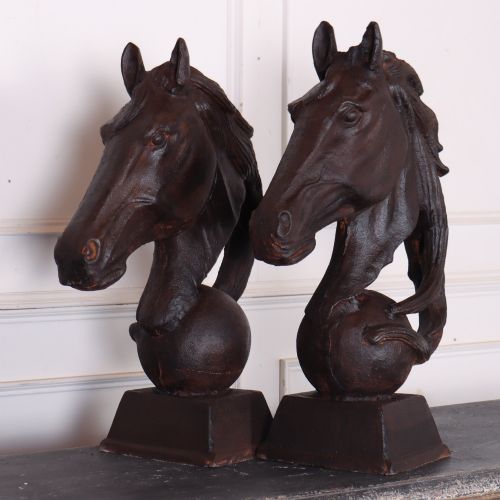
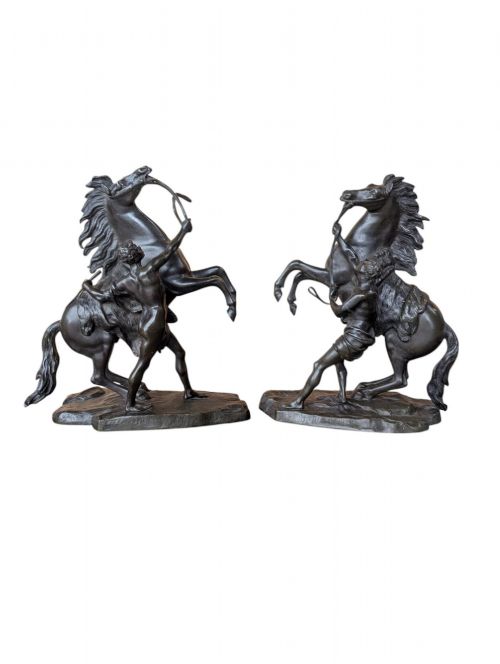
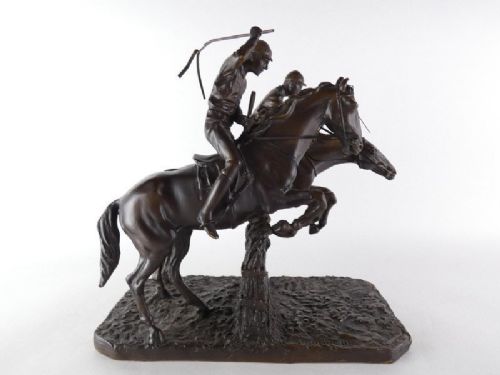
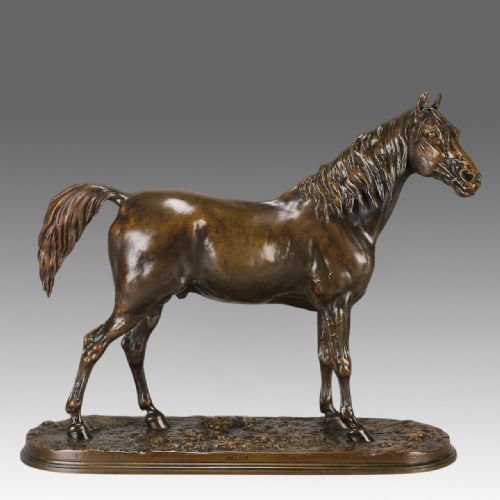
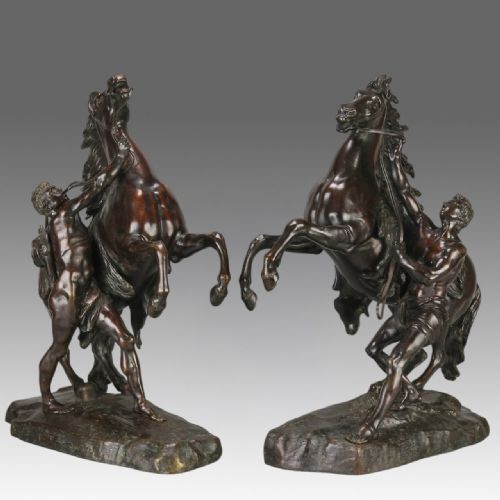
A brown horse statue encompasses sculptural works depicting equines in bronze, carved wood, cast iron, and leather across multiple centuries. These pieces record the animal in varied roles, from monumental racehorses and hunting companions to folk art carvings and heavy draught horses.
The versions most frequently met on this page span the nineteenth century through the mid-twentieth century, with French Animalier bronzes and large leather-covered models forming a substantial portion of the selection. Sculptural interpretations range from naturalistic studies of mares and stallions to stylised Art Deco depictions and utilitarian hitching posts.
Materials and construction methods
Metal sculptures rely principally on the lost-wax casting technique for bronze figures, allowing fine anatomical detail in depictions of muscles, reins, and saddles, while utility pieces employ robust cast iron. Bronze works often feature cold-painted surfaces or rich chemical patination to achieve naturalistic brown tones.
Leather models utilise a fitted skin built over a rigid armature or carved wooden core, sometimes associated with Liberty of London production methods. Wooden and stone studies depend on direct hand-carving techniques applied to hardwoods, specimen marble, or primitive folk art timber blocks.
Brown Horse Statue Retail Price Guide 2026
Typical asking prices for brown horse statue among the pieces listed under this phrase on Sellingantiques today, from the lower quarter to the upper quarter. They describe what is for sale here now, not the wider market.
Listings feature works spanning the nineteenth century, the Victorian era, Art Deco, and mid-century modern periods in bronze, leather, wood, and cast iron.
Distinctions in craftsmanship and design
The standard of a piece depends heavily on anatomical accuracy and the crispness of the casting or carving, where superior examples capture tension in muscle and movement in stride rather than static stiffness. Master sculptors achieve dynamic realism that elevates a simple animal study into a compelling artistic document.
Surface finish and patination dictate visual success, with skilled cold-painting, hand-tooled leather seams, and rich bronze patinas preserving texture over decades. Weaker pieces often display heavy, uniform finishes that obscure fine detailing and diminish the tactile quality of the material.
Pierre Jules Mêne·Franz Bergman·Liberty of London·Isidore Jules Bonheur·Nikolai Lieberich
The Brown Horse Statue Glossary
- Animalier
- A nineteenth-century artistic movement focused on the realistic depiction of animals, particularly associated with French bronze sculptors.
- Cold-painted
- A method where paint is applied to a bronze object without heat-firing, often seen on Austrian cabinet bronzes.
- Lost-wax casting
- A historic metalworking process used to create detailed bronze sculptures from an original model encased in wax and mould material.
- Patina
- The surface sheen and coloration developed naturally over time or applied chemically to metals and woods to enhance depth.
- Equestrian
- Pertaining to horseback riding or horse-related subjects, frequently used to describe figures mounted by riders or jockeys.
Brown Horse Statue: Frequently Asked Questions
How do I date a bronze horse?
Dating relies upon foundry marks, signature styles of known Animalier sculptors, and the depth and chemical composition of the surface patina.
Earlier nineteenth-century castings typically exhibit sharper hand-chiselling on the metal surface compared to later reproductions.
Are leather horses hollow?
Most large decorative leather models utilise an internal structural armature or a carved wooden core to support the stretched hide.
Stitching and stamp marks often appear along the underbelly or seams, pointing to workshop origins.
Where were Austrian cold-painted bronzes made?
Vienna served as the primary centre for small-scale cold-painted cabinet bronzes during the late nineteenth and early twentieth centuries.
Foundries such as those associated with Franz Bergman specialised in naturalistic wildlife and equestrian subjects.
What is an Animalier sculpture?
Animalier refers to nineteenth-century works dedicated specifically to the accurate anatomical portrayal of animals in action or repose.
French ateliers mastered this genre, producing expressive bronzes of racehorses, hunters, and mares with their foals.