



Brown Hessian Chair
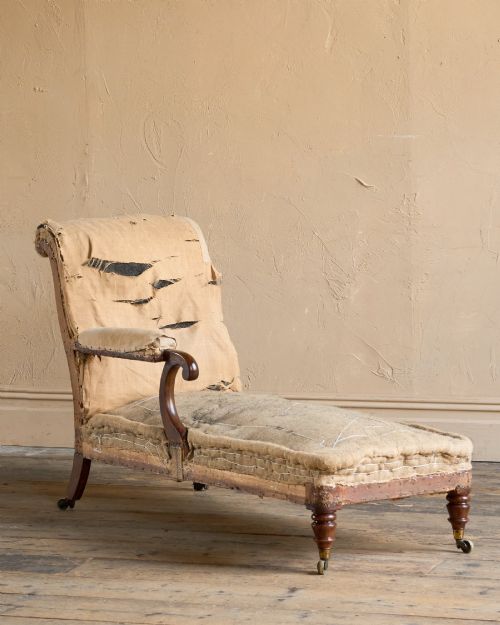
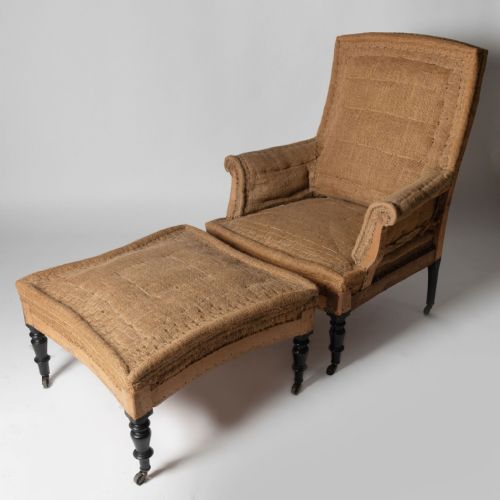
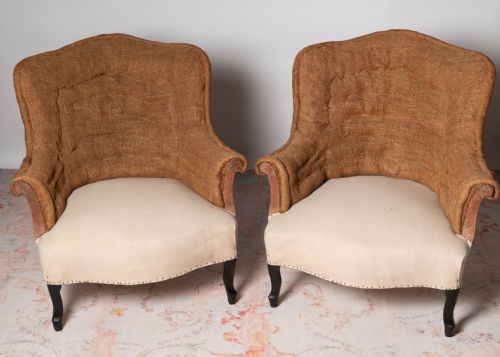
These brown hessian chairs bring texture and grounded comfort into a room through honest utilitarian fabrics and robust frames.
Brown Hessian Chair
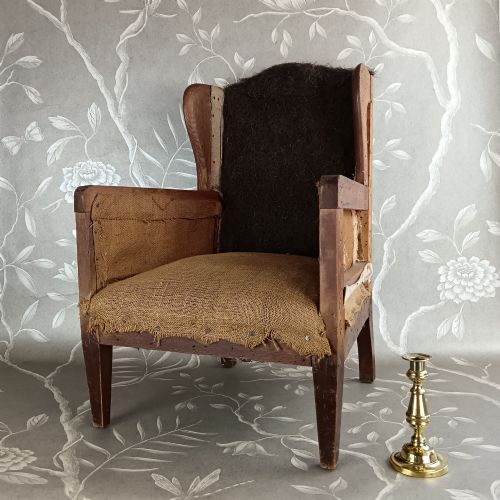
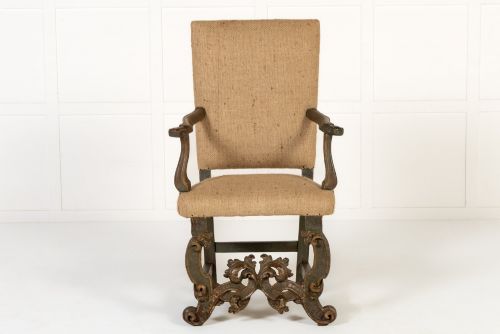
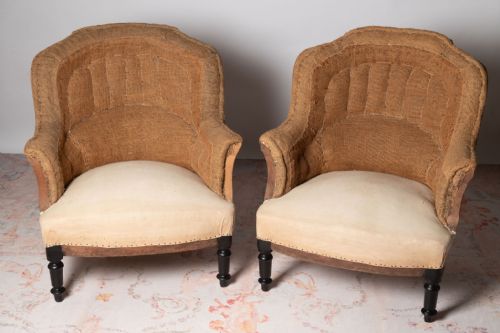
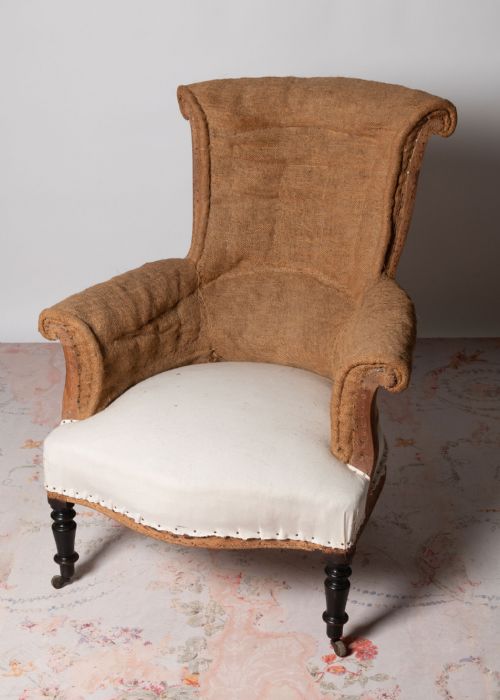
A brown hessian chair uses coarse, durable woven plant fibre to cover seating forms ranging from compact slipper chairs to expansive wingback armchairs. These pieces emerge across several periods, most visibly in 19th-century examples alongside earlier 17th-century and 18th-century designs.
The inventory on this page leans heavily towards French and English seating, including accent chairs, bedroom chairs, and substantial armchairs. Makers such as Gillows and Robert Strahan occasionally anchor the higher end of these traditional forms.
Buyers seek these chairs for their tactile upholstery and versatile shapes that fit comfortably into period and rustic interiors. The subdued tones of the fabric allow the underlying woodwork and structural lines to dominate the visual space.
How they were made
Makers built the foundational frames using timber species like mahogany and walnut, shaping the wood to match styles from Queen Anne curves to Italian Baroque elaboration. Metal and brass elements frequently reinforced joints or provided castors for mobility on heavy furniture.
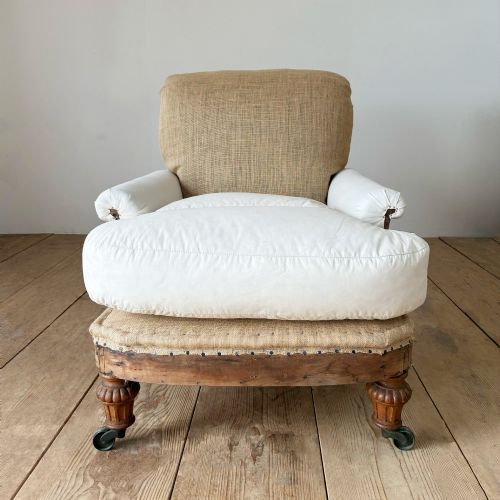
Upholsterers stretched tough hessian over internal stuffing, sometimes layering it beneath calico linings to secure the padding. This straightforward textile construction ensured the chairs could withstand heavy daily use while maintaining structural integrity.
Brown Hessian Chair Retail Price Guide 2026
Typical asking prices for brown hessian chair among the pieces listed under this phrase on Sellingantiques today, from the lower quarter to the upper quarter. They describe what is for sale here now, not the wider market.
Listings feature woods such as mahogany and walnut paired with hessian and calico across 19th-century and earlier styles.
What varies in quality
The distinction between ordinary and exceptional pieces lies in the refinement of the wooden frame and the precision of the joinery. Carved details on walnut and mahogany structures reflect the skill of the original cabinetmaker.
Proportion and stance dictate the overall presence of the chair, separating heavy, utilitarian seating from balanced, elegant forms designed for formal rooms.
Gillows·Robert Strahan
The Brown Hessian Chair Glossary
- Hessian
- A coarse woven fabric typically made from jute fibres, valued for its durability and neutral texture. It frequently serves as an outer upholstery covering or an internal foundation layer in traditional seating.
- Wingback armchair
- A large seating form featuring protective wings designed to shield the occupant from drafts. Early examples often incorporate deep padding and substantial wooden legs.
- Slipper chair
- A low-seated bedroom chair traditionally designed to assist women with footwear. These pieces generally lack arms and sit close to the floor.
- Calico
- A plain-woven cotton textile often used beneath outer upholstery fabrics like hessian. It provides a clean, stable base for padding materials.
Brown Hessian Chair: Frequently Asked Questions
What is a brown hessian chair?
A brown hessian chair is a traditional seat upholstered in coarse jute fabric, appearing across styles from 17th-century Italian designs to Edwardian armchairs.
These pieces range from compact bedroom chairs to large wingbacks with exposed wooden frames.
How were these chairs used originally?
Owners placed these chairs in parlours, bedrooms, and libraries for daily seating and relaxation. Wingbacks kept occupants warm near fireplaces, while slipper chairs served domestic dressing rooms.
The durable hessian fabric withstood heavy domestic routines without requiring delicate maintenance.
How do I style a brown hessian chair?
The neutral tone of hessian allows these chairs to anchor both rustic country interiors and formal period rooms. Pair them with antique wooden tables or textured wool rugs to highlight the natural weave of the fabric.
Let the wooden framework dictate the surrounding colour palette.
How do I identify the period of a chair?
Inspect the woodwork and joinery to connect the piece to specific eras like Queen Anne or the Victorian period. Leg shapes, carving styles, and structural proportions offer clear clues to the date of manufacture.
Compare the silhouette against known regional designs from England, France, or Italy.