






Brown Fruitwood Furniture
Brown fruitwood furniture brings tactile warmth to a room through dense, characterful timber and honest period craftsmanship.
Brown Fruitwood Furniture
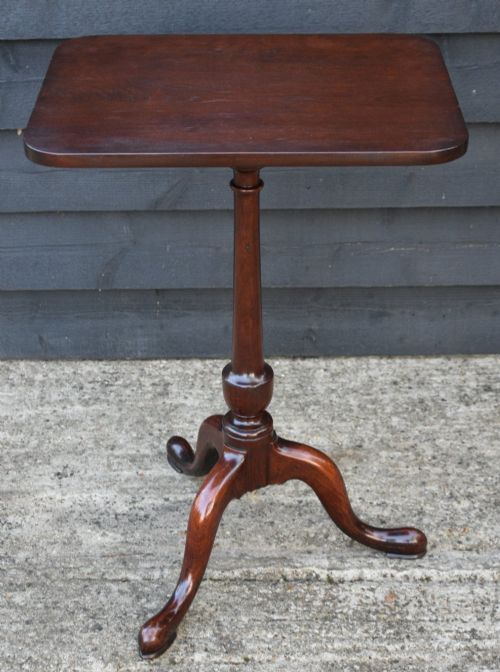
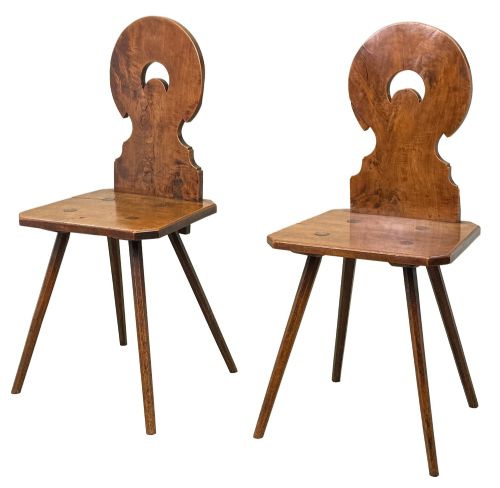
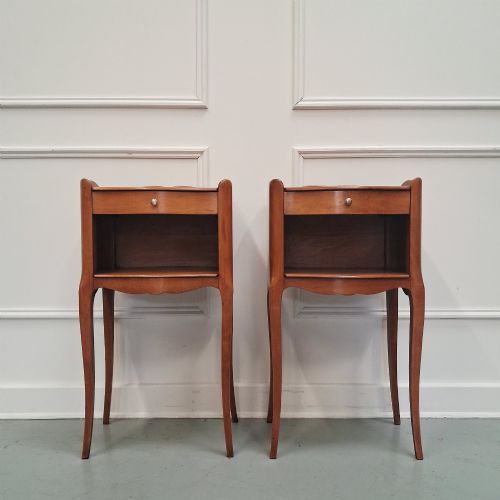
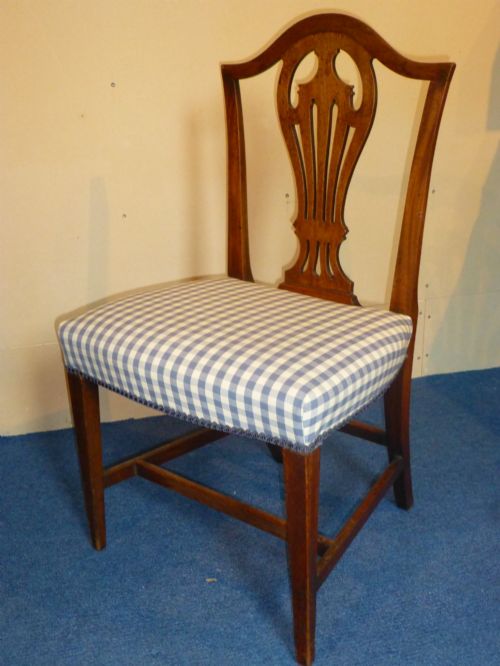
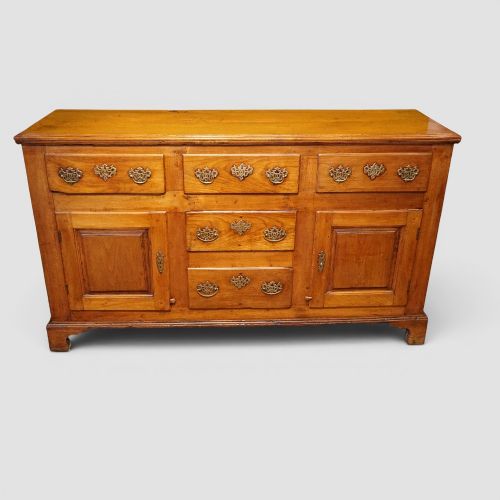
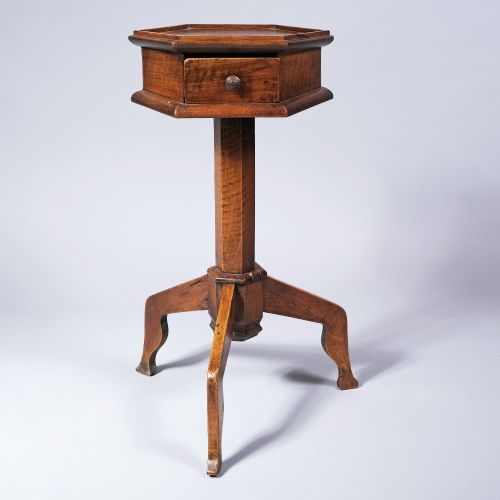
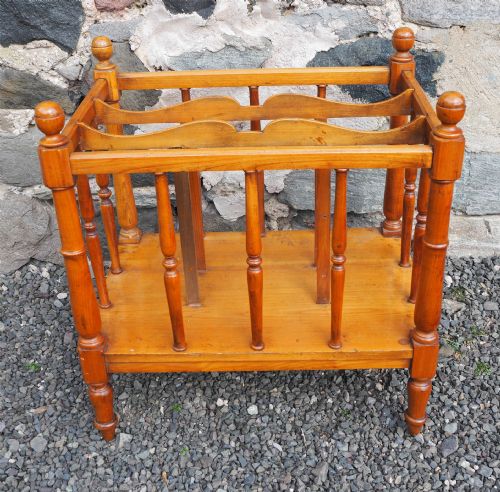
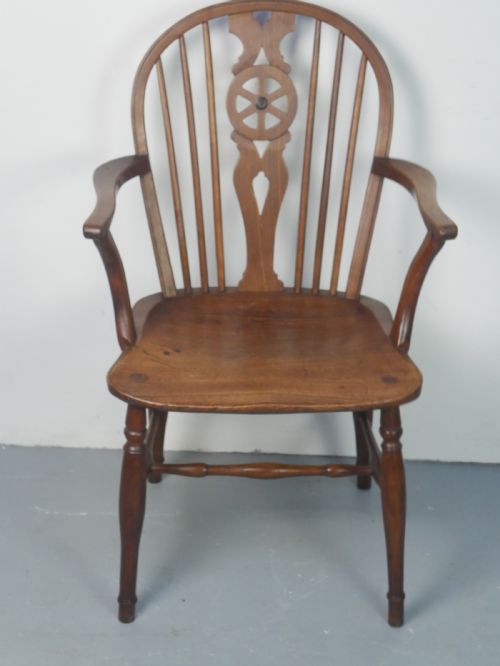
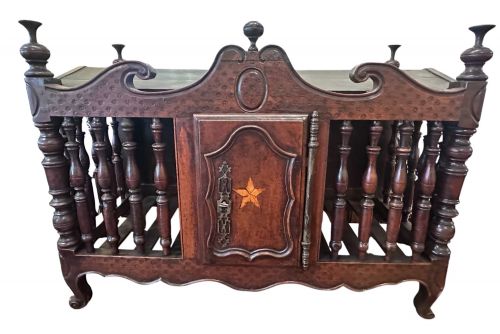
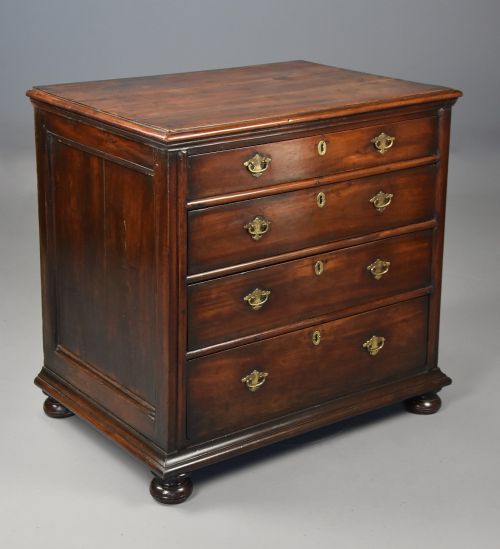
Brown fruitwood furniture encompasses practical domestic items and seating shaped from dense timber such as pear, apple, plum, and cherry across several centuries. When searching for brown fruitwood furniture, buyers commonly encounter regional forms like French Provincial commodes, Swiss folk art chairs, and Georgian dressers alongside occasional tables.
The selection ranges from sturdy refectory benches and sideboards to intimate bedside tables and children's rocking chairs. Pieces frequently combine fruitwood bodies with secondary timbers like oak, walnut, or mahogany, reflecting the resourceful workshop practices of their makers.
Origins stretch across English, French, Austrian, and Swiss traditions, spanning the seventeenth century through to the Art Deco period of the 1930s. Domestic utility drives the category, producing items designed for daily use in bedrooms, hallways, and dining spaces.
Judging quality in fruitwood pieces
Quality rests upon the natural figuring of the timber and the depth of the patination built up over centuries of use. Superior examples display crisp carving on cabriole legs and precise marquetry inlay rather than purely utilitarian construction.
Proportion and structural integrity distinguish finer workshops from provincial vernacular output. Original brass mounts and untouched drawer linings elevate the standing of a chest or commode.
Brown Fruitwood Furniture Retail Price Guide 2026
Typical asking prices for brown fruitwood furniture among the pieces listed under this phrase on Sellingantiques today, from the lower quarter to the upper quarter. They describe what is for sale here now, not the wider market.
Someone once needed a tiny potty rocker for a Georgian toddler.
Oliver Morel
The Brown Fruitwood Furniture Glossary
- Fruitwood
- Timber derived from fruit-bearing trees such as apple, pear, cherry, and plum. It yields a dense, tight-grained surface that accepts fine carving.
- Patination
- The lustrous surface sheen developed through age, handling, and wax polishing. This quality reveals the history of the timber.
- Lowboy
- A small side table or dressing table featuring drawers beneath the top surface. These typically stand on slender cabriole legs.
- Commode
- A low chest of drawers, often French in origin. These items frequently display shaped fronts and parquetry work.
- Settle
- A wooden bench featuring a high back to block draughts. They often incorporate box seating beneath the lift-up lid.
Brown Fruitwood Furniture: Frequently Asked Questions
What is fruitwood furniture?
Fruitwood furniture comprises items built from the dense timbers of orchard trees like apple, pear, plum, and cherry. These pieces range from rustic chairs to refined Georgian desks.
Craftsmen favoured these woods for their fine grain and capacity to take crisp detail. They offer a distinct warmth compared to standard mahogany or oak.
How do I clean fruitwood?
Clean fruitwood surfaces using a soft, dry cloth to remove dust. Avoid modern silicone sprays which can damage historical finishes.
Apply a traditional beeswax polish sparingly to maintain the natural patination. Buff gently with a clean brush or cloth to restore the sheen.
Are fruitwood pieces durable?
Fruitwoods possess a dense cellular structure that makes them surprisingly resilient for daily domestic use. Tables, chairs, and chests built from these timbers have endured for centuries.
Protecting them from direct sunlight and extreme humidity changes ensures the wood remains stable. Proper care preserves both the joints and the surface polish.
How do I date fruitwood furniture?
Dating relies upon examining construction methods, tool marks, and secondary timbers used in the piece. Hand-cut dovetails and pegged joints typically point to eighteenth-century origins.
Stylistic cues such as cabriole legs, brass hardware, and inlay patterns help narrow the period. Comparing proportions to documented regional pieces confirms the era.