




Brown Four Poster Bed
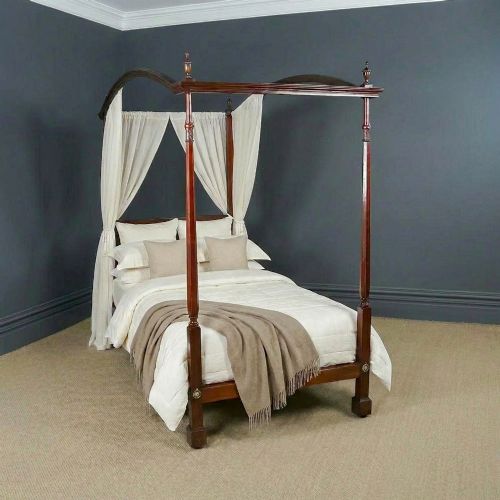
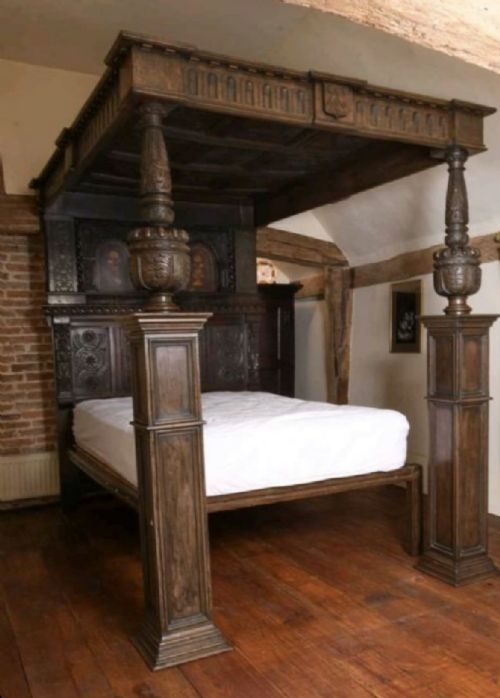
These brown four poster bed examples are grand sleeping structures built from rich timber, offering a commanding presence and historical charm for any bedroom.
Brown Four Poster Bed
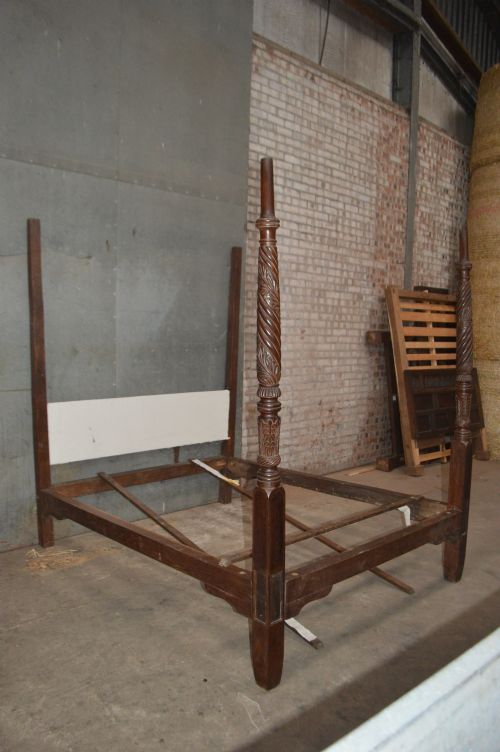
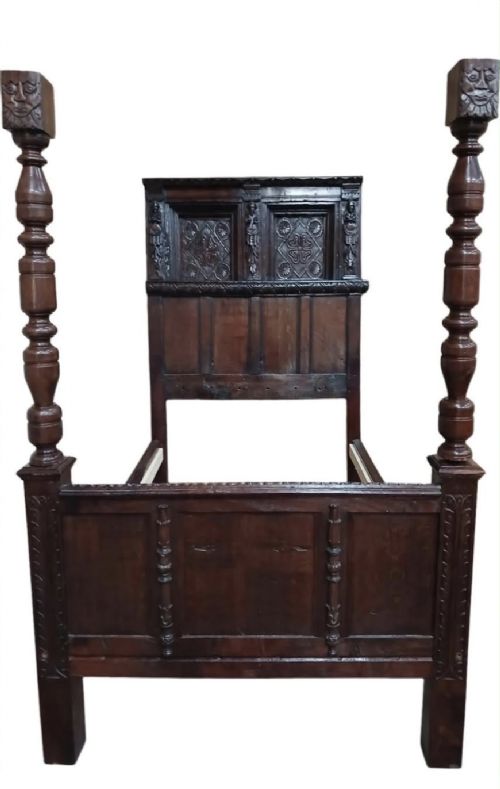
A brown four poster bed brings monumental architecture into the domestic sleeping chamber, defined by four vertical posts supporting an overhead tester frame. Buyers seeking this phrase encounter significant timber structures spanning centuries of design, from early oak joined frameworks to later mahogany revivals.
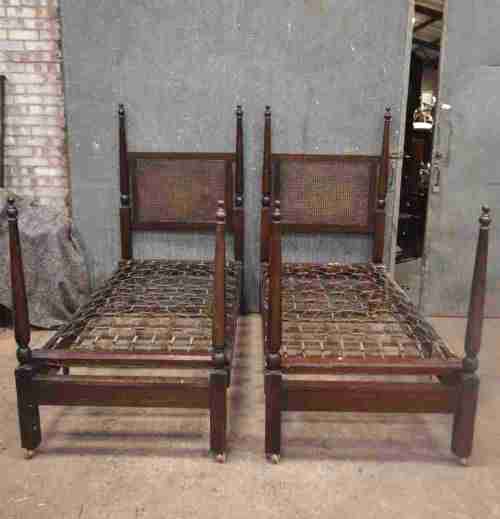
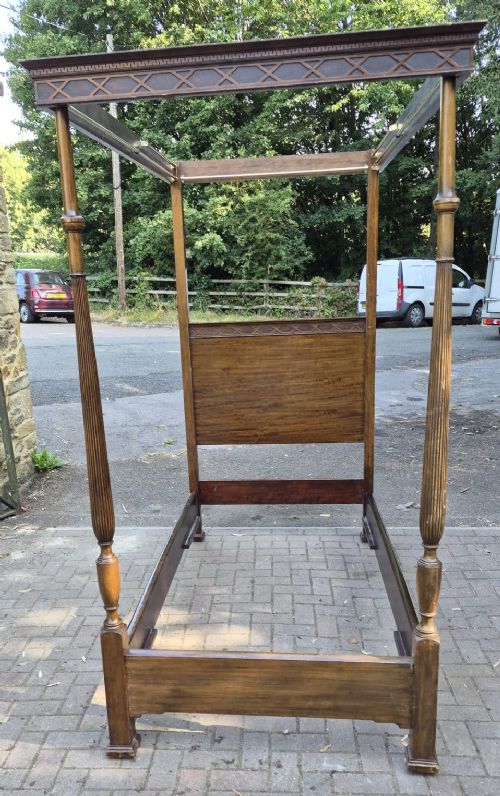
The versions most commonly met on this page range from robust seventeenth-century oak examples featuring carved testers down to refined eighteenth-century mahogany frames and later revival pieces. One also encounters unexpected scaled variations including single frames and pet furniture alongside full-sized sleeping quarters.
Period influences shape these listings considerably, incorporating Jacobean crispness, Georgian elegance, and Regency restraint alongside colonial and Edwardian revivals. Each iteration retains the signature canopy structure that defines the form, whether rendered in dark patinated oak or warm polished mahogany.
Materials and construction
Makers built these frames primarily from native oak and imported mahogany, sometimes employing flame mahogany veneer over secondary timbers like pine to achieve striking surface figures. Selected woods were worked with traditional joinery techniques, utilising pegged mortise and tenon joints on earlier pieces and sophisticated cabinetmaking methods on later mahogany examples.
Carving and turning shaped the structural posts and testers, transforming heavy timber into fluted, reeded, or intricately carved architectural supports. Additional materials such as cane, fabric, and paint appear across specific styles, complementing the warm brown tones of the primary woods.
Brown Four Poster Bed Retail Price Guide 2026
Typical asking prices for brown four poster bed among the pieces listed under this phrase on Sellingantiques today, from the lower quarter to the upper quarter. They describe what is for sale here now, not the wider market.
Listings feature brown four poster beds spanning from the seventeenth century through to Edwardian revivals, constructed primarily in oak and mahogany.
Assessing quality and proportion
Quality rests upon the integrity of the timber, the depth and crispness of the carving on the posts, and the preservation of original structural components. Superior examples display harmonious proportions between the heavy tester canopy and the supporting posts, maintaining structural stability without relying on later modifications.
The refinement of the joinery and the quality of the wood finishing distinguish finer cabinetwork from simpler utilitarian frames. Patina accumulated across centuries of polish adds depth to the surface, separating well-preserved antiques from heavily restored or later revival pieces.
Heals of London·Chippendale
The Brown Four Poster Bed Glossary
- Bergere
- A type of enclosed upholstered armchair, or in this context, applied to cane-panelled bed headboards. The technique uses woven cane for a light, textured panel.
- Veneer
- A thin layer of finely figured wood applied to a secondary timber base. Flame mahogany veneer creates a distinctive flickering flame pattern across the surface.
- Timber
- The general term for wood prepared for building and furniture making. Hardwoods like oak and mahogany provided the structural backbone for these large frames.
- Architectural salvage
- Building parts or fixtures rescued from demolition. In these listings, it refers to separated elements such as carved bed posts preserved from larger structures.
Brown Four Poster Bed: Frequently Asked Questions
Will a brown four poster bed fit a modern mattress?
Many antique frames were built before standard mattress sizes existed, meaning dimensions can vary slightly from modern single, double, or king measurements. Careful measurement of the interior frame space ensures a proper fit for contemporary bases.
Some period frames require custom mattress solutions or minor internal adjustments to accommodate modern comfort levels safely without altering the exterior historic appearance.
How do I care for antique wood finishes?
Maintaining these timber surfaces involves regular dusting with a soft, dry cloth and avoiding direct sunlight or excessive heat sources that dry out the wood. Natural wax polishes applied sparingly help preserve the historic patina.
Avoid modern liquid silicone cleaners, as they can penetrate the pores of older woods and damage the polish accumulated over generations of use.
How do I distinguish seventeenth-century oak from later revivals?
Early seventeenth-century frames display distinct tool marks, pegged joinery, and hand-cut elements characteristic of period joiners working without powered machinery. The timber develops a deep, dry patination through centuries of exposure.
Revival pieces from later periods often show mechanical uniformity in their joints and timber preparation, even when utilising reclaimed seventeenth-century wood.
How were four poster beds used historically?
Historically, four poster beds served as status symbols for wealthy households, offering privacy and warmth through heavy curtains suspended from the tester canopy. The enclosed design kept out drafts in large, unheated rooms.
Over time, the functional need for heavy drapes diminished, and the frames evolved into prominent aesthetic centrepieces within grand bedrooms.