



Brown Earthenware Pot
These brown earthenware pot examples span centuries of utilitarian and decorative ceramics, offering earthy tones and practical forms for daily use.
Brown Earthenware Pot
A brown earthenware pot encompasses a diverse range of historic vessels, from utilitarian dairy crocks and walnut oil jars to decorative Victorian jardinieres and teapots. When searching for a brown earthenware pot, buyers encounter pieces fashioned from local clays, finished with rich glazes that highlight the natural warmth of the ceramic body.
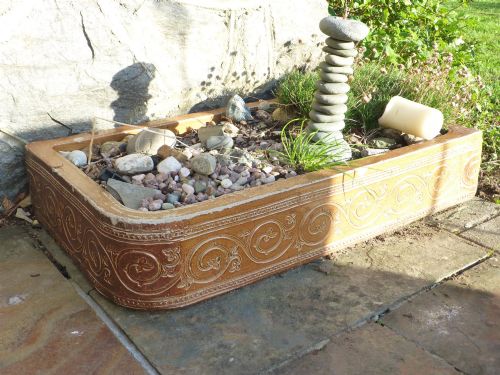
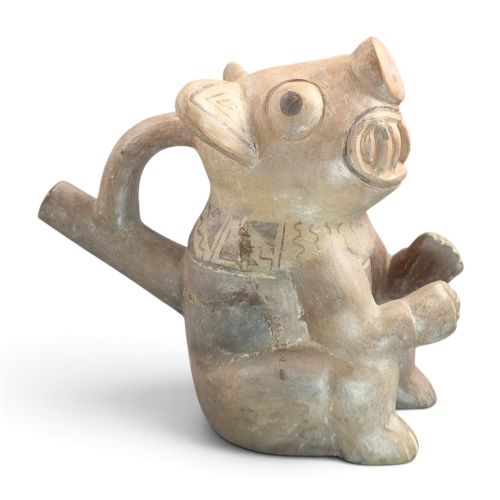
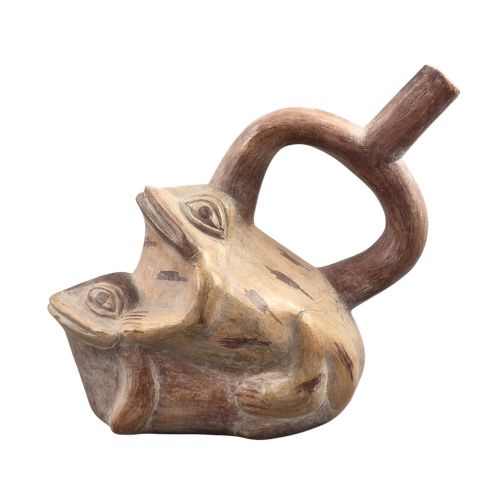
The selection ranges from pre-Columbian zoomorphic vessels and rustic vernacular planters to refined Majolica pieces produced by notable potteries. These items serve varied functions, operating historically as cooking dishes, inkwells, salting crocks, and decorative garden troughs.
Most entries belong to the nineteenth century, reflecting the industrial and domestic output of that era alongside earlier archaic vessels. Buyers frequently discover regional English pieces, French oil jars, and Mediterranean amphorae sharing similar earthy palettes.
Materials and production methods
Potters utilised native clays, earthenware, and terracotta, shaping them on the wheel or moulding them into naturalistic and geometric forms. The physical body often exhibits the porous nature of fired earth, requiring skilled preparation of the raw material before shaping.
Surface treatments define the aesthetic, featuring salt glazes, slip, and rich coloured glazes that seal the porous clay. Kiln firing temperatures determined whether the resulting ceramic remained true earthenware, terracotta, or transitioned into denser stoneware.
Brown Earthenware Pot Retail Price Guide 2026
Typical asking prices for brown earthenware pot among the pieces listed under this phrase on Sellingantiques today, from the lower quarter to the upper quarter. They describe what is for sale here now, not the wider market.
A rugby ball shaped inkwell proves that nineteenth century potters possessed a very specific sense of desk accessory humour.
Distinguishing quality and craftsmanship
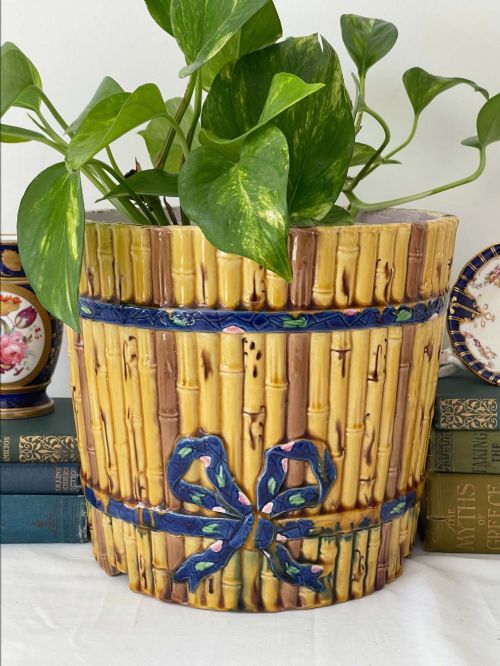
Quality rests in the precision of the form, the depth and consistency of the glaze, and the intricacy of modelled details such as bamboo motifs or naturalistic foliage. Pieces attributed to specific factories or skilled modellers demonstrate superior control over both the clay body and the chemical reactions of the kiln.
The integrity of the construction, from the throwing of a heavy salting crock to the delicate application of majolica colours, separates standard utilitarian wares from artistic showpieces. Preservation of the original surface finish without extensive restoration remains central to the standing of any given piece.
Minton Majolica·Doulton Burslem·Doulton Lambeth·Joseph Holdcroft·Linthorpe Pottery
The Brown Earthenware Pot Glossary
- Earthenware
- Porous pottery fired at lower temperatures, requiring a glaze to hold liquids. It forms the base material for many historic utilitarian vessels and planters.
- Majolica
- A type of earthenware covered with an opaque tin glaze and painted with metallic oxide colours. It gained immense popularity during the Victorian period for decorative items.
- Terracotta
- Unglazed, brownish-red fired clay utilised for garden planters, amphorae, and early vessels. The material breathes, making it suitable for horticultural containers.
- Salt-Glazed Stoneware
- Pottery finished by throwing common salt into the kiln during high-temperature firing, creating a distinctive orange-peel texture. This technique produces highly durable, waterproof vessels.
- Agateware
- Ceramics formed by blending clays of different colours to produce a striated, marbled pattern resembling natural stone. It appears frequently in domestic teapots from the early twentieth century.
Brown Earthenware Pot: Frequently Asked Questions
What were brown earthenware pots used for?
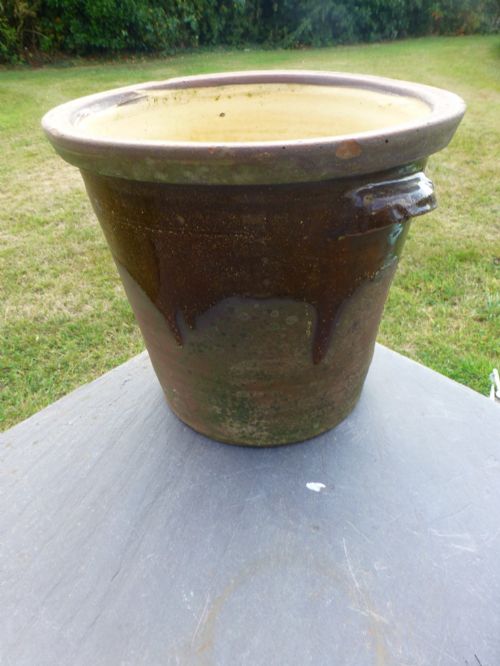
These vessels served diverse practical roles in domestic and agricultural settings, functioning as dairy salting crocks, cooking dishes, oil storage jars, and inkwells. They held liquids, preserved food, and accommodated growing plants.
Over time, many utilitarian forms transitioned into decorative indoor jardinieres and teapots, reflecting changing domestic tastes during the nineteenth century.
How do I care for antique earthenware?
Antique earthenware requires gentle handling due to the porous nature of the fired clay and potential historic glaze crazing. Dust them with a dry cloth and avoid harsh chemical cleaners.
When using planters or vases for live plants, place a liner inside to protect the historic ceramic body from moisture damage and mineral deposits.
How can I tell the age of a pot?
Dating relies on examining the manufacturing marks, glaze characteristics, style, and the wear patterns on the base of the vessel. Factory stamps, registration diamonds, and date ciphers provide precise chronological markers.
Stylistic cues, such as Victorian naturalism or pre-Columbian forms, further narrow the historical window in which the ceramic was produced.
Are these pots waterproof?
The waterproof qualities depend entirely on the glaze application and the firing temperature of the specific ceramic body. Salt-glazed stoneware and heavily glazed majolica hold liquids effectively.
Terracotta and porous earthenware vessels often allow moisture to seep through the clay body, meaning they require saucers or protective liners for indoor display.