




Brown Dress Portrait
A brown dress portrait captures a subject in distinctive costume, offering an immediate window into historical fashion and personal identity.
Brown Dress Portrait
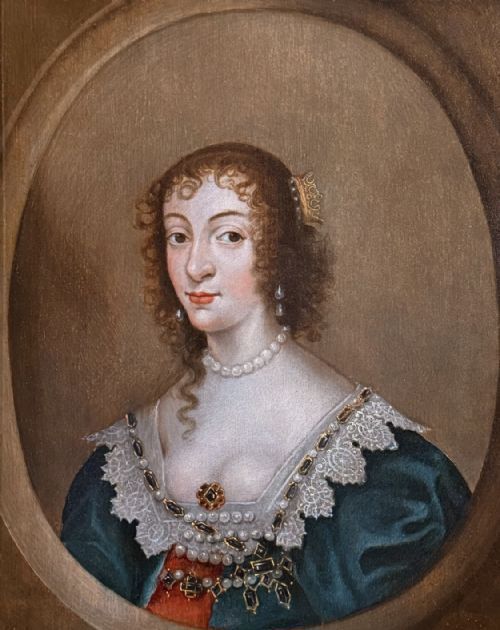
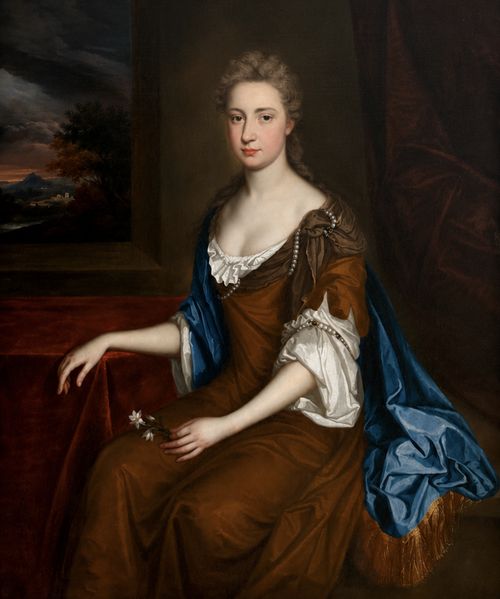
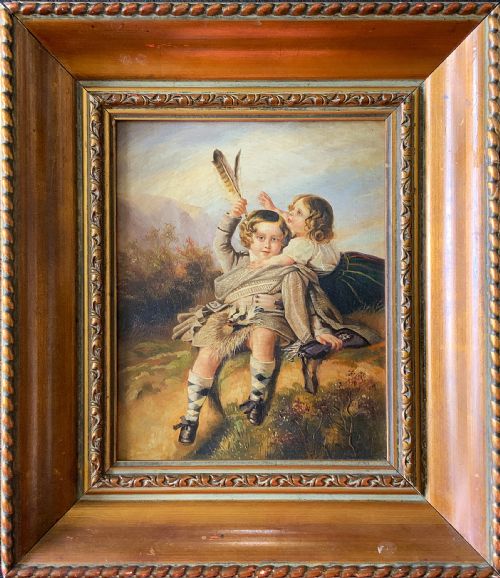
The selections on this page reach from the seventeenth century through to the mid-twentieth century. Earlier examples lean towards Baroque and Georgian sensibilities, while later pieces traverse Victorian, Edwardian, and early twentieth-century styles. The array includes single likenesses, double portraits, and group scenes.
Materials and technique
Artists relied primarily on oil paint applied to canvas or wood panel to build depth and texture in these depictions. Watercolours and pastels on paper appear in lighter compositions, capturing finer linear details.
Supports often include traditional media framed in wood, sometimes accompanied by glass protection for works on paper. The interplay of pigment and ground defines the longevity and visual weight of each painting.
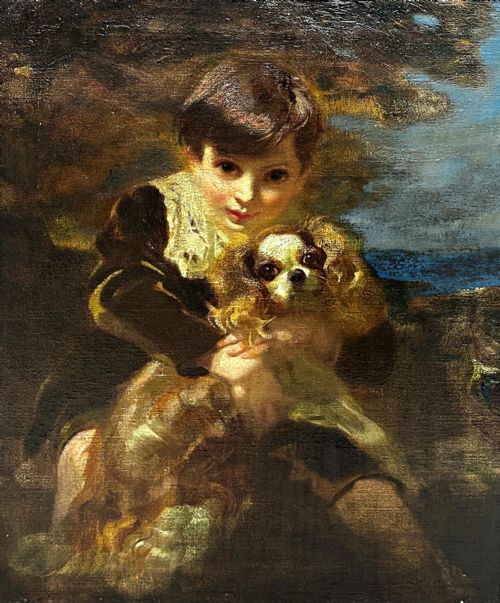
Subjects range from aristocratic sitters and war correspondents to a boy holding his Cavalier King Charles Spaniel.
Evaluating the work
Quality rests in the handling of facial expression, fabric drape, and light distribution across the garment. Skilled hands articulate the texture of silk, wool, or cotton through nuanced brushwork rather than flat colour.
Compositional balance and the psychological engagement of the sitter separate accomplished portraits from standard workshop output. The preservation of the original surface and support further dictates the standing of each piece.
Georges Goursat·Helena Maguire·Linnie Watt·Frank Owen Salisbury·Sonia Mervyn·Theobald Chartran·Kershaw Schofield·John Irvine·Francis Alleyne·Philip Mercier·Eden Upton Eddis·George Clint·John Raphael Smith
The Brown Dress Portrait Glossary
- Oil on canvas
- A painting medium where pigments suspended in drying oils are applied to stretched fabric. This combination allows for rich colour blending and substantial surface texture.
- Panel painting
- A flat piece of wood used as a structural support for fine art. Artists applied grounds directly to the timber before painting.
- Watercolour
- A painting method where coloured pigments are suspended in a water-soluble binder. It produces translucent washes on paper surfaces.
- Pastel
- A dry drawing medium consisting of powdered pigment and a binder. It creates velvety textures and subtle tonal shifts without liquid application.
- Baroque
- An artistic style prevalent from the seventeenth century onwards, characterised by dramatic movement and clear detail. It produces intense visual tension in portraiture.
Brown Dress Portrait: Frequently Asked Questions
What periods do these portraits cover?
The works span from the seventeenth century through the eighteenth and nineteenth centuries into the twentieth century. They encompass changing artistic conventions across these eras.
Represented styles include Baroque, Georgian, Victorian, and Edwardian approaches to portraiture.
What materials were used?
Artists worked primarily with oil paint on canvas or wood panel. Works on paper utilise watercolour and pastel.
Original wooden frames frequently accompany the paintings and drawings.
How do I identify the sitter?
Inscribed names, biographical details, or family crests sometimes accompany the artwork or appear on presentation plaques. Archival records and signatures on the front or reverse provide further context.
Clothing styles and accompanying objects often offer clues regarding the social standing of the individual.
Where should I hang these portraits?
These pieces suit traditional living spaces, studies, or hallways where lighting can be controlled to protect pigments. Direct sunlight should be avoided to prevent fading.
Pairing them with period furniture enhances their historical context.