
Brown Display Case
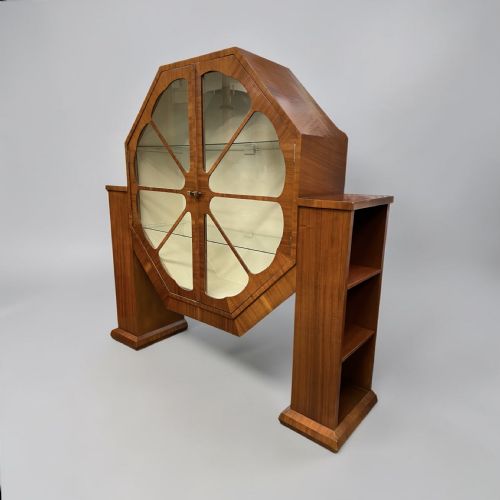
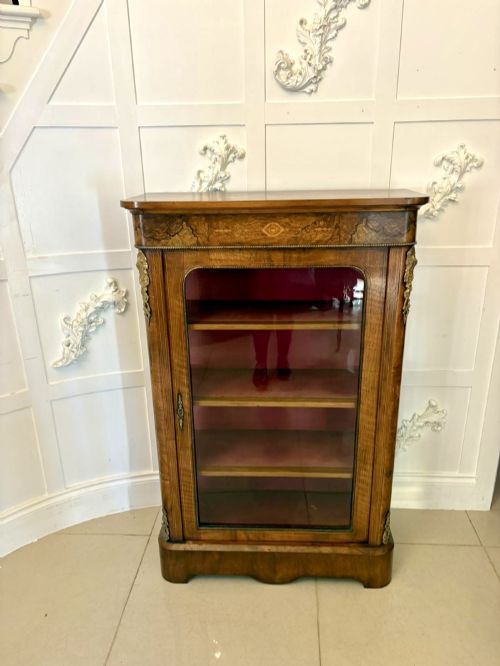
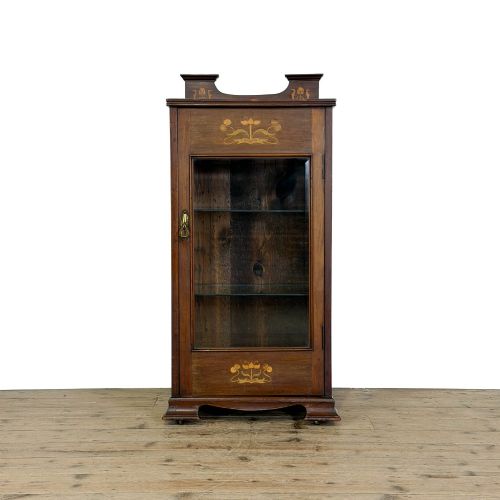
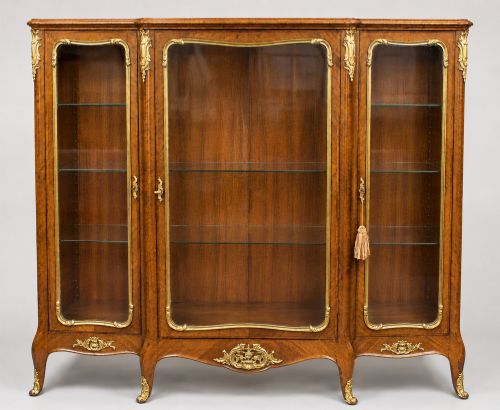
A brown display case houses cherished porcelain, books, and curios behind glass doors, bringing warmth and structured storage to a room.
Brown Display Case
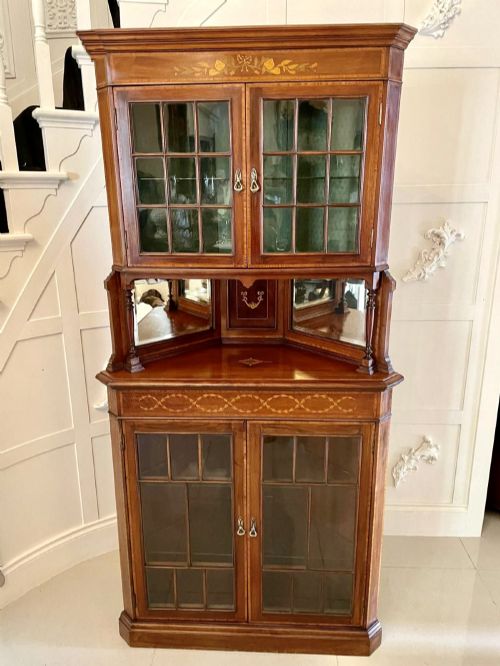
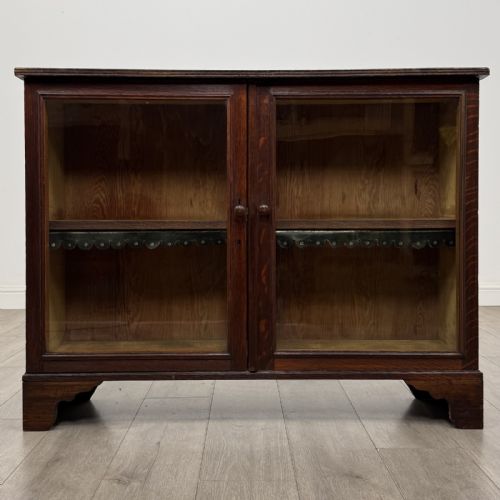
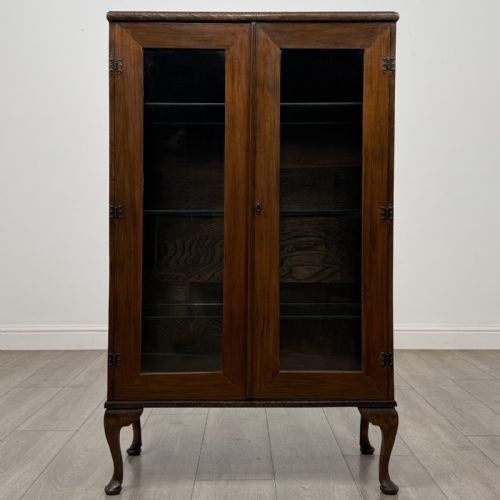
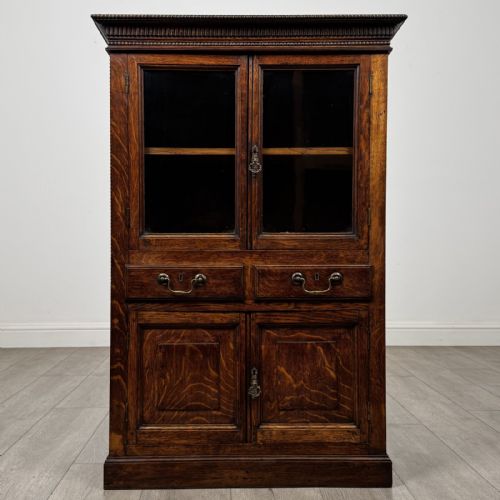
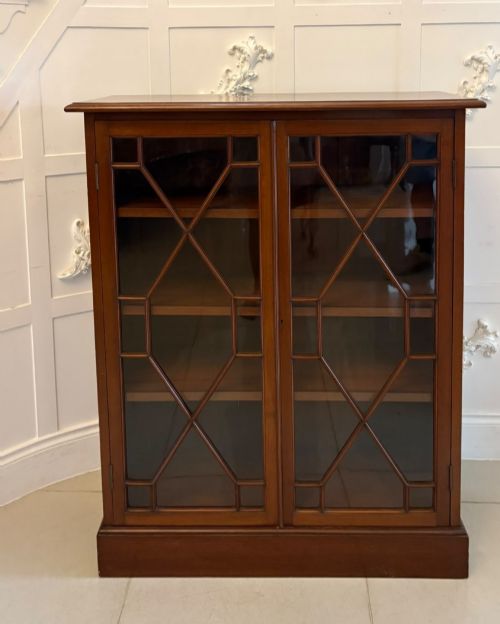
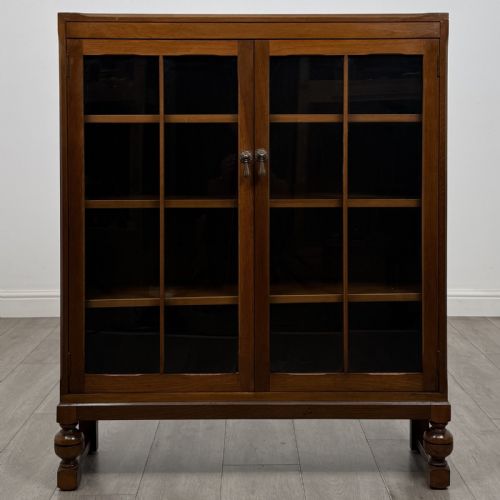
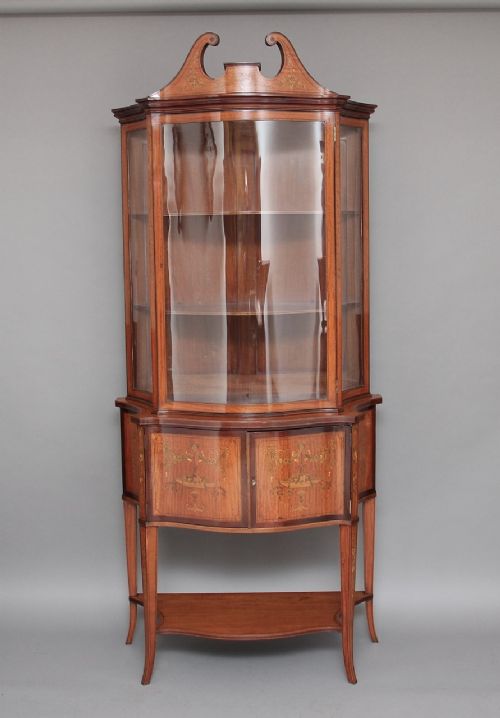
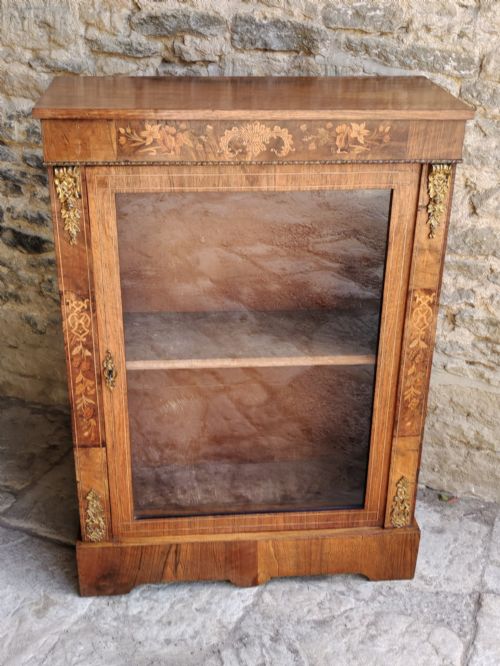
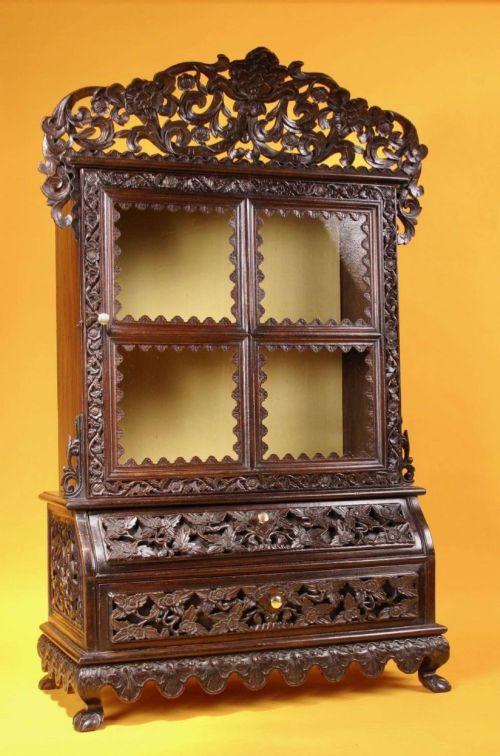
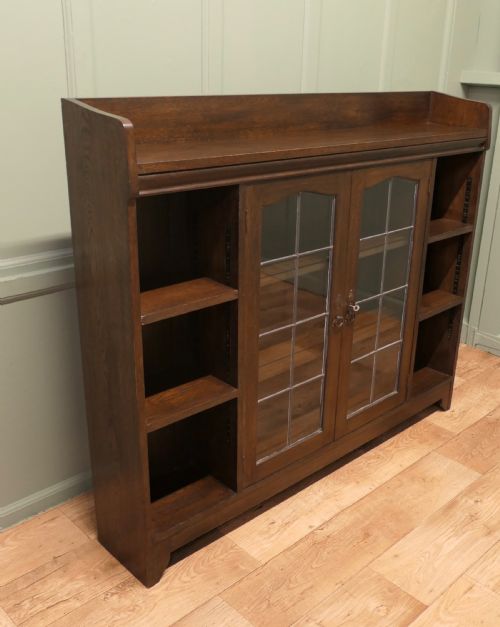
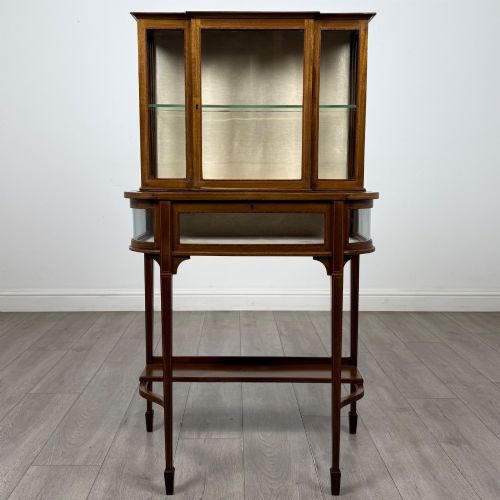
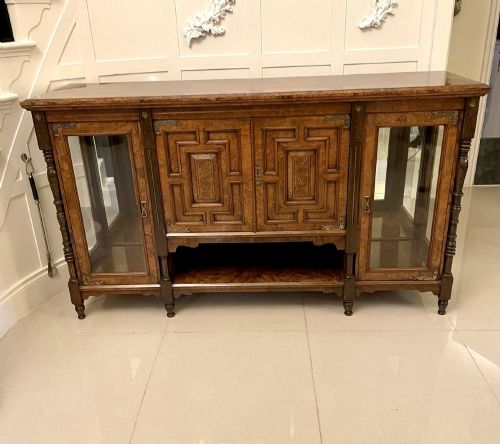
A brown display case encompasses a variety of timber cabinets designed to show collectibles, china, and books behind glass. The search phrase covers forms ranging from compact pier cabinets and wall-mounted units to large freestanding glazed bookcases and vitrines. Cabinets appear in several distinct styles, including Victorian, Edwardian, Georgian, and Art Deco.
Victorian and Edwardian versions in mahogany, oak, and walnut dominate the offerings. Edwardian examples frequently feature delicate satinwood inlay and spade feet, whilst Victorian pieces lean towards heavier timber frames with dentil cornices or burr walnut veneers. Specialised forms like taxidermy dioramas in wooden glass cases also appear under this heading.
Origins span British workshops as well as continental European makers, notably French pieces utilising kingwood and ormolu mounts. Buyers encounter freestanding china cabinets alongside hybrid bookcase display units and low credenzas with glazed upper sections.
Materials and technique
Makers utilised dense hardwoods such as mahogany, oak, walnut, and kingwood as the structural foundation for these cabinets. Timbers were selected for their grain pattern and often enhanced with contrasting satinwood stringing, marquetry inlay, or polished burr veneers.
Glass panels were secured within timber framework or brass muntins to protect contents from dust while maintaining visibility. Metal fittings, including brass handles, hinges, and cast ormolu mounts, provided structural reinforcement and decorative accent.
Construction techniques combined traditional joinery with specialised mounting, particularly on continental vitrines where gilt-bronze ormolu mounts and marble tops framed the timber body. Interior shelving typically consisted of adjustable timber boards or fabric-lined surfaces.
Several cabinets on this page double as avian real estate, housing taxidermy owls and kestrels rather than teacups.
Judging quality
Quality rests upon the selection of timber veneers, the precision of inlay work, and the crispness of carved or cast ornamentation. Superior examples display carefully matched grain patterns and finely executed brass or ormolu mounts rather than stamped substitutes.
The integration of the glazing and the stability of the timber frame indicate the standard of construction. Higher-grade pieces maintain tight joinery, smoothly operating doors, and original hardware that reflects the period of manufacture.
François Linke·J Griffiths of Burford·Rowland Ward Ltd·T. E. Gunn
The Brown Display Case Glossary
- Pier cabinet
- A low freestanding cabinet designed to fit against the narrow pier of wall between windows. These pieces typically feature a single glazed door and often incorporate burr walnut or inlaid veneers.
- Vitrine
- A glass-sided display cabinet used primarily for showing porcelain, objets d'art, and small curiosities. The form frequently includes ormolu mounts and fine timber framing.
- Ormolu
- Gilt-bronze ornamentation applied to furniture, particularly French cabinet work. The technique involves treating brass or bronze with a gold-mercury amalgam.
- Dentil cornice
- A moulding pattern composed of a series of small, rectangular blocks spaced at regular intervals along the upper projection of a cabinet.
- Inlay
- A decorative technique where contrasting woods, shells, or metals are inserted into recessed portions of the base timber to form patterns such as satinwood stringing.
Brown Display Case: Frequently Asked Questions
Where should I place a brown display case?
These cabinets suit drawing rooms, dining spaces, or hallways where they can safely house books, ceramics, or collections behind protective glass.
Position them away from direct sunlight to protect timber finishes and interior fabrics from fading over time.
How do I care for the timber?
Dust the surfaces regularly with a soft, dry cloth and feed the wood periodically with appropriate natural wax to maintain the polish.
Avoid using silicon-based polishes or placing cabinets near direct heat sources, which can cause the timber to dry and crack.
How do I distinguish Edwardian from Victorian?
Victorian cabinets generally feature darker, heavier timbers like oak and burr walnut, accompanied by robust cornices and substantial proportions.
Edwardian versions typically show lighter mahogany construction, delicate satinwood inlay, tapered legs, and overall sleeker dimensions.
What is the difference between a vitrine and a bookcase?
A vitrine prioritises the display of small decorative objects with all-glass or heavily glazed sides and doors, often mounted on slender legs.
A bookcase focuses on shelving for volumes, featuring sturdier timber construction with glass doors restricted primarily to the front face.