

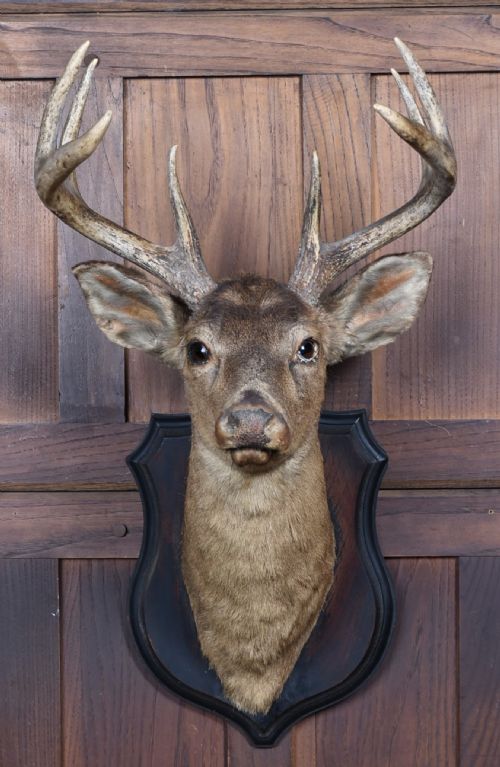

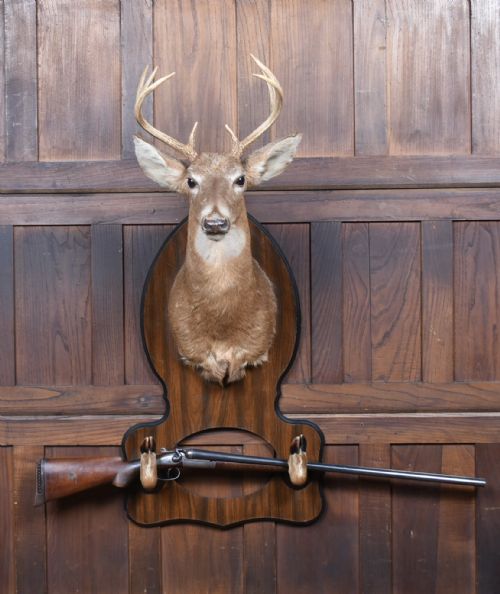


Brown Deer Mount
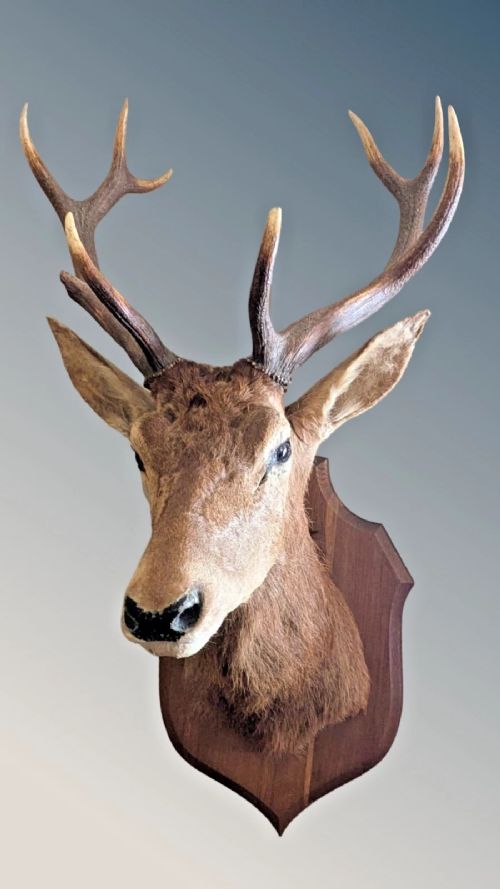
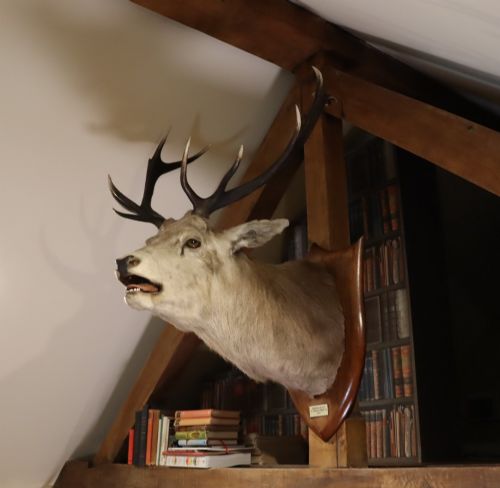
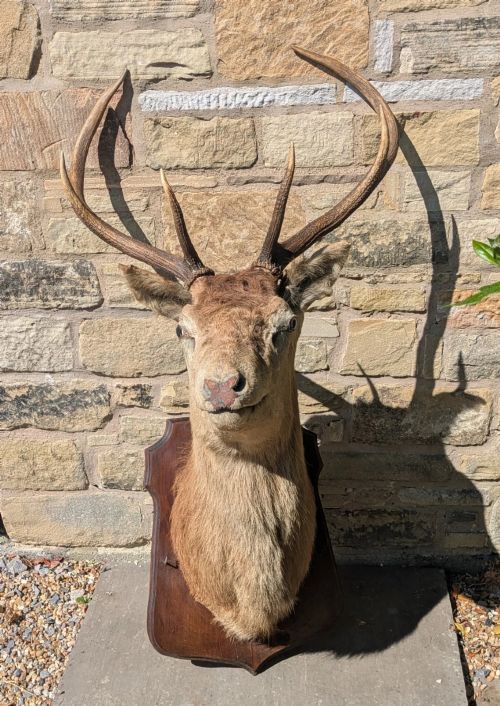
These brown deer mount pieces bring the character of the Scottish Highlands and country houses into interiors through historic taxidermy and carved wood trophies.
Brown Deer Mount
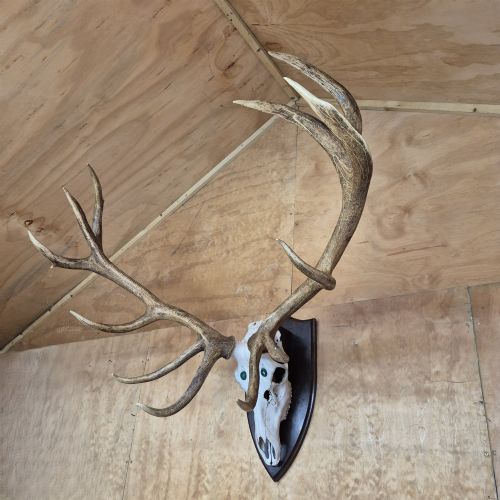
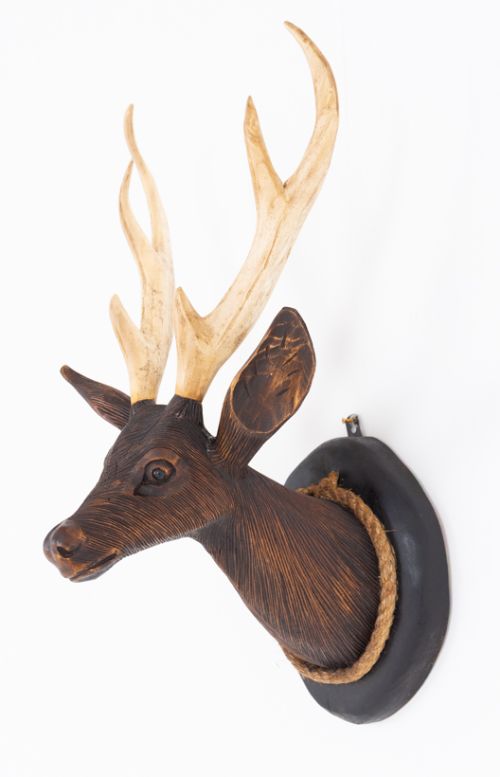
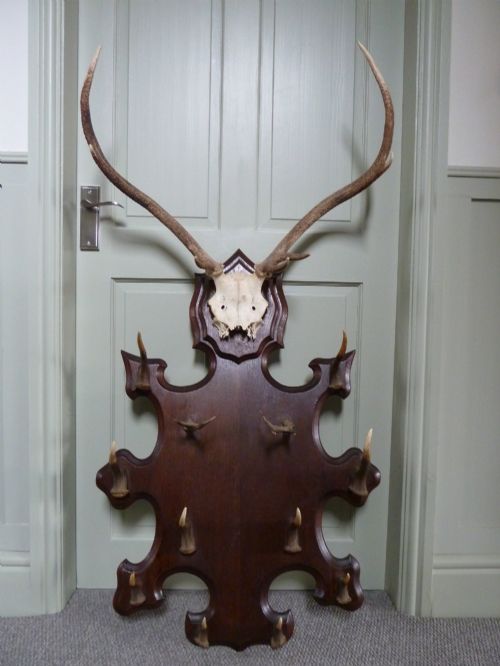
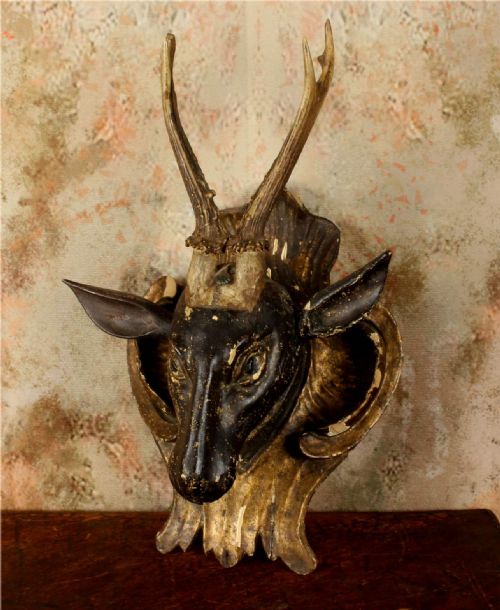
A brown deer mount encompasses a range of taxidermy heads, antler sets, and carved wooden representations spanning the nineteenth and twentieth centuries. Buyers seeking these works encounter everything from full stags' heads to isolated antlers mounted on oak shields.
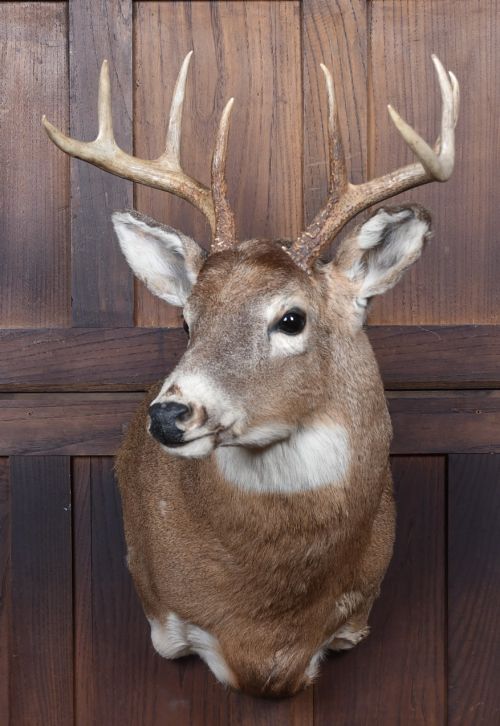
The selections on this page lean heavily towards Victorian and Edwardian taxidermy alongside Black Forest carvings and British country house styles. Scottish red deer, roebucks, and white-tailed deer dominate the forms, reflecting nineteenth-century sporting traditions.
Functional pieces also appear among the wall sculptures, including hall stands, coat racks, and table lamps utilising deer hooves. These items served practical purposes in country estates while displaying trophies of the hunt.
Materials and construction methods
Taxidermy specimens combine natural hide, bone, and real antlers mounted over carved wooden forms or oak shields. Preservatives and traditional stuffing techniques secured the pelts and hides to maintain lifelike postures.
Carved wooden versions utilise oak and other dense timbers, often employing folk art carving methods to shape deer heads and antlers entirely from wood. Glass eyes feature frequently in the taxidermy mounts to create realistic expressions.
Structural elements like gun racks and hall stands incorporate solid wood backing boards secured with metal fixings to support the heavy weight of natural antlers.
Brown Deer Mount Retail Price Guide 2026
Typical asking prices for brown deer mount among the pieces listed under this phrase on Sellingantiques today, from the lower quarter to the upper quarter. They describe what is for sale here now, not the wider market.
Materials recorded across the inventory include red deer antlers, roebuck horns, oak shields, glass eyes, bone, and deer hide.
Distinctions in craftsmanship and condition
Superior examples display skilled taxidermy work with well-preserved hides and anatomically convincing facial structures that retain the natural tension of the animal. Lower quality items often show stiff or distorted taxidermy work where the hide has suffered shrinkage or moth damage over time.
Carved wooden trophies vary according to the depth and fluidity of the hand-carved details in the oak shields and wooden antlers. Crisp carving and rich patination on the timber distinguish superior folk art pieces from simpler production items.
Peter Spicer and Sons
The Brown Deer Mount Glossary
- Taxidermy
- The art of preparing, stuffing, and mounting the skins of animals for display. In these pieces, it preserves the head and neck of deer species.
- Antler
- The deciduous bony appendage shed and regrown annually by deer, used here as the primary decorative feature on wall mounts and racks.
- Black Forest Style
- A nineteenth-century carving tradition originating in Switzerland and Germany known for highly realistic animal forms and forest motifs.
- Folk Art
- Utilitarian or decorative objects created by self-taught makers, seen here in carved wooden deer heads and painted interpretations.
- Oak Shield
- The wooden backing board shaped like a heraldic shield upon which antlers or taxidermy heads are traditionally mounted for wall hanging.
Brown Deer Mount: Frequently Asked Questions
What is a royal set of antlers?
A royal designation refers to a red deer antler rack possessing twelve distinct points on the antlers. This specific categorization indicates a mature stag of significant size.
Collectors prize these larger point counts as markers of exceptional age and development in the animal.
How should I clean antique taxidermy?
Dust taxidermy mounts gently using a very soft brush or a cool hairdryer set to the lowest speed. Avoid using water, chemical cleaners, or damp cloths on the hide and fur.
Keep mounts away from direct sunlight and strong heat sources to prevent the natural hide and hair from drying out and cracking.
Are these pieces from the Victorian era?
Many examples on this page date from the nineteenth century, particularly the Victorian and Edwardian periods when hunting trophies decorated country houses. Later pieces extending into the 1930s also appear frequently.
Checking the construction methods, mounting boards, and any maker signatures helps determine the exact period of manufacture.