




Brown Corner Wardrobe
A brown corner wardrobe transforms an awkward angle into proper hanging space, bringing rich wood tones and practical storage to any neglected room corner.
Brown Corner Wardrobe
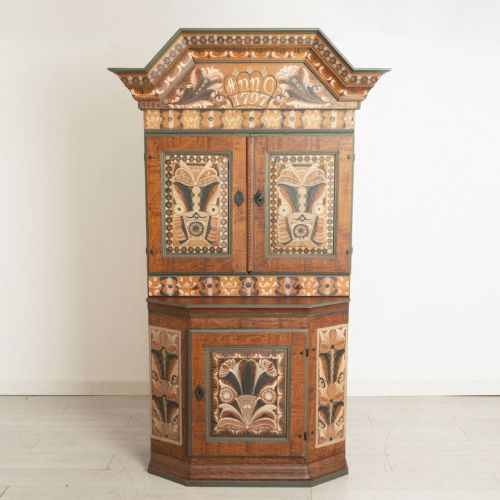
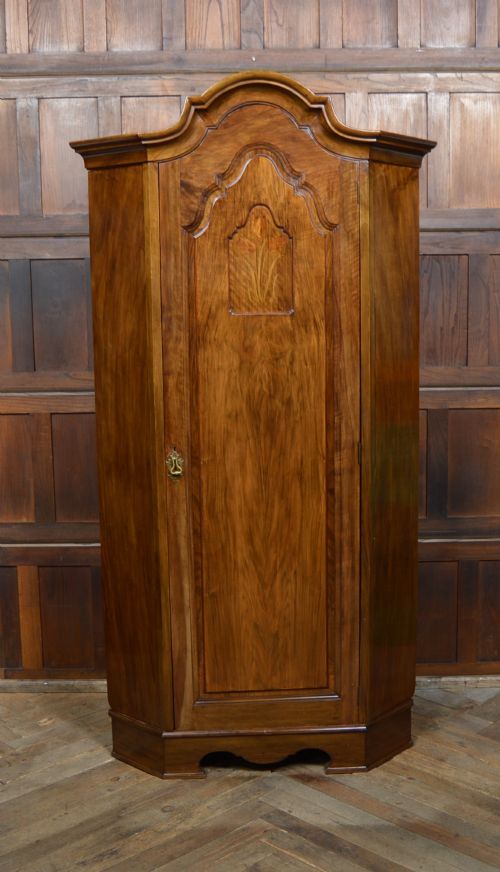
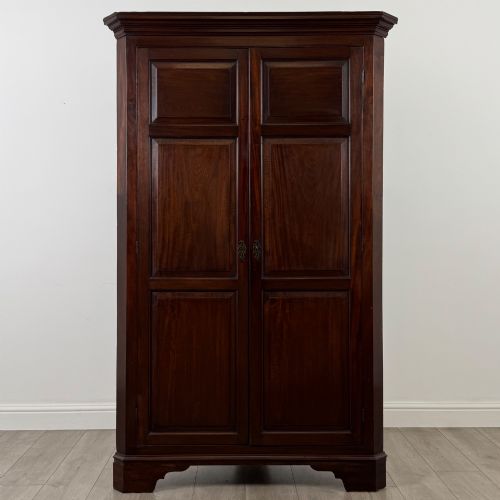
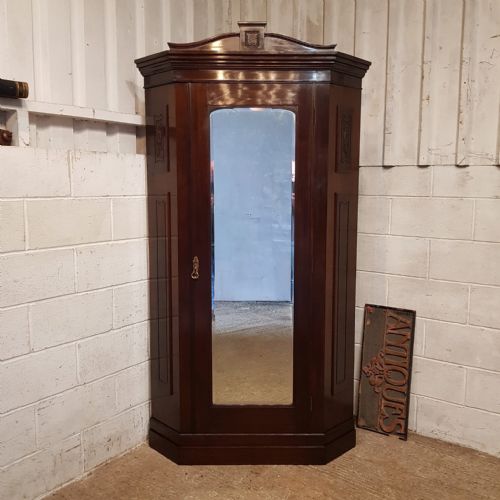
A brown corner wardrobe is essentially a specialised storage piece designed to fit snugly into the junction of two walls, making clever use of dead space. When you search for a brown corner wardrobe, you encounter various iterations ranging from early eighteenth-century oak cupboards to nineteenth-century mahogany robes.
The pieces appearing in this category span several distinct historical eras, including the Georgian period, the Victorian era, and regional European workshops. While some items are described strictly as corner cabinets or cupboards, others provide the full enclosed hanging capacity of a traditional wardrobe.
Construction forms vary from single-door units to grander double-door setups, often featuring architectural cornices and panelled doors. Many examples display the deep warm hues of mahogany or the rustic charm of older painted surfaces.
Materials and construction methods
Cabinet makers relied heavily on timber species such as mahogany, oak, walnut, and pine to build these sturdy angular carcasses. Premium examples frequently incorporate decorative veneers like flame mahogany or plum pudding mahogany, highlighting the natural grain of the wood.
Hardware played an essential functional and decorative role, with makers attaching brass handles, escutcheons, and hinges to secure the heavy doors. Additional detailing often included boxwood stringing or hand-painted folk art motifs applied directly to the timber surface.
Brown Corner Wardrobe Retail Price Guide 2026
Typical asking prices for brown corner wardrobe among the pieces listed under this phrase on Sellingantiques today, from the lower quarter to the upper quarter. They describe what is for sale here now, not the wider market.
Listings feature woods including mahogany, oak, walnut, and pine, alongside decorative accents of brass, boxwood, and paint.
Judging quality and craftsmanship
The distinction between standard examples and superior pieces rests largely on the choice of timber and the sophistication of the cabinet maker's joinery. Fine detailing, such as carefully matched wood veneers and crisp mouldings, marks out the work of a more accomplished workshop.
Proportion and structural integrity also dictate the calibre of a piece, as timber movement across angular joints requires expert construction. Original brass hardware and untouched surface patination elevate the standing of antique items considerably.
The Brown Corner Wardrobe Glossary
- Flame mahogany
- A highly figured wood veneer displaying characteristic fiery patterns created by slicing across the branch burls. This material was favoured by Georgian and Victorian cabinet makers for statement furniture faces.
- Boxwood stringing
- A thin inlay of pale yellow boxwood inserted into grooves in darker wood surfaces. This decorative technique creates sharp linear borders on furniture panels and drawer fronts.
- Cornice
- The decorative moulding crowning the top of a cabinet or wardrobe. It provides a finished architectural transition between the tall furniture body and the ceiling.
Brown Corner Wardrobe: Frequently Asked Questions
How do I fit a corner wardrobe into a small room?
Measure the wall space extending out from the corner carefully, keeping in mind that diagonal corner units require specific clearance for opening doors.
Position the piece away from heating vents to protect the older timbers from drying out and splitting over time.
How do I care for antique mahogany surfaces?
Dust the timber regularly with a soft, dry cloth to prevent abrasive particles from accumulating on the finish. Avoid using modern aerosol polishes, which can build up a cloudy residue and damage the historic wax or French polished surface.
Apply a quality beeswax periodically to nourish the wood and maintain its natural lustre.
Can I date a corner cupboard by its hinges?
Early brass hinges and hand-forged iron fixings often indicate an eighteenth-century origin, whereas later nineteenth-century pieces typically feature machine-made brass hardware.
Inspect whether the screw slots are irregular, which usually points to hand-cut screws used prior to mass production.