




Brown Carved Wood Hook
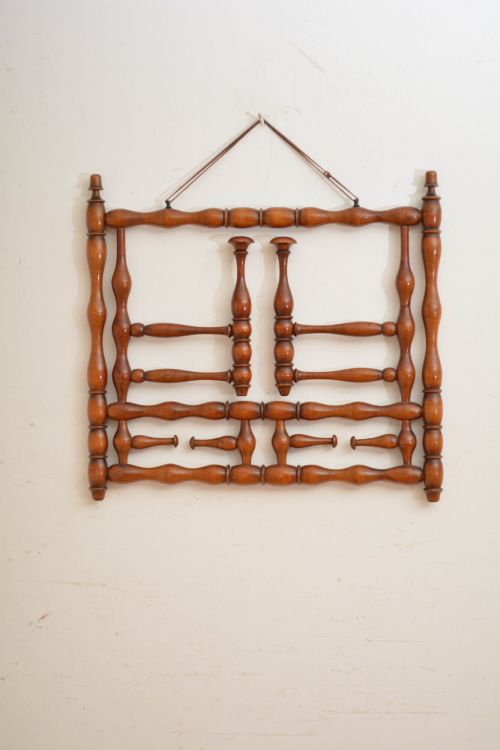
These brown carved wood hook pieces are functional wall fixtures offering practical charm and period character for any hallway or boot room.
Brown Carved Wood Hook
When searching for a brown carved wood hook, collectors encounter wall fixtures, hall stands, and coat racks originating from the Victorian, Edwardian, and Black Forest traditions. These utilitarian items served everyday domestic purposes in country houses and reception rooms.
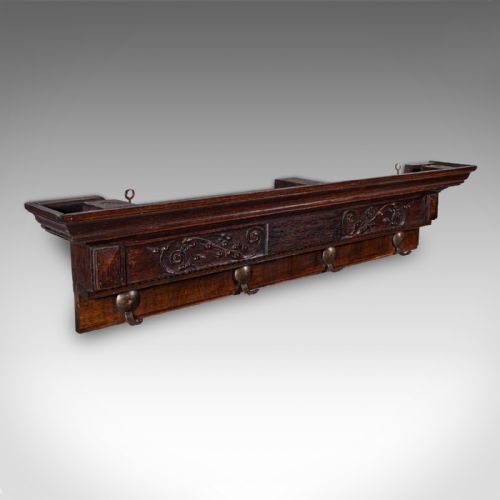
The objects span periods from the late nineteenth century into the Edwardian era, featuring timber, oak, walnut, and linden wood constructions. Most examples function as coat racks, wall hooks, or combined mirror cabinets designed for hanging garments and hats.
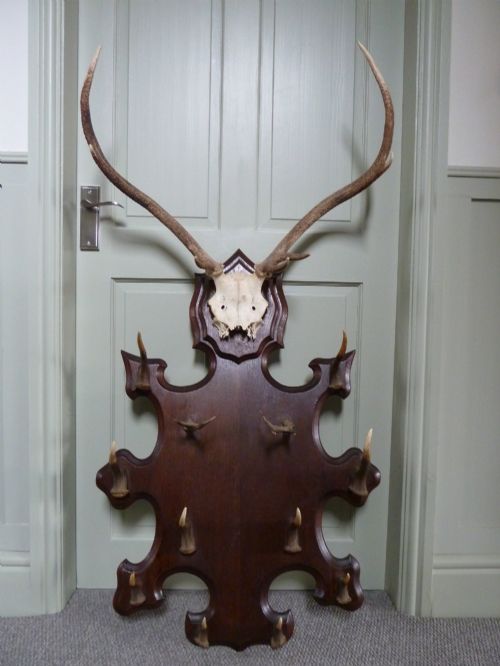
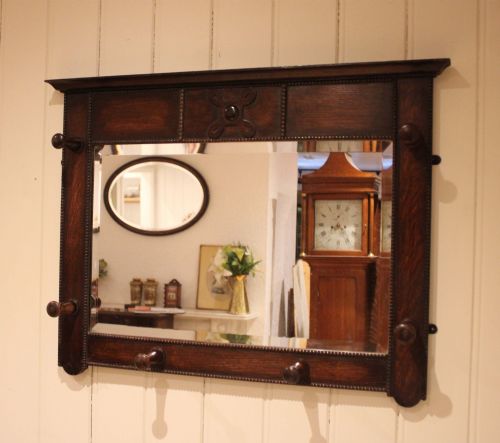
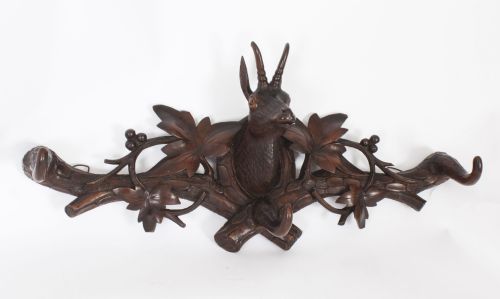
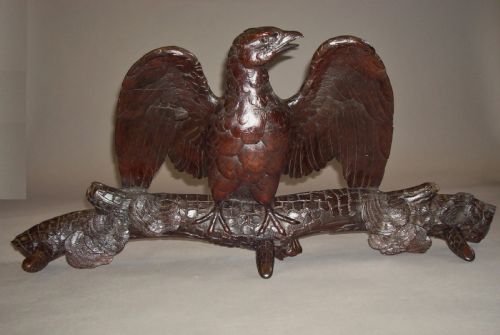
Black Forest carvings form a prominent strand of these listings, often incorporating naturalistic motifs such as chamois goats, stags, and eagles. Alongside these ornate carved animal forms, simpler oak wall mirrors with integrated coat hooks appear frequently.
How they were made
Carvers shaped these pieces primarily from linden wood, oak, and walnut, employing hand-chiselling techniques to create deep relief figures of animals and foliage. Timber selections depended on regional availability, particularly within Swiss, South German, and English workshops.
Makers integrated natural materials such as stag horn, deer antler, and actual bone alongside metal brass fixtures to form the functional hanging points. Glass inserts provided utility for mirrors and shaving cabinets, mounted securely into the carved wooden frames.
Brown Carved Wood Hook Retail Price Guide 2026
Typical asking prices for brown carved wood hook among the pieces listed under this phrase on Sellingantiques today, from the lower quarter to the upper quarter. They describe what is for sale here now, not the wider market.
Listings feature oak, walnut, linden wood, and timber alongside natural horn and brass elements.
What varies in quality
The depth and expression of the wood carving distinguish exceptional examples from standard production pieces, particularly in Black Forest animal heads where anatomical detail matters. Skilled artisans achieved lifelike textures in fur and feathers using hand tools.
Structural integrity and the preservation of original horns or antlers determine the overall standard of a piece. Well-patinated surfaces that retain their original finish without excessive restoration hold greater visual appeal for interiors.
The Brown Carved Wood Hook Glossary
- Black Forest
- A nineteenth-century style of intricate wood carving originating from Switzerland and South Germany. It is characterised by realistic representations of fauna, particularly deer, bears, and birds.
- Linden Wood
- A pale timber favoured by carvers for its fine grain and ease of manipulation. This wood allowed artisans to achieve deep undercut relief without splintering.
- Hall Stand
- A piece of hallway furniture combining a mirror, coat hooks, and umbrella storage. These items welcomed visitors in Victorian and Edwardian country houses.
- Stag Horn
- Antler material utilised alongside carved timber to form robust hooks for hats and coats. It brings a rustic texture to the design.
Brown Carved Wood Hook: Frequently Asked Questions
Where were these carved hooks originally used?
These items hung primarily in Victorian and Edwardian hallways, cloakrooms, and boot rooms to receive hats, coats, and walking sticks.
They served as functional furniture for family members and visitors entering a country house or urban residence.
How do I identify Black Forest carvings?
Black Forest pieces are characterised by detailed naturalistic carvings of animals, particularly stags, chamois goats, and eagles, rendered in linden wood.
They often incorporate real antlers or horns into the wooden framework to create functional hanging hooks.
Are these coat racks suitable for modern walls?
Most wall-hanging racks feature integrated mounting points designed to support the weight of heavy garments and wooden frames.
Careful installation into solid wall studs ensures these heavier timber and antler pieces remain secure.
What woods were commonly used?
Carvers utilised linden wood for intricate sculptural elements due to its soft grain, while structural panels relied on oak and walnut.
Timber choices varied according to the regional workshop traditions of English, Swiss, and German makers.