

Brown Campaign Furniture
Brown campaign furniture packs down for travel, offering sturdy modular design and brass-bound timber built for officers on the move.
Brown Campaign Furniture
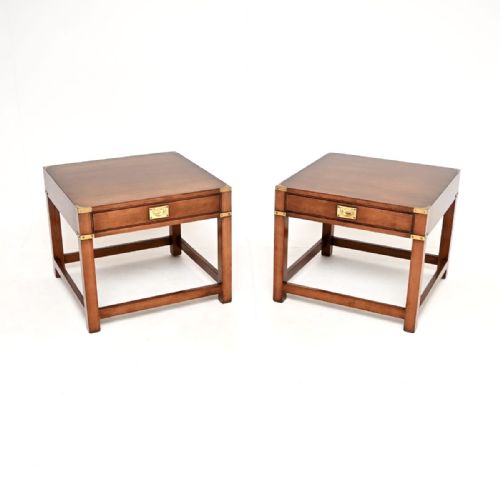
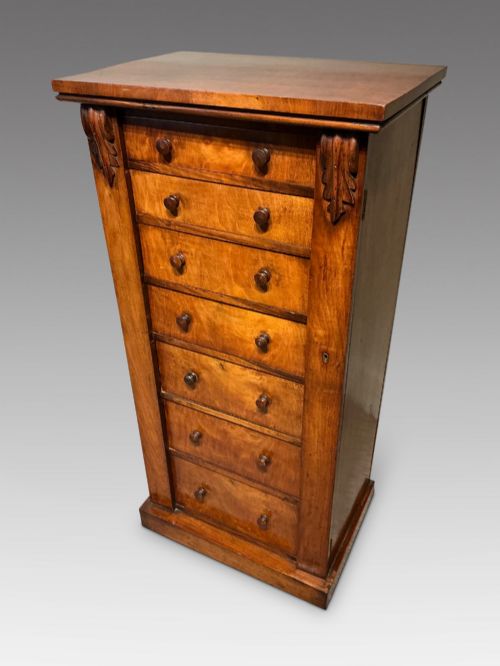
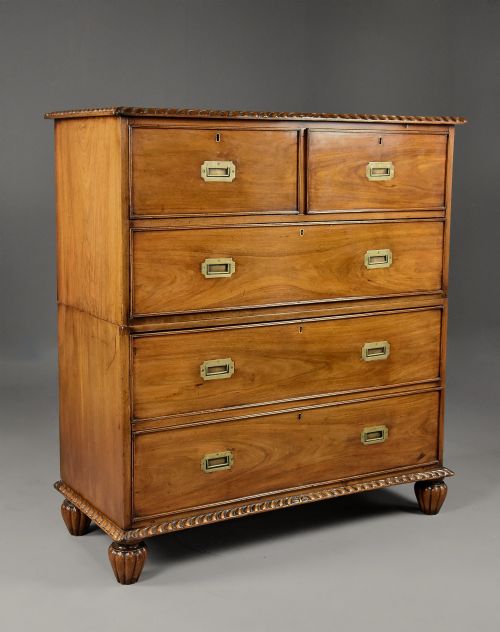
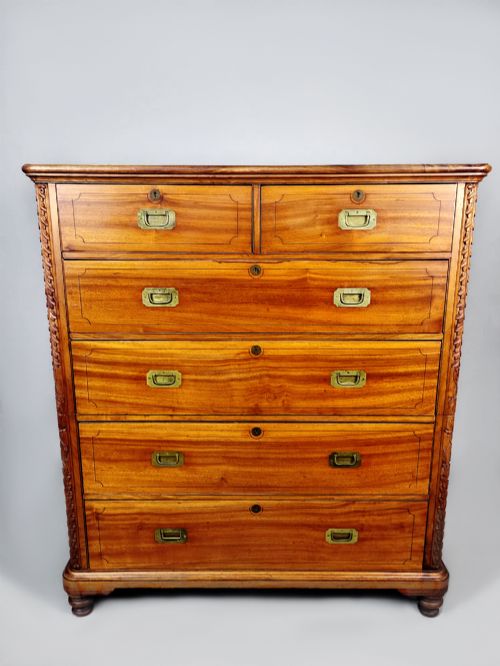
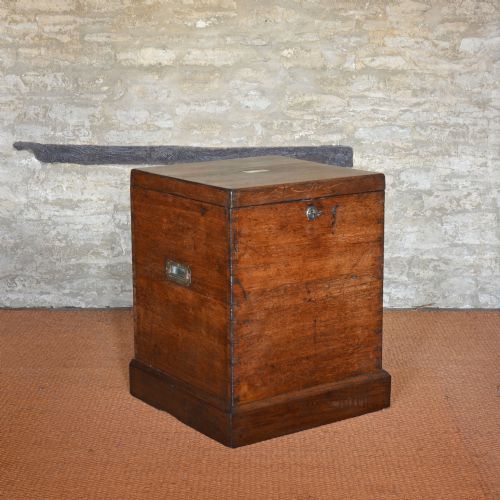
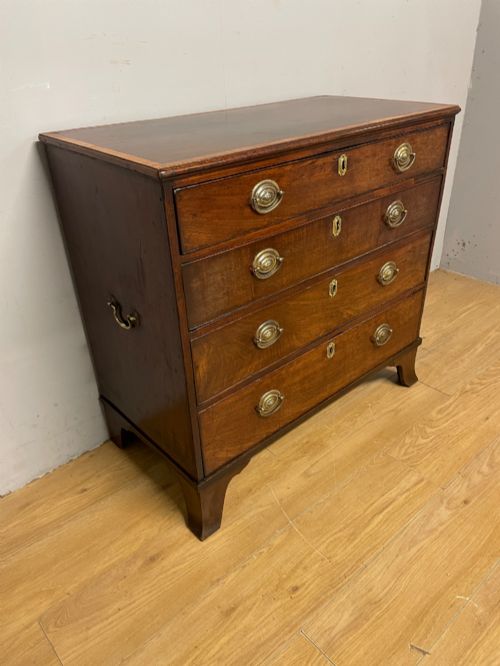
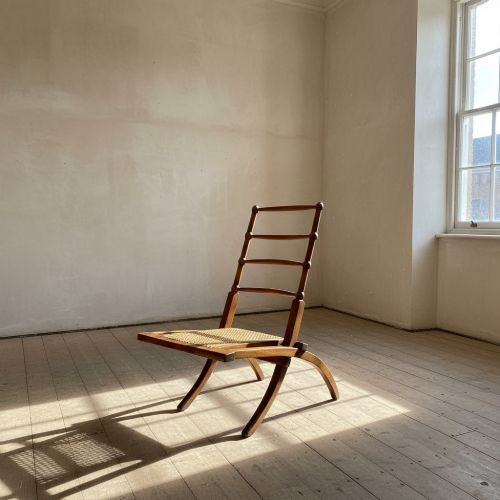
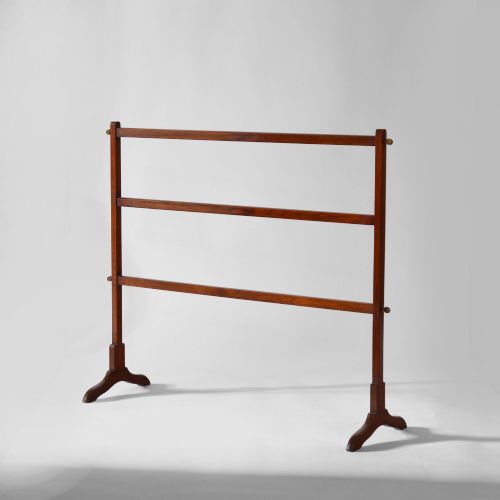
Brown campaign furniture comprises portable wooden pieces made for officers and travellers across the eighteenth, nineteenth, and early twentieth centuries. When searching for brown campaign furniture, buyers encounter modular chests of drawers, folding tables, and specialised trunks designed to dismantle easily. These items bring functional ingenuity and historical depth into modern rooms.
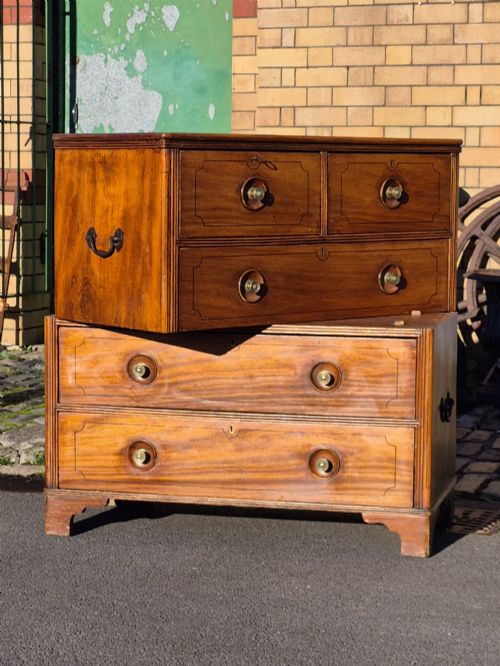
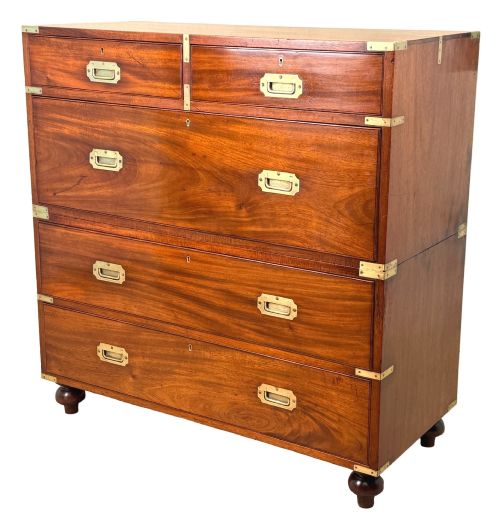
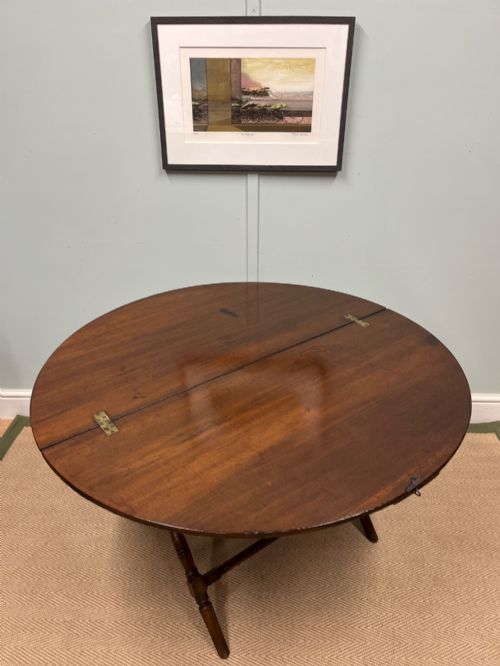
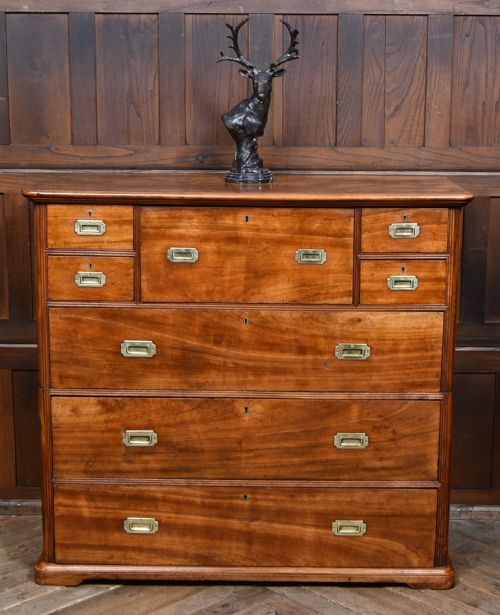
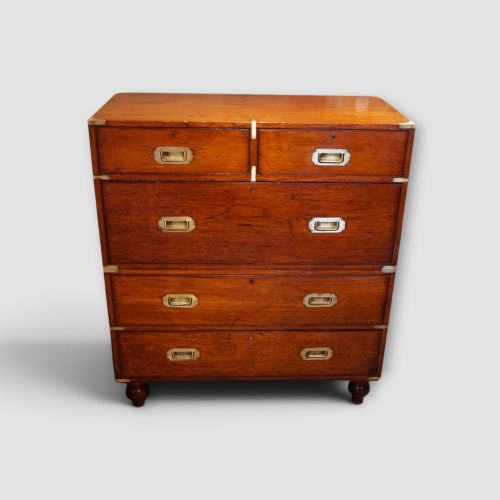
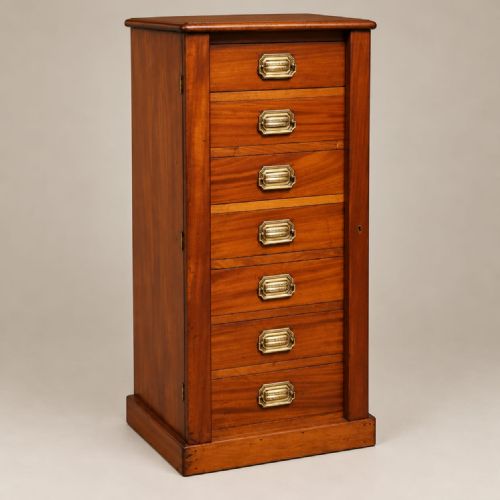
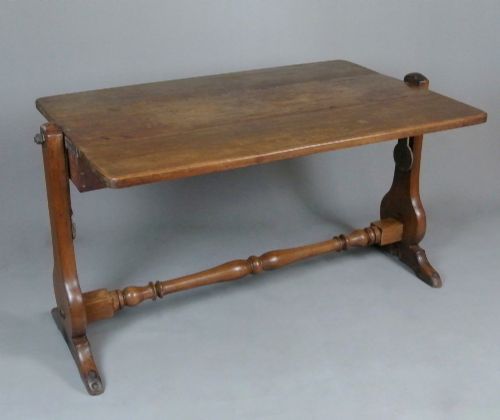
The most common examples on this page are nineteenth-century Victorian pieces, particularly two-part chests of drawers and folding coaching tables. Teak, mahogany, and camphor wood appear frequently alongside brass corners and recessed handles. Such forms reflect a practical heritage built for movement by sea and land.
Materials and Construction
Cabinet makers utilised dense, durable timbers like mahogany, teak, and camphor wood to withstand tropical climates and rough transit. These woods were often polished to a warm brown lustre while remaining resilient against splitting and warping.
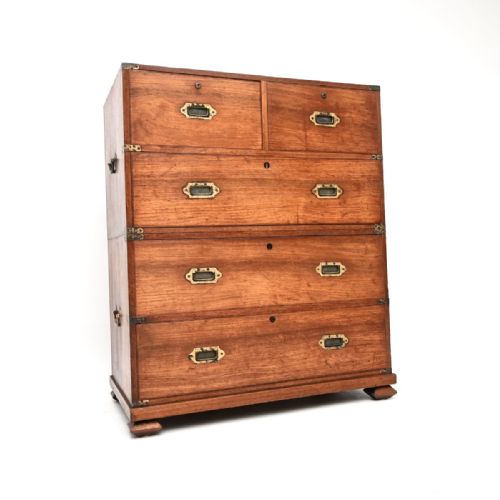
Brass corners, flush-fitting ring pulls, and strap hinges reinforced every joint while preventing snags during packing. Drawers frequently split horizontally into separate stacking sections secured by metal brackets.
Brown Campaign Furniture Retail Price Guide 2026
Typical asking prices for brown campaign furniture among the pieces listed under this phrase on Sellingantiques today, from the lower quarter to the upper quarter. They describe what is for sale here now, not the wider market.
Listings feature items spanning from the 18th century through the Edwardian era, incorporating teak, mahogany, camphor wood, and brass.
Assessing Quality and Execution
Quality rests in the precision of the brass hardware and the tightness of the joinery where sections meet. Superior pieces feature fully dovetailed drawer construction and original, well-fitted brass mounts that sit flush with the timber surface.
Finer examples retain internal secretaire drawers, fitted writing compartments, or maker stamps from established outfitters. The integrity of the secondary woods and the smooth operation of folding mechanisms distinguish high-grade items from later decorative reproductions.
Army & Navy Stores·E.W Godwin·Leveson & Sons
The Brown Campaign Furniture Glossary
- Campaign chest
- A modular chest of drawers built in two or more stacking sections for easy transport. Brass bound edges and inset handles protect the timber during long journeys.
- Secretaire chest
- A chest of drawers featuring a fitted writing drawer with small compartments and a fold-down front. This clever dual-purpose design saved space in officers' quarters.
- Coaching table
- A folding wooden table with an X-frame base designed to collapse flat. These tables served officers during meals or administrative work on the move.
- Butler's tray
- A removable wooden tray with hinged sides, usually paired with a folding stand. It allowed staff to serve refreshments and pack away the furniture quickly.
- Recessed handle
- A metal pull let flush into the surface of the wood so it does not catch on transit covers. This detail defines authentic travel furniture.
Brown Campaign Furniture: Frequently Asked Questions
What is brown campaign furniture?
Brown campaign furniture consists of portable wooden furnishings designed for military officers and colonial travellers. These pieces disassemble or fold to fit inside compact packing cases.
Items range from modular chests of drawers to folding tables and travel desks. Built primarily from dense timbers like mahogany and teak, they combine utility with robust craftsmanship.
How do two-part chests work?
Two-part campaign chests separate horizontally into an upper and lower cabinet for easier handling during transport. Metal brackets on the sides lock the two sections securely together when stacked.
This modular design allowed heavy storage units to be carried by pack animals or loaded onto ships in manageable segments.
What woods were used?
Cabinet makers relied on durable hardwoods capable of enduring humidity and rough handling. Mahogany, teak, and camphor wood appear most frequently across these listings.
Camphor wood offered the added benefit of natural insect deterrence, making it ideal for clothing trunks and writing boxes used in tropical regions.
How do I care for campaign pieces?
Keep these items away from direct heat sources and drastic humidity changes to protect the solid timber and brass mounts. Regular dusting with a soft cloth maintains the polished surface without damaging historical finishes.
Inspect structural joints and folding mechanisms periodically to ensure moving parts remain properly aligned and functional.