


Brown Bronze Ornament
A brown bronze ornament brings sculptural weight and tactile depth to a room, ranging from animal studies to classical souvenirs.
Brown Bronze Ornament
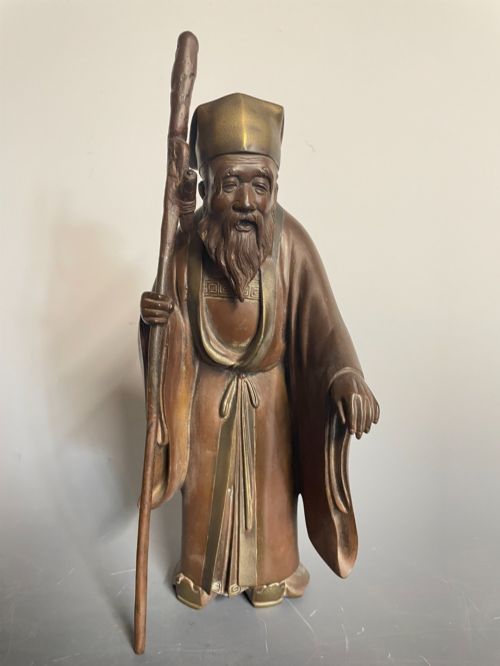
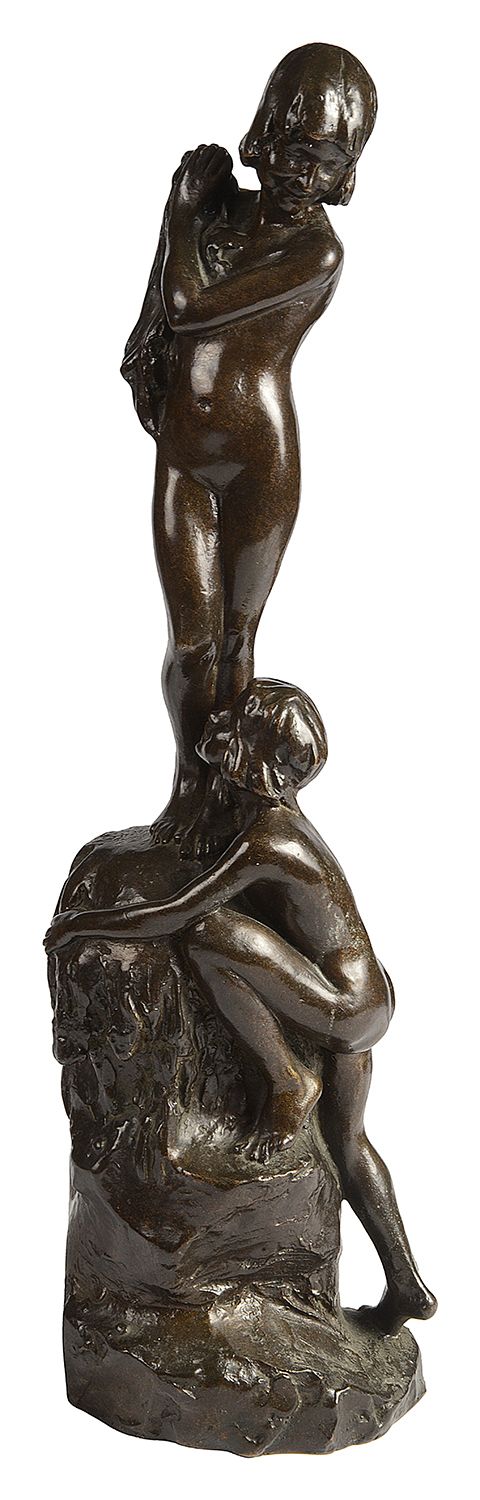
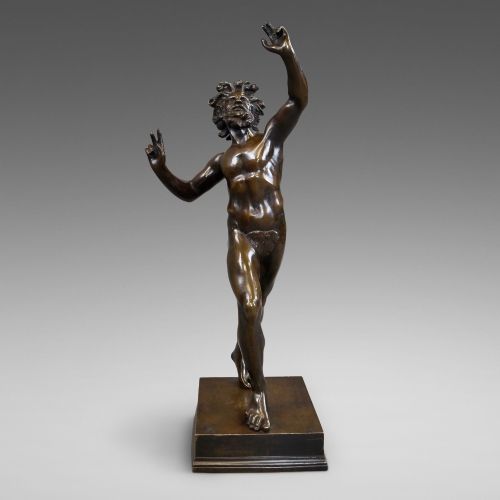
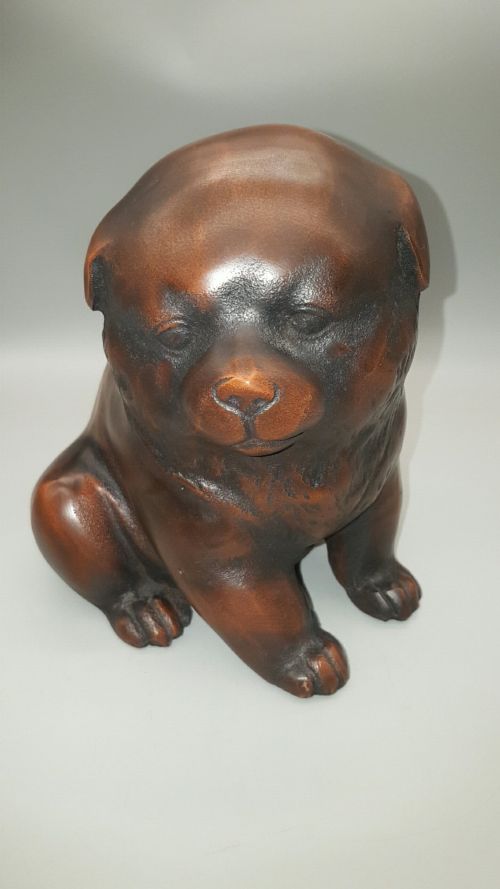
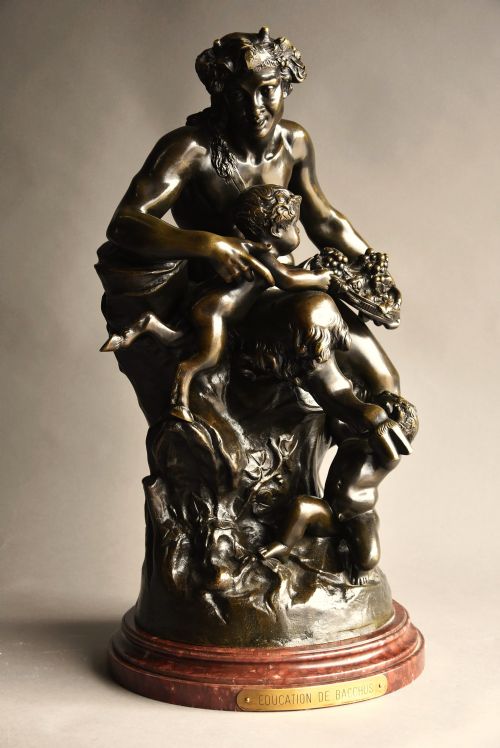
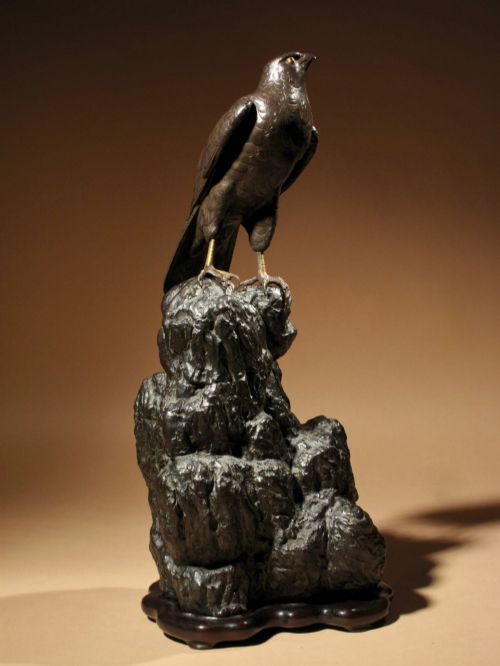
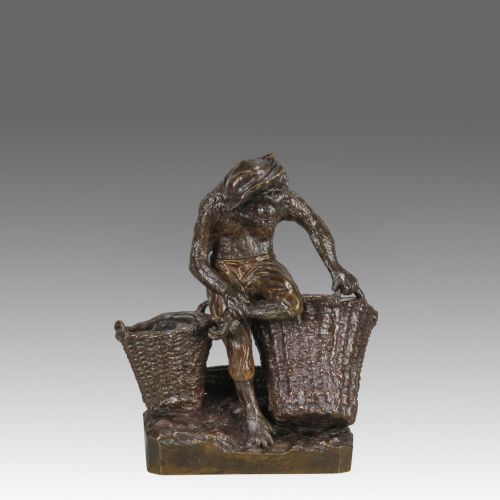
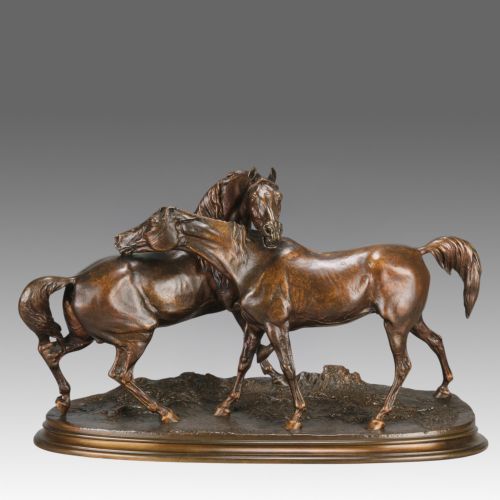
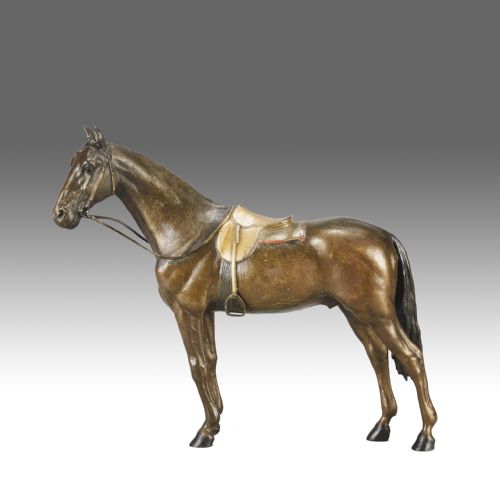
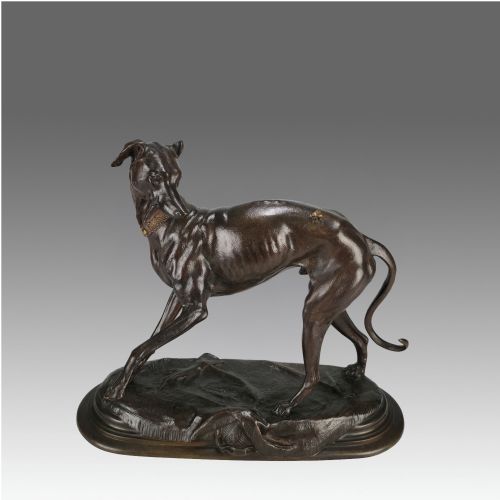
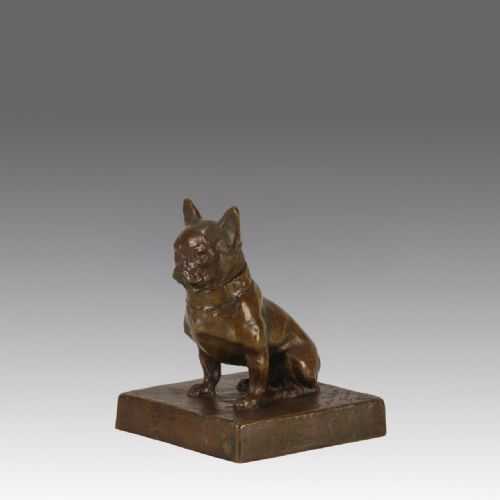
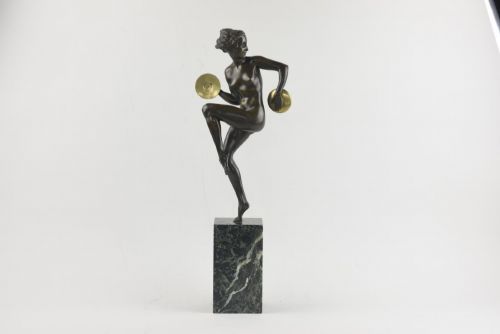
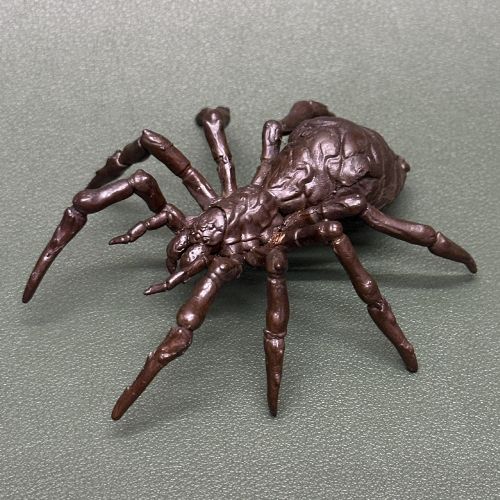
A brown bronze ornament encompasses a diverse selection of small sculptures, figures, and decorative urns originating from the nineteenth and early twentieth centuries. Buyers encounter animalier studies of dogs, birds, and wild beasts alongside human figures, dancers, and classical Grand Tour souvenirs.
Makers and artists represented in this tradition include renowned sculptors such as Franz Bergman, P.J. Mêne, and Antoine Louis Barye. Pieces span stylistic movements from Victorian academic realism and Neoclassicism to Art Nouveau and early twentieth-century modernism.
How they were made
The majority of these sculptures utilise the traditional lost-wax casting method, allowing for intricate detail in fur, feathers, and human expression. Metalworkers then finished the raw castings through chasing, filing, and assembling multi-part groups.
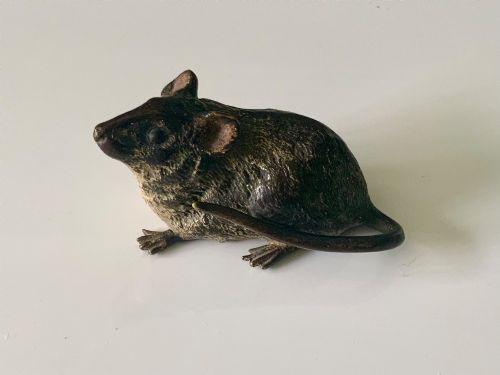
Surface treatments vary from deep, hand-rubbed patinas in shades of brown and green to polychrome cold-painting over bronze or spelter. Many works incorporate subsidiary materials such as marble bases, brass mounts, and painted highlights to enhance the visual composition.
Listings feature nineteen-century and early twentieth-century works cast in bronze and spelter, spanning animalier subjects, Grand Tour souvenirs, and Japanese bronzes.
What varies in quality
The finish of the surface dictates much of the visual success, whether through a subtle, warm brown patina or well-preserved cold-painting. Artistry in the original model, paired with a skilled foundry cast bearing maker marks, elevates a standard decorative object to a notable sculpture.
Jomi Eisuke·Tsunemitsu·Claude Michel Clodian·Christophe Fratin·P J Mêne·Franz Bergman·Alfred Barye·Dora Heber·Aurore Onu·Charles Crozatier·Jules Moigniez·Emile Louis Picault·Sylvain Kinsburger·Antoine Louis Barye·Barbedienne·Clovis Masson·George Van Der Straeten
The Brown Bronze Ornament Glossary
- Animalier
- A nineteenth-century artistic movement dedicated to the realistic depiction of animals, particularly in motion or repose. French sculptors dominated this genre with dynamic studies of dogs, horses, and predators.
- Cold-painted bronze
- A technique where coloured paint is applied to a bronze surface without the application of heat to fix it. This method was particularly popular in Austrian workshops during the late nineteenth and early twentieth centuries.
- Grand Tour
- A traditional trip through Europe undertaken by upper-class young men to absorb classical art and culture. Tourists purchased small bronzes and architectural models as souvenirs of their travels.
- Okimono
- A Japanese decorative figurine designed for display on a shelf or in a traditional house alcove. These small carvings and metal figures depict animals, insects, and human subjects with high realism.
Brown Bronze Ornament: Frequently Asked Questions
What is an animalier bronze?
An animalier bronze is a nineteenth-century sculpture focused specifically on the anatomy and behaviour of animals. These pieces range from domestic dogs to wild predators captured in dynamic natural poses.
Artists observed creatures in menageries and the wild, translating their movements into metal. These works became popular ornaments for nineteenth-century studies and drawing rooms.
What are Grand Tour bronzes?
Grand Tour bronzes are miniature replicas of classical statues, ruins, and architectural monuments bought by travellers in Italy. They served as scholarly mementos of educational journeys through Rome and Florence.
These souvenirs were cast in local Italian workshops using traditional patination methods to mimic excavated antiquities. They typically sat on desks or library tables in nineteenth-century homes.
Are spelter and bronze the same?
Spelter is a zinc-based alloy used as an accessible alternative to bronze for decorative figures and urns. It is lighter in weight and softer than copper-based bronze.
Victorian manufacturers often finished spelter with bronze-coloured paint to imitate true metal casting. Careful inspection of the base metal reveals the difference in weight and density.