




Brown Bamboo Furniture
Brown bamboo furniture brings organic warmth and Victorian character into interiors through practical tables, cabinets and stands.
Brown Bamboo Furniture
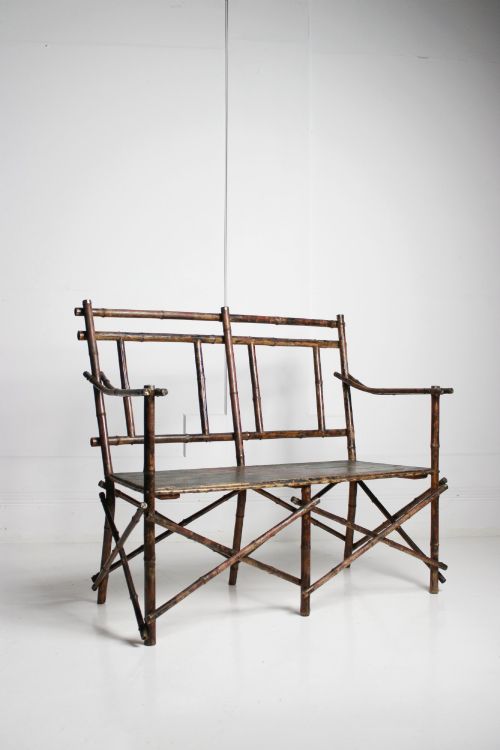
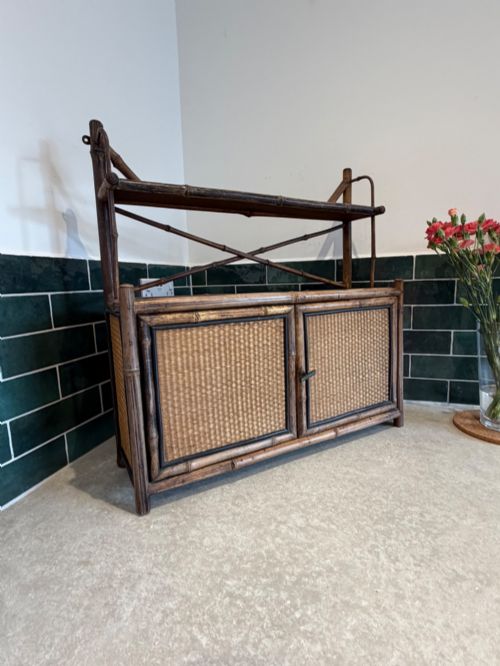
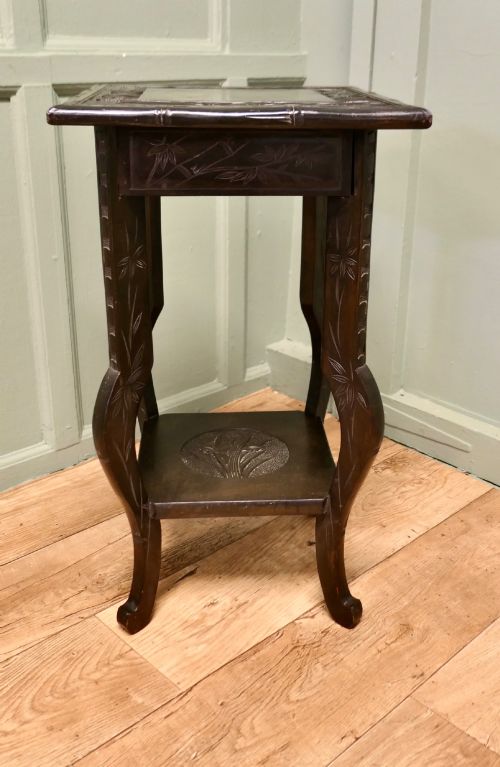
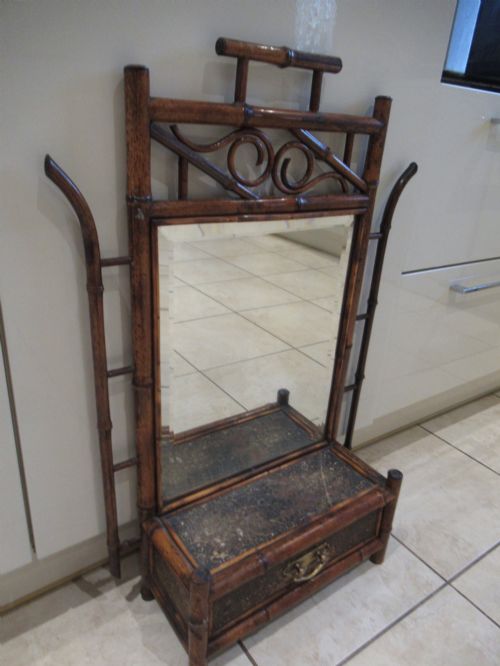
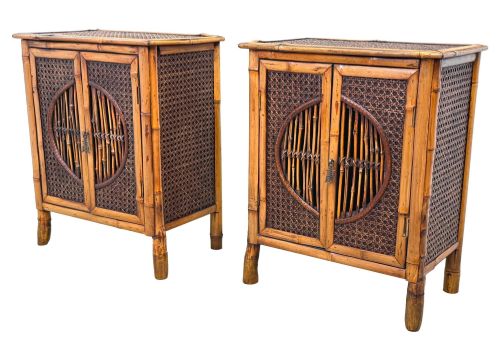
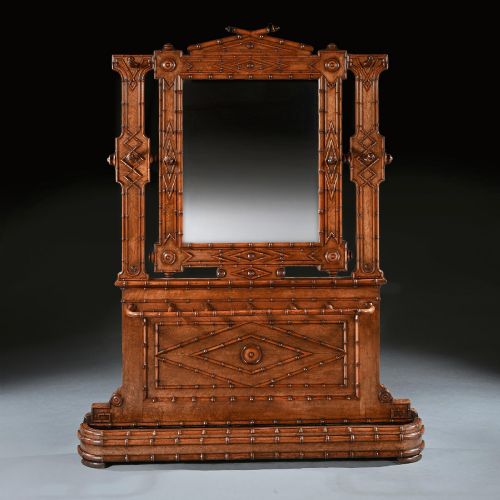
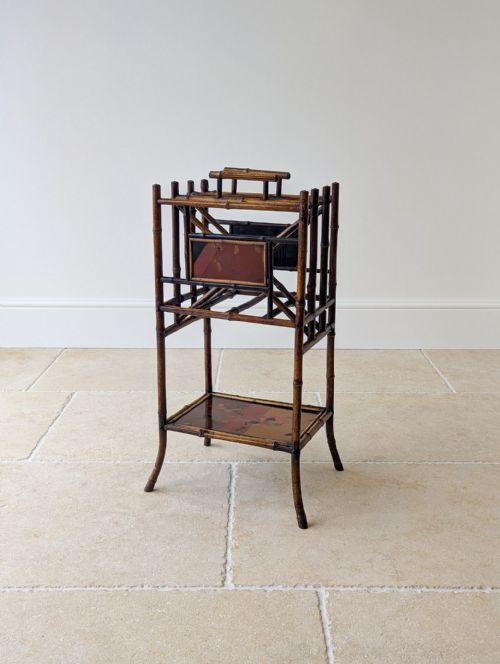
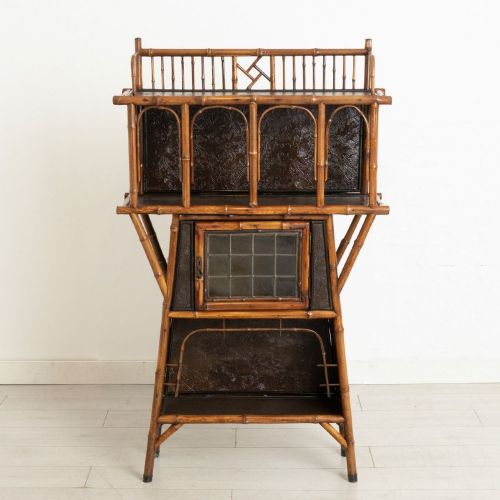
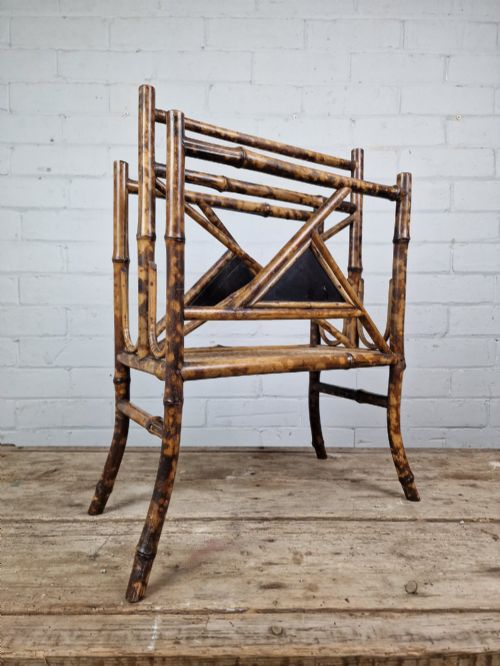
Brown bamboo furniture encompasses nineteenth-century and early twentieth-century pieces produced during the height of the Victorian Aesthetic Movement. Buyers seeking brown bamboo furniture encounter diverse household forms including side tables, hallstands, occasional tables, magazine racks, wall mirrors and display cabinets.
The selections span English, French and Chinese export workshops, reflecting global trade and the nineteenth-century passion for Japonisme and Chinoiserie. Victorian examples frequently combine natural bamboo poles with lacquered panels, tiled tops, or leather inserts to create striking domestic furnishings.
Most pieces date between eighteen-sixty and nineteen-twenty, capturing an era when domestic interiors embraced exotic natural materials and modular utility. Occasional tables and hallstands remain the most frequently encountered forms within this category.
Distinguishing quality in bamboo pieces
Quality rests upon the structural integrity of the bamboo frame and the precision of the binding at stress points. Superior examples retain unblemished lacquer panels, undamaged cane work seats, and intact decorative tiles without replacement sections.
Makers known for retail innovation, such as Liberty and Co or workshop designers like Leonard Wyburd and John Taylor, invested greater detail into mounts, hardware, and secondary hardwoods, elevating standard utility items into artistic statements.
Brown Bamboo Furniture Retail Price Guide 2026
Typical asking prices for brown bamboo furniture among the pieces listed under this phrase on Sellingantiques today, from the lower quarter to the upper quarter. They describe what is for sale here now, not the wider market.
Materials recorded across pieces include natural bamboo, rattan, cane, lacquer, glass, and hardwoods such as birdseye maple.
Leonard Wyburd·Liberty and Co·John Taylor Edinburgh
The Brown Bamboo Furniture Glossary
- Aesthetic Movement
- A nineteenth-century design movement that prioritized visual beauty and Japanese artistic influence over moral or narrative purpose.
- Canterbury
- A low multi-partitioned rack traditionally used for holding sheet music, magazines, or newspapers.
- Faux bamboo
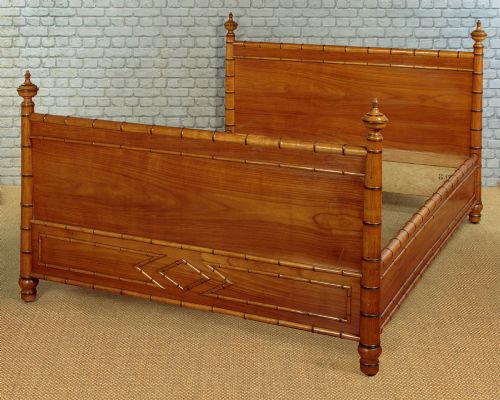
- Turned woodwork carved and painted to imitate the natural nodes and coloration of genuine bamboo.
- Japonisme
- The nineteenth-century Western fascination with Japanese art, aesthetics, and decorative techniques.
- Hongmu
- A category of dense Chinese hardwood frequently utilised in traditional furniture construction.
Brown Bamboo Furniture: Frequently Asked Questions
What is brown bamboo furniture?
Brown bamboo furniture consists of household items manufactured primarily during the Victorian and Edwardian periods using natural bamboo or turned wood imitating bamboo. These pieces include tables, hallstands, cabinets, and seating.
They reflect the nineteenth-century enthusiasm for exotic natural materials and Aesthetic Movement interior design. Makers utilised lacquered panels, cane work, and tiles to enhance the organic aesthetic.
How were bamboo hallstands used?
Hallstands served as functional hallway furniture for hanging coats, storing umbrellas, and placing hats upon entering a Victorian home. Their open frameworks kept damp garments ventilated.
Many incorporated small mirrors and lower trays to catch water from walking sticks or umbrellas. Their lightweight construction allowed easy repositioning in domestic hallways.
How do I care for bamboo furniture?
Bamboo pieces require dry indoor environments away from direct sunlight and extreme temperature fluctuations to prevent the natural material from splitting. Dusting with a soft dry cloth preserves the surface finish.
Avoid liquid polishes on cane or lacquered panels. Conditioning the wood occasionally with appropriate natural oils maintains the structural health of the bamboo.
How can I date bamboo items?
Dating relies on construction methods, hardware styles, and stylistic markers associated with the Victorian Aesthetic Movement and the early twentieth century. Pieces from eighteen-eighty to nineteen-ten often exhibit specific Japanese-inspired lacquer techniques.
Makers' stamps, retailer labels, or attribution to known firms like Liberty and Co provide more precise chronological anchors.