



Brown Ash Dining Chairs
Brown ash dining chairs are robust vernacular seating forms, bringing honest country craftsmanship and tactile timber warmth to modern interiors.
Brown Ash Dining Chairs
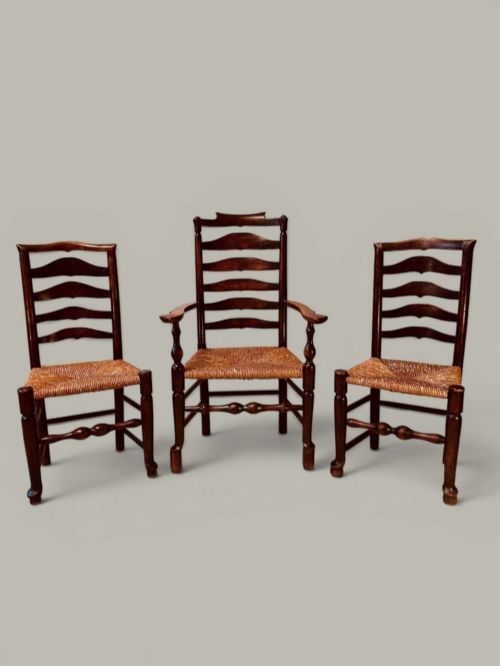
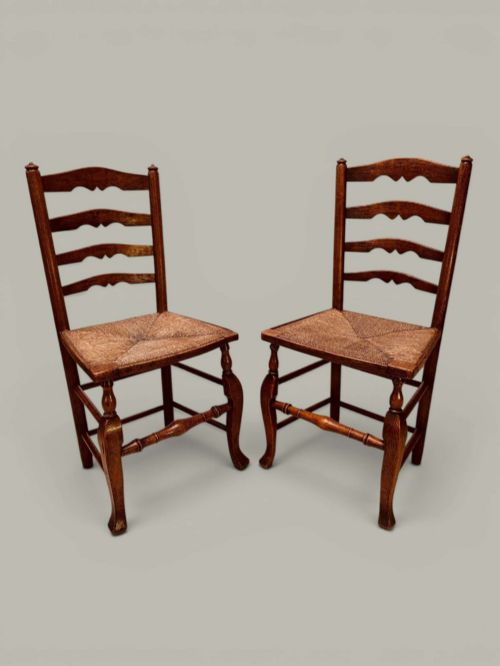
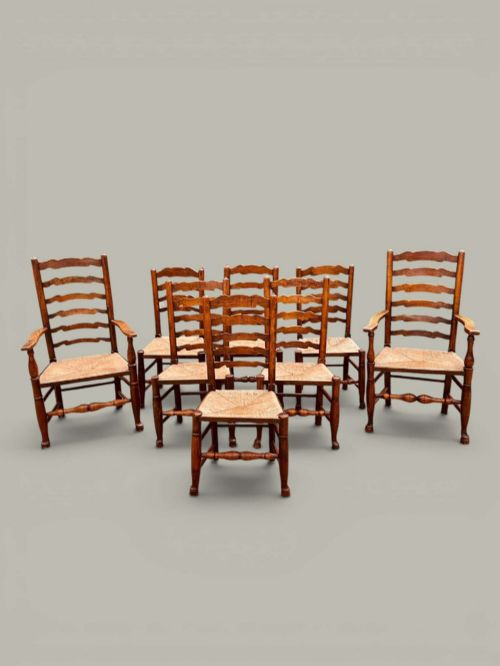
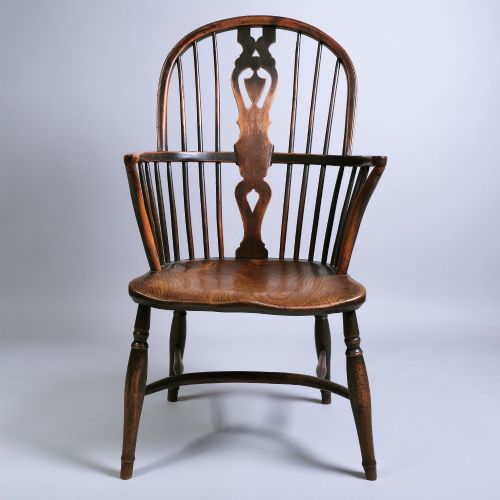
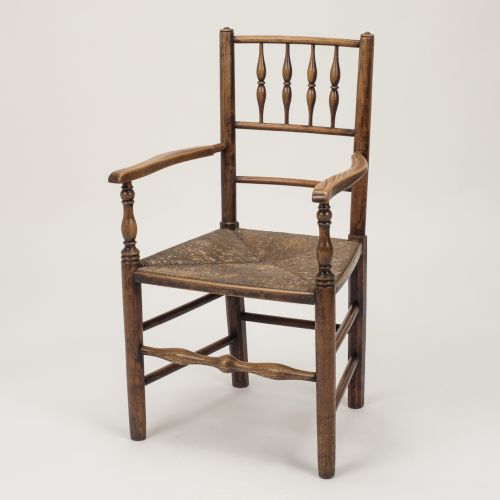
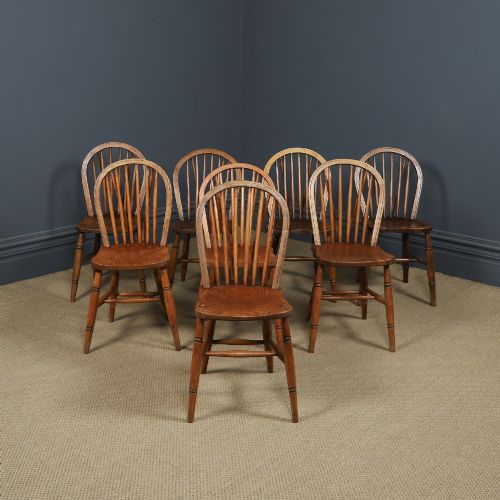
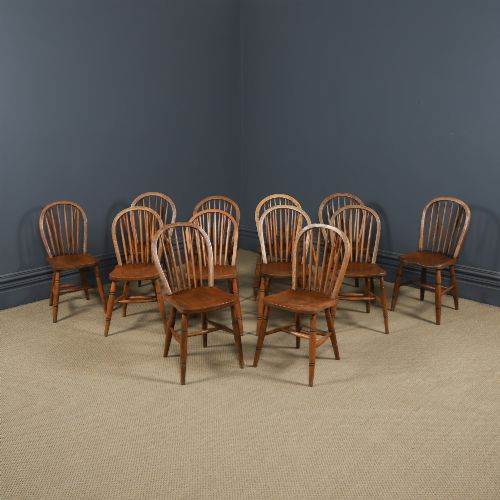
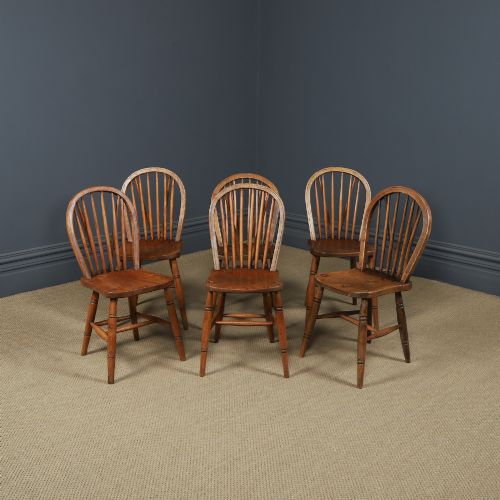
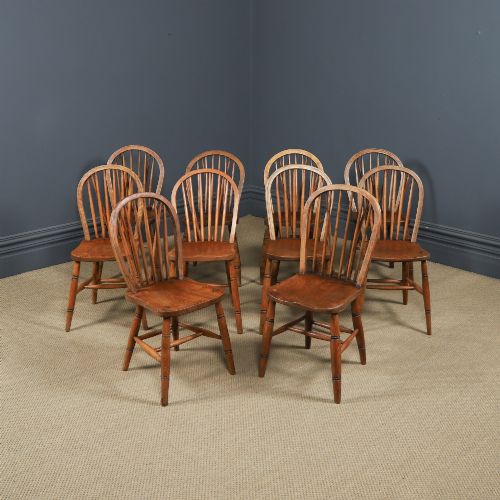
Brown ash dining chairs encompass sturdy vernacular seating forms created for everyday use in rural homes, farmhouses and kitchens. These pieces frequently pair ash with elm, rush or alder, creating durable seating solutions designed to endure decades of heavy domestic service. Buyers searching this phrase meet everything from single carvers to matched sets spanning eight or twelve chairs.
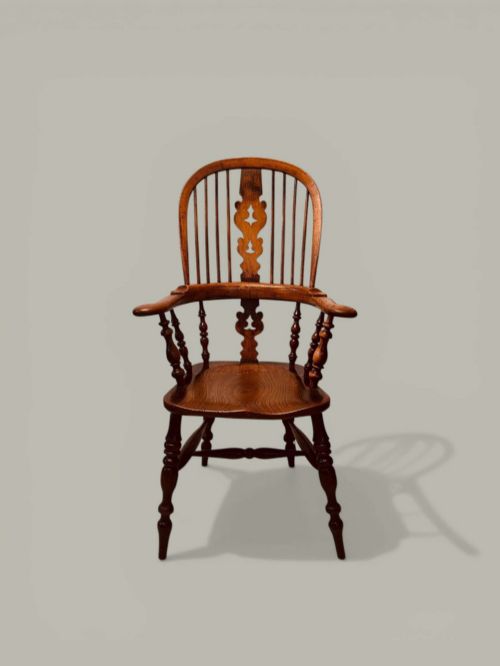
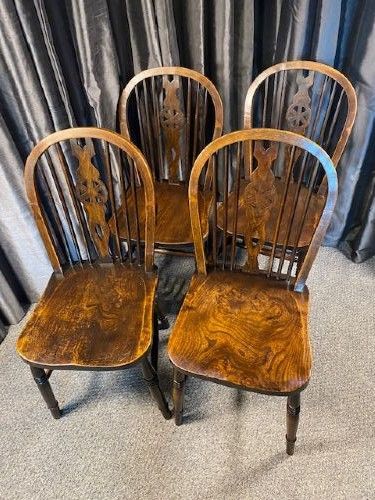
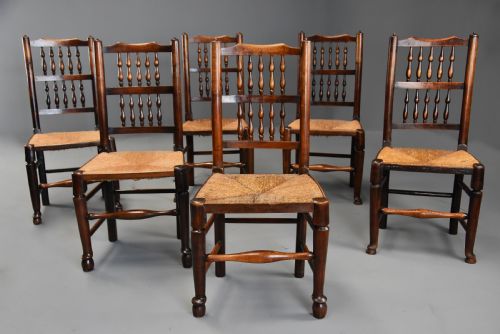
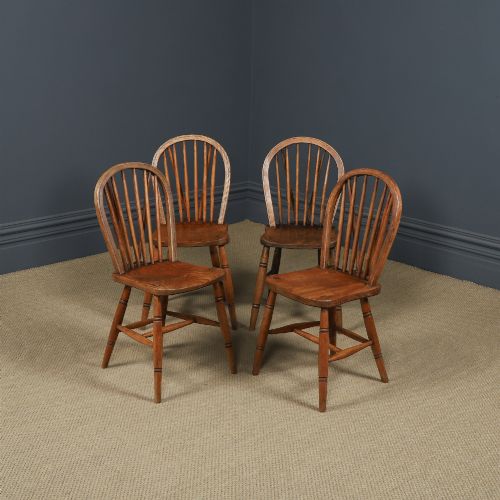
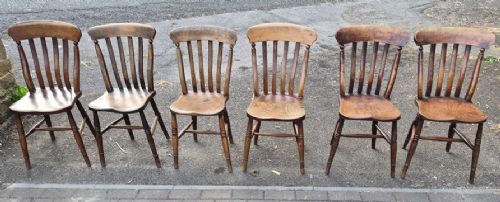
The most common variations on this page include Windsor hoop and stick back chairs alongside ladderback forms with rush or plaited straw seats. Many originate from the nineteenth century or the early twentieth century, carrying the distinct regional traits of English country workshops. Examples range from simple side chairs to expansive harlequin sets suitable for large dining tables.
How they were made
Local makers utilised tough native timbers, turning green ash for spindle backs and shaping solid elm into comfortable, saddled seats. Frameworks frequently incorporated additional woods such as beech, oak and alder to provide structural strength where needed.
Traditional joinery relied on steam-bending for curved hoop backs and wedged tenon joints to secure uprights firmly into the solid timber bases. Seats were completed with woven rush, straw or plain wood, depending on regional workshop traditions and the intended function of the chair.
Brown Ash Dining Chairs Retail Price Guide 2026
Typical asking prices for brown ash dining chairs among the pieces listed under this phrase on Sellingantiques today, from the lower quarter to the upper quarter. They describe what is for sale here now, not the wider market.
Some chairs retain the minor dings of nineteenth-century family suppers, proving that country ash was built to handle real life.
What varies in quality
Quality rests in the integrity of the timber selection, the crispness of the turned spindle work, and the balance of the overall proportion. Chairs that retain their original structural rigidity without excessive replacement parts or poorly executed repairs command greater appreciation.
Patina plays a substantial role in distinguishing finer examples, as decades of handling impart a rich, warm surface quality to the brown ash and elm. The fluency of the back hoop design and the comfort shaped into the solid seat further separate standard utility chairs from exceptional country pieces.
Fred Walker Rockley
The Brown Ash Dining Chairs Glossary
- Windsor chair
- A wooden chair constructed with a solid sculpted seat into which the legs and back sticks are independently inserted. These chairs developed strong regional variations across English counties during the eighteenth and nineteenth centuries.
- Spindle back
- A chair back composed of numerous thin, turned vertical wooden rods. This construction method provided resilient support while keeping the chair relatively light.
- Ladderback
- A chair featuring horizontal arched slats between the rear upright posts. This traditional form commonly accompanies woven rush seating.
- Rush seat
- A seating surface woven from dried marsh plants over a wooden frame. This technique produces a resilient and flexible platform for daily sitting.
- Carver chair
- An armchair designed for the head of a dining table or for parlour use. These pieces often match a larger set of smaller side chairs.
Brown Ash Dining Chairs: Frequently Asked Questions
How do I care for rush seats?
Keep rush seated chairs in rooms with stable humidity to prevent the natural fibres from drying out and becoming brittle. Dust them gently with a soft brush and avoid exposing them to excessive moisture.
Apply a very sparse amount of boiled linseed oil if the rush needs conditioning, though regular gentle use helps maintain the tight weave over time.
Are these chairs comfortable for daily dining?
Country chairs were built for practical endurance, featuring seats carved to fit the human form rather than upholstered padding. Many people find their ergonomic shapes surprisingly supportive during long meals.
Adding simple loose cushions can provide extra softness while keeping the timber framework fully visible around the table.
How do I mix different chairs together?
Harlequin sets and mismatched country chairs offer a relaxed, historical look that suits rustic and contemporary dining spaces alike. You can unify a varied collection by keeping seat heights consistent around the table.
Matching similar wood tones or sharing common back styles, such as stick backs or ladderbacks, helps disparate chairs feel cohesive as a group.
How do I distinguish regional chair styles?
Regional variations often show in the turning of the legs, the curve of the arm supports, and the specific choice of native timbers. Chairs from the Thames Valley or Yorkshire frequently display distinct back comb profiles and spindle arrangements.
Comparing the stretcher placement and seat thickness offers further clues to the local workshop traditions that shaped each piece.