
Brown Seating
Brown antique seating brings warmth and solid craftsmanship to a room through centuries of timber framing, upholstery and everyday utility.
Brown Seating
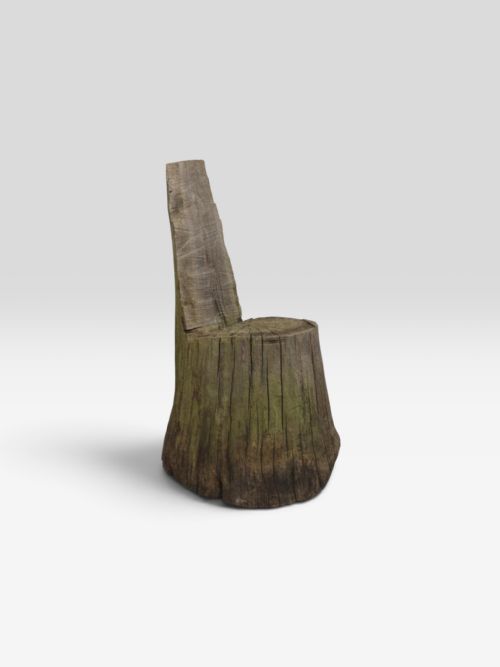
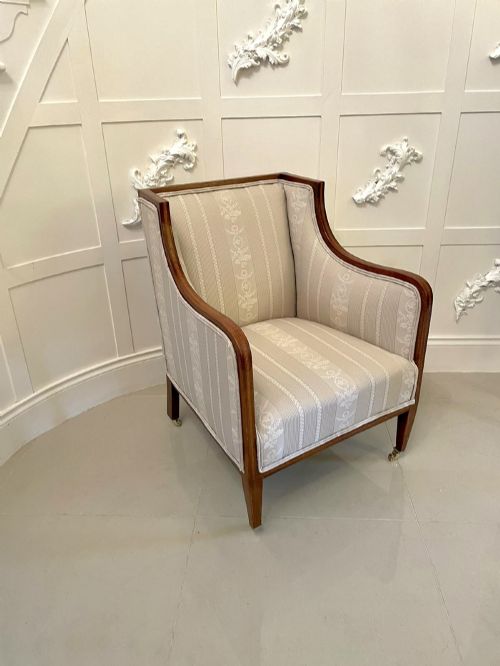
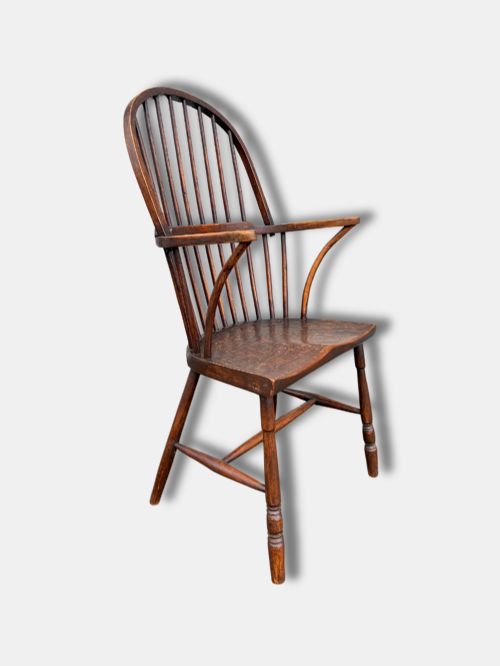
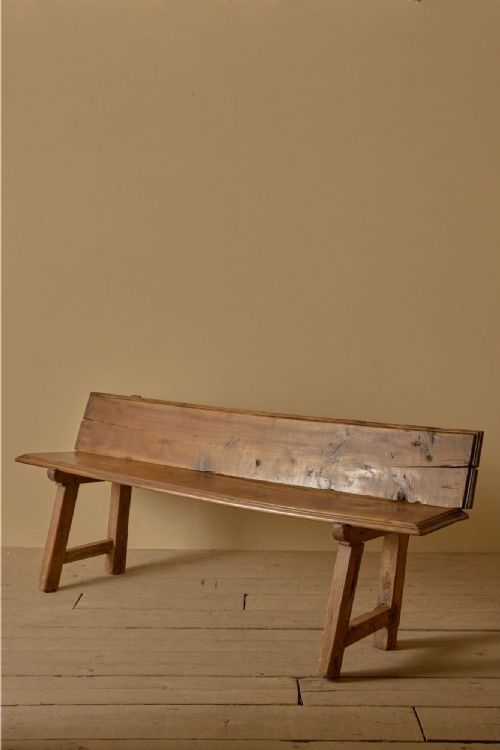
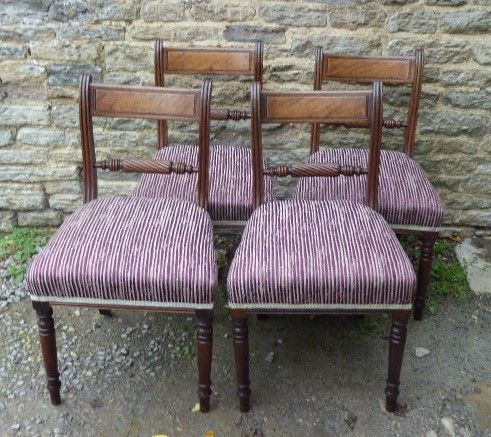
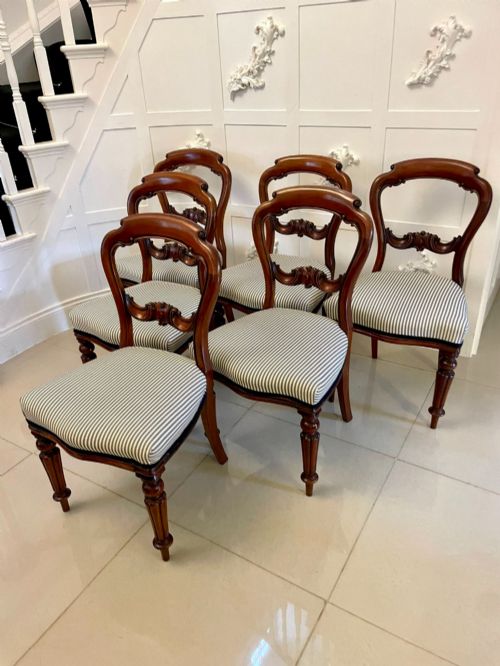
Brown antique seating spans a diverse collection of historical furniture designed for dining, resting and working, from sturdy oak settles to elegant mahogany dining chairs. The pieces found here range from robust country armchairs in elm and ash to finely carved Victorian walnut and mahogany library chairs.
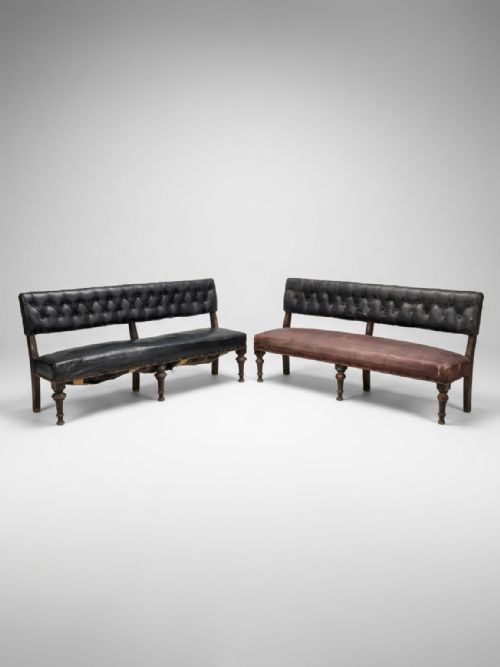
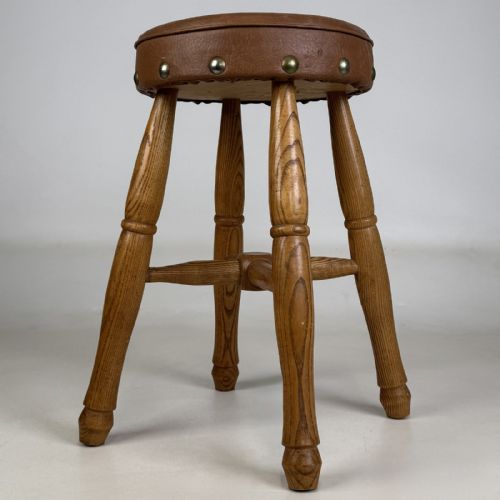
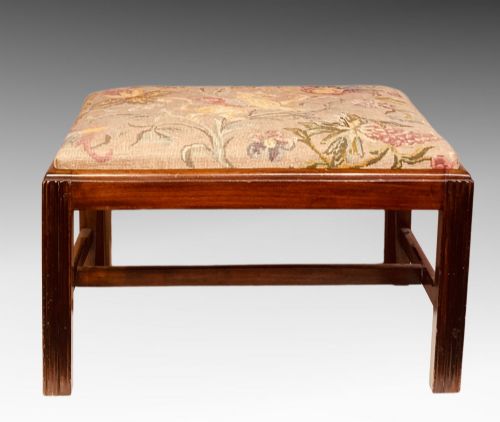
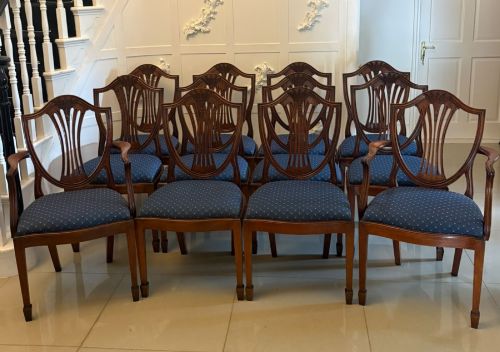
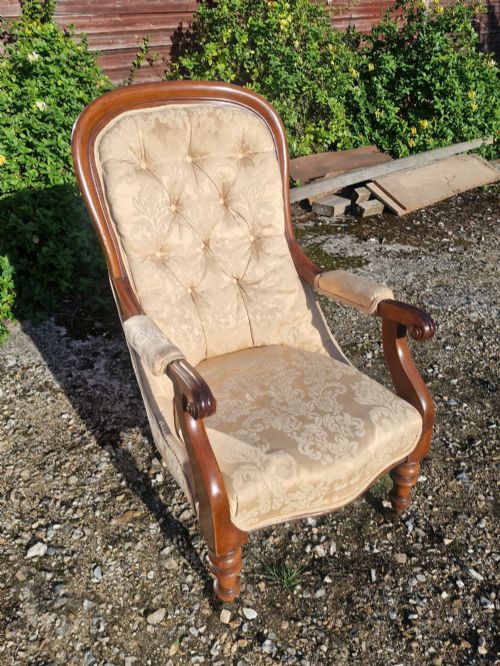
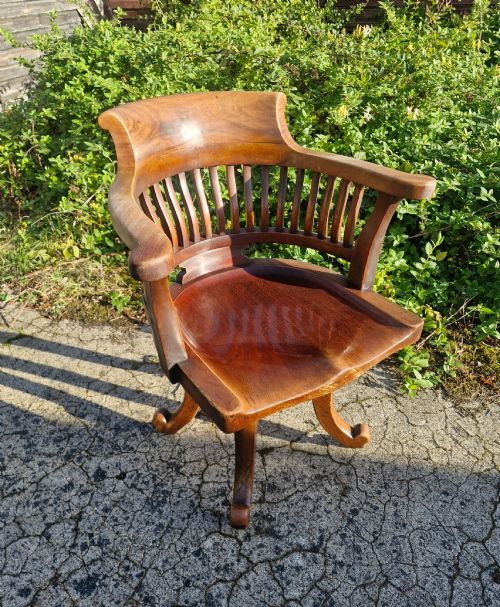
Dining chairs and sets dominate the selections, alongside individual armchairs, benches, footstools and desk chairs. Buyers frequently encounter nineteenth-century mahogany dining sets, eighteenth-century country armchairs, and various forms of oak hall benches.
Origins stretch across English regional workshops, French country houses, and occasional international origins including Syrian Damascus work and Black Forest carving. The common thread uniting them is the rich patination of brown timber such as walnut, mahogany, oak and beech.
Timbers and construction methods
Makers relied heavily on hardwoods like mahogany, oak, walnut, elm, beech and ash, selecting each timber for its grain, strength and suitability to carving or bending. Windsor chairs combined multiple woods such as beech, ash and elm in a single frame to utilise the specific properties of each tree.
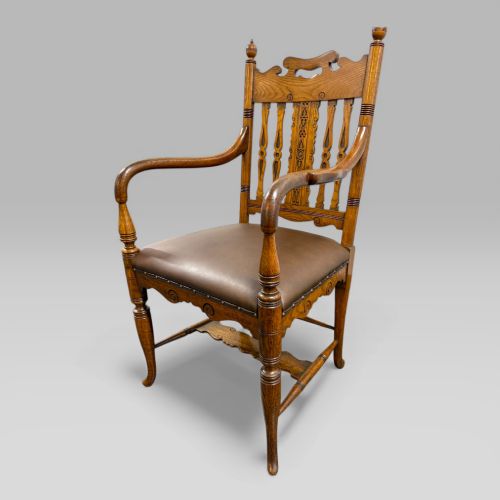
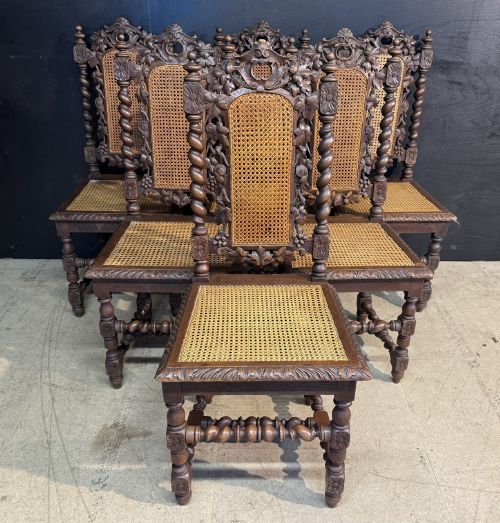
Joinery methods involved traditional techniques including mortise and tenon joints for joint stools and settles, turned spindles for hoop backs, and steam bending for curved components. Surface treatments often left the natural timber grain visible, sometimes enhanced with inlay, leather upholstery, cane seating or brass details.
An elephant bench seat and a bear musical seat prove that historical makers enjoyed adding unexpected animal forms to domestic seating.
Distinctions in craftsmanship and survival
Quality rests in the crispness of hand carving, the integrity of the original joinery, and the depth of the natural timber patina developed over generations. Pieces constructed with solid secondary woods and retained original elements hold greater distinction than heavily restored examples.
The refinement of the design dictates the tier of the piece, moving from utilitarian primitive benches to sophisticated Regency and Victorian dining sets with detailed shield backs or inlaid decoration. Original upholstery materials like tan leather or specific cane work further elevate the character of surviving seating.
Gillows·Bruce James Talbert·Liberty·E.W Godwin
The Brown Seating Glossary
- Carver
- An armchair, typically designed to match a set of smaller dining chairs and placed at the head of a table.
- Settle
- A wooden bench featuring a high back and solid arms, often incorporating storage beneath the seat for domestic utility.
- Joint stool
- An early form of domestic seating constructed with mortise and tenon joinery before the widespread adoption of upholstered chairs.
- Patina
- The surface sheen and colour acquired by wood through age, handling and polishing over centuries.
- Hoop back
- A chair design where the backrest is formed from a single continuous bent piece of wood supporting vertical spindles.
Brown Seating: Frequently Asked Questions
How do I date an antique wooden chair?
Dating relies on examining the construction methods, tool marks left by makers, and the types of timber used in the frame. Secondary woods hidden underneath often provide clues that differ from the primary show wood.
Stylistic cues such as leg shapes, carving motifs and joinery evolution help narrow the decade or century of origin when compared against documented historical examples.
What maintenance do antique wood chairs need?
Regular dusting with a soft, dry cloth protects the surface without building up unwanted residues. Avoid placing wooden seating near direct heat sources or in fluctuating humidity to prevent timber splitting.
Feed dry surfaces occasionally with appropriate conservation wax to maintain the patina and nourish the grain without altering the historical finish.
Are antique chairs suitable for daily dining?
Many sturdy dining chairs and sets remain entirely practical for everyday use if the underlying joinery is secure and stable. Checking joints for movement ensures the timber can handle regular weight safely.
Delicate occasional chairs or pieces with fragile cane work suit light sitting better than robust family dining.
How do I spot original upholstery?
Original upholstery shows historical tack holes, traditional stuffing materials like horsehair, and wear patterns consistent with the stated age of the frame. Surviving leather or fabric retains an authentic texture distinct from modern replacements.
Many pieces have been recovered over time to ensure comfort, so evidence of modern webbing or staples simply indicates twentieth or twenty-first century restoration.