

Bronzed Metal Pendant
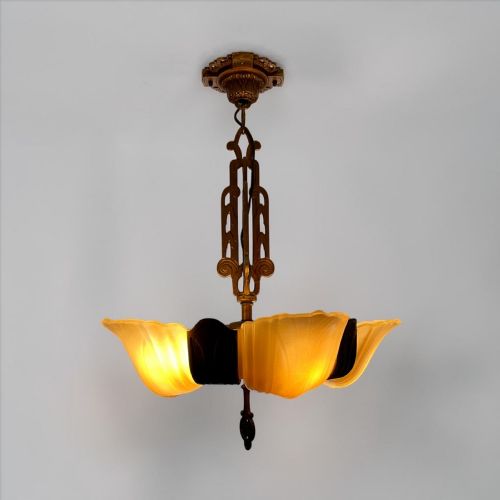
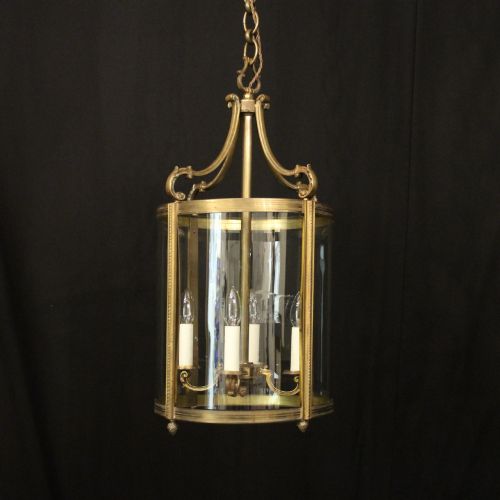
These bronzed metal pendant fixtures encompass everything from French chateau lanterns to Art Deco glass plafonniers, chosen to bring architectural character to any room.
Bronzed Metal Pendant
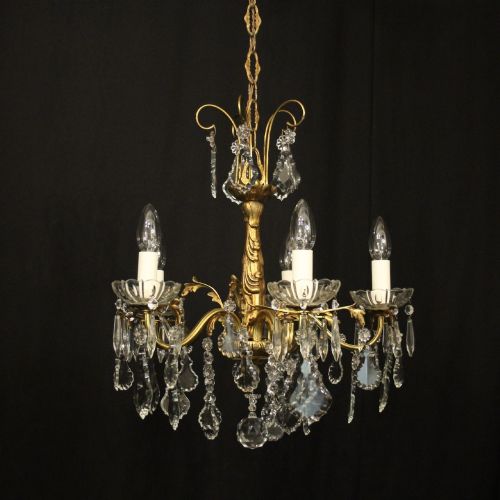
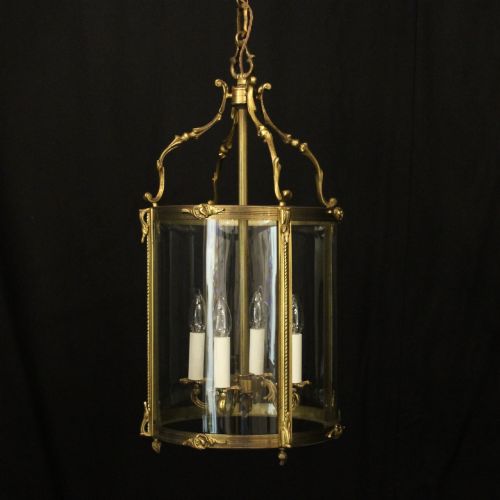
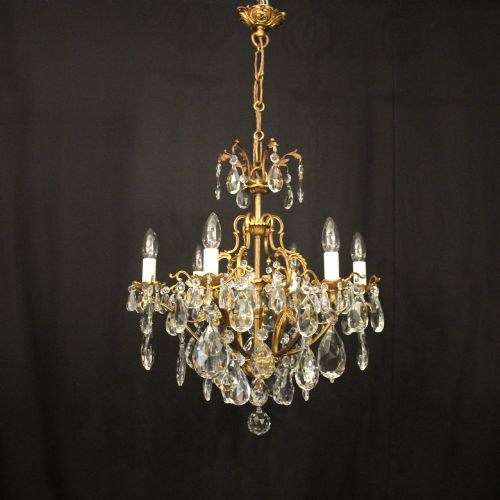
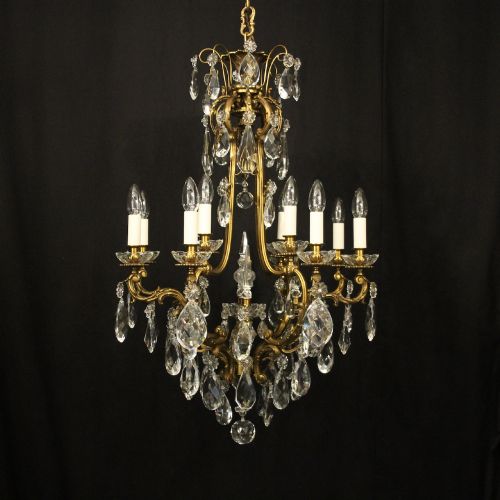
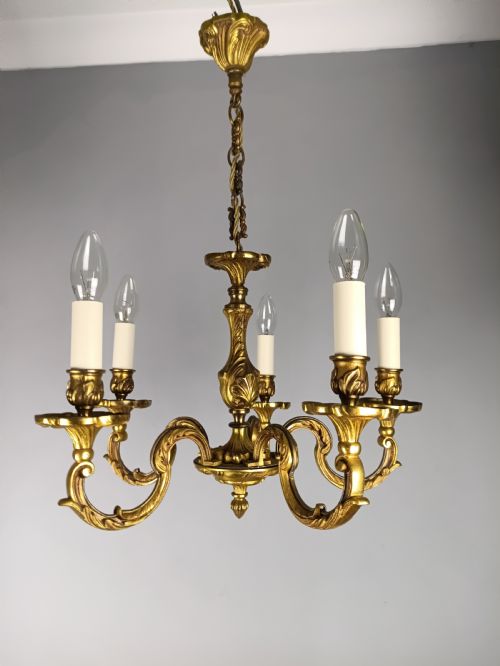
When you search for a bronzed metal pendant, you encounter hanging light fixtures originating primarily from the nineteenth century through the nineteen-thirties. The selection on this page consists predominantly of French chandeliers, hall lanterns, and ceiling lights styled in various neoclassical, rococo, and art deco designs.
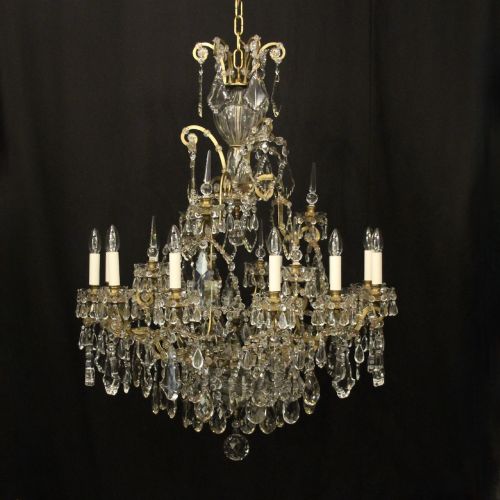
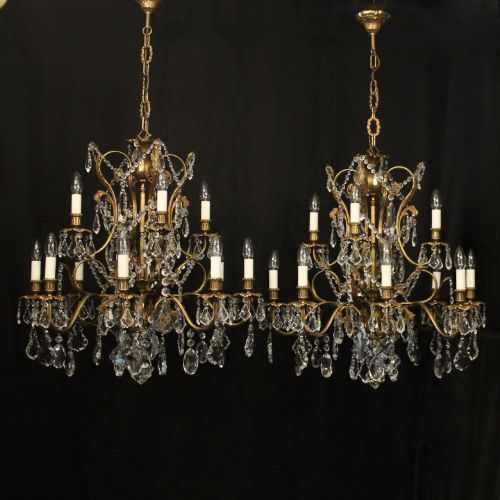
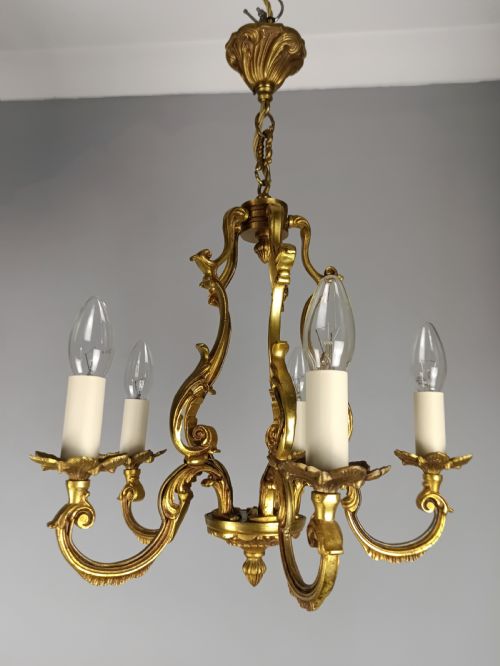
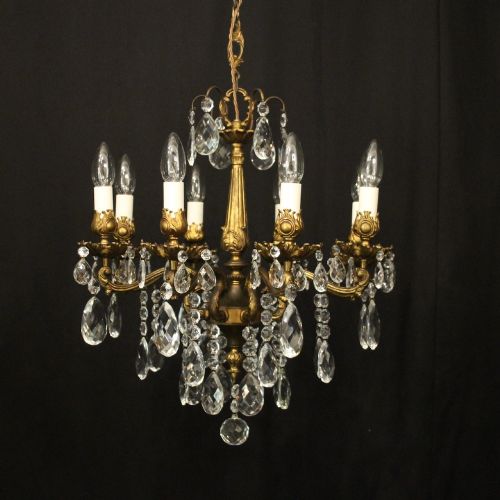
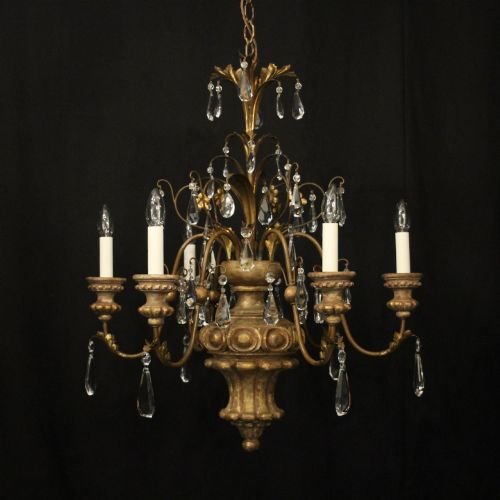
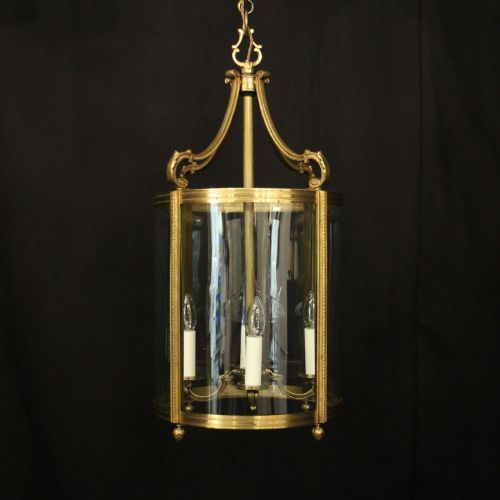
Most examples lean toward gilded bronze, brass, and gilt metal, frequently incorporating cut glass or crystal elements. You will also find specific forms such as birdcage chandeliers, convex hall lanterns, and multi-light fixtures designed for substantial interior spaces.
How they were made
The construction of these pieces relies heavily on cast bronze and brass frames that provide structural integrity for hanging arrangements. Artisans applied gilding, silver plating, or specialised patination to achieve the characteristic bronzed and golden surfaces seen across the period items.
Glass components, including crystals, spikes, beads, and moulded slip shades, were integrated into the metal frames by hand. Many fittings accommodated the transition from gas lighting to electricity, reflecting the technological shifts of the early twentieth century.
Bronzed Metal Pendant Retail Price Guide 2026
Typical asking prices for bronzed metal pendant among the pieces listed under this phrase on Sellingantiques today, from the lower quarter to the upper quarter. They describe what is for sale here now, not the wider market.
Listings span periods from the 1880s to the 1930s, featuring glass, brass, gilt bronze, and crystal materials formed into chandeliers and hall lanterns.
What varies in quality
The degree of hand-chasing and crispness in the metal casting marks the distinction between standard production and superior work. Elaborate foliate details, finely rendered figures like cherubs, and substantial cast bronze frames indicate elevated craftsmanship.
The integration and quality of the glass components also dictate overall calibre, with heavy cut crystal drops and bevelled glass panels elevating a piece above simpler pressed glass alternatives.
Charles Schneider·G.E.C
The Bronzed Metal Pendant Glossary
- Plafonnier
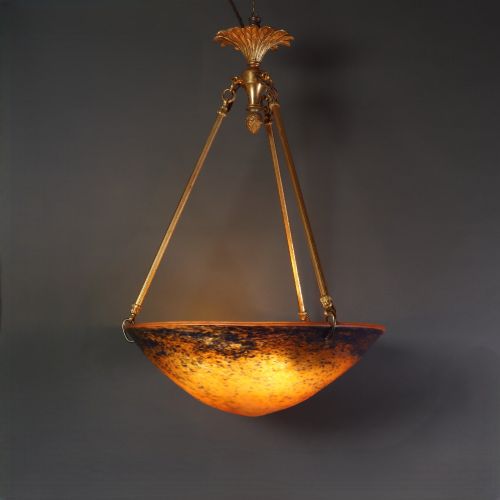
- A ceiling light fixture mounted flush or closely against the ceiling rather than suspended on a long chain. These often utilise moulded art deco glass shades.
- Hall lantern
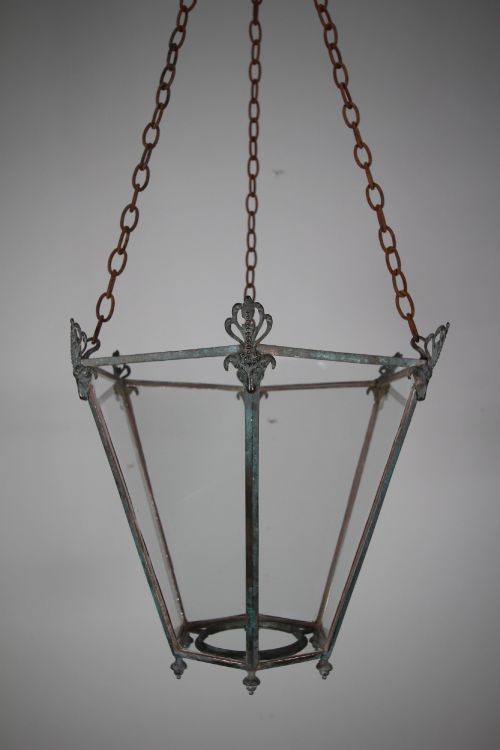
- An enclosed hanging light designed specifically for entranceways and corridors. They frequently feature glazed panels set into a brass or bronze framework.
- Ormolu
- Gilded bronze produced by applying a mercury and gold amalgam to a bronze base object. This technique was widely utilised in French decorative arts.
- Gasolier
- A multi-branched lighting fixture originally designed to burn gas before being converted to electricity. They tend to be heavier and larger than standard electric pendants.
- Spelter
- An alloy of zinc and lead used as a cheaper substitute for bronze. It was frequently painted or electroplated to imitate a bronze finish.
Bronzed Metal Pendant: Frequently Asked Questions
What is a bronzed metal pendant?
A bronzed metal pendant is a suspended ceiling light fixture made from metal with a bronze-toned finish or genuine bronze material. These pieces range from early twentieth-century hall lanterns to nineteenth-century multi-light chandeliers.
They serve primarily as overhead illumination while functioning as decorative centrepieces within a room. The category includes diverse styles such as French rococo, art deco, and neoclassical designs.
How do I date a pendant light?
Dating involves examining the manufacturing materials, wiring methods, and stylistic cues present in the piece. Items from the nineteenth century often feature heavy cast bronze and hand-cut crystal, whereas nineteen-thirties examples frequently display geometric art deco motifs or slip shades.
Changes in lighting technology, such as conversions from gas to electricity, also provide clues to the age of the fixture. Comparing the decorative motifs to known historical periods helps narrow down the decade of production.
Where should I hang a hall lantern?
Hall lanterns are traditionally suspended in entrance halls, corridors, or stairwells where vertical space allows for hanging fixtures. Their enclosed glazed panels protect the light source from drafts while diffusing illumination across entry spaces.
Consider the ceiling height and proportions of the walkway when selecting a lantern size. Proper placement ensures the fixture commands attention without obstructing movement.
How do I clean a crystal chandelier?
Cleaning requires removing dust with a soft brush and wiping the metal framework with a dry or slightly damp cloth. Crystal drops can be washed individually using a mild solution of warm water and detergent before being dried thoroughly.
Avoid harsh chemical cleaners that can damage gilded surfaces or patinated metal finishes. Regular gentle maintenance preserves the reflective quality of the glass and metal components.