






Bronzed Lion Sculpture
A bronzed lion sculpture brings the presence of the king of beasts to a desk or mantelpiece, drawing on centuries of foundry traditions.
Bronzed Lion Sculpture
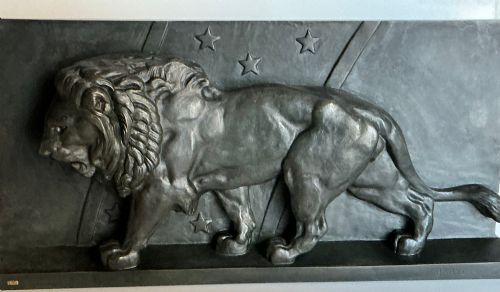
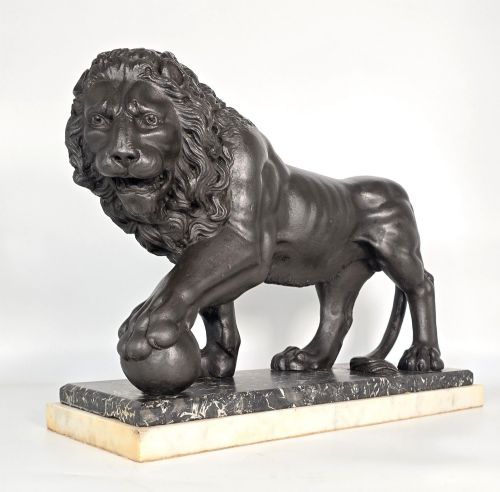
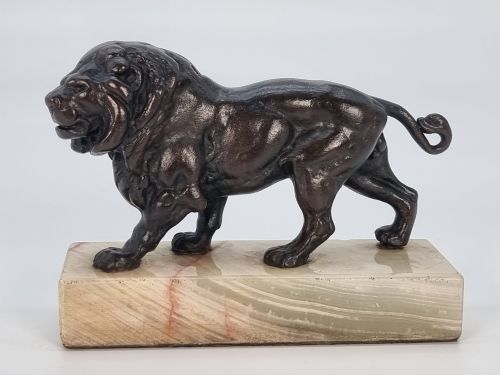
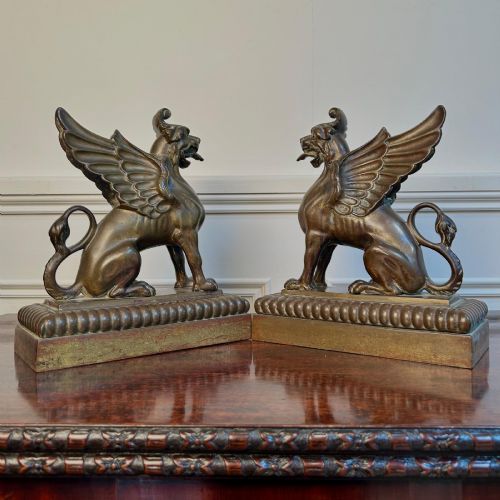
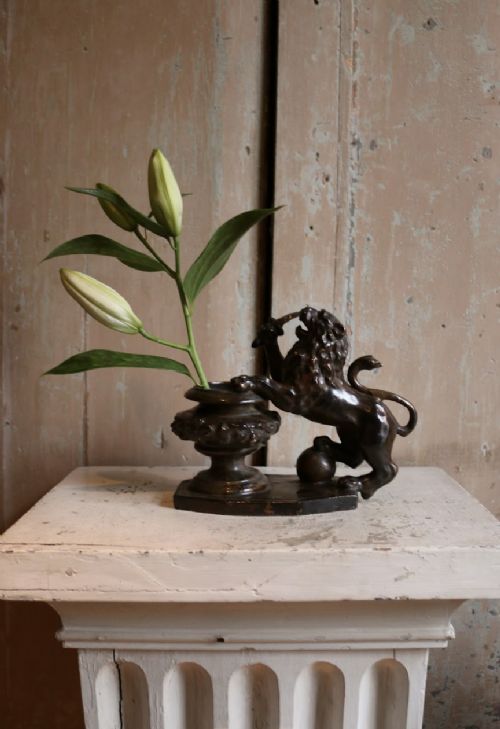
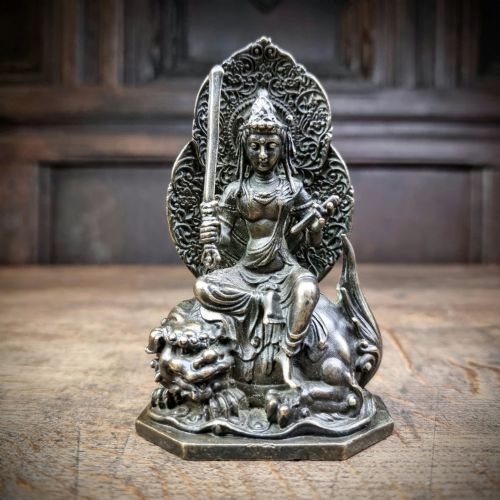
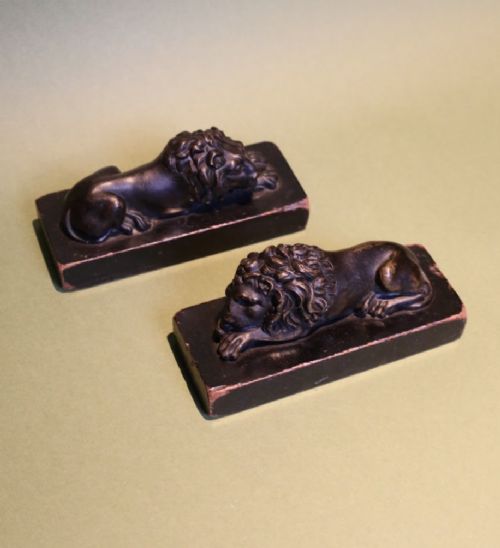
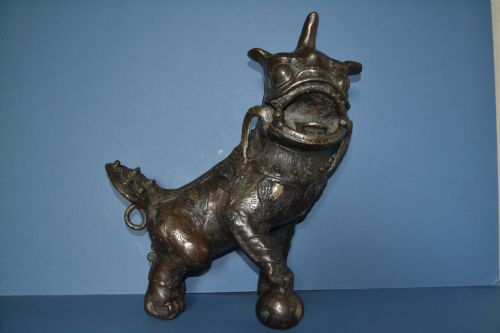
When seeking a bronzed lion sculpture, collectors encounter objects ranging from Grand Tour souvenirs of Italian monuments to French Animalier studies and Asian temple figures. The most frequent examples on this page are nineteenth-century French casts, grand Grand Tour models after Canova or the Medici lions, and decorative bookends or inkstands.
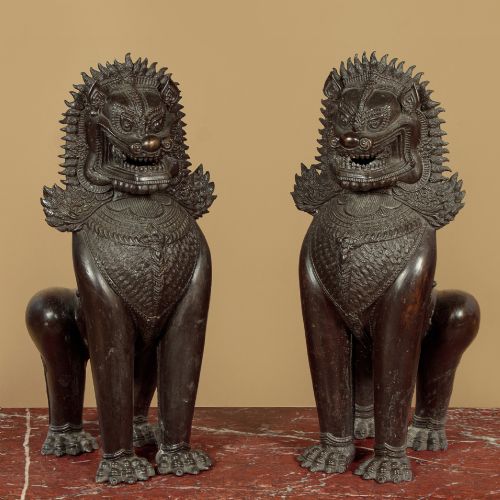
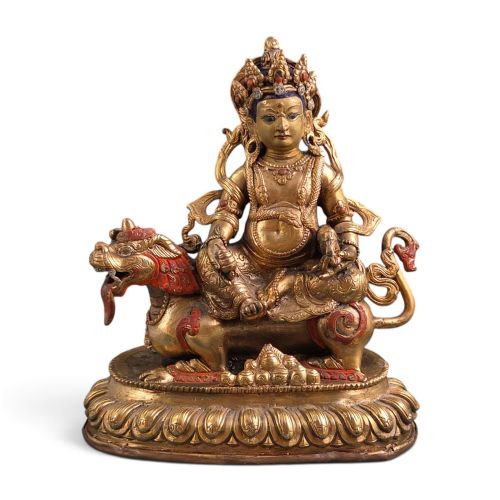
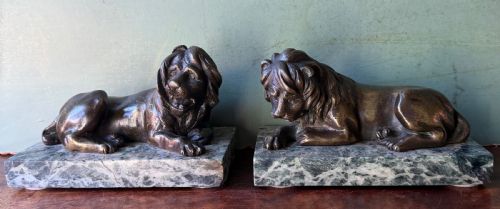
The materials span true cast bronze, gilt bronze, patinated metal, and bronzed plaster mounted on marble or onyx bases. Forms include resting pairs, prowling beasts, and ritual temple lions rooted in Qing Dynasty, Tibetan, and Chinese traditions.
How They Were Made
Foundries utilised the lost-wax method or sand casting to achieve crisp detail in bronze, brass, and gilt bronze surfaces. Cold painting and patination provided the rich tonal finish seen on many nineteenth-century animalier figures.
Stonework bases in marble, onyx, and slate frequently accompany these metal figures, paired with brass fittings on inkstands or carved wooden components in scholarly Chinese items.
Bronzed Lion Sculpture Retail Price Guide 2026
Typical asking prices for bronzed lion sculpture among the pieces listed under this phrase on Sellingantiques today, from the lower quarter to the upper quarter. They describe what is for sale here now, not the wider market.
One hefty bronze pair weighs thirty-five kilograms, ensuring these temple guardians stay firmly put wherever they choose to sit.
What Varies in Quality
The fidelity of the chasing separates finer animalier casts from routine production pieces. Master sculptors and skilled founders achieved muscular tension and coat texture that lesser workshops missed.
Original patination and integration with period marble or onyx plinths elevate the standing of a piece. Finer items retain clear signatures or foundry stamps from makers such as Barbedienne.
Canova·C Omin·Paul-Édouard Delabrièrre·Seiunsai Miyamoto Sei·Unno Shomin·G.Gardet·Louis Riche·Al Barye·Barbedienne·Le Courtier·Antoine-Felix Bouré
The Bronzed Lion Sculpture Glossary
- Animalier
- A nineteenth-century artistic movement focusing on the realistic portrayal of animals. Practitioners captured native and exotic beasts in action or repose.
- Grand Tour
- A traditional trip through Europe undertaken by upper-class scholars and collectors. Travellers acquired miniature bronzes of classical monuments and statues.
- Patination
- The chemical treatment or natural weathering applied to metal surfaces. It creates depth of colour and protects the underlying bronze.
- Lost-wax casting
- A historic metalworking process where a molten alloy replaces a wax model inside a mould. This technique allows for intricate fur and facial details.
- Okimono
- A Japanese decorative object designed for display on a shelf or in a tokonoma alcove. These figures frequently depict animals and mythological beasts in cast iron or bronze.
Bronzed Lion Sculpture: Frequently Asked Questions
How do I date a bronze lion?
Dating relies on examining the casting method, foundry marks, style of patination, and the material of the base. Nineteenth-century pieces often display distinct French or Asian foundry signatures.
Stylistic cues also point to eras, such as Neoclassical Grand Tour souvenir pieces versus twentieth-century Art Deco interpretations.
Where were these lion sculptures made?
These sculptures originate from European foundries in France and Britain, as well as Asian workshops in China, Tibet, and Japan. Grand Tour pieces specifically reference classical Italian monuments.
Temple lions hail from Sino-Tibetan and Chinese traditions, serving ritual or protective purposes before entering the collector market.
How do I display a bronze lion?
Bronze lions suit placement on mantelpieces, bookshelves, executive desks, and display cabinets. Their substantial weight allows them to anchor stacks of books as bookends or hold stationery as inkstands.
Perect placement highlights the patinated surface and ensures the marble or onyx plinth is stable on the furniture.